
Ornate Ceiling Chandelier
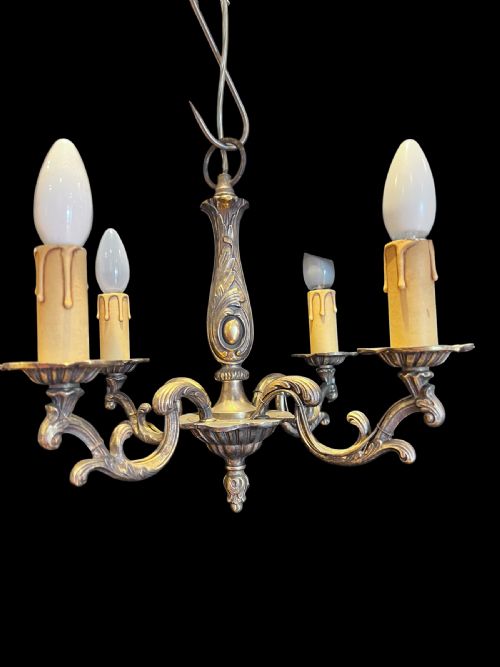
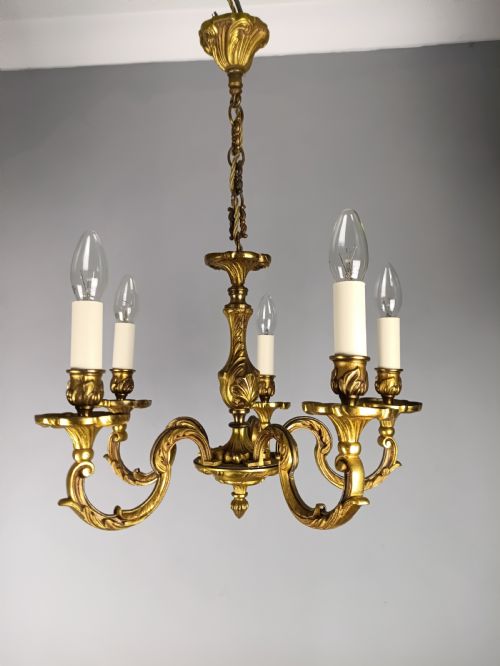
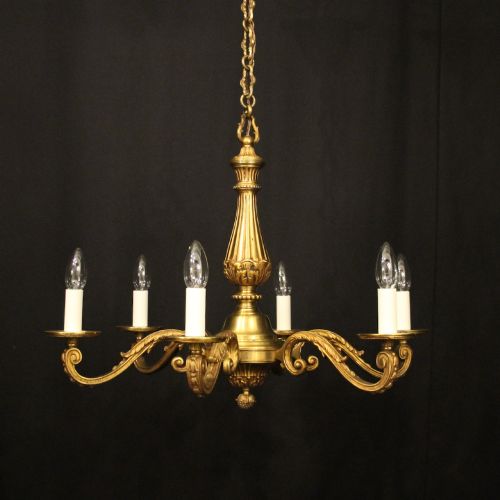
An ornate ceiling chandelier brings layered illumination and historic presence to a room, drawing the eye upward with cast metal and glass.
Ornate Ceiling Chandelier
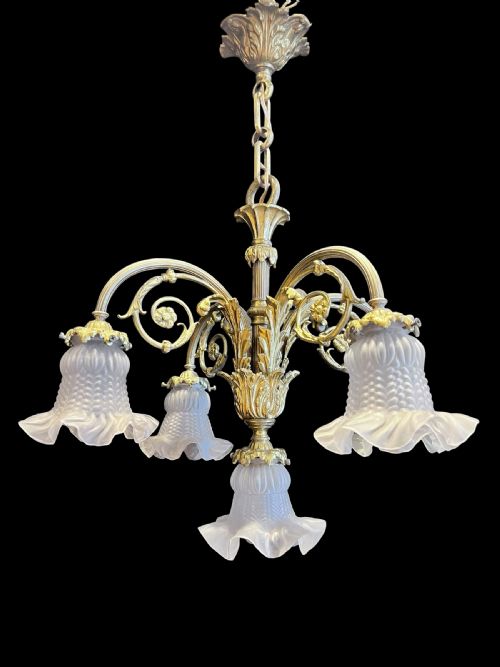
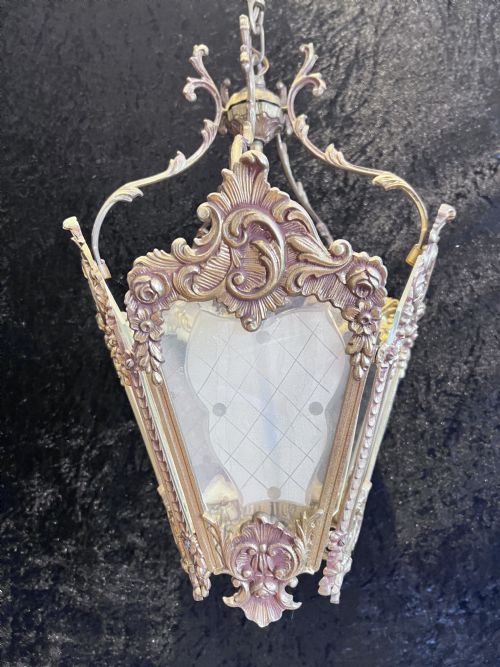
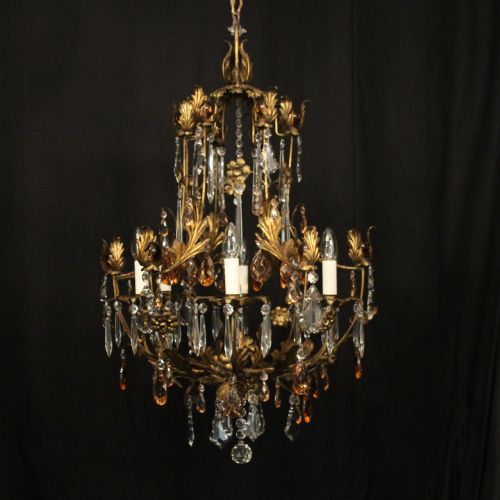
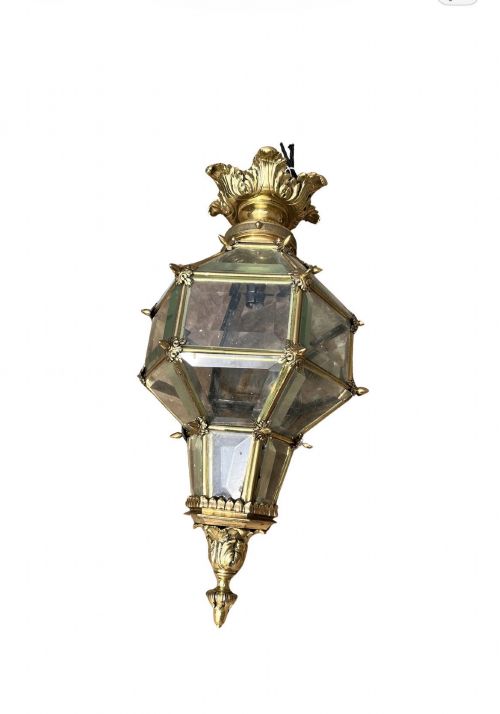
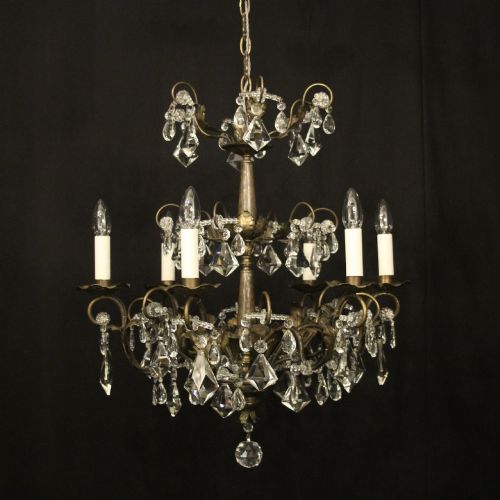
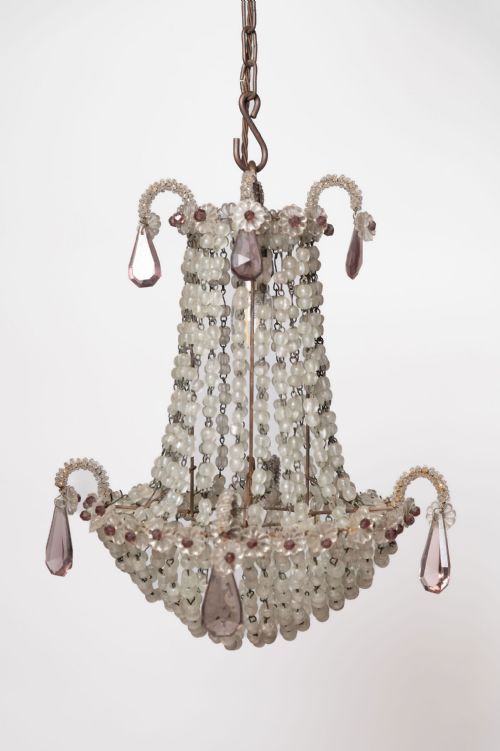
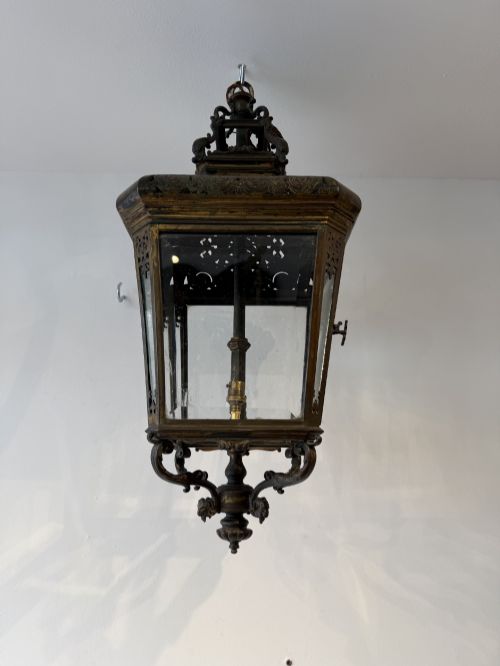
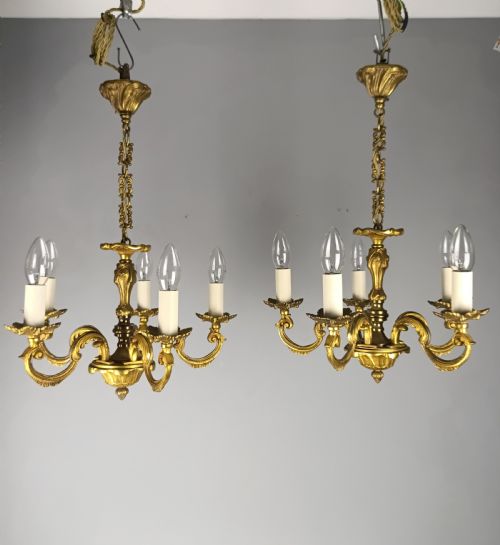
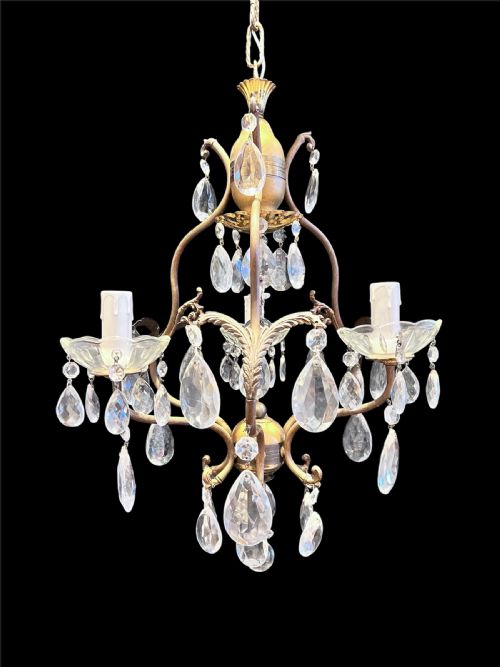
An ornate ceiling chandelier spans multiple decades from the nineteenth century through the 1930s, encompassing French and Italian workshops. Buyers encounter multi-branch fixtures, single light pendants, and hall lanterns hung in spaces that require overhead character.
The selection ranges from compact three-light fixtures to monumental twenty-four light chandeliers. Common configurations include French Rococo Revival and Empire styles, alongside Italian Florentine and Venetian designs.
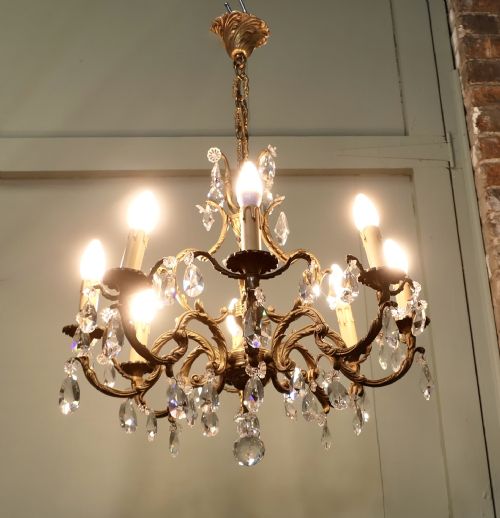
Ceiling lights and hanging lanterns appear frequently alongside standard chandeliers. Many pieces incorporate elaborate ceiling roses and crystal lustres to complete the overhead composition.
Materials and construction methods
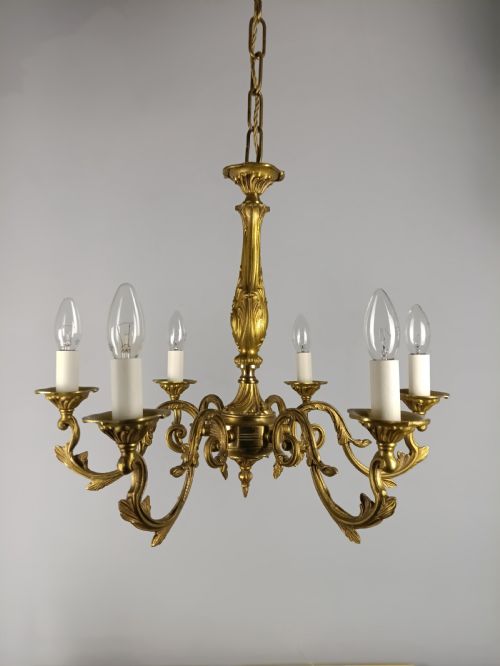
Makers utilised brass, bronze, and gilt bronze for the structural frames and arms. Cast acanthus leaf mounts and heavy metal castings provide the substantial weight seen in larger examples.
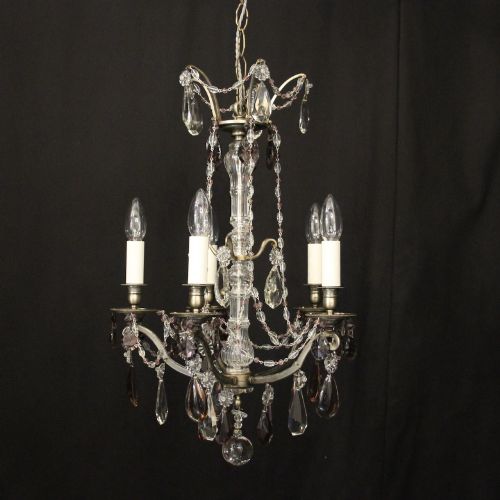
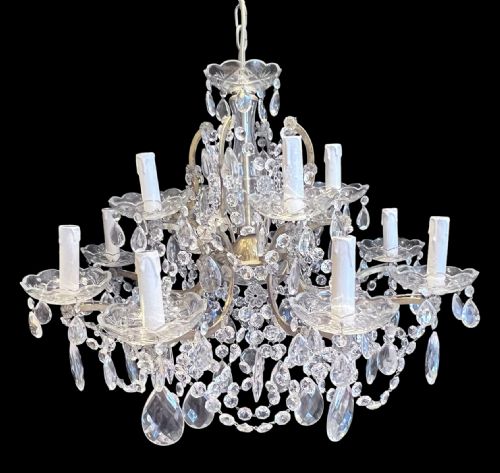
Cut glass and crystal elements hang from frames to refract light across the room. Silver gilding and gilt brass finishes are applied to metal surfaces to catch ambient illumination.
Keep an eye out for unexpected details like mischievous cherubs and cheerful orange drips hiding among the crystal spikes.
Distinctions in execution
The sophistication of the metal casting dictates the definition within floral and scrollwork details. Crisp acanthus leaf mounts and heavy gauge brass separate substantial fixtures from lighter alternatives.
The integration of cut crystal lustres and the purity of the glass components influence the visual depth of the fixture. Heavier metal frames support complex multi-arm configurations with greater structural stability.
The Ornate Ceiling Chandelier Glossary
- Gilt bronze
- Bronze coated with a thin layer of gold, providing a durable and luminous finish. This technique appears widely on French chandeliers from the nineteenth century.
- Crystal lustre
- Cut glass pendant hung from the arms or crown of a fixture to refract light. These elements catch and multiply the illumination from the bulbs.
- Hall lantern
- Enclosed ceiling light designed for entranceways and corridors, often featuring glazed panels within a metal frame. They provide directional downward light.
- Ceiling rose
- Ornamental plaster or metal disc fitted to the ceiling where the chandelier suspends. It frames the fixture and conceals the wiring junction.
Ornate Ceiling Chandelier: Frequently Asked Questions
How do I choose the right size?
Consider the proportions of your room and the height of the ceiling. Larger multi-light fixtures require adequate clearance to hang centrally without dominating the space.
Compact lanterns or smaller four-light chandeliers suit lower ceilings and more intimate rooms while maintaining period character.
Can these fixtures be rewired?
Most antique lighting is adapted for modern electrical standards during restoration. Professional rewiring ensures safe installation while preserving original metalwork and sockets.
Consult a qualified electrician to inspect the internal wiring before mounting any heavy brass or bronze fixture.
How do I identify French and Italian styles?
French chandeliers frequently display Rococo scrolls, Empire motifs, and gilt bronze finishes. Italian pieces often incorporate Florentine details, carved giltwood, and specific crystal arrangements like the Marie Theresa style.
Examining the casting quality and surface gilding helps determine the regional workshop origin.
Where should I hang a hall lantern?
Hall lanterns provide focused illumination in entrance halls, corridors, and stairwells. Their enclosed design protects the internal light source in narrow transitional spaces.
Ensure sufficient headroom beneath the lantern for everyday movement through the hallway.