



Ornate Cast Iron Bed
An ornate cast iron bed offers a robust Victorian focal point for a bedroom, bringing together heavy metalwork and decorative brass details.
Ornate Cast Iron Bed
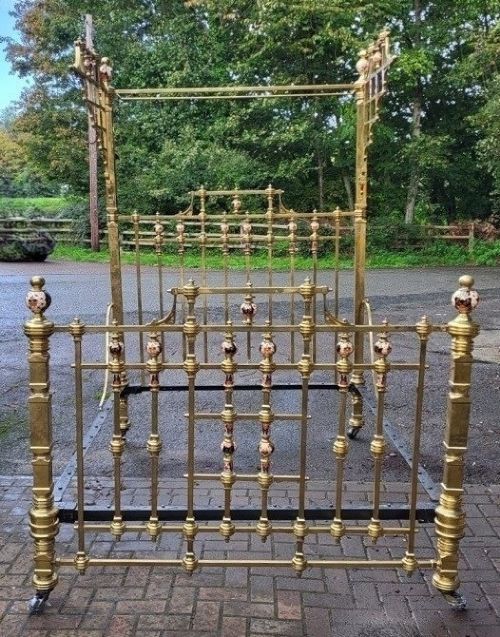
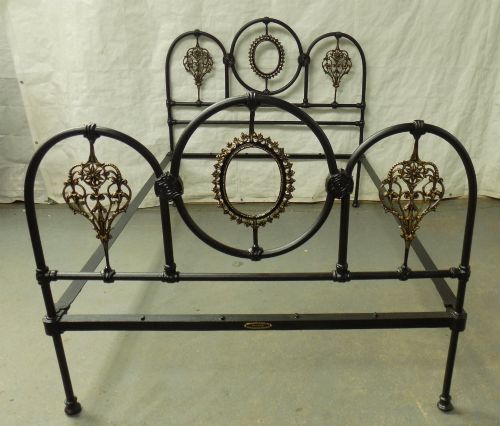
When you search for an ornate cast iron bed, you encounter robust Victorian bedframes designed for domestic sleeping quarters. These pieces date across the nineteenth century, with examples spanning from eighteen sixty through to nineteen hundred.
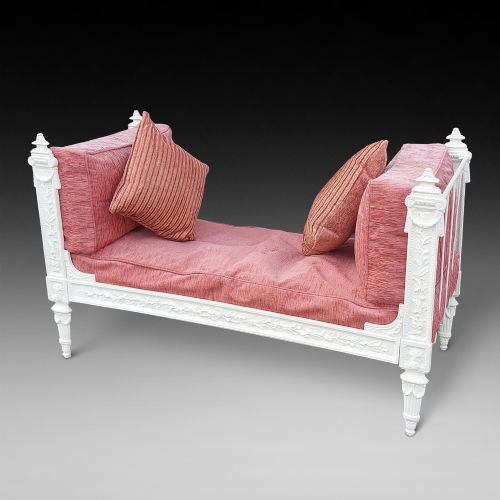
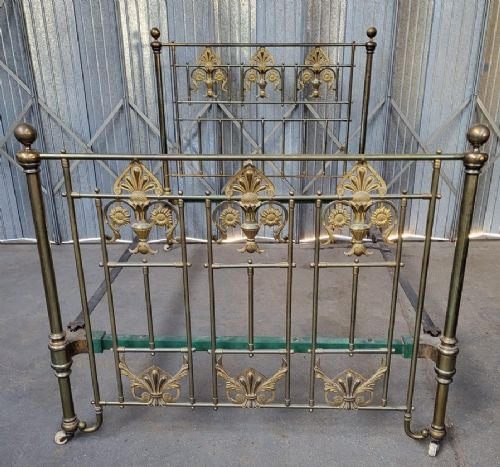
The forms on this page include standard double sizes, king size proportions, daybeds, and single beds that can be joined together. You will frequently find them paired with brass components, creating a contrasting metallic appearance.
Many items display distinct Victorian and Victorian Aesthetic Movement styling, ranging from curly ironwork to impressively detailed super king frames. These heavy bedsteads serve as substantial anchor points in period bedrooms.
Materials and construction
Makers utilised cast iron and wrought iron for the structural framework, combining these with brass components for decorative contrast. Ceramic elements and painted finishes also appear across the listings to add further visual detail.
Foundries cast the heavy metal components in moulds, shaping intricate patterns and curly motifs into the ironwork. Brass fittings were then secured to the main iron frames to complete the ornate aesthetic.
Some single beds come with the handy superpower of joining together when romance or logistics demand a larger frame.
Assessing quality in the range
Quality reveals itself through the intricacy of the metal detailing and the original condition of the combined brass and iron elements. Pieces described as exhibition quality or featuring Winfield attribution display superior design ambition.
The distinction between standard production and top tier work rests on the complexity of the casting and the presence of complete, untouched original materials such as fabric and paint.
Winfield
The Ornate Cast Iron Bed Glossary
- Bedstead
- The framework of a bed, consisting of posts, rails, and panels designed to support a mattress. These structures form the primary visual furniture piece in a bedroom.
- Daybed
- A couch that can be used for lounging during the day and as a bed for sleeping at night. They appear in nineteenth century ironwork configurations.
- Half Tester
- A bed featuring a canopy that extends only partway over the head of the bed rather than covering the full length. This style provides a dramatic overhead projection.
- Aesthetic Movement
- A nineteenth century design movement that emphasised visual beauty and artistic value over narrative or moral themes. Pieces from this style display refined decorative elements.
Ornate Cast Iron Bed: Frequently Asked Questions
How do I date an iron bed?
Dating relies on the stylistic cues and manufacturing periods recorded in the titles, which span from eighteen sixty to nineteen hundred. Victorian design aesthetics shifted from heavy ornamentation towards lighter, cleaner lines by the end of the century.
Examining the construction methods and the specific combination of cast iron, wrought iron, and brass helps place a bedstead within its correct nineteenth century decade.
How do I clean cast iron and brass?
Maintenance involves gentle dusting and the careful removal of surface grime without stripping the patination built up over the centuries. Proprietary metal cleaners can be applied sparingly to brass components to restore their brightness.
Harsh abrasives must be avoided on painted or fabric elements to preserve the original finish of the bedstead.
Can single beds be joined together?
Certain single bed configurations are designed to be linked together to form a wider sleeping platform. The listings include examples of English single beds that possess this capability.
This modular approach offered flexibility in nineteenth century households for guest accommodations.