

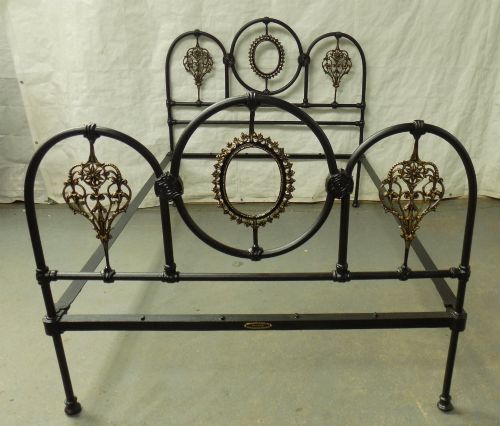
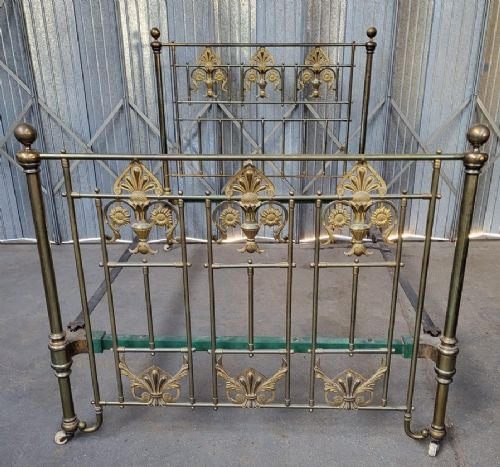
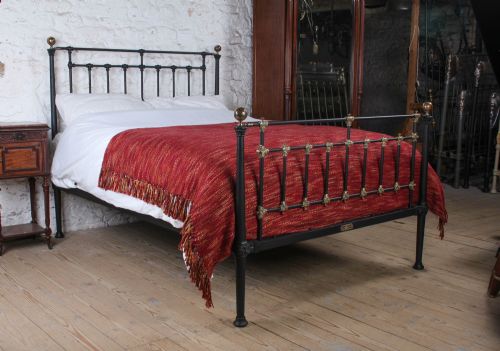


Antique Iron Headboard Footboard
These antique iron headboard footboard assemblies bring substantial Victorian weight and character into a modern bedroom.
Antique Iron Headboard Footboard
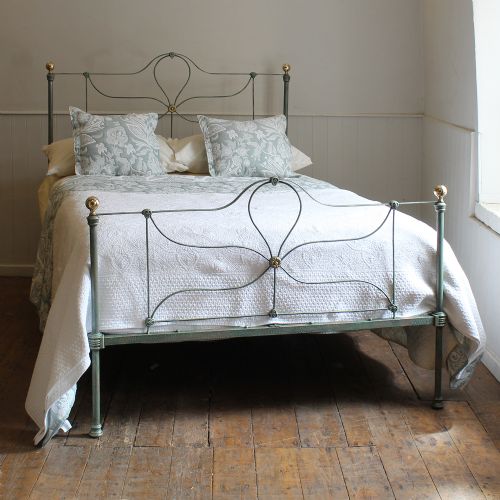
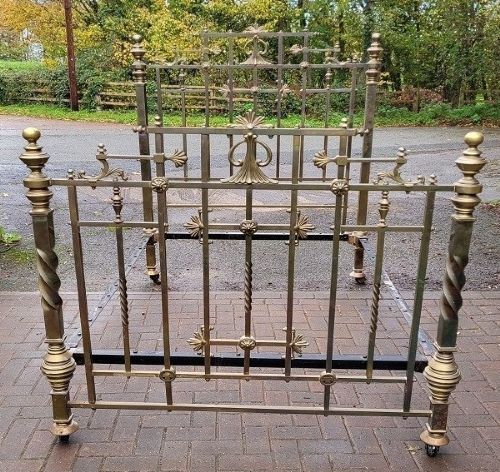
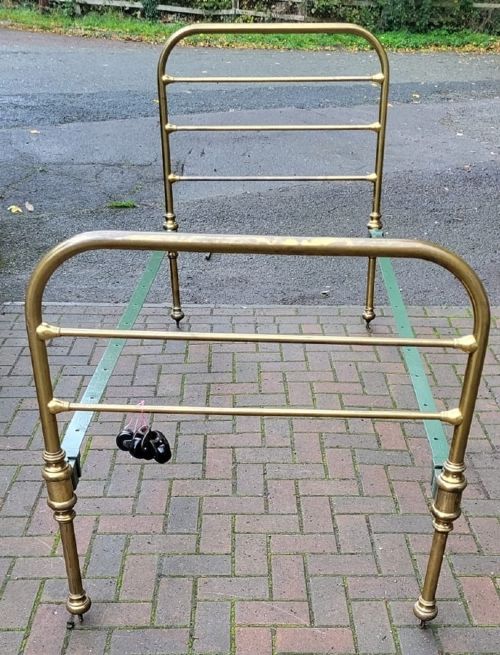
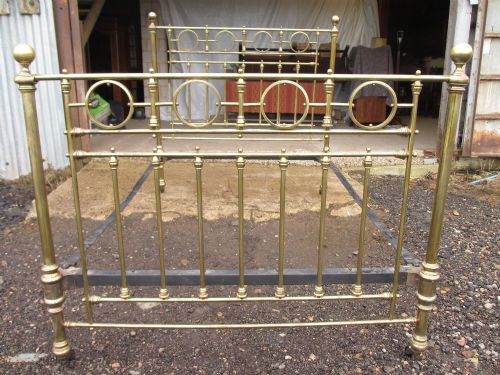
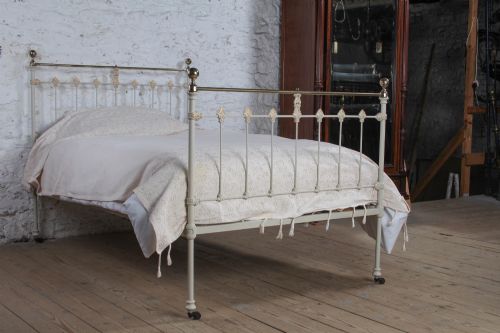
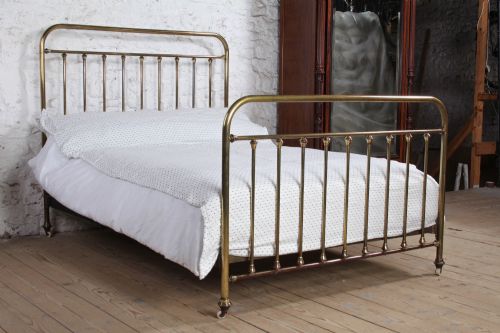
When you search for an antique iron headboard footboard, you encounter robust bed frames spanning the Victorian era through to the early twentieth century. The selection ranges from straightforward single bedframes to large king and super king sizes originating from British, French, and Italian workshops.
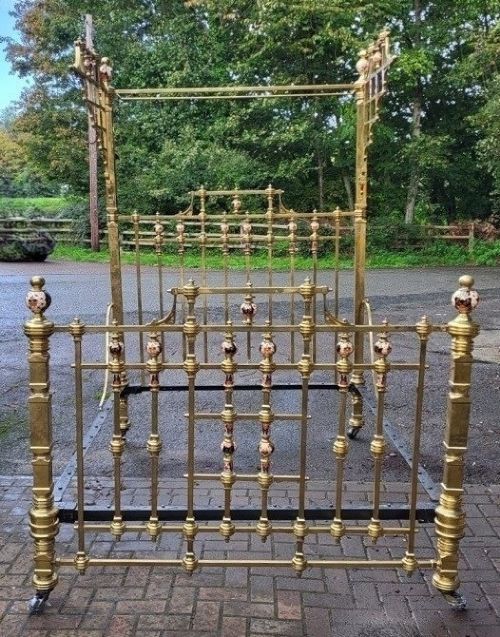
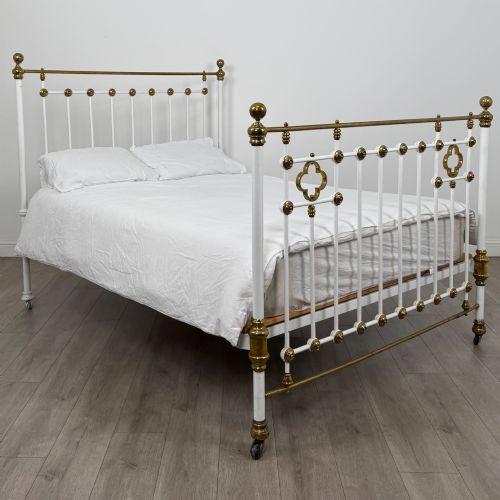
Most examples combine iron or cast iron framework with polished brass details, ceramic components, or painted finishes. Forms vary from classic straight rail designs and French hospital styles to curvaceous Italian tole ware and ornate Art Nouveau configurations.
The listings show pieces constructed for daily domestic use, often featuring slot-in frames set on original castors. Buyers find both full bedsteads complete with footboards and simplified no-end bed formats designed for contemporary room layouts.
Materials and construction methods
Maker workshops utilised heavy cast iron, forged iron, and steel to build durable structural frames that supported sleepers securely. Metal components were frequently shaped with ornamental curves, tapered posts, and decorative brass fittings fixed to the main structure.
Surfaces received protective coatings including traditional black paint, cream finishes, or applied tole ware decoration. Brass elements were polished to a bright finish, creating a distinct contrast against the darker iron framework.
Hospital-style frames offered Victorian patients sturdy metal hygiene, but today they just look wonderfully chic in guest bedrooms.
Factors influencing quality and craftsmanship
Quality rests upon the crispness of the iron casting and the integrity of the original joints and connecting brackets. Superior pieces display finely detailed brass mounts, clean tapering on structural posts, and robust construction without excessive wear to the metalwork.
The presence of maker attribution, such as work by Winfield or Maple and Co, distinguishes standard production models from high-end exhibition pieces. Original paint retention, sound ceramic details, and intact castors further elevate the standing of an individual bedstead.
Maple and Co·R W Winfield·Winfield
The Antique Iron Headboard Footboard Glossary
- Bedstead
- A framework of a bed upon which mattresses and bedding are placed. It includes the structural headboard, footboard, and side rails.
- Cast Iron
- Iron shaped by pouring molten metal into a mould. It provides heavy, rigid support for ornamental Victorian bed frames.
- Tole Ware
- Metalware painted and lacquered in decorative designs. It appears on certain nineteenth-century Italian bedstead panels.
- Half Tester
- A bed with a partial canopy projecting from the headboard. This style offers a commanding presence in large rooms.
Antique Iron Headboard Footboard: Frequently Asked Questions
How do I fit modern mattresses to these beds?
Most antique iron beds require standard mattress sizes, though exact historical dimensions can vary slightly from modern metrics. Standard wooden slats or modern base boards fit inside the iron side rails to support current mattresses securely.
Check the internal width and length measurements within the specific listing before purchasing bedding. Many frames accommodate standard UK or European sizes once correctly set up.
Are these beds easy to dismantle and assemble?
Victorian iron beds utilise simple slot-in wedge joints and heavy iron side rails designed for straightforward assembly without complex tools. Two people can easily slot the headboard, footboard, and side rails together within minutes.
The heavy cast iron and brass components require careful handling during transport. Ensure the joints remain lubricated and free from debris for a smooth fit.
How should I clean the brass and iron?
Dust the iron framework regularly with a soft, dry cloth to prevent surface accumulation. Avoid harsh chemical cleaners that strip original painted finishes or vintage patina.
Polish brass elements gently using a dedicated metal cleaner applied with a cloth, taking care not to stain adjacent iron or painted surfaces. Maintaining the metal preserves the visual contrast intended by the original maker.