

Ornate Carved Wood Frame
An ornate carved wood frame brings architectural depth and reflected light to a room through centuries-old joinery and hand-applied gilding.
Ornate Carved Wood Frame
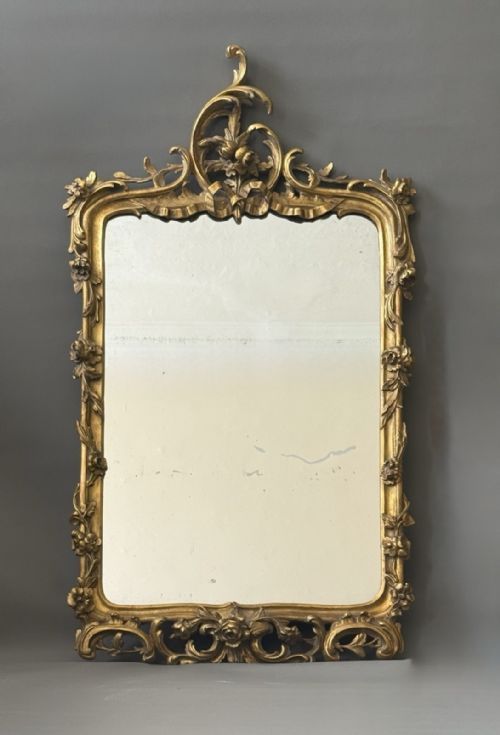
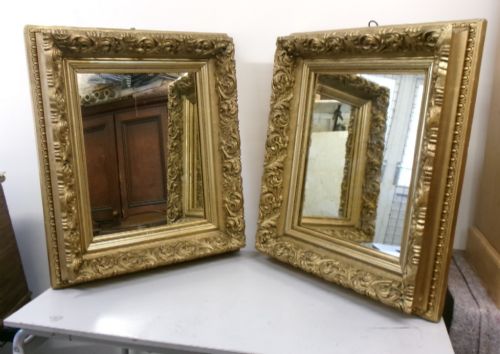
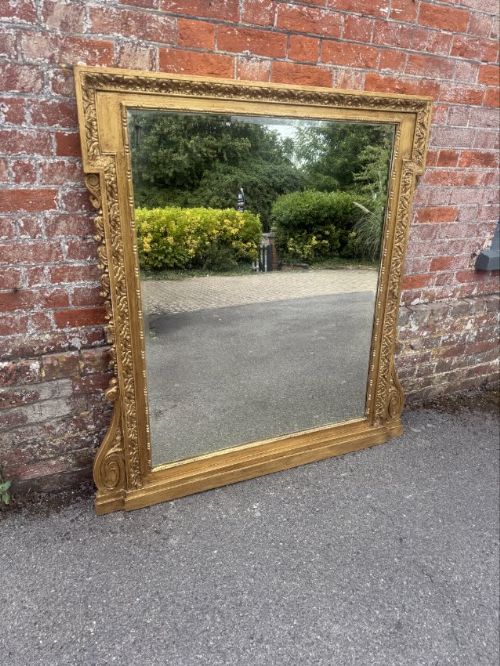
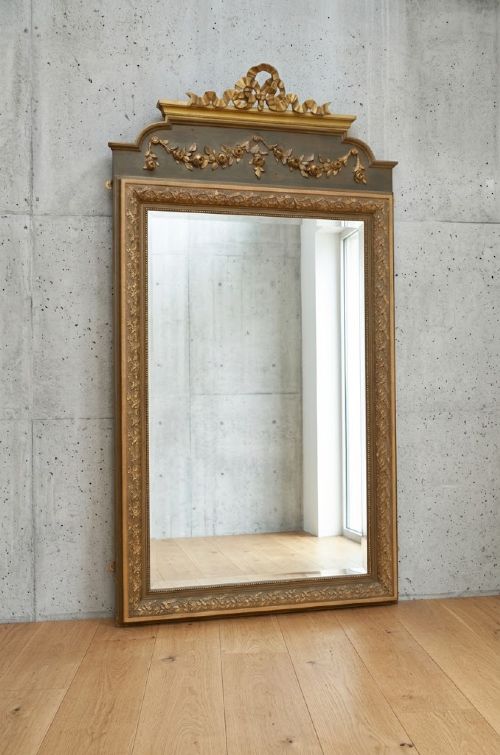
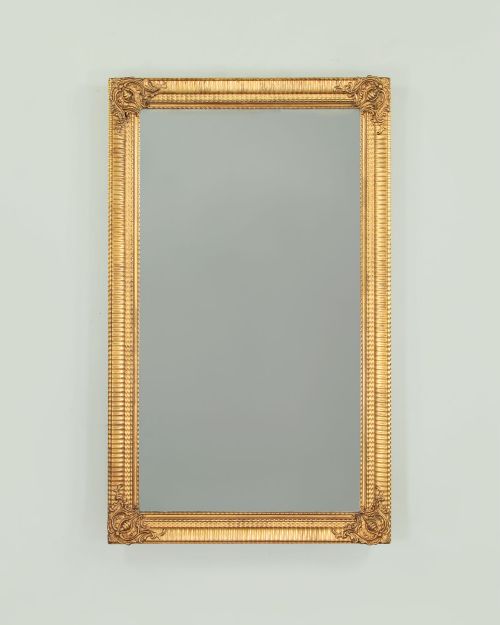
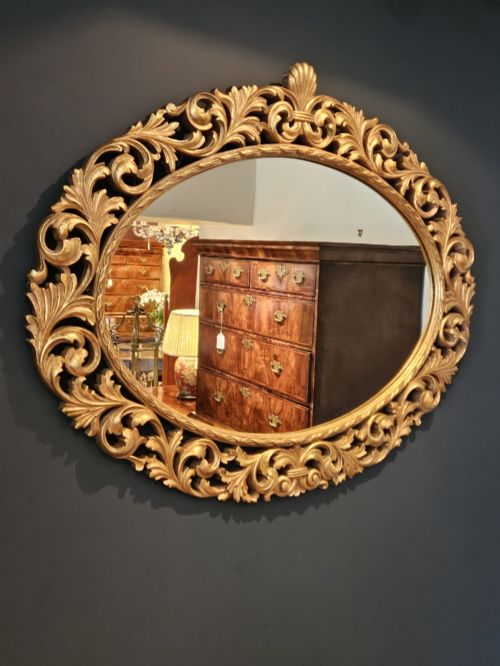
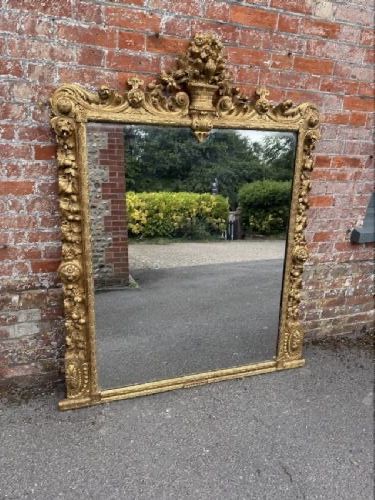
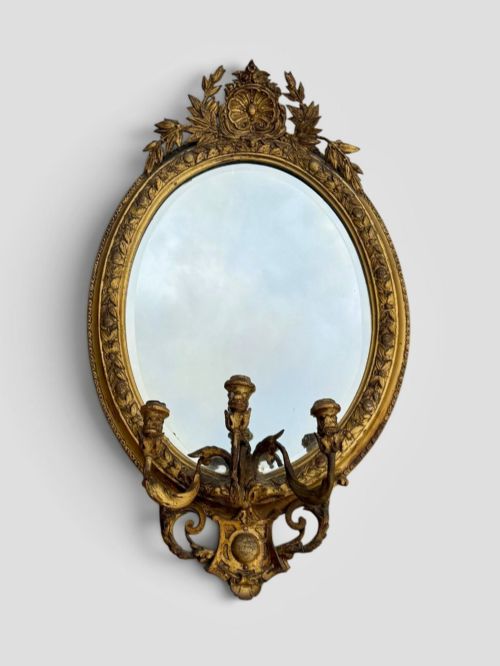
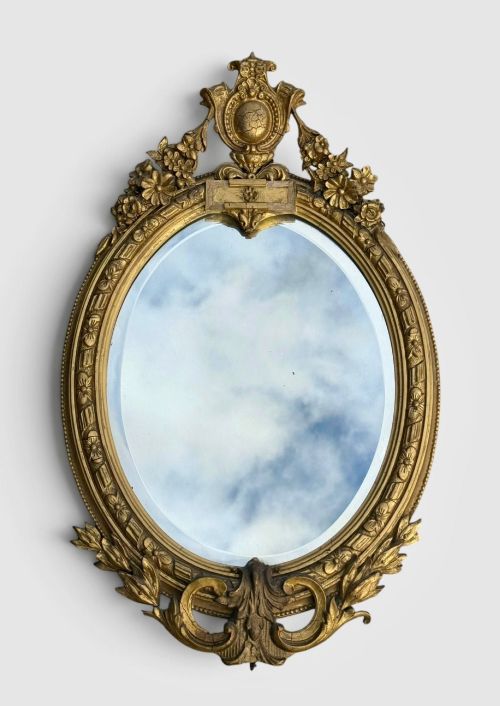
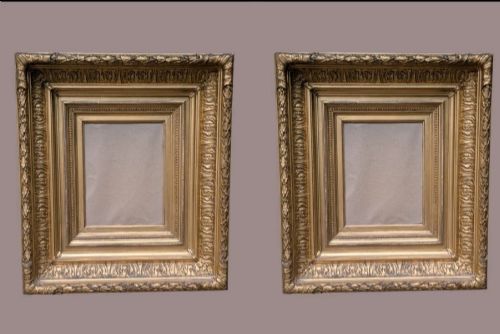
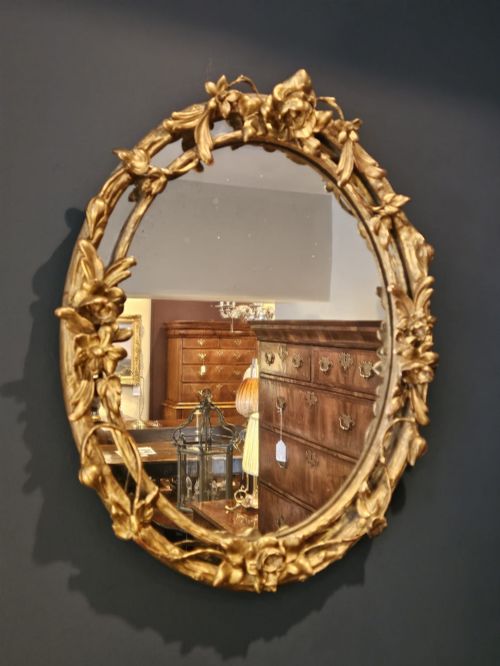
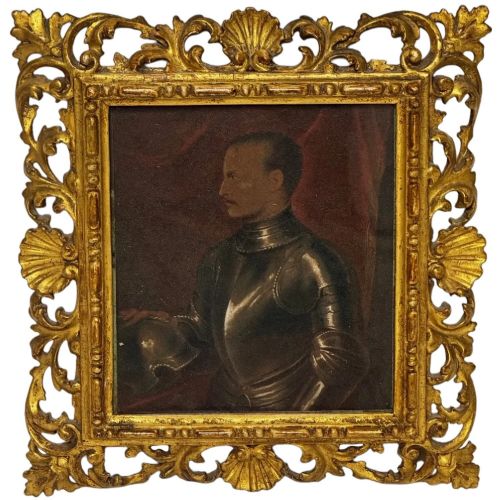
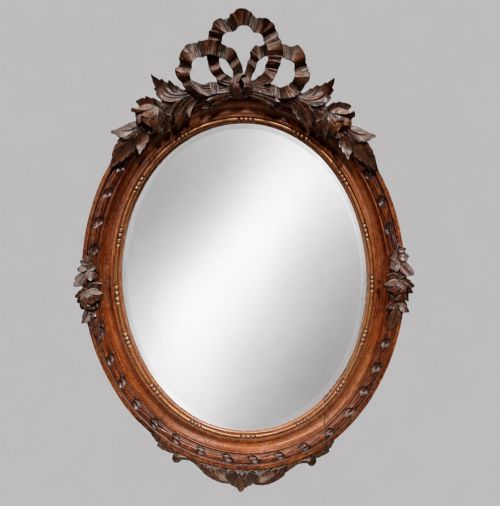
An ornate carved wood frame encompasses large wall mirrors, overmantels, pier glasses, and picture frames designed to anchor an interior scheme. The majority originate from the nineteenth century, drawing heavily on French and Italian Rococo revivals alongside English country house traditions.
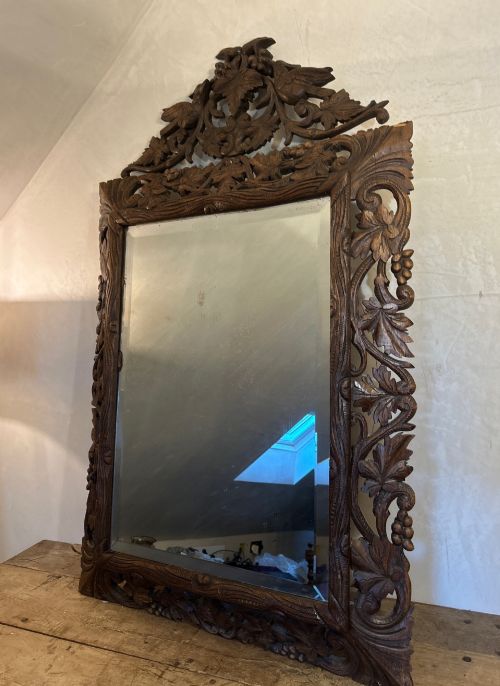
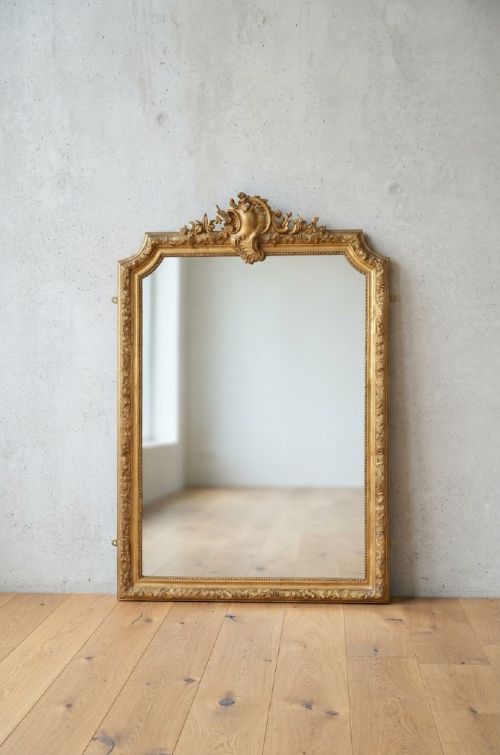
Makers and workshops across Britain, France, and Italy produced these pieces to command attention above fireplaces or along principal salon walls. Surviving examples range from rectilinear picture mouldings to expansive arched overmantels framed by carved vines, ribbon crests, and decorative masks.
How they were made
Cabinetmakers shaped the primary structure from timber such as oak, walnut, or pine, carving decorative flourishes directly into the wood grain. Artisans then applied layers of gesso - a mixture of chalk and binder - to build up high-relief scrolls and floral motifs before smoothing the surface for gilding.
Finishes relied on gold leaf applied over bole, or utilised oil gilding and painted pigments, sometimes paired with olive green or distressed white grounds. Plates of glass were secured into the back, occasionally featuring foxing or antique bevelled edges appropriate to the period.
Several frames preserve olive green paint beneath layers of gold leaf, proving that past owners could not resist giving their mirrors a stylish garden-inspired makeover.
What varies in quality
The depth and clarity of the hand-carved detail distinguish finer frames from simpler production pieces, particularly where undercutting creates true three-dimensional relief. Crisp definition in the gesso mouldings around corners and crests indicates skilled hand-tooling rather than cast composition ornament.
The integrity of the original surface finish, whether genuine gold leaf or period paint, dictates the visual authority of the piece. Surviving plates with natural foxing and original backboards retain historical honesty compared to later replacements.
Toussaint Gelton
The Ornate Carved Wood Frame Glossary
- Gesso
- A plaster-like preparation applied to wood frames to create a smooth base for carving or gilding. This mixture allows artisans to model sharp decorative details.
- Giltwood
- Timber that has been coated with thin sheets of gold leaf or gold paint. It reflects candlelight and daylight with a warm metallic lustre.
- Overmantel mirror
- A large horizontal looking glass designed specifically to hang above a fireplace mantelpiece. These frames often mirror the architectural proportions of the hearth below.
- Pier glass
- A tall, narrow mirror manufactured to hang on the wall space between windows. They frequently match console tables placed underneath.
- Foxing
- The brownish spots and age-related degradation appearing within the silvering of antique mirror glass. This chemical alteration proves the glass plate has considerable age.
Ornate Carved Wood Frame: Frequently Asked Questions
How do I hang a heavy overmantel mirror?
These frames carry significant weight from the timber, gesso, and glass plate combined, requiring attachment directly into wall studs or masonry. Professional mirror fixings and steel brackets distributed along the lower and upper frame ensure safe installation.
Position the frame at a height that reflects eye-level sightlines or architectural ceiling details when seated across the room.
Are the mirror plates original?
Many nineteenth-century frames retain their original glass, identifiable by slight distortions, minor surface bubbles, and scattered foxing marks. These traits confirm the plate has not been swapped for modern float glass during a previous restoration.
Replacement glass tends to look entirely uniform and lacks the characteristic softness of reflection found in older silvered plates.
What is the difference between Rococo and Rococo Revival?
Original Rococo pieces date from the eighteenth century, marked by asymmetrical scrolls, naturalistic shell motifs, and dynamic organic movement. Rococo Revival pieces emerged during the nineteenth century, reinterpreting those dynamic forms with heavier timber construction and denser gesso ornamentation.
Both styles share a fascination with exuberant curves, though nineteenth-century iterations frequently scale up dimensions for grander Victorian and Edwardian interiors.