




Gilt Wooden Picture Frame
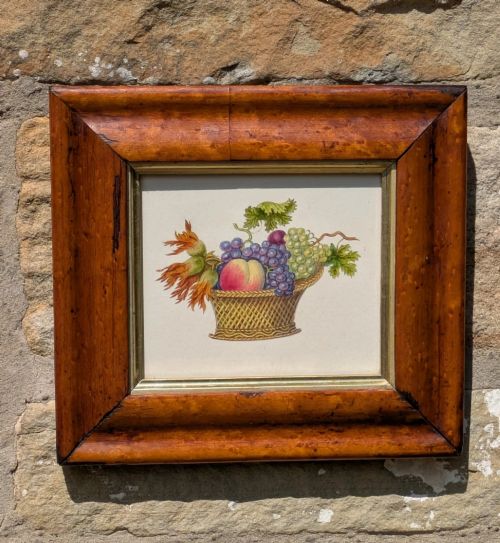
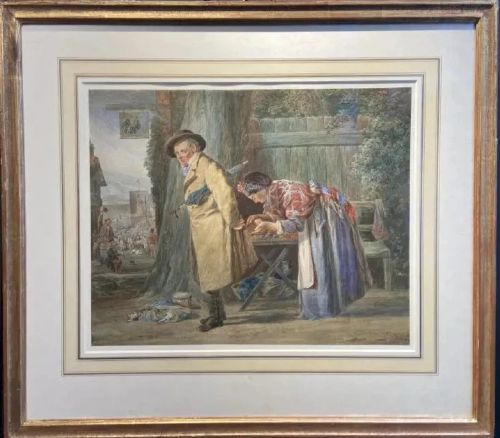
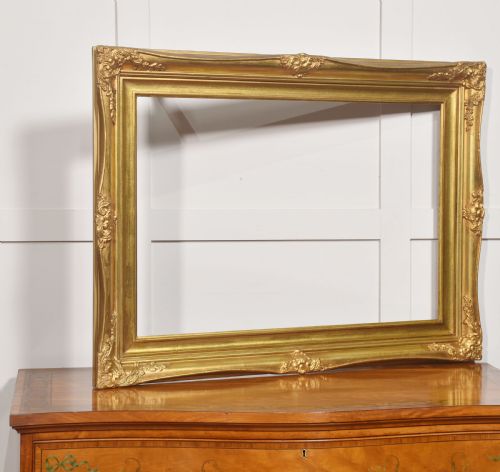
A gilt wooden picture frame brings warmth and gilded depth to walls, holding oil paintings, watercolours, and mirrors across diverse historic periods.
Gilt Wooden Picture Frame
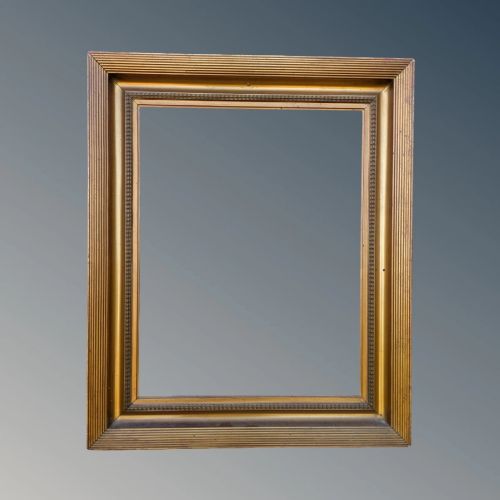
When you search for a gilt wooden picture frame, you are looking at moulded, carved, and gilded surrounds designed to house artwork and mirrors. These objects range from simple linear profiles to heavily ornamented housings created to display paintings, watercolours, and prints.
On this page, you will most frequently encounter pieces originating from the nineteenth century and the early decades of the twentieth century. Forms vary from compact display boxes and small portrait surrounds to expansive wall mirrors and large gallery-scale canvases.
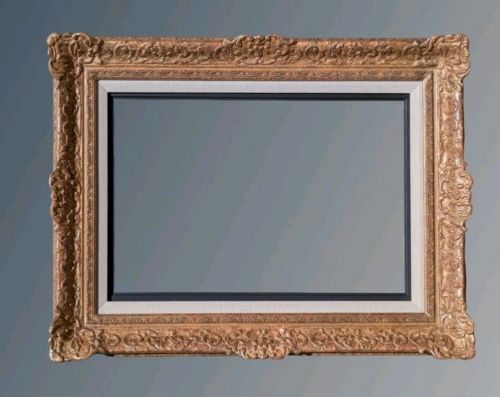
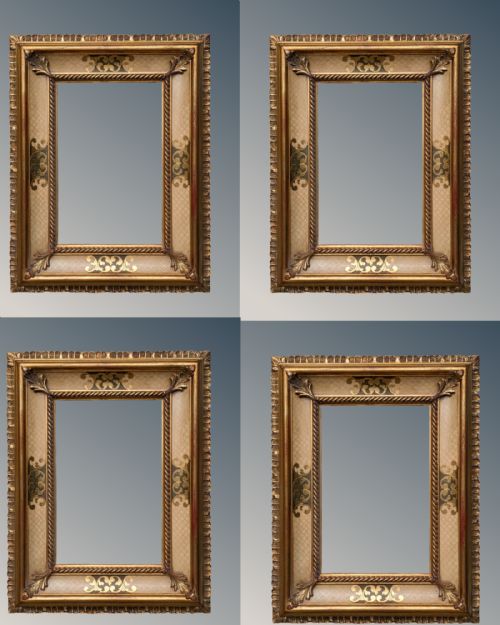
The aesthetic vocabulary spans classical revivals, rococo flourishes, French Montparnasse designs, and simple nineteenth-century timber mouldings. Each specimen reflects the interior taste and framing conventions of its specific period of manufacture.
How they were made
Makers built the structural core of each gilt wooden picture frame using timber, applying layers of gesso to create smooth surfaces or raised ornamental details for subsequent carving. Giltwood pieces received applications of gold leaf laid over bole, while other examples utilised direct gilding techniques.
Surface decoration frequently combined hand-carved wooden elements with moulded gesso compositions to achieve complex repeating patterns and corner ornaments. Joinery techniques varied from simple mitred corners to reinforced lap joints designed to support the weight of heavy oil paintings and glass.
A cork work diorama from the nineteenth century proves that makers would frame practically anything if the perspective was deep enough.
What varies in quality
The distinction between ordinary and superior pieces rests on the depth of hand-carving versus the uniformity of mass-produced compo mouldings. Superior examples display crisp definition in floral and scroll motifs where the gesso and gold leaf catch the light clearly.
The integrity of the underlying timber structure and the preservation of the original gold leaf surface dictate the standing of an individual piece. Heavy losses in the gesso or clumsy modern over-painting alter the visual harmony established by the original maker.
K & K Hof Atelier Pietzner
The Gilt Wooden Picture Frame Glossary
- Gesso
- A plaster mixture applied to wood frames to prepare the surface for gilding or painting. It provides a smooth base that artisans could carve into intricate decorative motifs.
- Giltwood
- Timber that has been covered with gold leaf. This material distinguishes genuine gilded items from those finished with metallic paint or bronze powder.
- Rebate
- The recessed ledge on the inner back edge of a frame designed to hold the glass, canvas, or panel securely. Its dimensions determine the maximum size of artwork the frame can accommodate.
- Montparnasse
- A distinct style of twentieth-century frame associated with artists' circles in Paris. These pieces typically feature simplified, inward-sloping profiles with subtle textural finishes.
- Rococo
- An ornate design style characterised by asymmetrical curves, C-scrolls, and naturalistic plant motifs. Frames in this taste emphasise theatrical movement and sculptural richness.
Gilt Wooden Picture Frame: Frequently Asked Questions
How do I date a gilt wooden picture frame?
Dating relies on examining the timber species, the composition of the gesso layer, and the style of the corner decoration. Earlier nineteenth-century examples often feature hand-carved wooden details, whereas later pieces tend to use moulded gesso.
Changes in framing proportions and the backing materials also offer reliable clues to the decade of manufacture. Comparing the rabbet construction and tool marks helps separate nineteenth-century craft methods from twentieth-century production.
Can I use these frames for modern art?
Many collectors pair antique gilt frames with contemporary paintings or minimalist prints to create a striking contrast of eras. The visual weight of a heavily gilded moulding anchors stark modern compositions effectively.
Ensure the interior rebate dimensions match the thickness of your canvas or panel before mounting. Simple nineteenth-century timber profiles work particularly well with muted abstracts and neutral watercolours.
How should I clean a gilded surface?
Dusting requires only a soft, dry artist's brush or a gentle feather duster to remove particles without disturbing delicate gesso corners. Avoid commercial liquid cleaners, water, or chemical solvents entirely.
Moisture can penetrate microscopic cracks in the gesso and lift the gold leaf from the wood substrate. Professional conservation is necessary if the surface requires deeper intervention.