



Impressionist Painting Frame
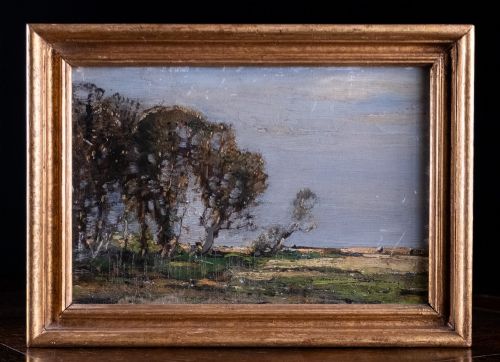
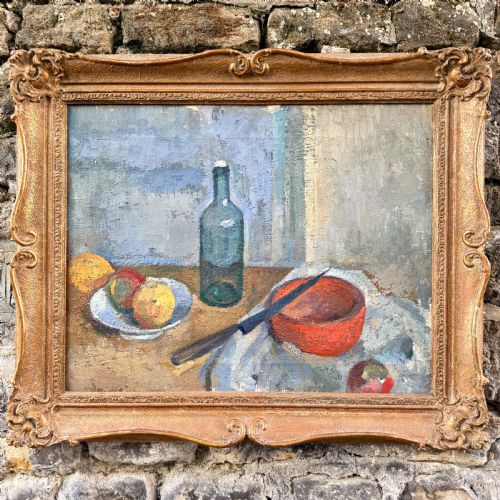
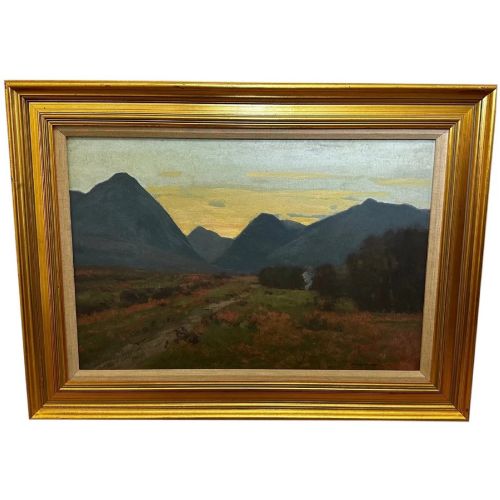
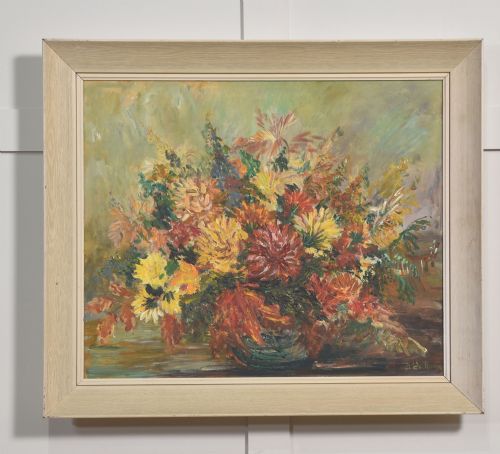
Impressionist painting frame options bring together oil on canvas artworks and watercolours from the nineteenth century to later than nineteen sixty.
Impressionist Painting Frame
When someone searches for an impressionist painting frame, they seek works connected to the impressionist and post-impressionist movements, alongside related styles such as modern british and scandinavian realism. These pieces span the nineteenth century, the early decades of the twentieth century, and mid-century periods.
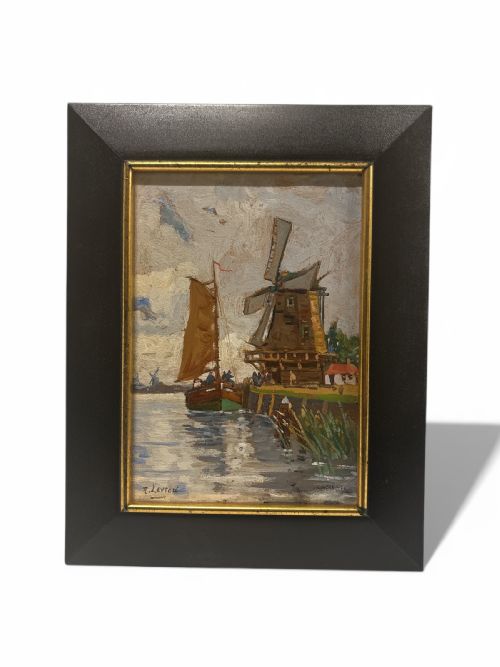
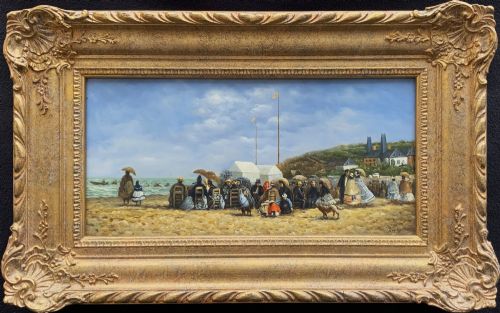
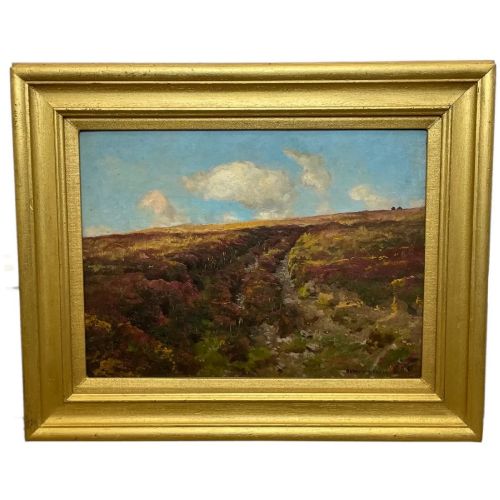
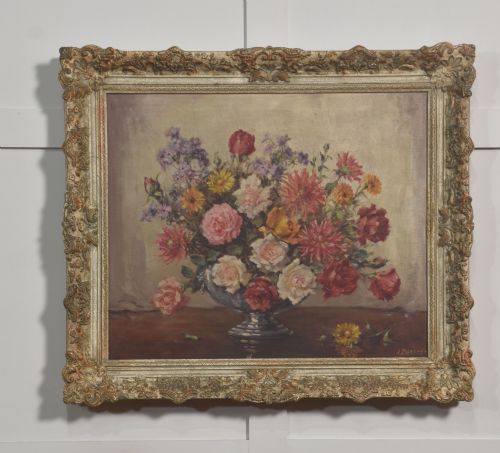
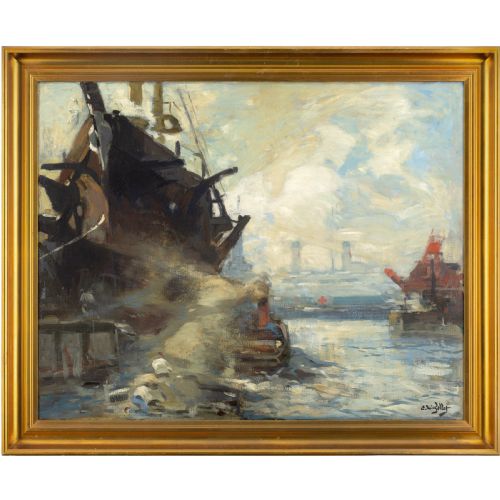
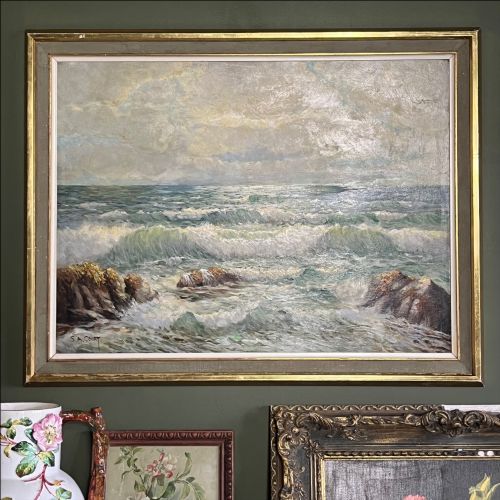
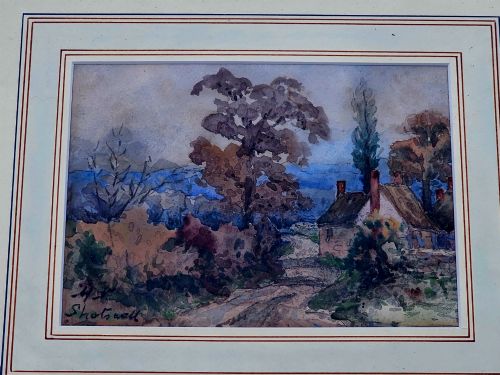
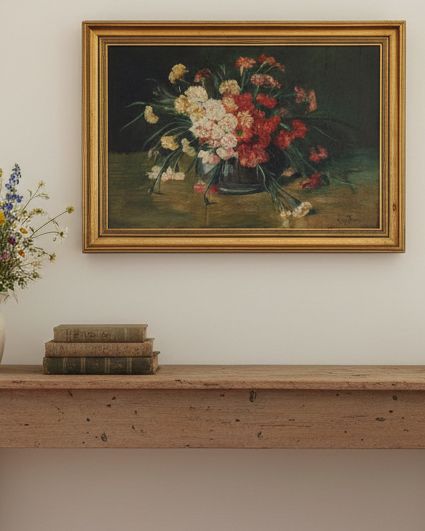
The selections encountered here comprise oil paintings, watercolours, and fine art on canvas or board. Subjects range from coastal landscapes and marine scenes to floral still-lifes and pastoral views.
How they were made
The works rely upon oil paint and watercolour applied to canvas, board, and paper supports. Many employ en plein air techniques to capture transient light and weather effects.
Framing materials commonly include wood and gilt wood, which complement the painted surfaces. These mediums reflect the standard practices of artists working across the nineteenth and twentieth centuries.
The listings span periods from the nineteenth century through the nineteen sixties and beyond, utilising wood, canvas, and gilt materials.
What varies in quality
Distinctions in quality arise from the handling of light, brushwork confidence, and compositional balance within the painted surface. Stronger examples display a distinct mastery of colour harmony and atmospheric depth.
The condition of the support and the integrity of the associated frame also influence the overall character of the piece. Works that retain their original framing materials often present a more unified historical appearance.
R Leyton·Clifford Hanney·Arthur Wardle·Eugène-Louis Gillot·Kershaw Schofield·George Houston·James Kay·Augusto Alberici·Gabriel Mathieu·Arthur Gué·Henry Silkstone Hopwood·Charles Houben·John Lübschitz·Lucy Pratt·Antonio DeVity·Clive Browne·Paul Bret·Konstantin Stoitzner·Emma Fordyce MacRae
The Impressionist Painting Frame Glossary
- En plein air
- Painting outdoors to capture natural light and direct observation. This method defines much of the impressionist approach.
- Post-Impressionism
- An artistic movement following impressionism that explored emotional and structural elements. Artists extended impressionist techniques with bolder forms.
- Gilt wood
- Wood coated with a thin layer of gold leaf or gilt. This material frequently frames nineteenth and twentieth-century paintings.
- Board
- A rigid flat panel used as a support for painting. It provides a sturdy alternative to stretched canvas.
Impressionist Painting Frame: Frequently Asked Questions
What is an impressionist painting frame?
An impressionist painting frame houses artworks created in impressionist, post-impressionist, and related realist styles.
These pieces typically date from the nineteenth and twentieth centuries, featuring oil or watercolour mediums.
How are these paintings displayed?
These artworks are traditionally hung on interior walls as fine art and wall decor.
They pair oil and watercolour compositions with wood and gilt framing elements.
How do I identify the period?
Periods are identified through stylistic cues, artist signatures, and the materials used in both the painting and its frame.
Dates range from the nineteenth century through to mid-century modern works and later pieces.
What subjects appear in these works?
Common subjects include coastal landscapes, marine scenes, floral still-lifes, and rural farmyard views.
Artists often recorded these scenes directly from nature using en plein air techniques.