







Vintage French Artist Frame
These vintage french artist frame examples encompass oils, pastels, and oak easels spanning the late nineteenth to the mid-twentieth century.
Vintage French Artist Frame
When you search for a vintage french artist frame, you encounter a selection spanning from the late nineteenth century through to the mid-twentieth century. The listings on this page include oil paintings on canvas and paper, pastel drawings, lithographs, picture frames, and oak easels.
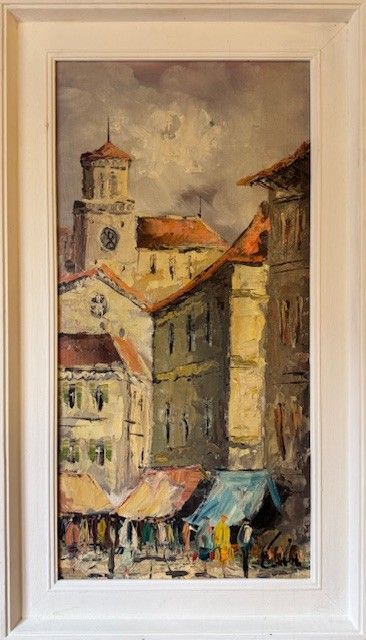
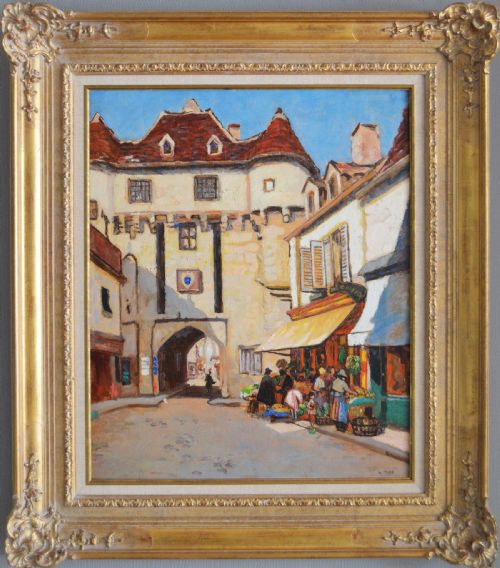
You are most likely to meet mid-twentieth century oil paintings and post-impressionist or modernist canvases alongside works originating from French workshops and studios. The objects range from naive outsider art and intimate interior scenes to large Montparnasse frames and studio easels.
How they were made
The material evidence recorded in these listings centres on canvas, oil paint, wood, gesso, and paper. Works are constructed using traditional oil on canvas, watercolour and coloured pencil on paper, lithography, and carved wood for frames and easels.
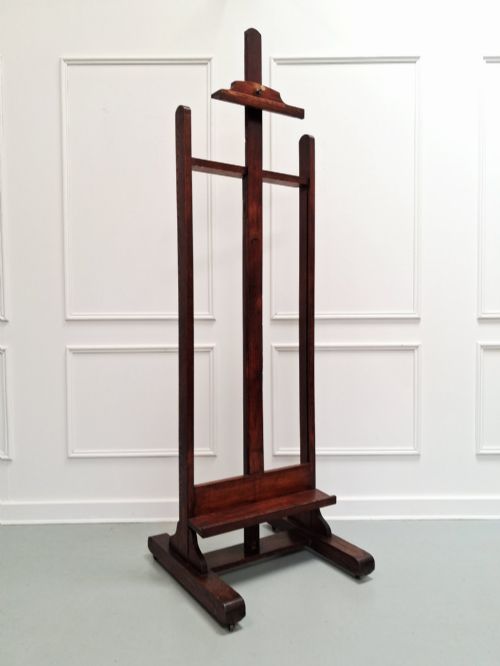
Makers utilised oak for structural studio furniture such as easels, while artists applied oil paint and pastels to stretched canvas, board, and heavy paper. Gesso application appears in the construction and finishing of period picture frames.
Vintage French Artist Frame Retail Price Guide 2026
Typical asking prices for vintage french artist frame among the pieces listed under this phrase on Sellingantiques today, from the lower quarter to the upper quarter. They describe what is for sale here now, not the wider market.
Object forms on this page include oil paintings, pastel drawings, lithographs, picture frames, and studio easels.
What varies in quality
The standard of execution in these works depends on the dexterity of brushwork, the depth of the pigment layers, and the integrity of the support material. Oil paintings on canvas display varying degrees of painterly confidence and compositional harmony.
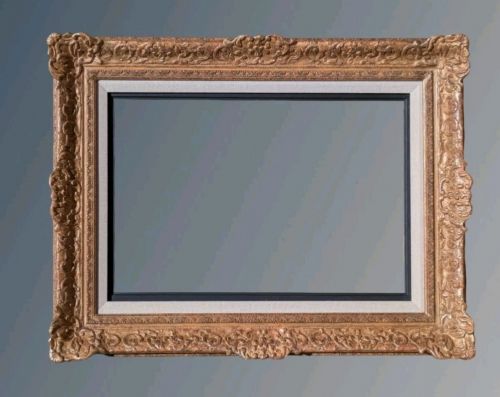
Frame and easel construction quality is determined by the joinery of the oak, the preservation of the gesso moulding, and the stability of the wood over time. Works by established regional artists or members of recognised groups present distinct technical execution compared to anonymous or naive outputs.
Alexandre Le Bihan·Raymond Picque·Jean Hardy·Jean Hippolyte Marchand·Irene Lagut·Maurice Asselin·Letitia Marion Hamilton
The Vintage French Artist Frame Glossary
- Montparnasse frame
- A style of picture frame associated with the Parisian art quarter, typically featuring distinctive stepped or panelled wooden moulding designed to complement modernist canvases.
- Gesso
- A plaster-like mixture applied to wood substrates or frames to create a smooth surface for gilding or painting.
- Post-Impressionism
- An art movement extending beyond impressionism that prioritised symbolic content, formal order, and expressive use of paint.
- Lithograph
- A print made from a design drawn on a flat stone or metal plate, utilising the mutual repulsion of oil and water.
Vintage French Artist Frame: Frequently Asked Questions
What periods do these pieces cover?
The pieces span from the late nineteenth century through the 1920s, 1930s, 1940s, and up to the 1960s. They capture various movements including post-impressionism, art deco, and mid-century modernism.
Items range across decades of French and European artistic production, reflecting changing studio practices and aesthetic preferences.
How were antique French easels used?
Oak easels served as functional studio furniture for supporting canvases while artists painted. They were built robustly from oak to hold heavy framed works and allow adjustable height.
In contemporary settings, these easels function both as display stands for artwork and as decorative wooden furniture.
How do I identify a naive art painting?
Naive art paintings are characterised by a simplified perspective, direct use of colour, and an absence of formal academic training by the maker. They often depict everyday village scenes, landscapes, or domestic interiors.
These works rely on personal expression and charm rather than strict adherence to classical drawing rules.