

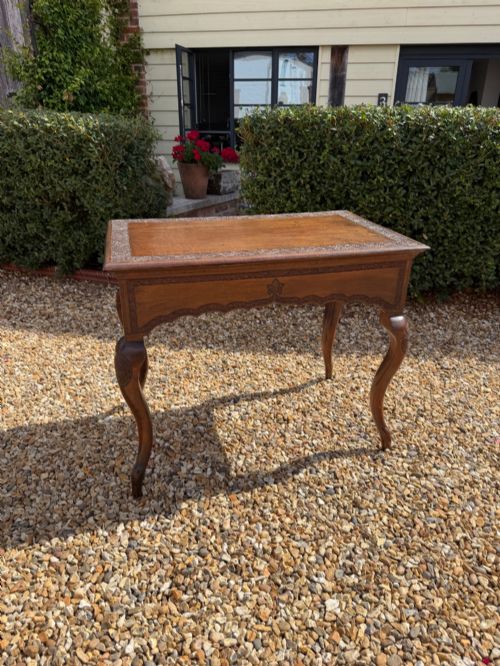
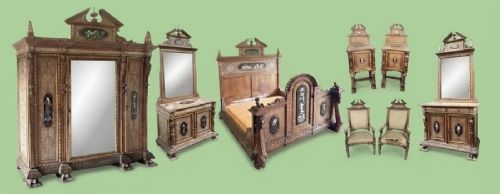


Ornate Carved Walnut Table
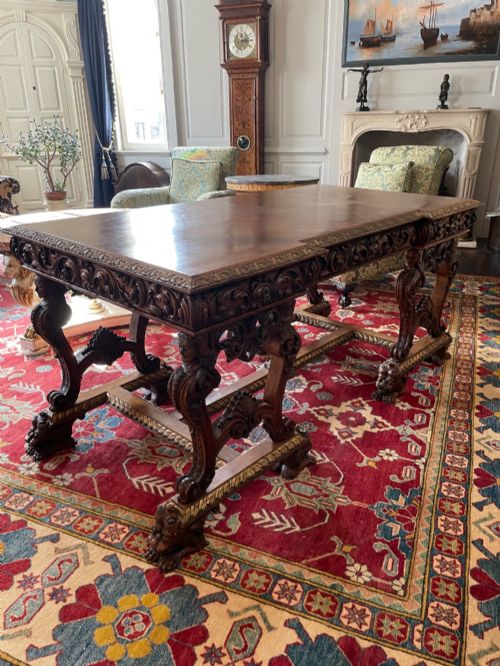
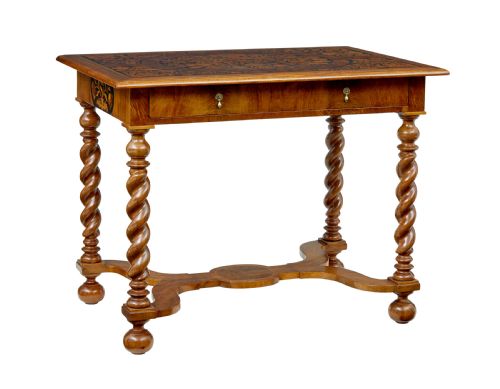
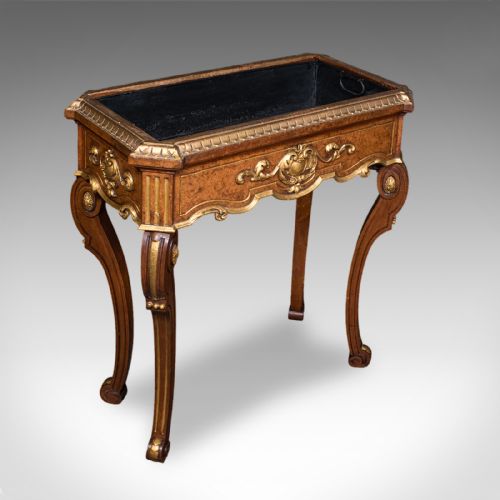
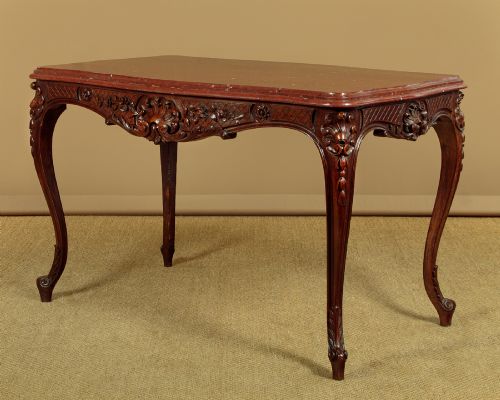
An ornate carved walnut table brings dense timber figures and deep relief carving into a room, offering both a solid surface and rich decorative presence.
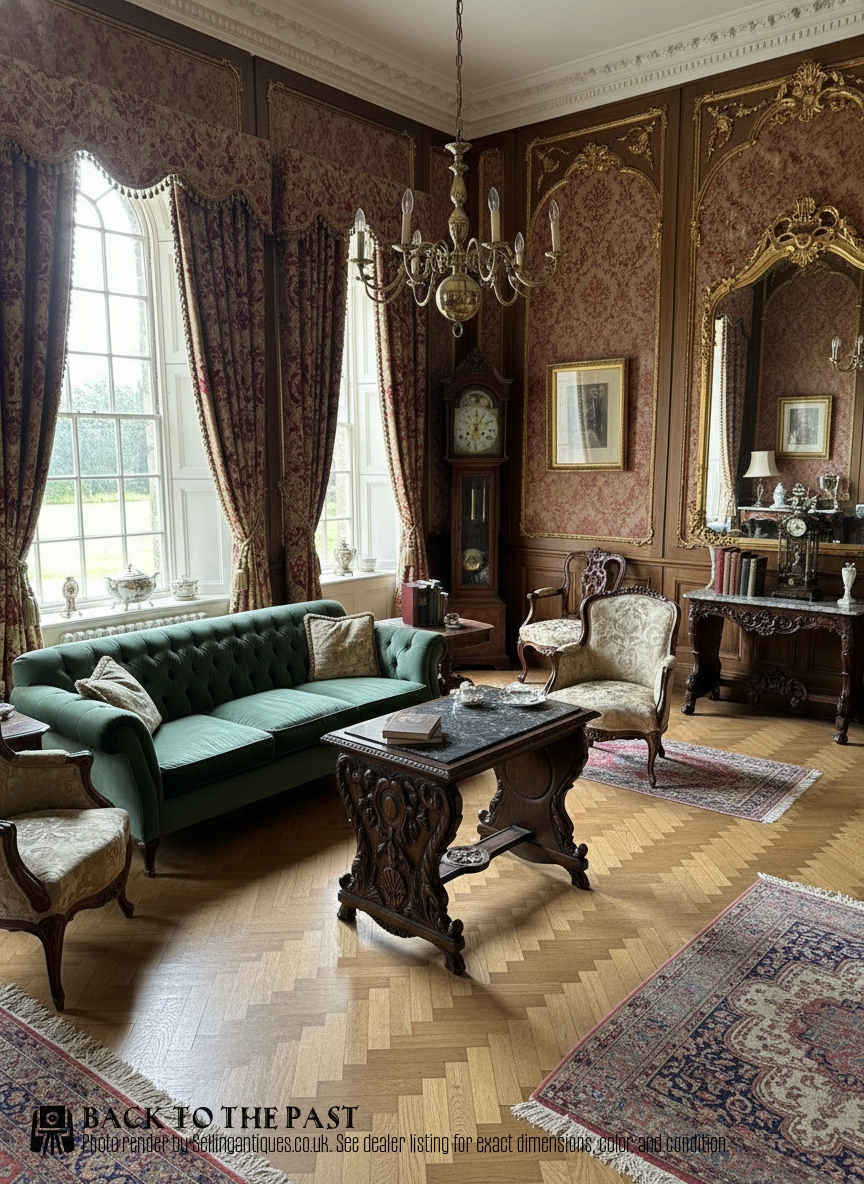
Ornate Carved Walnut Table
When you search for an ornate carved walnut table, you encounter a variety of forms designed for formal rooms, including centre tables, console tables, coffee tables, and occasional tables.
The selections span several periods, featuring 19th-century interpretations alongside earlier revival styles, French Rococo revival pieces, and Anglo-Indian work.
Surfaces frequently incorporate burr walnut, rouge marble tops, glass, or fabric inserts, while the overall construction relies primarily on solid walnut timber.
Distinctions in quality and execution
The depth and crispness of the hand carving separate mass-produced items from pieces executed by skilled hands.
The selection of the timber veneer, particularly figured burr walnut, dictates the visual impact of the top surface.
The integration of secondary materials like inset marble or ormolu mounts reflects the original cost and ambition of the piece.
Ornate Carved Walnut Table Retail Price Guide 2026
Typical asking prices for ornate carved walnut table among the pieces listed under this phrase on Sellingantiques today, from the lower quarter to the upper quarter. They describe what is for sale here now, not the wider market.
Cherubs occasionally peer out from carved Italian library desks, watching over the daily paperwork.
Waring & Gillows·Lenzkirch·Angiolo Barbetti Firenze
The Ornate Carved Walnut Table Glossary
- Burr walnut
- A veneer taken from the growth warts of walnut trees, yielding complex, swirling grain patterns. It is prized for decorative table tops.
- Console table
- A table designed to stand against a wall, frequently supported by brackets or console legs. They often feature matching wall mirrors.
- Centre table
- A freestanding table finished on all sides, intended to sit in the middle of a room. These frequently include carved walnut bases and marble tops.
- Ormolu
- Gilded bronze mounts applied to furniture for decorative contrast. It appears alongside walnut in French revival pieces.
- Rococo Revival
- A 19th-century style drawing on 18th-century French design, characterised by asymmetrical scrolls, naturalistic foliage, and C-scrolls.
Ornate Carved Walnut Table: Frequently Asked Questions
What is an ornate carved walnut table?
An ornate carved walnut table is a piece of furniture fashioned from walnut timber featuring detailed hand-carved ornamentation. These items include centre tables, console tables, and occasional tables dating mainly from the nineteenth century.
Such tables often incorporate decorative styles such as Rococo revival, Baroque, or Anglo-Indian design. They serve as functional surfaces while displaying complex woodwork and rich timber grain.
Where do these tables originate?
The pieces originate from various European and international workshops, with many examples reflecting French, Italian, and English cabinet-making traditions. Regional stylistic traits often define the carving motifs and secondary materials used.
Continental pieces frequently lean towards heavy Rococo revival scrollwork and marble inserts, while other pieces showcase specific regional carving techniques like those from Kashmir.
How do I care for a walnut table?
Walnut timber requires stable indoor humidity to prevent the wood from drying out or the veneer from lifting. Keep tables away from direct heat sources and strong sunlight.
Dust the carved areas regularly with a soft brush and clean the wood using traditional beeswax rather than modern silicone polishes. Protect marble tops from acid spills.
How do I identify the period?
Period identification relies on examining the construction methods, secondary timbers, and stylistic revival markers. Nineteenth-century pieces frequently emulate earlier George I or Rococo styles through revived ornamentation.
Tool marks, drawer construction, and the ageing of the walnut timber help separate original period pieces from later revivals. Hardware and mount construction also provide clear chronological clues.