

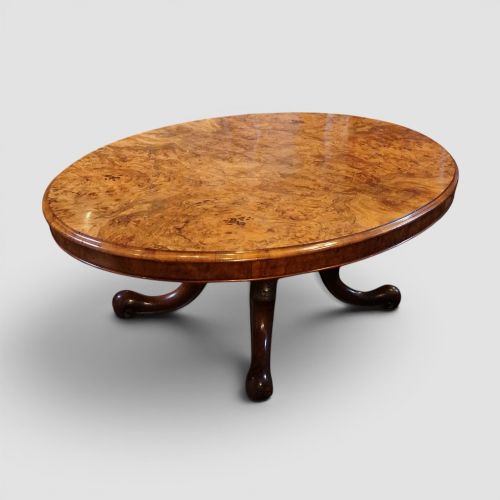


Victorian Walnut Cocktail Table
These Victorian walnut cocktail tables bring warmth and rich grain to a room, offering low surfaces designed for modern entertaining.
Victorian Walnut Cocktail Table
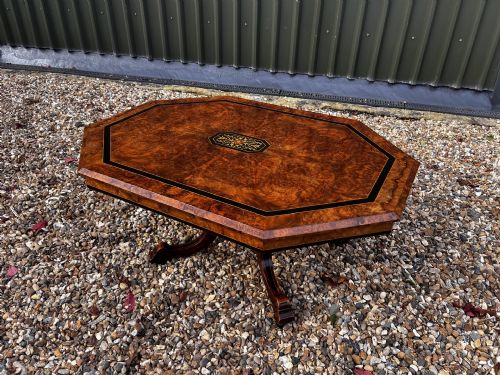
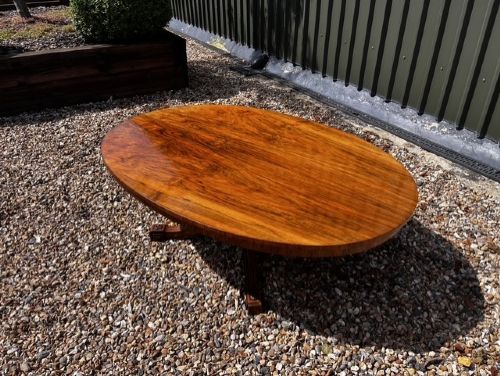
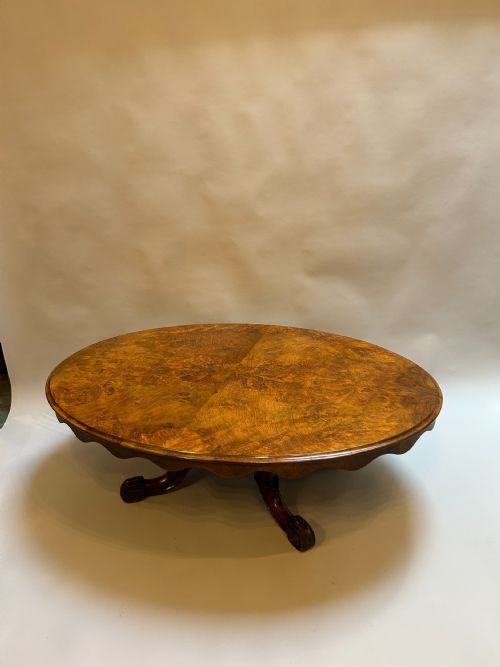
A Victorian walnut cocktail table bridges past craftsmanship and contemporary living, taking the form of low coffee tables, centre tables, and occasional tables. The pieces found here span the nineteenth century and into the early twentieth century, reflecting the tastes of Victorian, High Victorian, and Rococo Revival design.
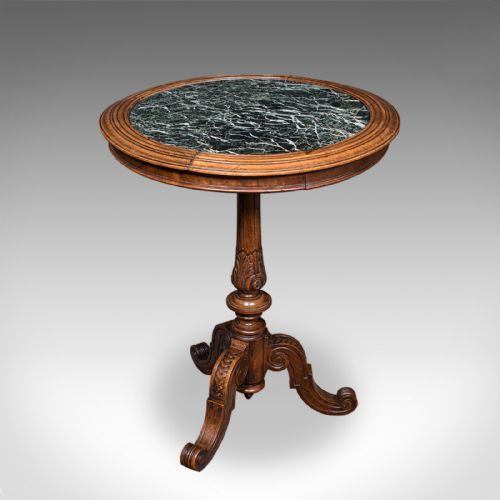
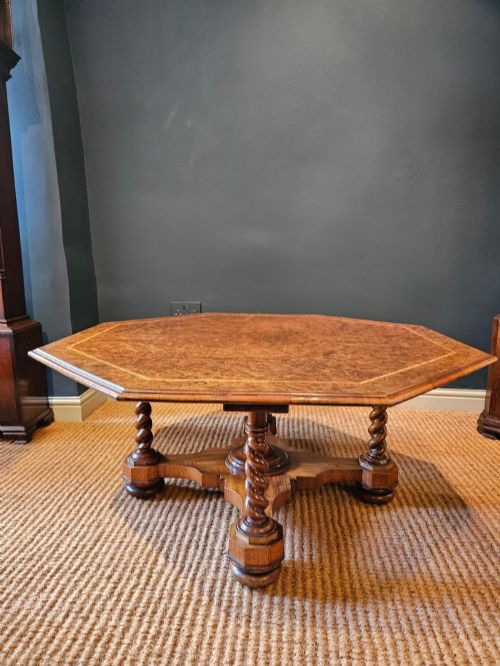
Most examples rely on the striking patterns of walnut and burr walnut timbers, often paired with marble tops or intricate carved details. While the selection includes variations such as octagonal tops and tripod bases, the core of the range focuses on low centre tables adapted for daily use.
How They Were Made
Cabinet makers utilised solid walnut and figured burr walnut veneers over secondary timbers to create rich, varied surfaces. Timber selection governed the aesthetic, with burr veneers offering dense, swirling grain patterns that caught the light.
Carved ornament and structural elements incorporated secondary materials such as boxwood stringing, brass fittings, and inset marble slabs. Some pieces combined period walnut tops with later cast iron bases, reflecting functional adaptation over time.
Victorian Walnut Cocktail Table Retail Price Guide 2026
Typical asking prices for victorian walnut cocktail table among the pieces listed under this phrase on Sellingantiques today, from the lower quarter to the upper quarter. They describe what is for sale here now, not the wider market.
One dressing table nursing chair snuck into the company of coffee tables, clearly hoping nobody would notice it forgot how to pour wine.
What Varies in Quality
The distinction between standard workshop production and top tier cabinet making rests in the selection of timber and the precision of the carving. Tables bearing documented maker attributions command attention for their superior joinery and balanced proportions.
Surface finishing and the integrity of the veneer work dictate the overall presence of the piece. Crisp, deep carving and carefully matched burr walnut veneers separate masterwork examples from simpler commercial outputs.
Holland & Sons Of London·Gillows of Lancaster
The Victorian Walnut Cocktail Table Glossary
- Burr walnut
- A prized veneer sliced from walnut tree growths, producing intricate, swirling grain patterns. It provides a highly decorative surface for table tops.
- Rococo Revival
- A nineteenth century design style drawing on asymmetrical scrollwork, naturalistic motifs, and flowing curves. It appears frequently in carved frames and table bases.
- Tripod base
- A three-legged support structure often utilised on round or octagonal occasional tables. This configuration ensures stability on uneven floors.
- Boxwood
- A dense, pale wood employed for fine inlay work and contrasting stringing lines. It highlights the edges and geometric borders of table tops.
Victorian Walnut Cocktail Table: Frequently Asked Questions
What defines a Victorian walnut cocktail table?
These tables are low timber surfaces originating from the nineteenth century, typically constructed from walnut or burr walnut. They often feature carved details, pedestal bases, or marble inserts.
Originally serving other domestic purposes such as centre or decanter tables, their low height makes them suited for use as coffee tables today.
How do I care for a walnut surface?
Walnut benefits from occasional polishing with a traditional beeswax to nourish the timber and maintain a soft lustre. Avoid placing tables near direct heat sources or strong sunlight to prevent the wood from drying.
Use coasters under glasses and wipe spills promptly to protect the polished finish and delicate veneers.
Are marble tops original to these tables?
Many Victorian tables were paired with marble inserts to provide a durable, heat-resistant surface for serving drinks or displaying decorative objects. Italian marble was frequently imported for this purpose.
Inspection of the rebate and surrounding timber helps confirm whether the stone slab is an original feature of the piece.
How do I distinguish 19th century work from later copies?
Nineteenth-century construction methods rely on hand-cut joints, timber shrinkage patterns, and traditional polishing techniques like French polish. Examining the underside reveals the age of the wood and the construction approach.
Later adaptations, such as modern cast iron bases fitted to period tops, show distinct assembly methods that differ from original workshop standards.