


Ornate Brown Cabinet
An ornate brown cabinet brings warmth and intricate woodwork to a room, offering both display space and practical storage.
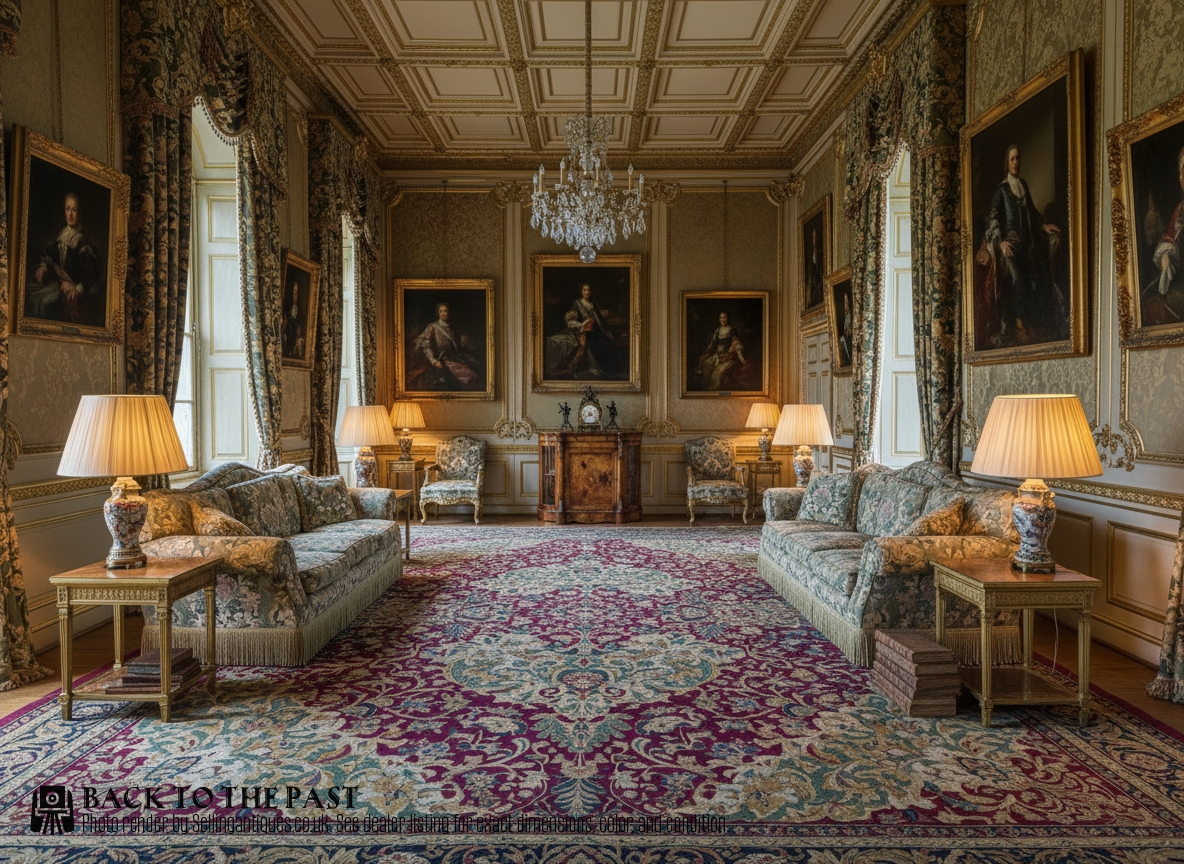
Ornate Brown Cabinet
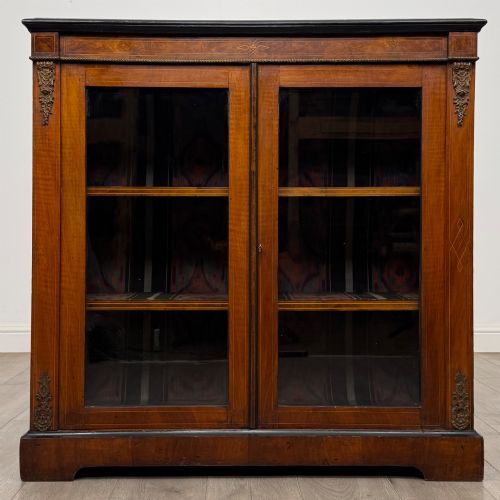
When searching for an ornate brown cabinet, buyers encounter a diverse selection of furniture spanning the nineteenth and early twentieth centuries, including Victorian, Edwardian, and revival styles. These pieces range from display cabinets and pier cabinets to sideboards, credenzas, and specialised writing desks.
The walnut and oak construction dominates the listings, frequently enriched with burr walnut, kingwood, or tulipwood banding. Many examples originate from French workshops or English cabinetmakers, incorporating glass panels, brass fittings, and detailed carving.
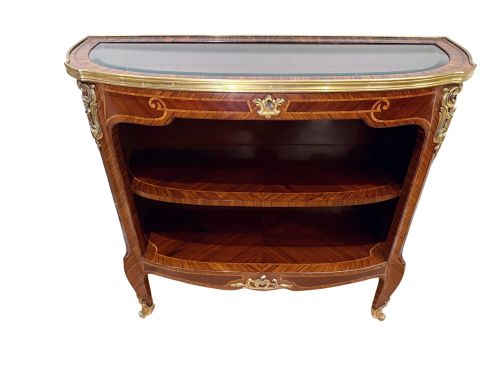
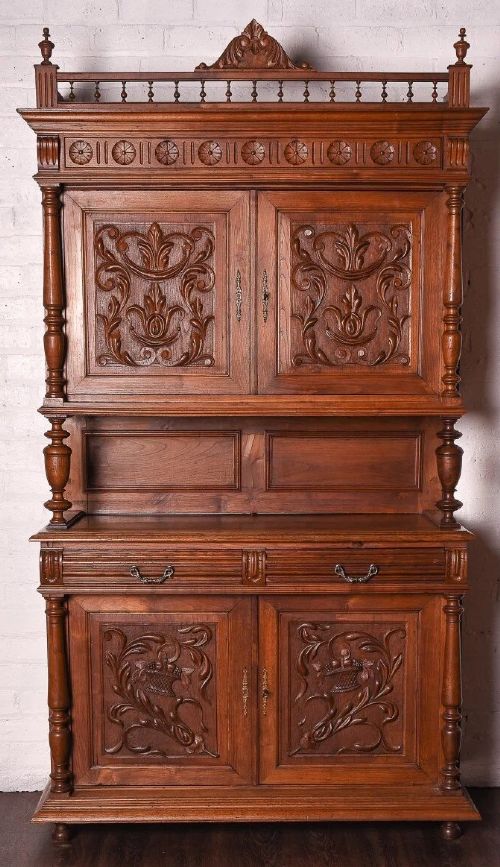
The most common forms on this page include walnut credenzas with ormolu mounts, carved oak cupboards, and French marquetry secretaires. Each type reflects the revival movements of the Victorian era, drawing inspiration from Louis XV, Renaissance, and Rococo designs.
What varies in quality
The standard of carving and inlay work distinguishes standard production from exceptional craftsmanship, particularly on pieces featuring figural motifs or elaborate marquetry. Crisp, deeply carved foliage and precise veneer alignment indicate superior workshop output.
The integration of metal mounts and internal fittings also dictates the grade of the piece, with heavy cast ormolu and fitted writing drawers elevating the design. The choice of burr walnut or figured timber veneers further separates standard cabinetry from exhibition pieces.
Listings feature periods spanning from the early nineteenth century to the twentieth century, with Victorian pieces dominating the selection.
Waring & Gillows·Paul Sormani
The Ornate Brown Cabinet Glossary
- Ormolu
- Gilded bronze or brass mounts applied to furniture for decoration. This technique was widely utilised during the nineteenth century on French and Victorian revival cabinets.
- Marquetry
- The art of applying thin veneers of different woods to a structure to create pictorial designs. Cabinetmakers used contrasting timbers like boxwood to achieve detailed patterns.
- Pier cabinet
- A low freestanding cabinet designed to fit against the wall space between windows. These pieces often feature glass doors and velvet-lined interiors for display.
- Credenza
- A large decorative cupboard or sideboard featuring doors and open or glazed central sections. Victorian examples frequently incorporate elaborate ormolu mounts and marquetry.
- Burr walnut
- Timber taken from a tree growth that produces intricate, swirling grain patterns. It was prized by cabinetmakers for high-status veneer work.
Ornate Brown Cabinet: Frequently Asked Questions
What rooms suit an ornate brown cabinet?
These cabinets work well in living rooms, dining spaces, or studies where their rich wood tones and decorative mounts can anchor the interior scheme.
Their substantial presence and glass-fronted display areas also make them practical for showcasing collections while adding period character to a room.
How do I care for walnut furniture?
Regular dusting with a soft, dry cloth helps maintain the polished surface of the wood without damaging the delicate veneers or ormolu mounts.
Keeping the piece away from direct sunlight and sudden temperature changes protects the timber and prevents the marquetry from drying out.
How do I identify a Victorian credenza?
Victorian credenzas typically present a long, low profile with a central cupboard flanked by curved glass doors, often accented with brass or ormolu.
They frequently display figured burr walnut veneers and meticulous marquetry inlay reflecting the revival design trends of the period.