


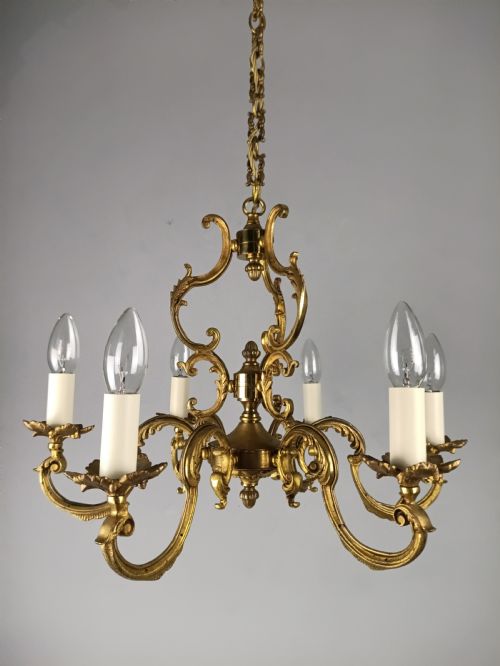


Ornate Bronze Pendant Light
An ornate bronze pendant light brings weight and rich historical character to a high ceiling.
Ornate Bronze Pendant Light
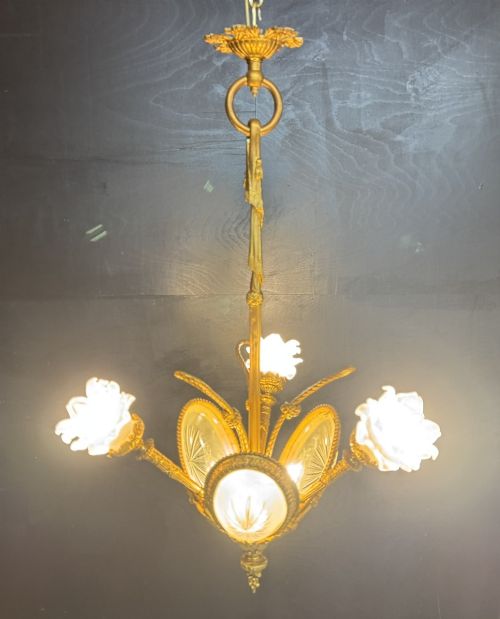
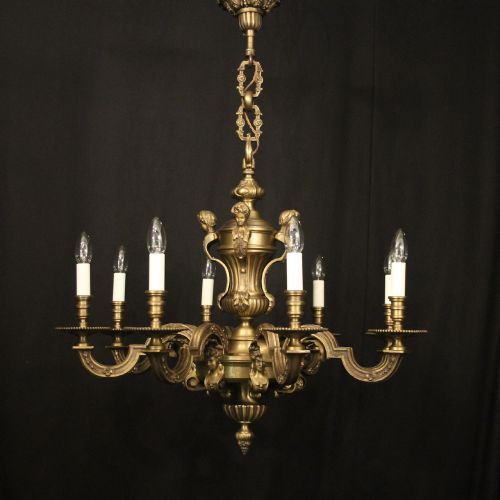
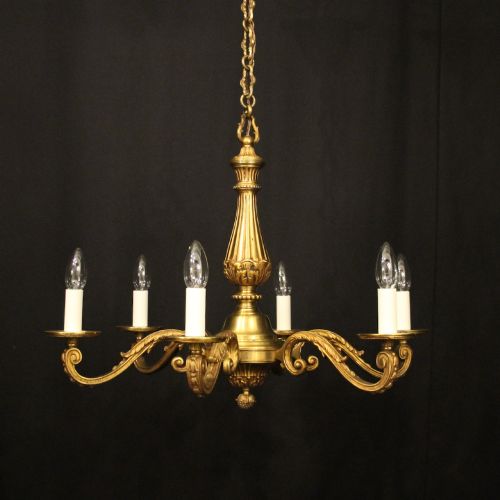
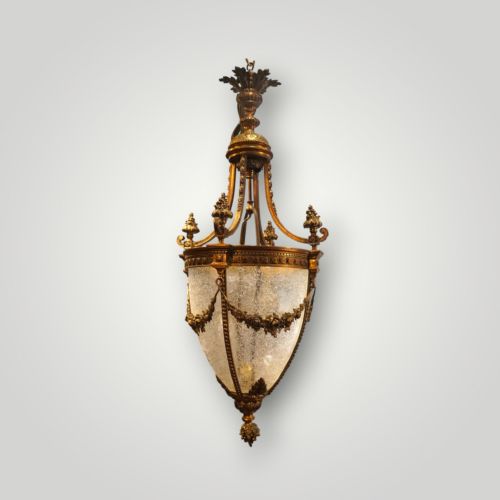
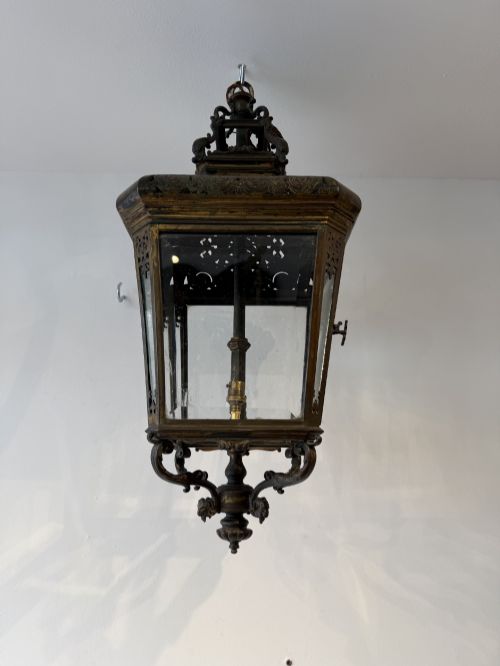
An ornate bronze pendant light is typically found taking the form of a French chandelier, hall lantern, or multi-armed ceiling light dating from the nineteenth century into the early twentieth century. Buyers seeking this phrase encounter heavy metal frameworks finished with gilding, ormolu, or patinated bronze, often suspended centrally in principal rooms. The selection heavily favours French designs encompassing Rococo, Neoclassical, Empire, and Gothic revivals.
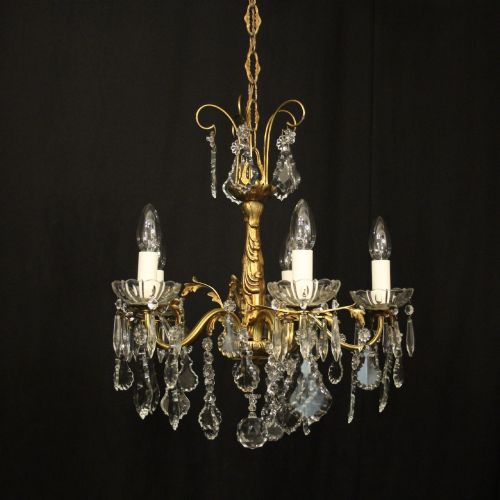
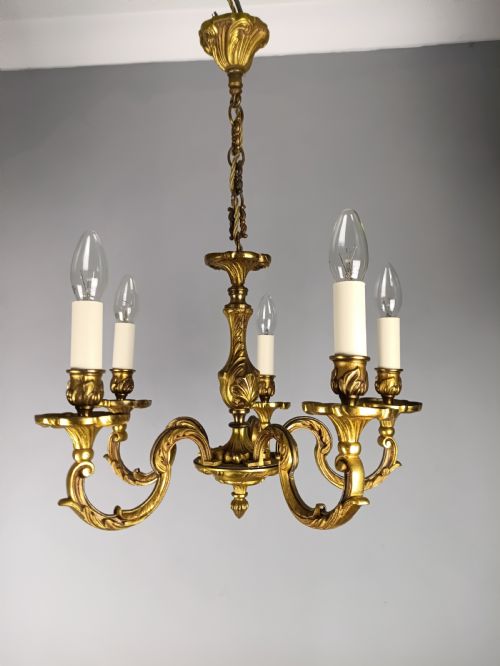
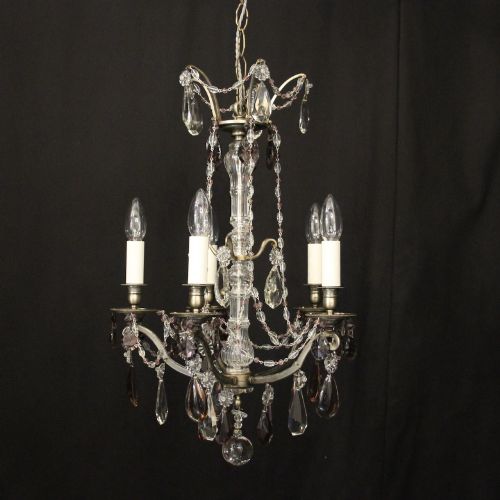
Most examples use multiple light branches ranging from five arms up to grander sixteen-light arrangements, occasionally complemented by crystal drops or cut glass elements. Hall lanterns appear regularly as enclosed box or cylindrical hanging lights designed for vestibules and corridors. These fixtures span periods from the eighteen-eighties through to nineteen-thirty, representing enduring European decorative styles.
What varies in quality
Quality rests in the crispness of the cast metal ornamentation and the depth of the original gilding or patination. Finer pieces display sharply chiselled foliage, figural details, and balanced proportions across all arms.
The weight of the bronze and the clarity of accompanying cut crystal or glass panels distinguish high-tier examples from simpler production. Maker execution determines whether decorative mounts appear integrated and fluid or heavy and flat.
Ornate Bronze Pendant Light Retail Price Guide 2026
Typical asking prices for ornate bronze pendant light among the pieces listed under this phrase on Sellingantiques today, from the lower quarter to the upper quarter. They describe what is for sale here now, not the wider market.
Listings demonstrate a strong prevalence of French design influences, spanning Gilt Bronze, Ormolu, and Gilded Brass materials across various decades.
The Ornate Bronze Pendant Light Glossary
- Ormolu
- Gilded bronze produced by applying a mercury and gold amalgam to a bronze base and firing it. This technique creates a durable, luminous golden surface found on fine period light fittings.
- Plaffonier
- A ceiling-mounted light fixture that sits close to or flush against the ceiling surface. These often incorporate cut glass bowls held within ornate bronze or brass mounts.
- Hall lantern
- An enclosed hanging light fixture designed specifically for entrance halls and corridors. They frequently feature glazed sides held within a decorative bronze or brass frame.
- Gasolier
- A multi-branched hanging light fixture originally designed and piped for gas lighting before later conversion to electricity. They often possess sturdy central columns and heavy metal construction.
- Patination
- The natural or induced surface alteration of bronze and brass over time. A desirable patination shows depth and subtle tonal variation from age and handling.
Ornate Bronze Pendant Light: Frequently Asked Questions
How do I hang a heavy bronze chandelier safely?
Suspension requires fixing directly into ceiling joists or using a structural joist hanger capable of supporting the full weight of cast bronze and crystal components. Professional installation ensures the electrical wiring and ceiling hook match the load requirements.
Weight distribution must be balanced across the chain or rod fixings. Consulting an electrician avoids strain on older ceiling plaster.
Can these antique lights be rewired for modern bulbs?
Most period hanging lights have already undergone rewiring or can be adapted safely by a qualified electrician to accept standard modern lamp holders. This process preserves the original metal structure while meeting current electrical safety standards.
Internal channels within the arms allow wiring to remain hidden. Low-heat LED bulbs help protect fragile historic components from excessive thermal stress.
How do I clean gilt bronze and crystal parts?
Dusting with a soft dry cloth removes surface particles without disturbing the underlying metal finish or fragile gilding. Avoid harsh chemical cleaners that can strip ormolu or damage historic patination.
Crystal drops can sometimes be washed off the fixture in warm soapy water before being dried thoroughly. Care must be taken near aged electrical components during any maintenance.
What is the difference between gilt bronze and gilt brass?
Gilt bronze utilises a heavier copper-alloy base metal that accepts fine chasing and holds intricate cast details with great precision. Brass contains more zinc and generally feels lighter with a slightly different metallic grain.
Both materials received gold surface treatments, but bronze items typically command higher regard among collectors due to superior casting qualities.