


Tiered Brass Light Fixture
A tiered brass light fixture delivers multi-level illumination through stacked metal frames, combining functional height with decorative presence.
Tiered Brass Light Fixture
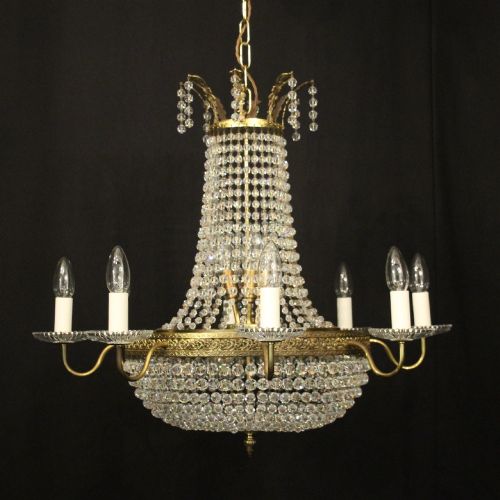
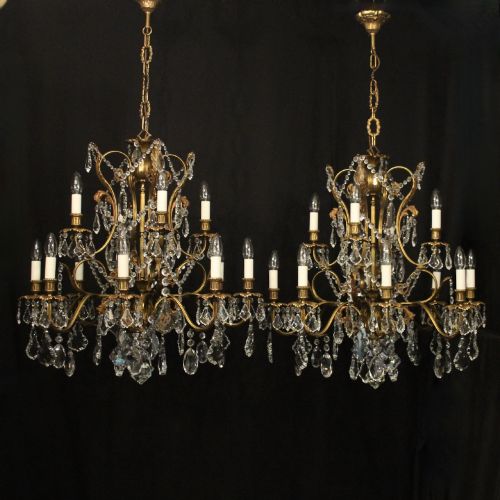
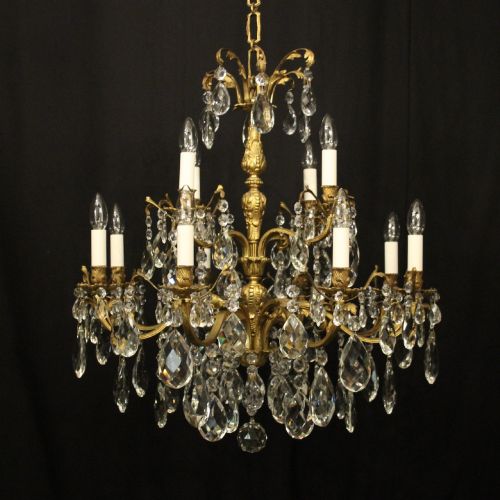
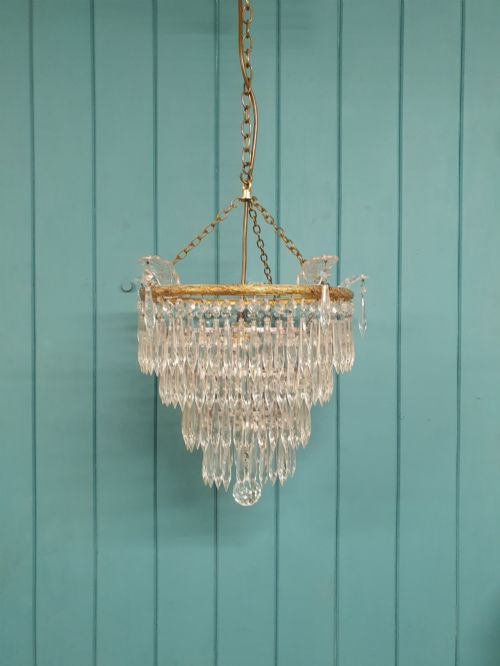
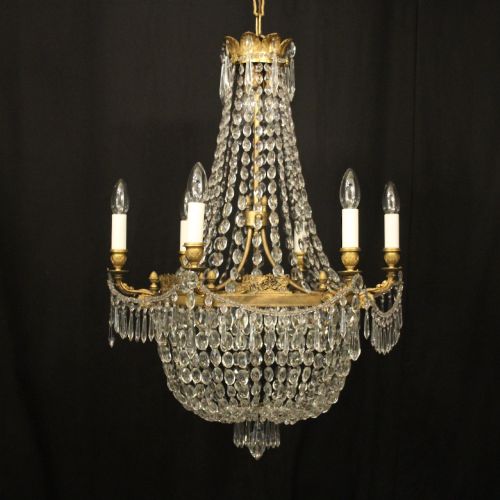
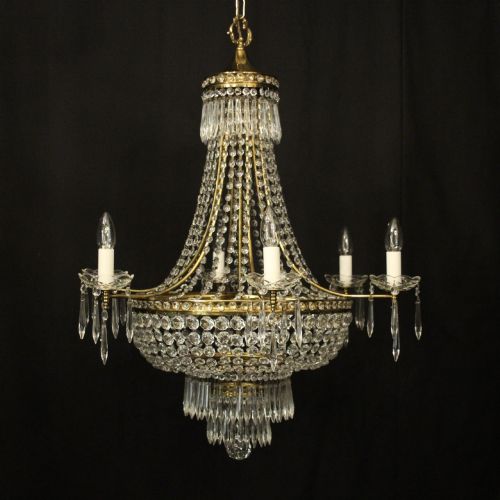
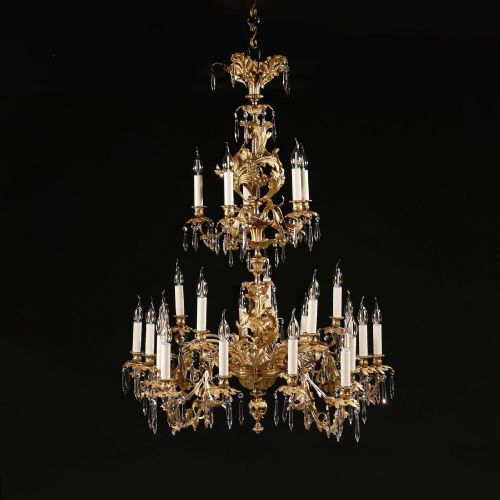
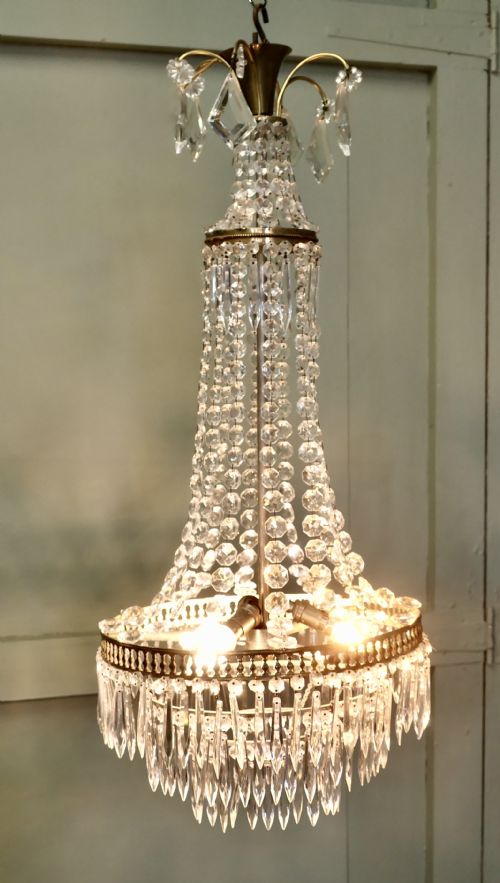
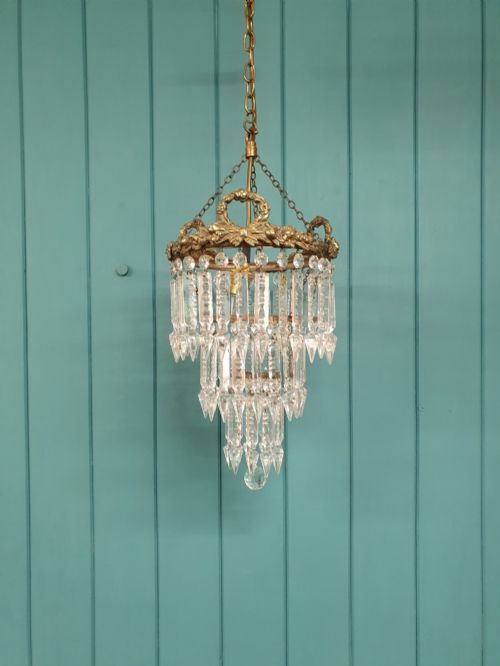
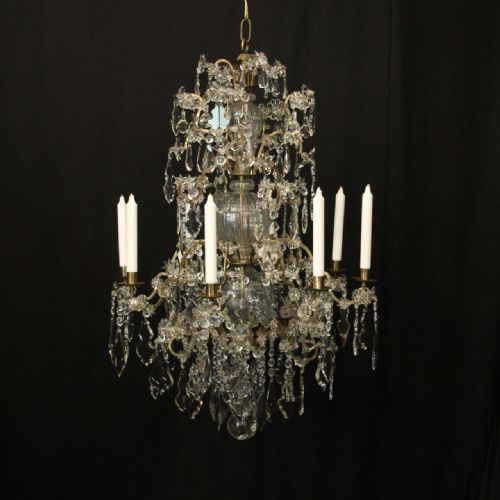
A tiered brass light fixture encompasses multi-level ceiling lights, chandeliers, and pendant lighting originating from periods spanning the eighteenth through the early twentieth century. Buyers encounter forms ranging from double-tiered French bronzes to multi-tiered Art Deco glass and metal compositions.
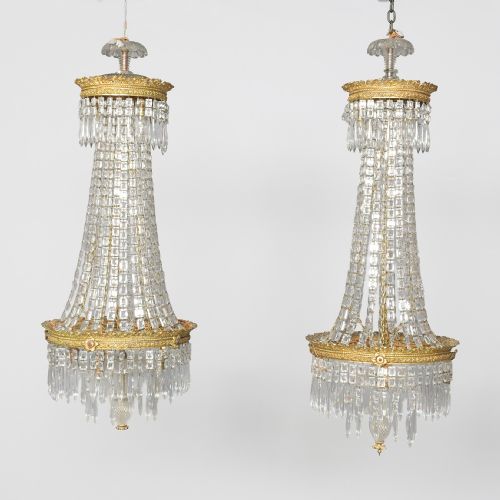
The selection includes specific regional interpretations such as Dutch brass designs, Italian neoclassical fixtures, and French empire style chandeliers. These pieces utilise tiered configurations to distribute multiple lights across distinct vertical levels.
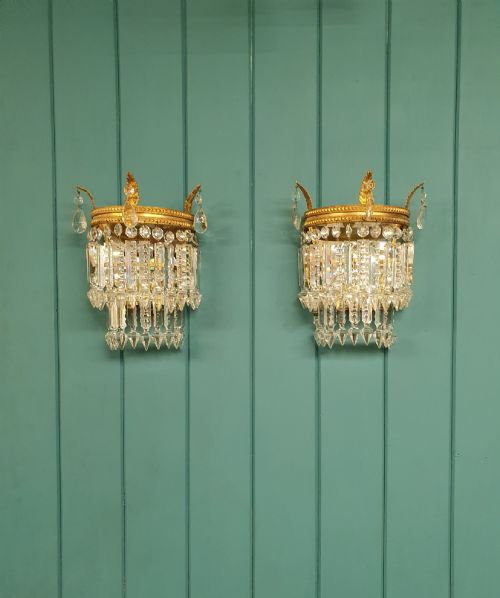
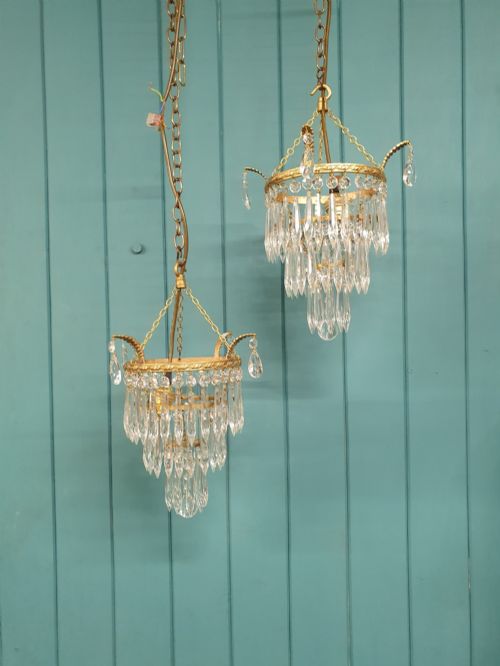
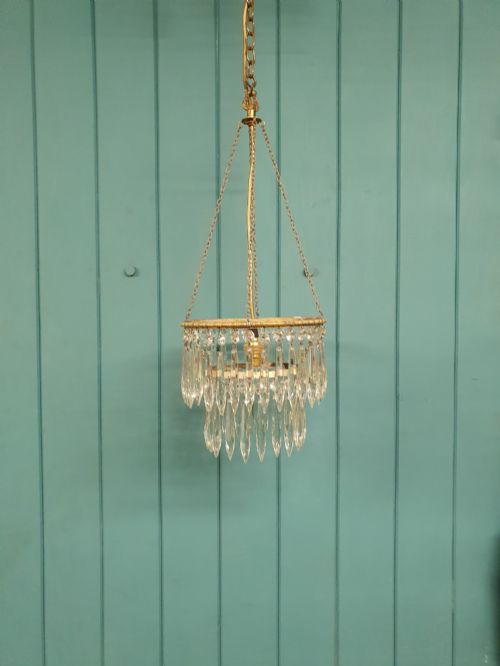
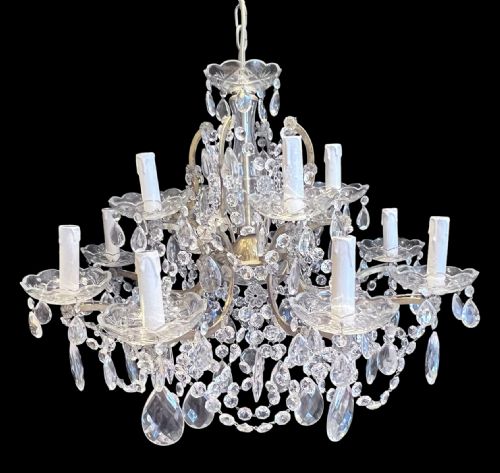
Smaller variations such as single-light plafonieres and compact lustre chandeliers appear alongside large ballroom fixtures carrying dozens of lights. The overarching category centres on brass and gilt metal frameworks arranged in cascading tiers.
Materials and Construction
Construction relies heavily on brass, copper, bronze, and gilt metal to form the structural tiers and arms that support the electrical or candle-burning components. These metal frameworks are frequently paired with glass, cut crystal, and lustre drops suspended from the tiers.
Manufacturing techniques involve casting bronze and brass elements, shaping metal frames into multiple tiers, and attaching delicate crystal glass drops, beads, and waterfall pendants. Artisans secured these glass components using wire and metal pins to create light-reflecting cascades across the fixture.
Tiered Brass Light Fixture Retail Price Guide 2026
Typical asking prices for tiered brass light fixture among the pieces listed under this phrase on Sellingantiques today, from the lower quarter to the upper quarter. They describe what is for sale here now, not the wider market.
The inventory encompasses styles from Dutch baroque and French empire to Edwardian and Art Deco variations.
Assessing Quality
Quality rests upon the weight and casting of the bronze or brass framework, distinguishing heavily cast, substantial frames from lighter constructions. The complexity of the tiered design and the integration of multiple light branches dictate the structural ambition of the piece.
The grade of the glass components also separates pieces, with finely cut crystal drops and beaded arms producing superior light refraction compared to plain pressed glass. The presence of mercury gilding or refined silver-gilt finishes indicates a higher tier of original manufacture.
The Tiered Brass Light Fixture Glossary
- Tiered
- Arranged in successive levels or rows one above another. This construction allows multiple light branches or crystal drops to spread vertically.
- Waterfall
- A cascading arrangement of glass drops or crystals resembling falling water. This style often softens the transition between the tiers of a fixture.
- Lustre
- A cut-glass pendant or hanging prism attached to a light fixture to catch and reflect light. These elements hang from the arms and tiers of period chandeliers.
- Electrolier
- A light fixture designed specifically for electricity rather than converted from gas or candles. The term frequently applies to pieces from the transition into the twentieth century.
- Gilt Bronze
- Bronze metal coated with a thin layer of gold or gold-coloured alloy. This material provides a durable, decorative surface for French and Italian frames.
Tiered Brass Light Fixture: Frequently Asked Questions
How do I clean a tiered brass light fixture?
Dust the metal frame and glass components gently with a soft cloth while avoiding harsh chemical cleaners that might strip the gilt or brass finish. Individual crystal drops can be wiped with a mild solution and dried thoroughly before replacement.
Support the fixture from its main structure when reaching upper tiers to prevent undue strain on the suspension points. Regular maintenance prevents dust accumulation in the intricate joints between tiers.
Are these fixtures wired for modern electrical systems?
Many period fixtures retain older internal wiring or require professional rewiring to meet current electrical safety standards before installation. Electricians can update internal components while preserving the exterior brass framework and original aesthetic.
It remains standard practice to have a qualified professional inspect and install heavier multi-tiered pieces to ensure adequate ceiling support.
What rooms suit a double tiered chandelier?
Double tiered and multi-tiered fixtures provide substantial vertical drop and wide light distribution, making them suitable for rooms with high ceilings. Entryways, dining rooms, and principal reception spaces accommodate the scale and height of these larger designs.
Smaller single-tier plafonieres or compact lustre chandeliers fit lower ceilings while maintaining the same metal and crystal vocabulary.
How can I tell the period of a brass light?
Dating relies on stylistic markers such as the restrained lines of eighteenth-century Dutch brass, the ornate gilt bronze of nineteenth-century French pieces, or the geometric tiers of Art Deco design. Examination of the casting quality, fastening methods, and glass cutting provides further chronological context.
Comparing the structural complexity and secondary materials against documented examples helps narrow down the decade of production.