



French Baroque Chandelier
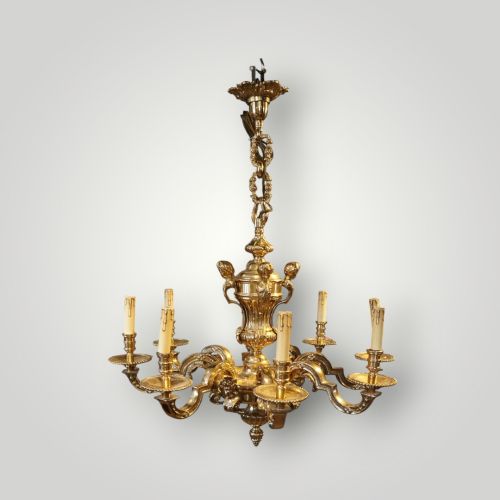
A french baroque chandelier brings dramatic presence to a high ceiling through grand proportions and rich metallic surfaces.
French Baroque Chandelier
A french baroque chandelier represents an opulent style drawing on classical motifs, ornate metalwork, and expressive forms designed to catch the light.
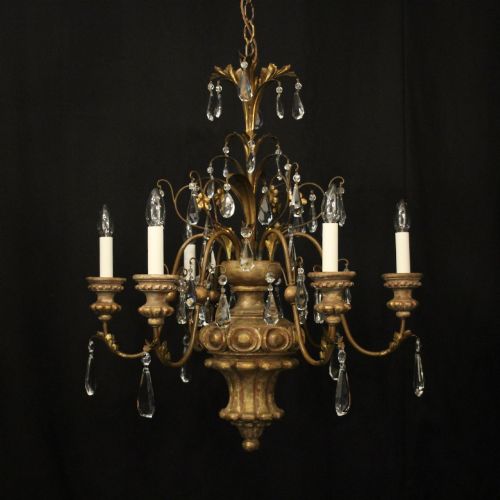
The versions most commonly met span the nineteenth century and subsequent revival periods, alongside related Florentine and chateau interpretations.
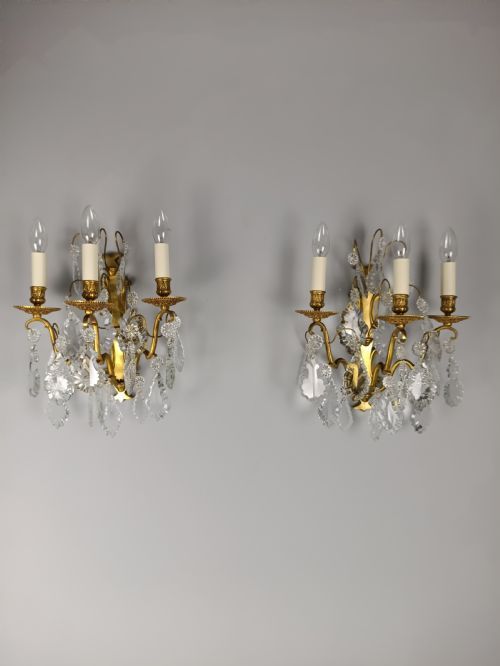
Pieces range from heavy multi-armed fixtures with numerous candle points to smaller lanterns and wall lights sharing the same decorative vocabulary.
How they were made
Construction relies on cast bronze, gilt metal, and wrought iron frameworks that provide structural support for intricate decorative elements.
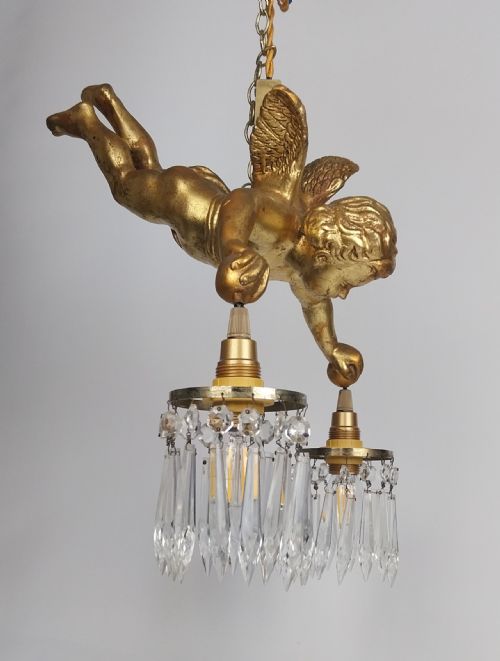
Surfaces frequently feature gilding on bronze, brass, or carved giltwood, complemented by glass drops and crystal components to amplify illumination.
French Baroque Chandelier Retail Price Guide 2026
Typical asking prices for french baroque chandelier among the pieces listed under this phrase on Sellingantiques today, from the lower quarter to the upper quarter. They describe what is for sale here now, not the wider market.
Listings feature materials including gilt bronze, wrought iron, and carved giltwood across nineteenth and twentieth-century periods.
What varies in quality
Quality shows in the crispness of the metal casting and the depth of the gilding applied across the bronze and wooden elements.
Finer examples display careful integration of crystal drops, winged figures, and structural arms that balance weight with ornamental detail.
The French Baroque Chandelier Glossary
- Gilt bronze
- Metal cast into ornamental shapes and coated with a layer of gold leaf or gilt finish. This technique creates a durable, lustrous surface seen across nineteenth-century frames.
- Pricket
- A sharp metal spike designed to hold a candle securely in place. These spikes appear on older candle-form chandeliers before socket adaptation.
- Giltwood
- Timber carved with decorative motifs and finished with a gold surface layer. It offers lighter weight for large installations.
- Mazarin
- A specific stylistic designation often linked to grand French lighting forms. It denotes elaborate seventeenth-century inspired ornamentation.
French Baroque Chandelier: Frequently Asked Questions
How do I hang a heavy chandelier safely?
Heavy chandeliers require structural support directly from ceiling joists rather than standard plaster fixings. Professional installation ensures the weight of bronze and crystal remains secure.
Electrical components on older fixtures should also be inspected by a qualified electrician to meet current standards.
What periods do these chandeliers come from?
The pieces available span the nineteenth century alongside early twentieth-century revivals from the nineteen-twenties and nineteen-thirties. Makers during these later decades often reproduced seventeenth-century forms.
Stylistic indicators such as cast bronze details and gilt finishes help distinguish the various revival eras.
How should I clean crystal and gilt surfaces?
Dusting with a soft dry cloth prevents buildup on delicate glass drops and metal arms. Avoid harsh chemical cleaners that can strip historic gilding.
Individual crystal elements can be gently wiped with a damp cloth and dried immediately to maintain their sparkle.
Are wall lights matched to the chandeliers?
Paired wall lights share the same gilt brass, crystal, and baroque motifs found on the larger ceiling fixtures. They provide complementary illumination within the same room.
These matching elements help create a unified decorative scheme across different wall and ceiling heights.