


Ornate Brass Frame
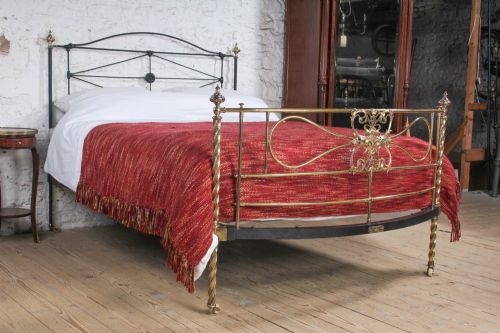
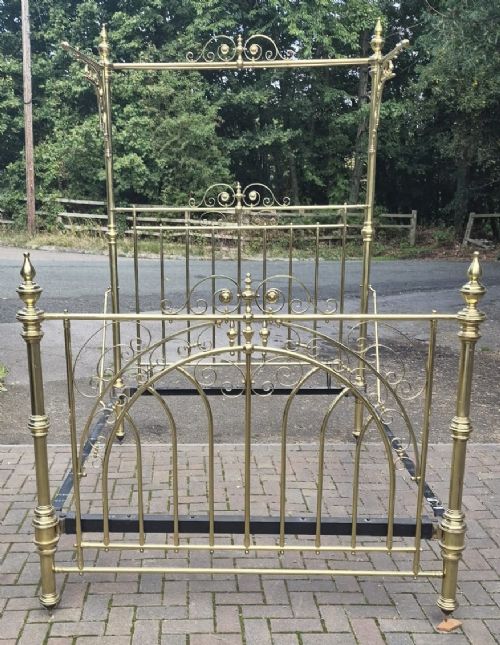
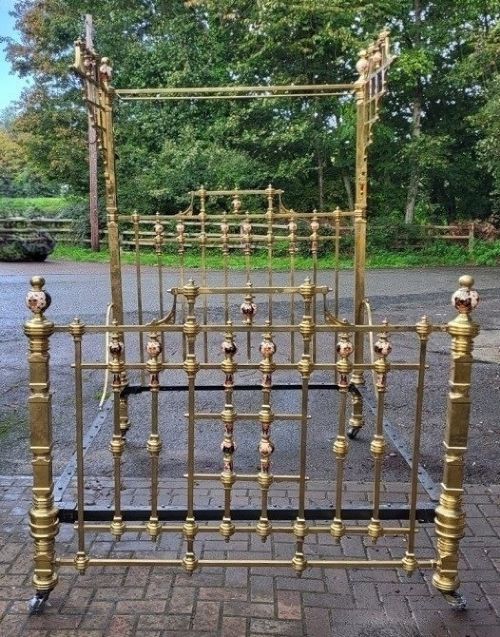
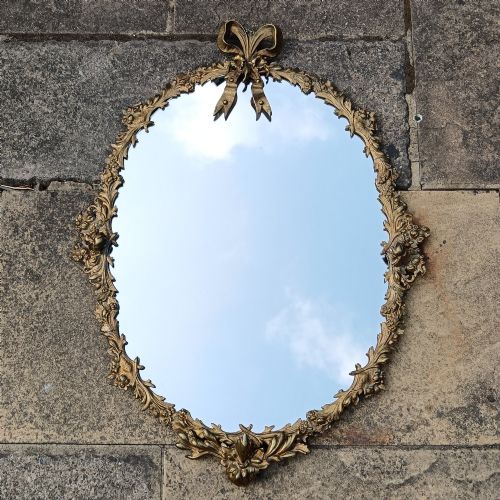
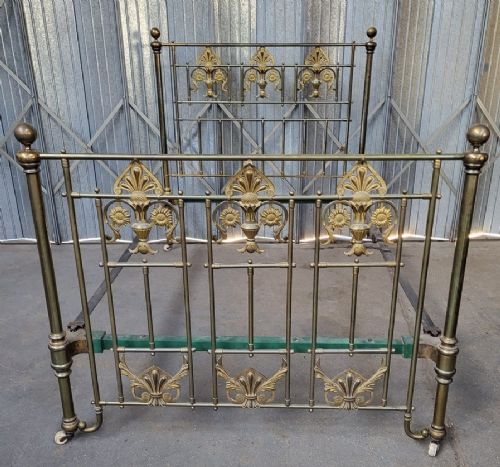
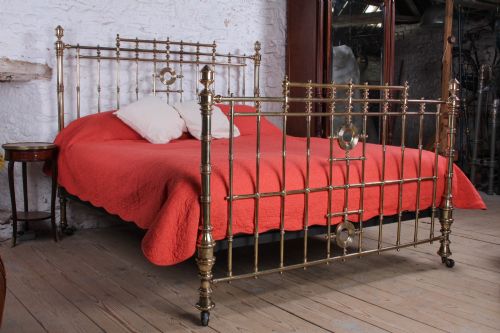
An ornate brass frame brings warmth and polished reflection to a room, spanning wall mirrors, picture frames, and grand Victorian bedsteads.
Ornate Brass Frame
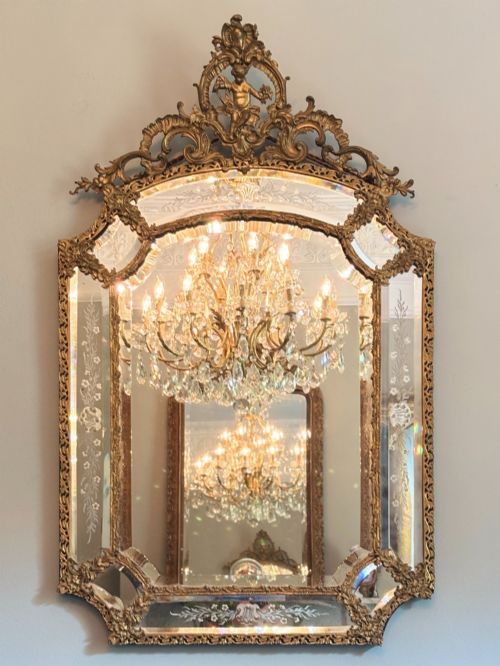
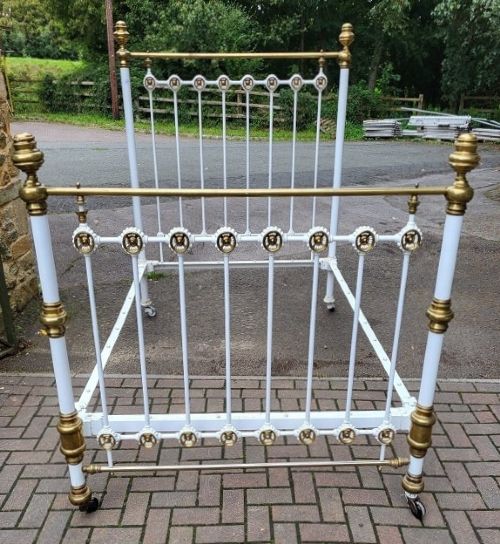
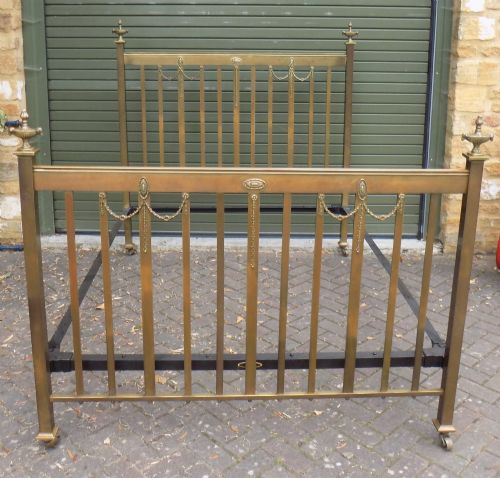
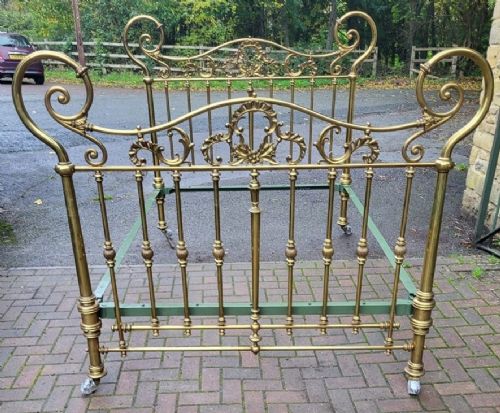
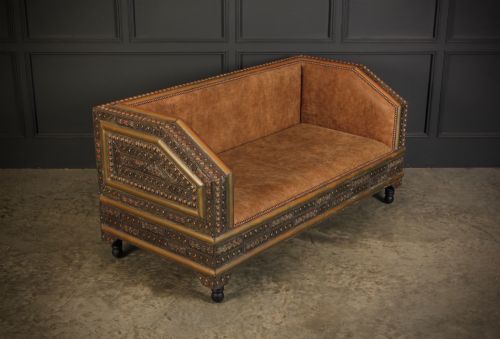
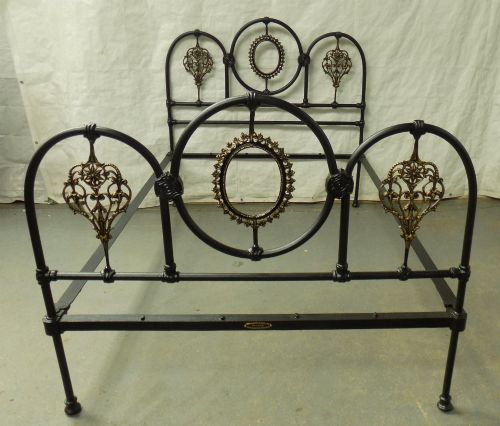
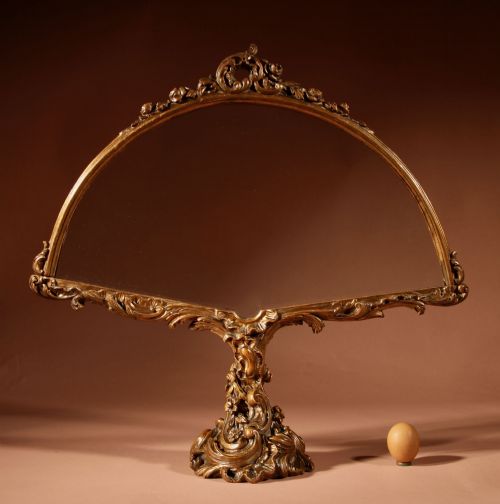
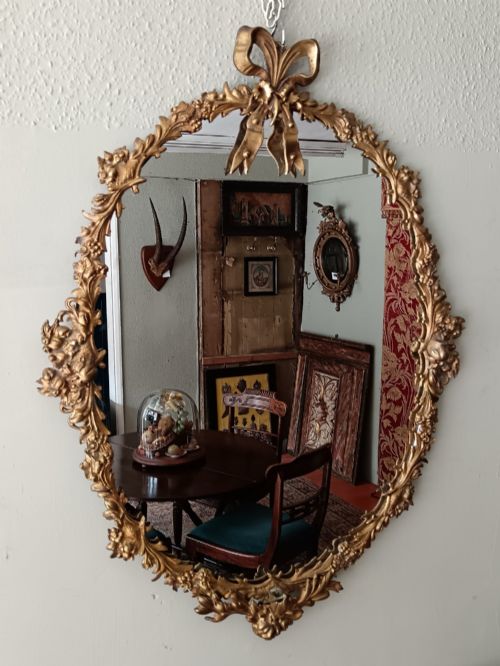
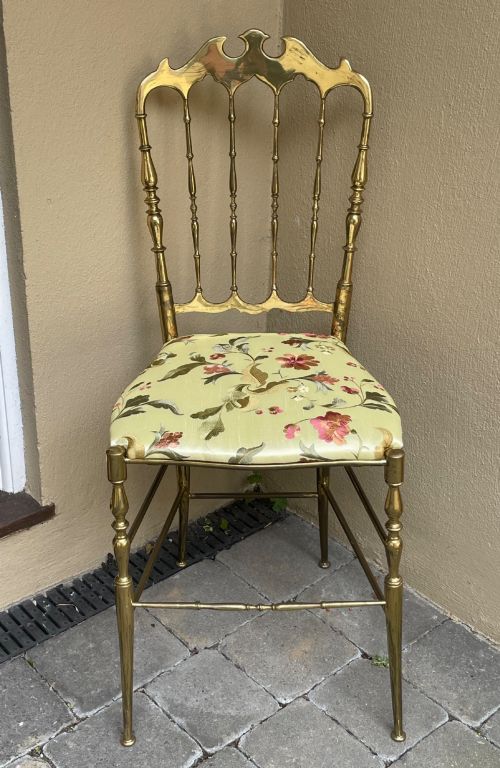
When you search for an ornate brass frame, you encounter a variety of decorative objects ranging from small tabletop photo frames and wall mirrors to substantial Victorian and Edwardian bedsteads. These pieces predominantly date from the nineteenth century through the early twentieth century, reflecting stylistic revivals such as French Louis XVI, Rococo, and the Victorian Aesthetic Movement. The selection on this page leans heavily toward larger domestic furnishings, particularly brass bed frames and mirrors embellished with cast or repoussé detail.
The form of the object dictates its construction, with mirrors and photo frames often incorporating bevelled glass plates, wooden backs, and easel stands or suspension loops. Bedsteads utilise robust combinations of brass tubing, iron cores, and cast brass components to support large frames while maintaining elaborate crests and finials. Each period brings distinct decorative motifs, from cherubs and masks to classical urns and scrolling foliage.
Materials and construction methods
Makers utilised brass as the primary visible metal, often pairing it with structural iron or cast iron in large pieces like bedframes to ensure stability and weight distribution. Decorative elements were frequently cast in bronze or brass before being chased, polished, or gilt to achieve a bright, reflective finish. Wood and glass appear as secondary components in mirrors, panels, and backing boards.
Techniques such as repoussé work allowed artisans to hammer patterns from the reverse side of thin brass sheets, creating raised surface relief for cushion-framed mirrors and photo mounts. Fine casting produced crisp details on mounts, crests, and bedstead finials, while polishing and lacquer preserved the metallic sheen over decades of domestic use.
Ornate Brass Frame Retail Price Guide 2026
Typical asking prices for ornate brass frame among the pieces listed under this phrase on Sellingantiques today, from the lower quarter to the upper quarter. They describe what is for sale here now, not the wider market.
Listings feature brass furnishings from the Victorian period, French Empire, and Hollywood Regency eras.
Distinguishing quality in brass work
Quality rests in the crispness of the casting and the depth of the hand-finishing, where superior examples display sharp relief in motifs such as masks, cherubs, and scrolling foliage without the softening typical of worn moulds. The integrity of the joins, the thickness of the brass tubing, and the retention of original components like backing boards or mirror plates further separate standard production from exhibition pieces.
Makers known for high-end retail, such as Maple and Co or Winfield, demonstrated superior craftsmanship in the structural rigidity of their bedsteads and the precision of their brass fittings. Lesser pieces may show simplified joints, thin gauge metal that yields under pressure, or replacement fixings that disrupt the historical consistency of the object.
Maple and Co·Winfield
The Ornate Brass Frame Glossary
- Repoussé
- A metalworking technique where the artisan hammers the design from the reverse side to form raised relief on the front. This method creates the tactile surface seen on cushion-framed mirrors.
- Gilt Bronze
- An alloy coated with a layer of gold, often referred to historically as ormolu. It provides a rich, durable golden finish that resists tarnishing.
- Half Tester
- A bedstead featuring a partial canopy extending from the headboard over the upper portion of the mattress. These often incorporate elaborate brass framework and drapery mounts.
- Aesthetic Movement
- A late nineteenth-century design ethos prioritising visual beauty over narrative or moral function. Pieces from this movement often display refined, stylized ornamentation.
Ornate Brass Frame: Frequently Asked Questions
How do I date a brass mirror?
Dating relies on examining the construction of the mirror plate, the backing materials, and the style of the cast brass frame. Older pieces often feature hand-bevelled glass with minor imperfections and heavy cast brass backs or wooden panels secured by traditional screws.
Stylistic cues such as Victorian Aesthetic motifs or French Rococo revival scrolls also help narrow the decade of manufacture. Comparing the patination of the brass and the wear on the hanging loops provides further confirmation of age.
Are brass bed frames standard sizes?
Antique brass bedsteads frequently predate modern standard mattress dimensions, meaning double, king, or super king sizes can vary by a few inches. Many nineteenth-century frames require custom mattresses or minor adjustments to slats for modern use.
Checking the internal dimensions between the side rails is essential before purchasing bedding. Dealers often list the specific width and length to assist with fitting.
How should I clean polished brass?
Maintenance involves gentle dusting with a soft, dry cloth to prevent the buildup of grime on intricate castings. Harsh chemical metal polishes should be avoided, especially on antique lacquered or gilt surfaces, as they strip the historic finish.
If cleaning is necessary, a mild soap solution applied sparingly and dried immediately preserves the patination. Preserving the natural ageing keeps the character of the metal intact.