





Ornate Bedroom Chair
An ornate bedroom chair brings historical character and carved detail into a private space.
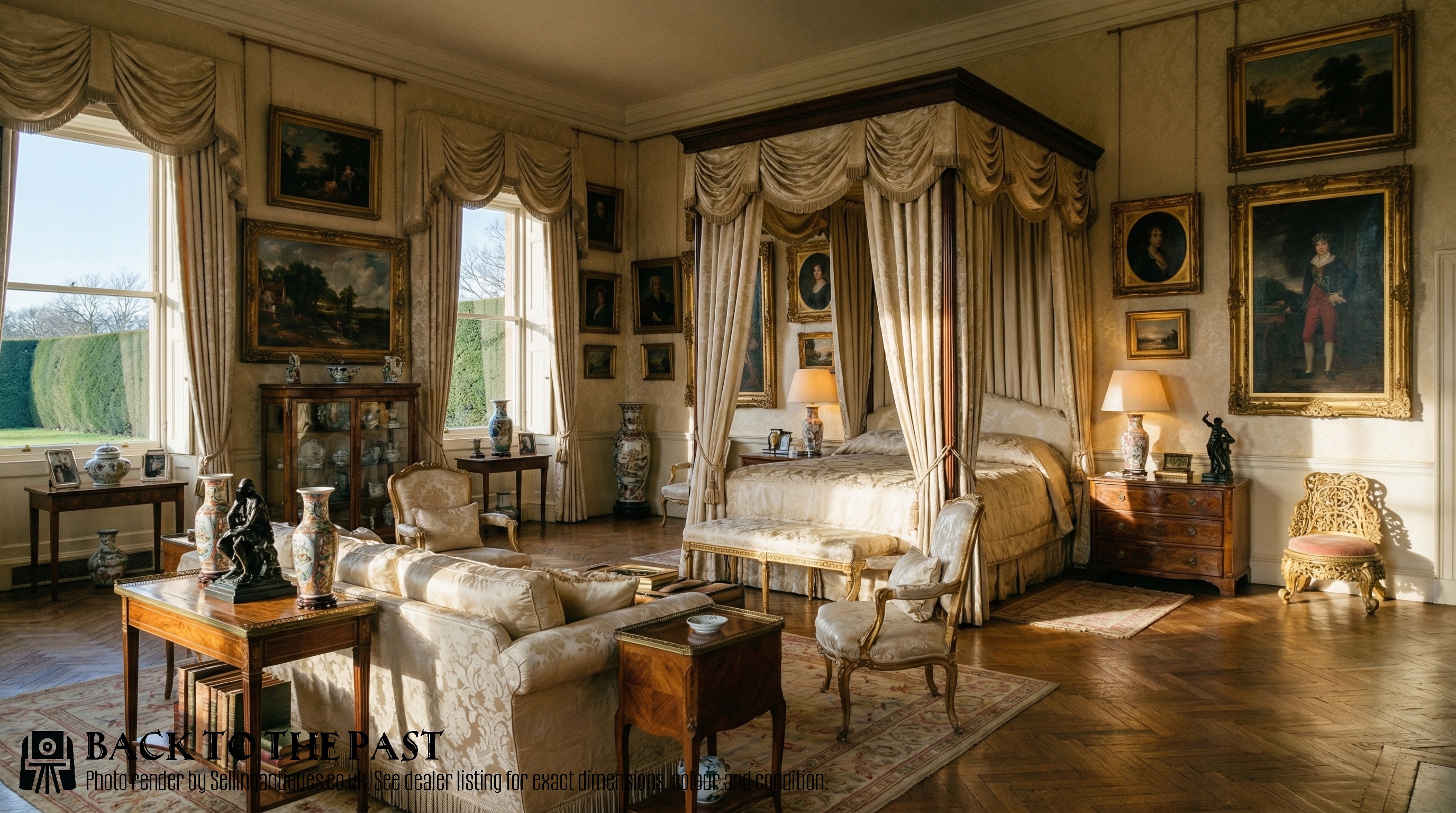
Ornate Bedroom Chair
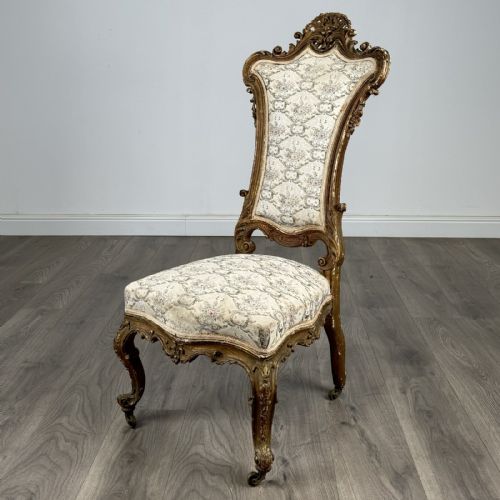
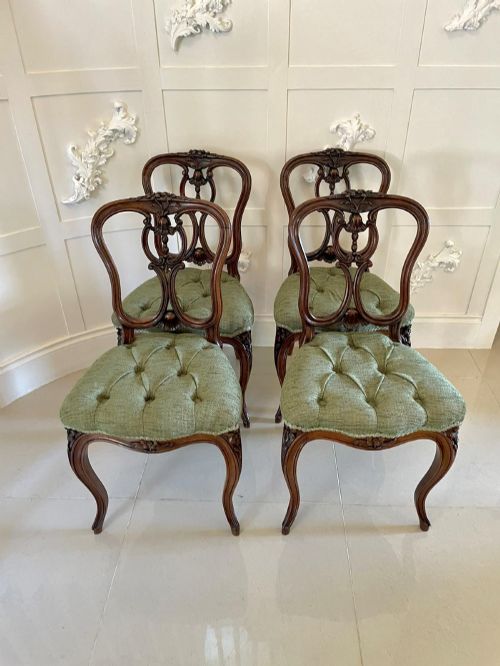
When you search for an ornate bedroom chair, you are looking at seating designed for private chambers, boudoirs and dressing rooms during the nineteenth and early twentieth centuries. These pieces appear in forms such as side chairs, armchairs, salon chairs and hall chairs.
The versions you are most likely to meet on this page span the Victorian era, the nineteenth century generally, and the early decades of the twentieth century. They draw on stylistic revivals including Rococo, Louis XVI, and Chippendale, alongside Anglo-Indian and Hollywood Regency influences.
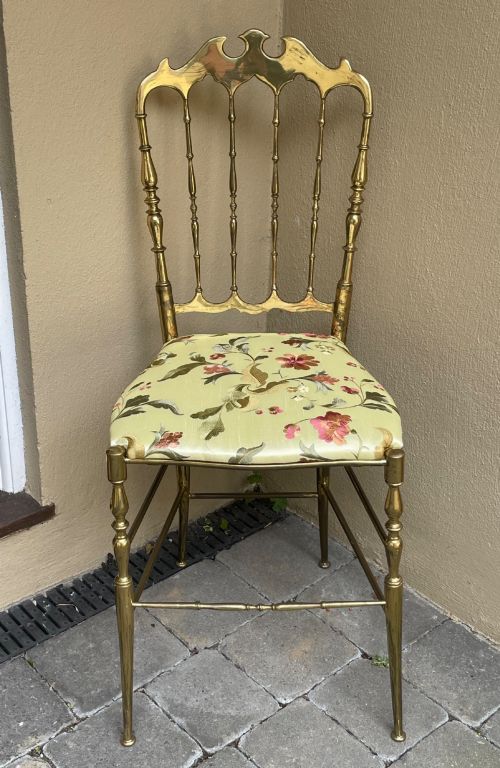
Makers shaped these chairs to serve both functional seating and decorative roles within domestic interiors. Their forms range from solid brass frames to carved walnut, mahogany, rosewood and giltwood structures upholstered in various fabrics and textiles.
How they were made
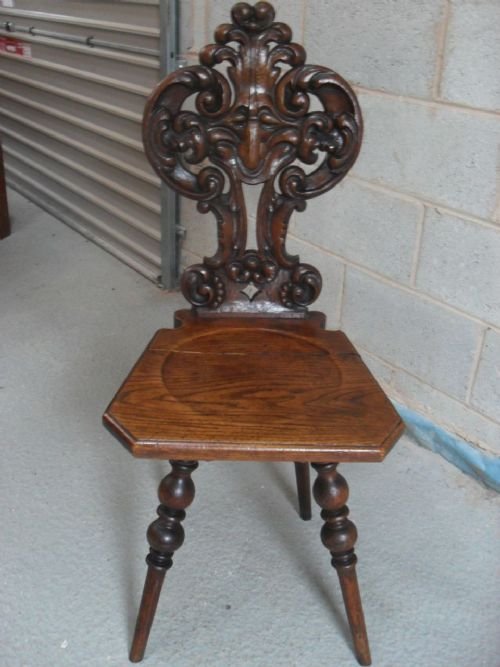
Cabinet makers and artisans constructed these frames using dense timbers like Cuban mahogany, walnut, oak and rosewood, often employing detailed carving techniques to create pierced or fret backs. Alternatively, metalworkers utilised solid brass to form gleaming structural frames.
Giltwood and gilt wood treatments added surface brilliance to Continental and Anglo-Indian examples, while upholstery workshops fitted the seats and backs with textile and fabric coverings appropriate for intimate rooms.
Ornate Bedroom Chair Retail Price Guide 2026
Typical asking prices for ornate bedroom chair among the pieces listed under this phrase on Sellingantiques today, from the lower quarter to the upper quarter. They describe what is for sale here now, not the wider market.
Solid brass seating proves that Victorian comfort occasionally involved a remarkably heavy metal frame.
What varies in quality
Quality rests upon the crispness of the timber carving and the integrity of the structural joinery, where deeper hand-chiselled details distinguish finer examples from simpler production. The choice of primary material also sets pieces apart, with dense Cuban mahogany and figured walnut sitting at a different level from standard hardwoods.
The sophistication of the stylistic revival influences the overall execution, as seen in the precision of Rococo scrolls or the weight and finish of solid brass frames. Original fabric selections and the retention of decorative gilt surfaces further define the standing of individual pieces.
The Ornate Bedroom Chair Glossary
- Boudoir chair
- A small, decorative seat designed specifically for a private ladies' sitting room or dressing chamber. These pieces prioritise ornamental charm and compact proportions.
- Giltwood
- Timber that has been coated with a thin layer of gold leaf or gilt. This finish adds a reflective, luxurious surface to decorative chair frames.
- Fret back
- A chair back featuring openwork patterns created by piercing or cutting designs into the wood. This technique provides lighter visual weight and intricate detail.
- Rococo Revival
- A nineteenth-century design movement inspired by the ornate, asymmetrical curves of eighteenth-century French art. Pieces in this style feature flowing scrolls and naturalistic floral motifs.
Ornate Bedroom Chair: Frequently Asked Questions
Where were these chairs used?
These seats were placed in private bedrooms, dressing rooms, boudoirs and formal parlours.
They served as occasional seating or decorative furnishings rather than heavy everyday chairs.
How do I identify the period?
Look to the combination of materials, timber choices and revival styles indicated in the construction.
Victorian and nineteenth-century examples often feature dense woods like Cuban mahogany alongside specific stylistic revivals.
Are brass chairs heavy?
Solid brass frames provide substantial weight despite their slender profiles.
Metal construction offers a distinct alternative to traditional timber chair frames.
What is an Anglo-Indian chair?
This term describes pieces made in India by local craftsmen using traditional techniques for Western patrons.
They often combine British furniture forms with intricate regional woodcarving.