
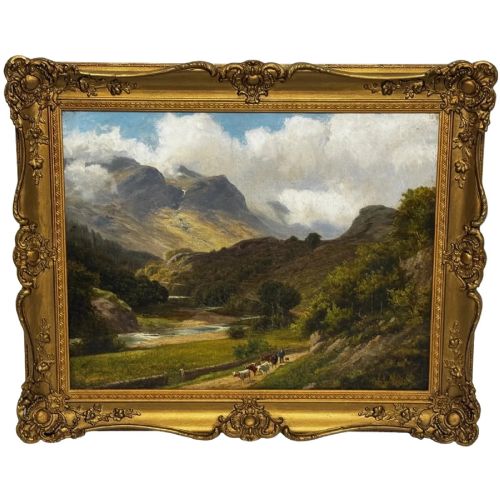
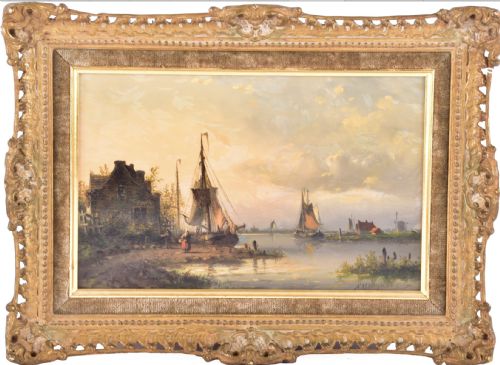

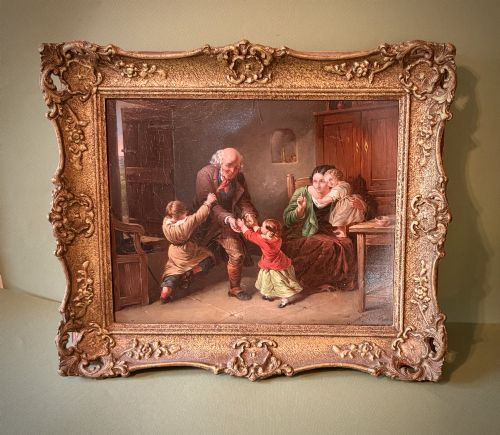

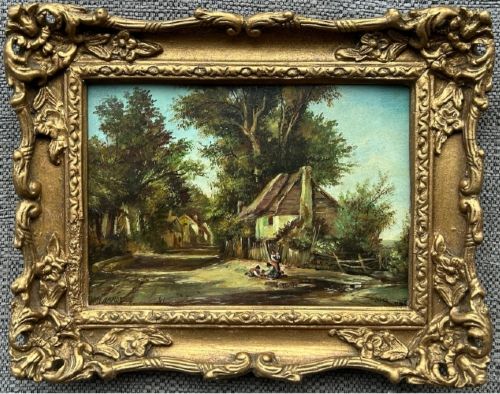



Ornate Artwork Frame
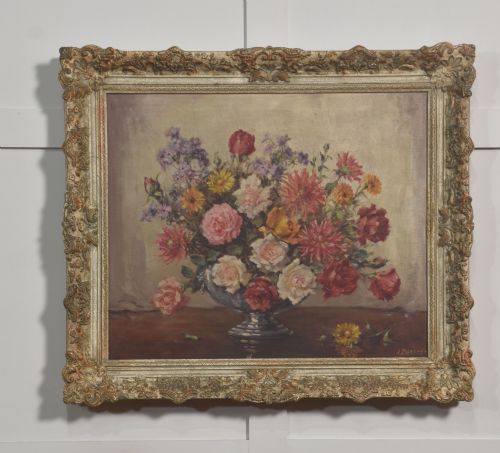
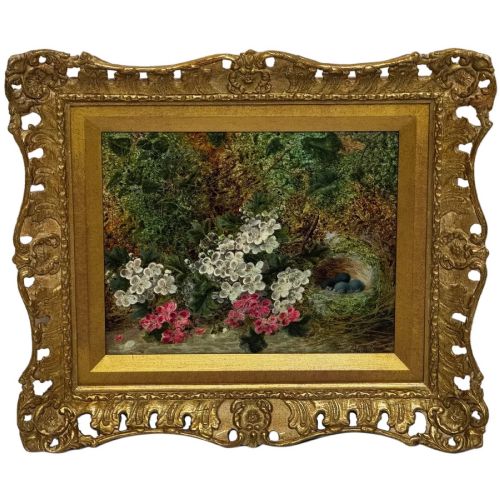
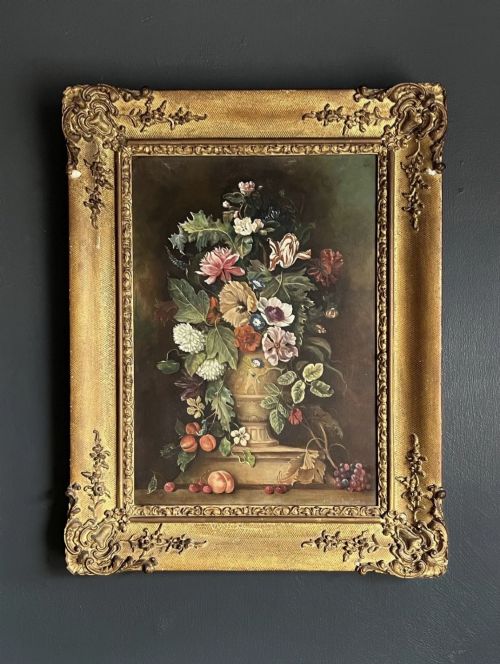
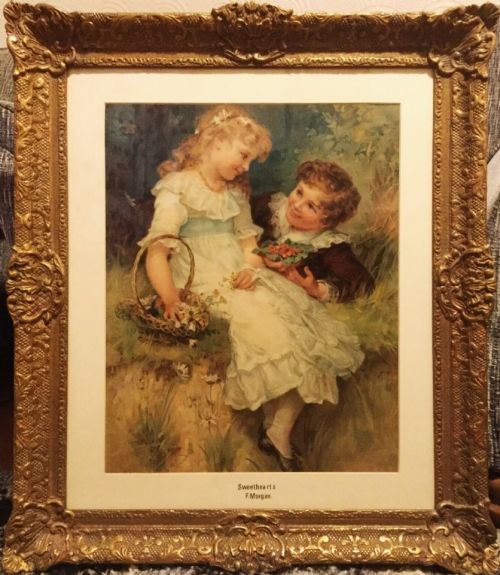
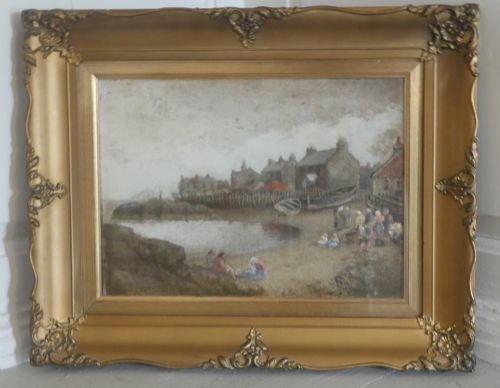
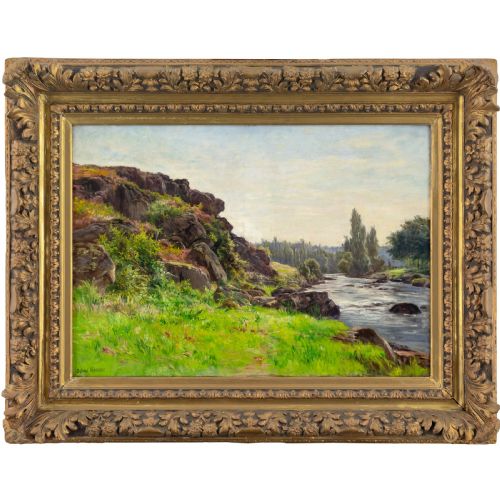
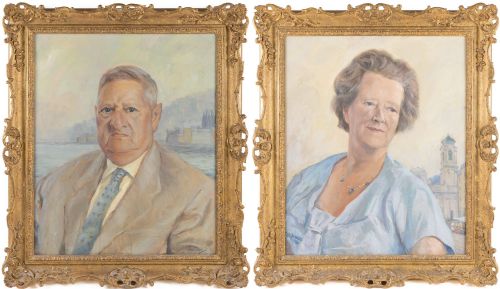
When you search for an ornate artwork frame, you encounter heavily decorated surrounds that house period paintings, prints and panels.
Ornate Artwork Frame
An ornate artwork frame encompasses elaborate surrounds, picture frames and gilt mouldings designed to house oil paintings, canvas works and portraits. When you browse this selection, you primarily encounter nineteenth-century giltwood housings alongside vintage mid-century Italian swept frames.
The objects span varied periods including the Regency era, Victorian decades and the twentieth century. These housings frequently accompany landscape scenes, floral still lifes and historical oil paintings originating from British, Dutch and Italian schools.
How they were made
Maker workshops utilised traditional timber construction, applying gesso layers over wood to build up raised decorative mouldings and relief ornament. Craftsmen then finished these surfaces using gold leaf or oil gilding techniques to achieve a metallic sheen.
Surrounds were often carved directly from wood or cast in composition material before being gilded. Canvases and panels were subsequently fitted into the rebates, occasionally accompanied by oil paint embellishments on the frame itself.
Materials recorded across the inventory include giltwood, gesso, gold leaf, oil paint, canvas and solid wood.
What varies in quality
Quality rests in the depth and crispness of the gesso mouldings, where hand-carved wooden ornament displays sharper definition than mass-produced composition castings. The integrity of the original gold leaf application also dictates the standard of the piece.
Proportion and harmony between the frame profile and the enclosed artwork distinguish superior examples. Finer pieces retain their original gilding without heavy modern intervention or obscured decorative detail.
Eugène Verboeckhoven·William Beattie-Brown·William Howard Hardy·Oliver Clare·Gabriel Mathieu·John Horace Hooper·James Hamilton·John Hodgson Lobley·Edgar Hunt·Abraham Cooper·William Watson Jnr·David Teniers The Younger·Renato Moretti·Jacob Akkersdijk·Delapoer Downing·Vernon DeBeauvoir Ward·William Henry Williamson
The Ornate Artwork Frame Glossary
- Giltwood
- Timber that has been coated with gold leaf or gold paint. This finish creates a reflective, metallic appearance characteristic of traditional decorative surrounds.
- Gesso
- A plaster-like mixture applied to wood bases to create a smooth surface for gilding. It accepts deep relief carving and moulding work.
- Rebate
- The inner recess at the back of a frame designed to hold the artwork. Its dimensions determine the maximum size of the painting or panel that can be inserted.
- Swept frame
- A style featuring flowing, undulating scrollwork and curves. These frames gained popularity during specific mid-century Italian periods.
- Oil on canvas
- A painting technique utilising pigments suspended in drying oils applied to stretched fabric. These works form the primary contents of the frames found here.
Ornate Artwork Frame: Frequently Asked Questions
What periods do these frames represent?
The selection spans the Regency period, Victorian era, and the nineteenth and twentieth centuries. These encompass diverse stylistic revivals.
Craftsmanship methods shifted across these decades, moving from hand-carved giltwood towards varied composition and plaster techniques.
How do I measure for art?
You measure the rebate opening at the back of the surround rather than the outer dimensions. This interior space corresponds to the canvas or panel size.
Allowance must be made for the overlap where the edge of the frame secures the artwork in place.
Are the paintings included?
Many listings present the frame paired with an original oil painting, portrait, or print. These artworks frequently date from the same period as the housing.
Certain items comprise empty frames intended for mounting alternative interior design projects or period artwork.
How do I care for giltwood?
Giltwood requires dry dusting with a soft brush to protect the delicate gold leaf surface. Moisture and harsh cleaning agents damage the underlying gesso.
Keeping the pieces away from direct heat sources prevents the timber from warping and the gesso from cracking.