


Ormolu Walnut Display Cabinet
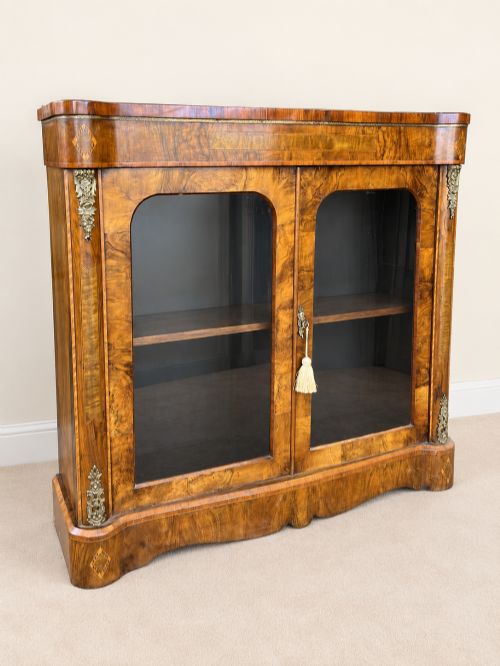
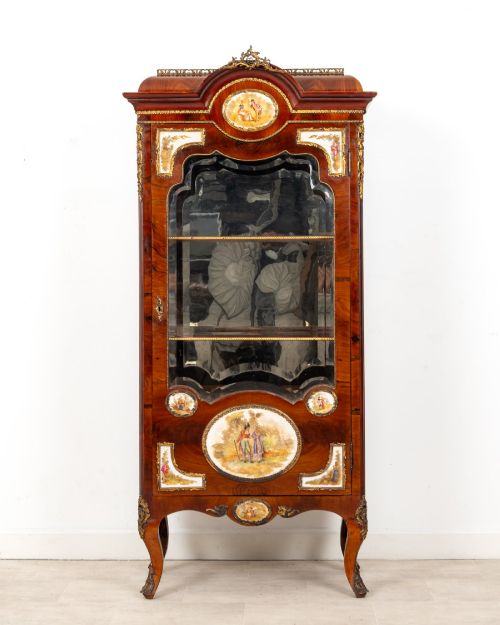
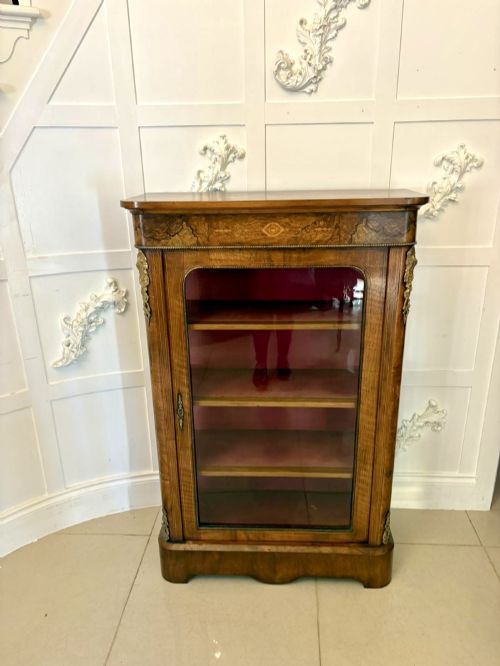
An ormolu walnut display cabinet brings together rich timbers and cast brass mounts to create a commanding presence in a room.
Ormolu Walnut Display Cabinet
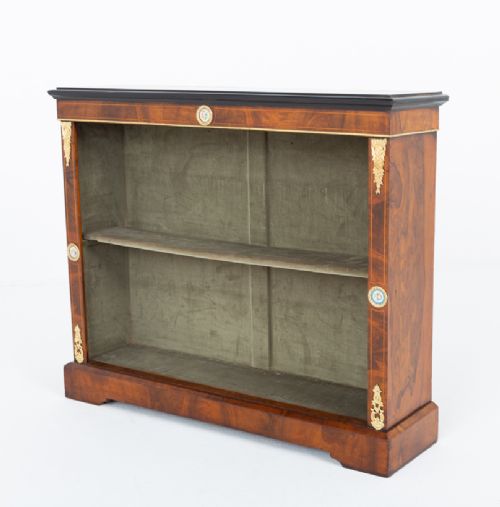
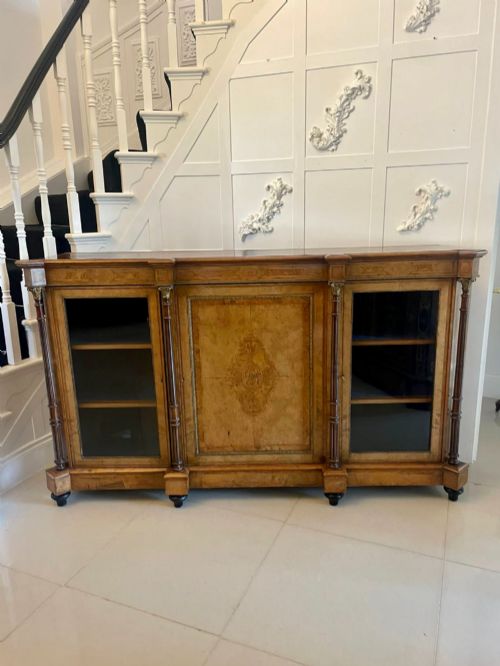
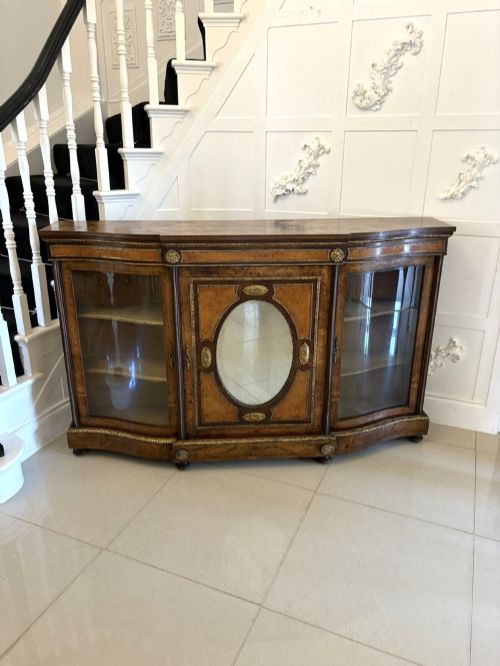
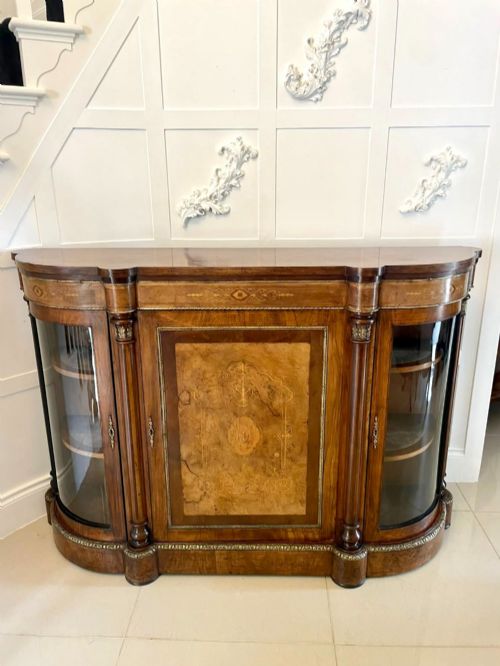
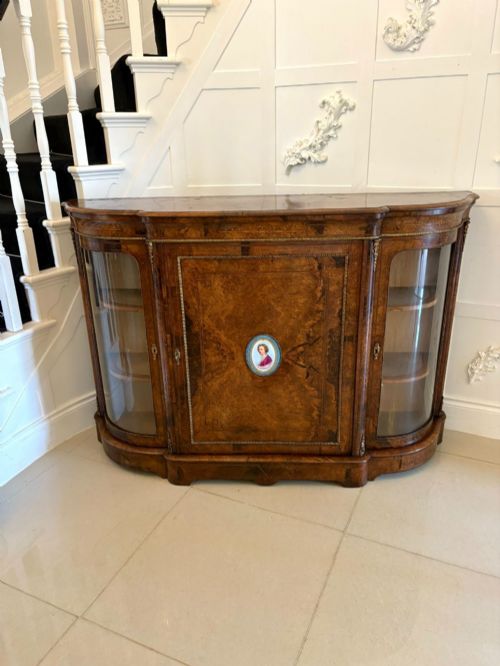
When you search for an ormolu walnut display cabinet, you encounter sophisticated nineteenth-century furniture designed to showcase prized possessions behind glass. The most common form on this page is the Victorian credenza or pier cabinet, typically constructed during the mid to late nineteenth century with rich burr walnut veneers.
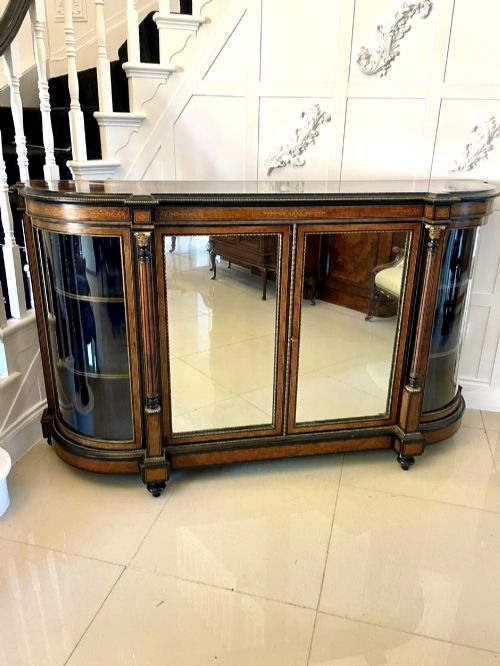
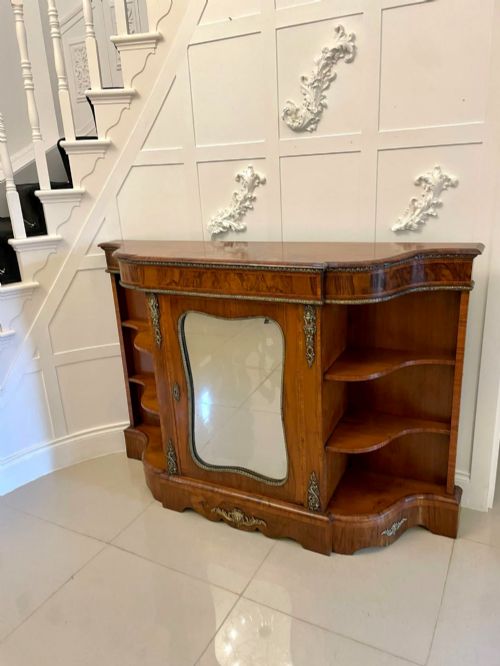
These pieces frequently draw upon French revival styles, incorporating curved serpentine fronts, glazed side doors, and velvet-lined interiors. Alongside these English Victorian works, French vitrines and display cabinets from around nineteen hundred appear, often featuring intricate kingwood details and delicate porcelain plaques.
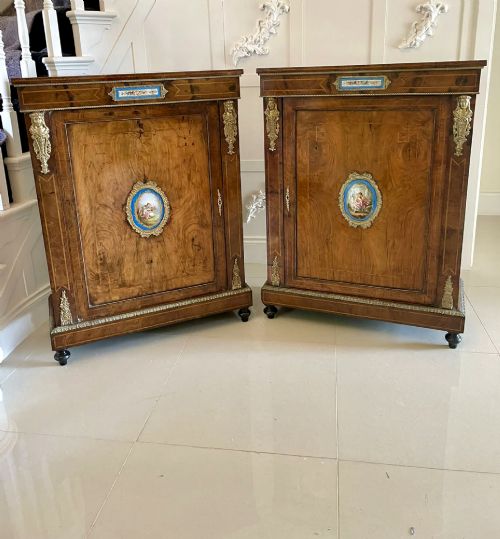
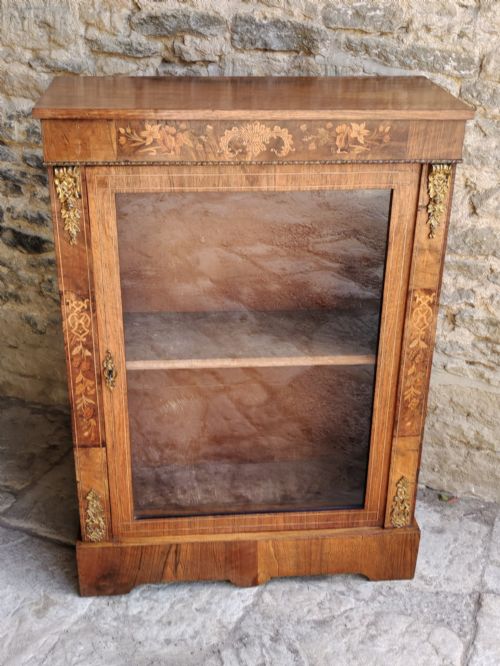
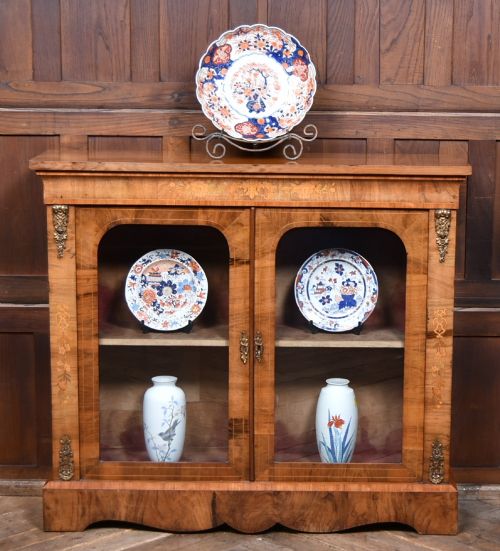
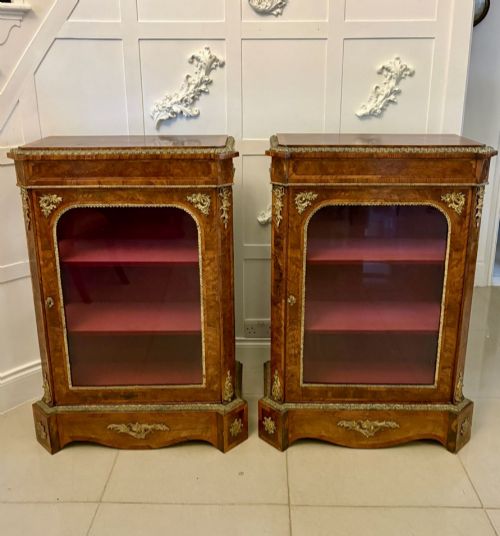
Makers utilised various configurations, from narrow single-door pier cabinets intended for drawing rooms to expansive four-door credenzas designed for formal dining spaces. The overarching purpose remains the display and protection of porcelain, silver, and curiosities within a deeply decorative housing.
How They Were Made
Cabinet makers applied highly figured burr walnut veneers over solid carcases to achieve swirling, symmetrical grain patterns across the primary surfaces. Marquetry and boxwood inlay formed intricate floral motifs, while contrasting timbers such as ebony and rosewood added geometric definition.
Gilt bronze or brass mounts, cast in decorative scrollwork and foliate designs, were meticulously fitted around the glass panels, corners, and feet. Interior shelving often sat behind glazed doors framed by shaped ormolu borders, completing a construction method focused on visual opulence.
Listings feature walnut, burr walnut, and kingwood timbers paired with extensive ormolu mounts and velvet-lined interiors across nineteenth-century forms.
What Varies in Quality
The distinction between standard examples and exhibition-quality pieces rests on the depth of the marquetry and the crispness of the bronze casting. Superior cabinets display hand-chiselled detailing on the ormolu mounts and finely articulated floral inlay that commands the eye.
Timber selection drives much of the value, with densely figured burr walnut commanding greater appreciation than plain walnut boards. The integration of porcelain plaques or mirrored door panels further elevates the ambition of the piece.
Gillows·Maison Gagneau
The Ormolu Walnut Display Cabinet Glossary
- Ormolu
- Gilded bronze mounts applied to furniture for decorative accent. This technique became prominent in French-influenced nineteenth-century pieces.
- Credenza
- A long, low cabinet featuring central doors flanked by curved glass cabinets. It served as a sideboard and display surface in Victorian interiors.
- Marquetry
- Inlaid patterns of wood veneer forming pictorial or floral designs. Artisans cut contrasting timbers to fit precisely into the primary surface.
- Pier Cabinet
- A narrow cabinet designed to stand against the wall space between windows. These tall, slender pieces often featured single glazed doors.
- Vitrine
- A glass-fronted display cabinet intended for the exhibition of small collectibles. The term originates from the French word for glass.
Ormolu Walnut Display Cabinet: Frequently Asked Questions
What is an ormolu walnut display cabinet?
These works are nineteenth-century storage and display furniture built primarily from walnut and ornamented with cast gilt-metal mounts. They combine glass panels with timber cabinetry to hold precious objects.
Most examples date from the Victorian era or the early twentieth century, drawing heavily on French revival aesthetics to achieve a decorative, formal appearance.
How were these cabinets used originally?
Original owners utilised these pieces in drawing rooms and reception spaces to exhibit prized porcelain, glassware, and small curiosities. The glass doors protected delicate items from dust while permitting full visibility.
Larger credenzas also provided surface space for serving or arranging decorative ornaments during formal gatherings in substantial homes.
How do I distinguish between periods?
Mid-nineteenth-century English pieces often favour robust burr walnut veneers combined with architectural or serpentine proportions and restrained ormolu mounts. Later works from around nineteen hundred frequently exhibit lighter French influences and refined kingwood crossbanding.
Examining the internal construction timbers and the style of the marquetry inlay helps clarify the likely decade of manufacture.
How do I live with one today?
Placing these cabinets away from direct sunlight protects the walnut timber and interior velvet linings from fading. Maintaining a stable room temperature prevents the burr veneer from experiencing stress.
They function effectively as focal points in living spaces, continuing their traditional role of housing collections behind glass.