





Ormolu Pendule De Cheminee
An ormolu pendule de cheminee brings sculptural presence and French horological craft to a mantelpiece, combining gilded bronze with enamelled dials.
Ormolu Pendule De Cheminee
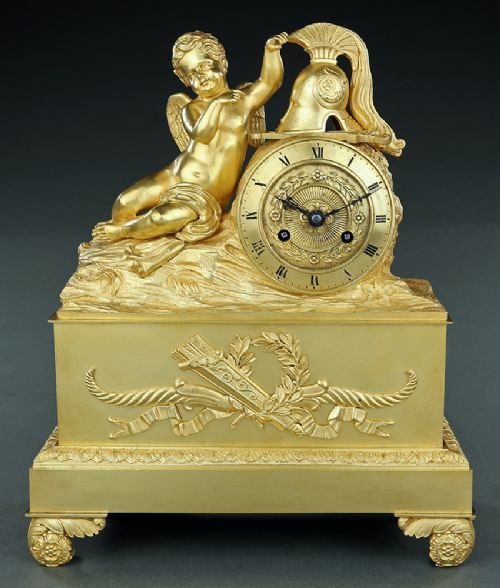
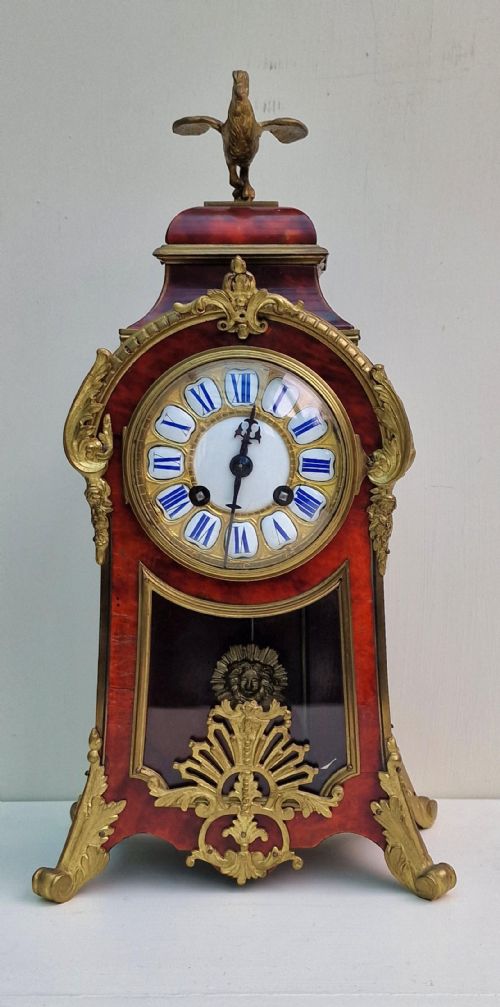
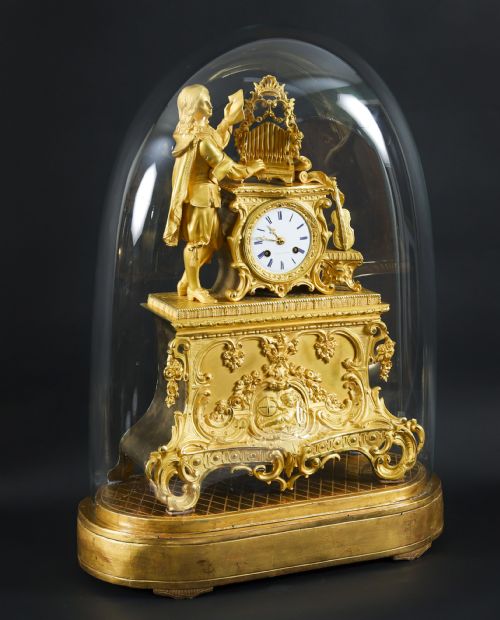
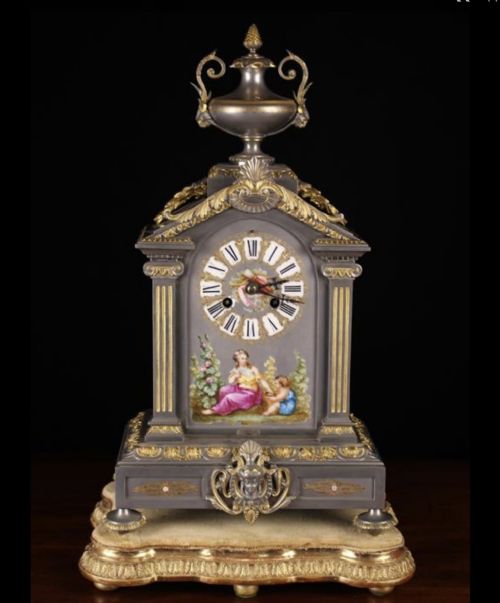
An ormolu pendule de cheminee is a decorative French mantel clock designed to sit as a centrepiece on a fireplace. When searching this phrase, a buyer encounters striking timepieces spanning the nineteenth century, including Victorian examples and Regency pieces.
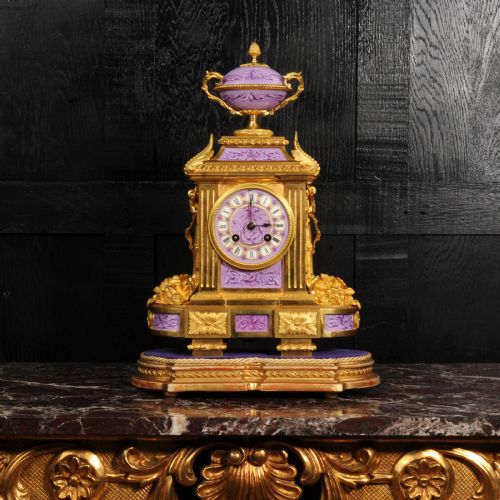
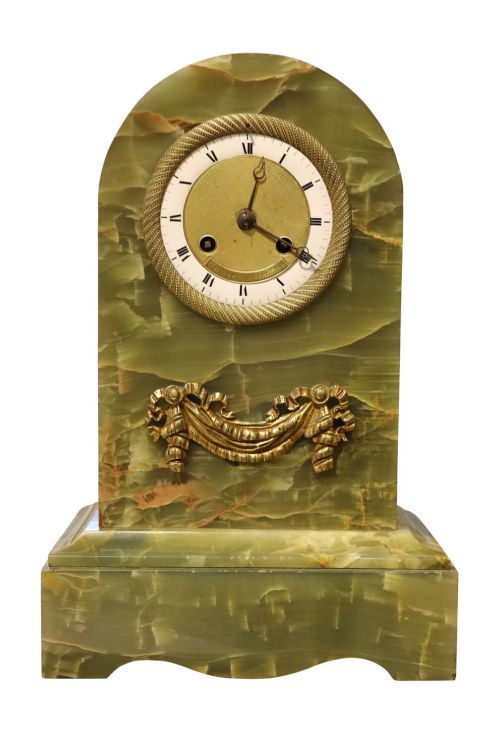
The most common versions on this page are mantel clocks cast in gilt bronze, often incorporating Sevres style porcelain panels or marble bases. Makers and styles range from French Empire and Rococo Revival to Louis XVI and Neoclassical designs.
Materials and construction methods
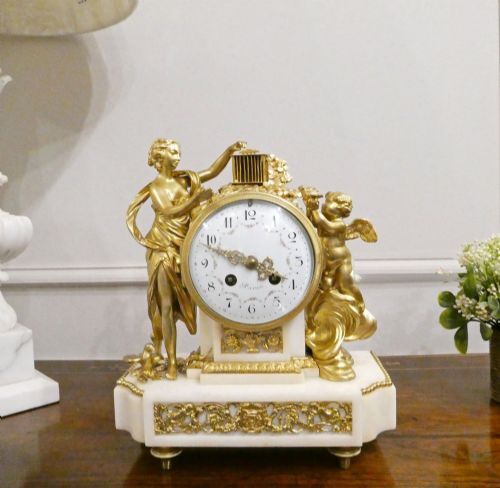
These clocks rely on the pairing of ormolu, or gilt bronze, with materials such as marble, glass, and enamel. Artisans cast the metal components before applying mercury gilding or modern electroplating techniques to achieve the characteristic rich golden surface.
Clockmakers incorporated brass mechanisms, frequently featuring eight-day striking trains and early silk suspension systems. Dial faces were typically constructed from white enamel with painted Roman or Arabic numerals, protected beneath glass bezels.
Ormolu Pendule De Cheminee Retail Price Guide 2026
Typical asking prices for ormolu pendule de cheminee among the pieces listed under this phrase on Sellingantiques today, from the lower quarter to the upper quarter. They describe what is for sale here now, not the wider market.
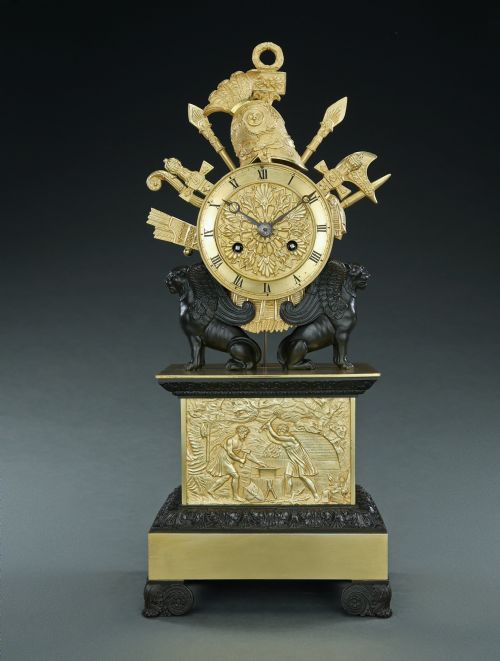
Diana the hunter keeps watch over time on gilded mantel clocks alongside mythological cupids and trophies of war.
Quality differences across examples
The sharpness and depth of the cast ornamentation separate standard production from finer work. Superior examples display crisp chasing on the gilt bronze figures and foliage, whereas lesser pieces show softer, shallower detailing in the metal.
The integration of materials also dictates quality, seen in the weight of the marble base and the hand-painted detail on porcelain plaques. Signed movements by notable makers elevate a piece above unmarked domestic clocks.
Achille Brocot·Charles a Orleans·Leroy Paris·PH Mourey·Japy Freres·Samuel Marti·Charpentier Paris·Leroy and Fils·Miroy Freres·F Marti
The Ormolu Pendule De Cheminee Glossary
- Ormolu
- Gilded bronze, where a layer of gold is applied to a base of copper and zinc. This technique gives French mantel clocks their characteristic bright metallic lustre.
- Pendule de cheminee
- The French term for a mantel clock designed specifically for placement on a fireplace mantel. These objects combine timekeeping with sculptural bronze or porcelain art.
- Champleve
- An enamelling technique where troughs or cells are carved into the metal surface and filled with vitreous paste before firing. It appears on decorative clock cases from the later nineteenth century.
- Silk suspension
- A method of hanging the pendulum by a short length of silk thread rather than a steel spring. This delicate mechanism is typical of earlier nineteenth-century movements.
Ormolu Pendule De Cheminee: Frequently Asked Questions
How do I wind an antique French clock?
Most of these clocks utilise a double-ended key to wind both the timekeeping train and the striking train through holes on the enamel dial.
Care should be taken not to overwind the springs, turning the key gently until resistance is felt.
Can these clocks be set to keep accurate time?
Yes, mechanical movements can be adjusted using the pendulum regulation square on the dial to make them run faster or slower.
Professional servicing is recommended to clean old brass gears and ensure the strike train functions correctly.
Where should I place a mantel clock?
These clocks are designed primarily for mantelpieces, sideboards, or console tables where their sculptural form can be viewed from the front and sides.
Ensure the surface is completely level so the pendulum swings evenly without catching against the interior case.