




Ormolu Mounted Display Table
When you choose an ormolu mounted display table, you bring home a piece designed to showcase small treasures beneath glass.
Ormolu Mounted Display Table
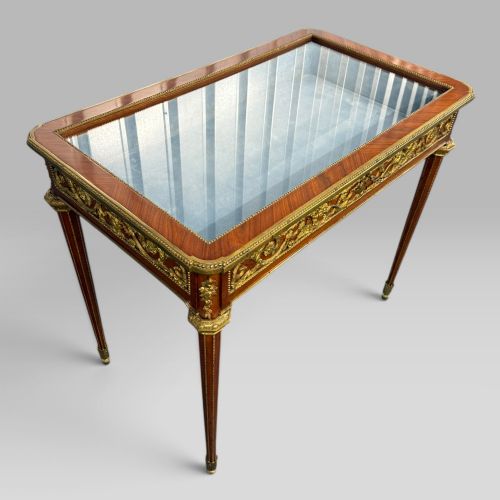
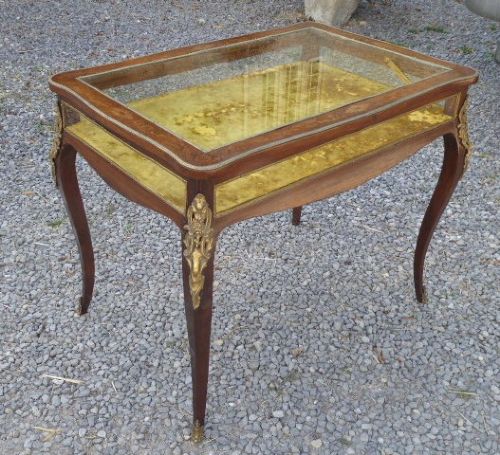
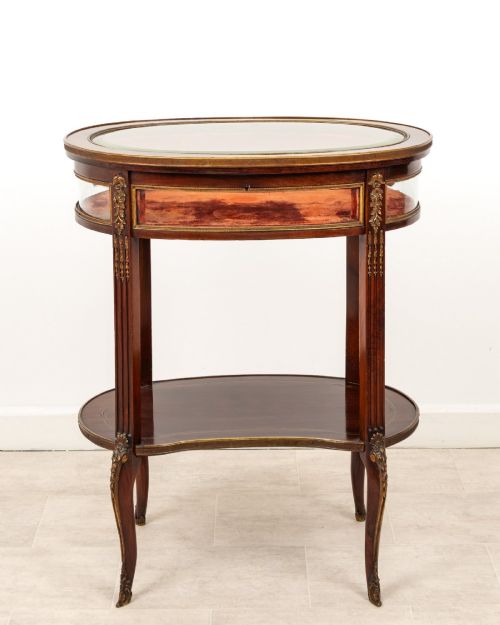
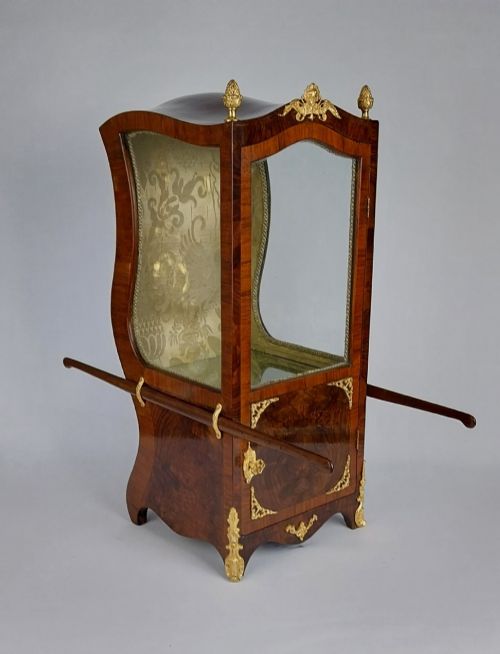
An ormolu mounted display table combines a glazed surface or cabinet compartment with gilded bronze mounts, created to exhibit precious objects and jewellery.
You will most frequently encounter French revival pieces from the nineteenth century, spanning styles from Louis XV to Louis XVI.
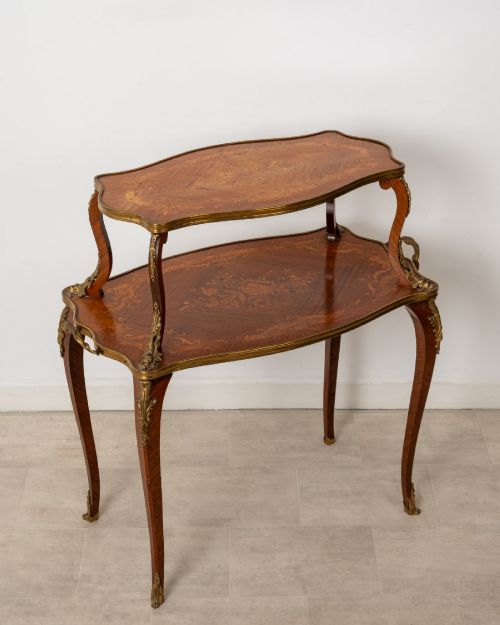
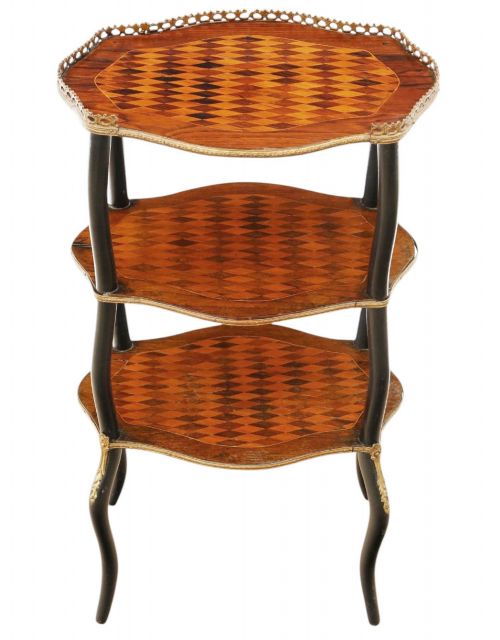
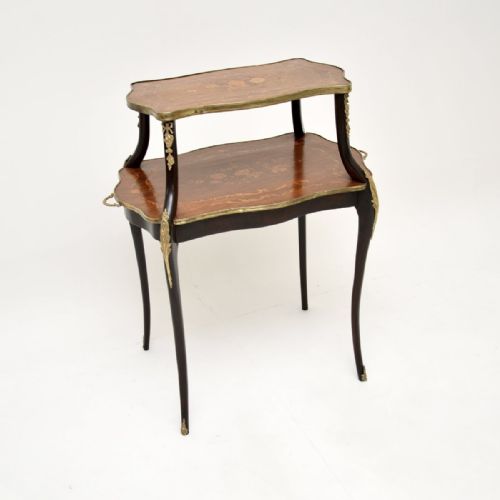
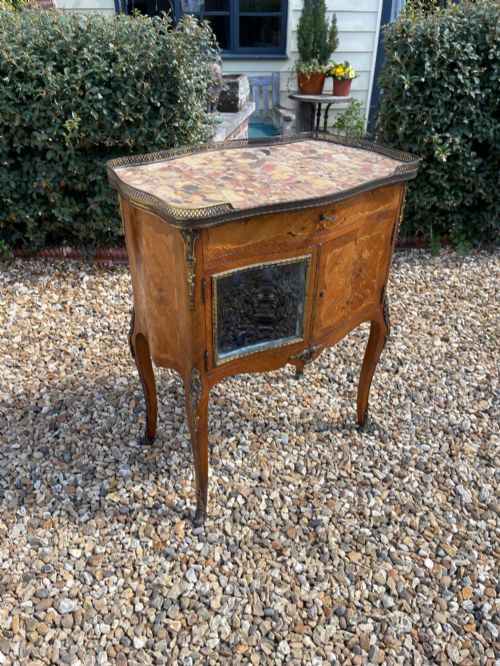
The form appears as a bijouterie table, an etagere, or a side cabinet, utilising woods like mahogany and kingwood alongside glass and brass.
How they were made
Cabinetmakers built carcasses from timbers such as mahogany, walnut, rosewood, and kingwood, frequently applying intricate marquetry and parquetry inlay.
Foundries cast bronze and brass into ornate mounts, which were then gilded to create the bright ormolu finish that frames the glass tops and panels.
Listings feature pieces predominantly from the nineteenth century, with Victorian and Edwardian examples utilising mahogany, kingwood, and ormolu.
What varies in quality
The crispness and depth of the ormolu casting separate ordinary mounts from those with sharply defined chasing and heavy gilding.
The complexity of the wood marquetry and the precision of the parquetry patterns indicate the skill level of the maker and the workshop.
Edwards and Roberts
The Ormolu Mounted Display Table Glossary
- Ormolu
- Gilded bronze mounts applied to furniture, cast and chased for decorative effect.
- Bijouterie table
- A specialised display table with a glass top and glazed sides designed for holding jewellery and small ornaments.
- Etagere
- A set of open shelves or tiered tables used for display.
- Marquetry
- Inlaid wood veneers arranged in pictorial or geometric patterns.
- Louis XV Revival
- A nineteenth-century style imitating the asymmetrical curves and natural motifs of the mid-eighteenth-century French court.
Ormolu Mounted Display Table: Frequently Asked Questions
What is a bijouterie table used for?
These tables served primarily for displaying small luxury items, medals, and fine jewellery within a glazed compartment.
Today, they function well in reception rooms to exhibit small collections safely under glass.
How do I identify French revival styles?
Look for the characteristic curved legs and floral marquetry of Louis XV styles, or the straighter lines and neoclassical mounts of Louis XVI designs.
Nineteenth-century makers often borrowed these motifs directly from eighteenth-century originals.
What wood was typically used?
Cabinetmakers utilised rich timbers including mahogany, kingwood, walnut, and rosewood for their warm tones and grain patterns.
These woods frequently provided a dark background for contrasting marquetry inlay and bright ormolu mounts.
Where should I place an etagere?
Tiered etagere shelves suit corners or alcoves where they add vertical display space without blocking light.
They pair effectively with other nineteenth-century occasional furniture.