
Ormolu Glass Vitrine
An ormolu glass vitrine brings together gilt-metal mounts and clear glass panels to showcase prized collections with French revival elegance.
Ormolu Glass Vitrine
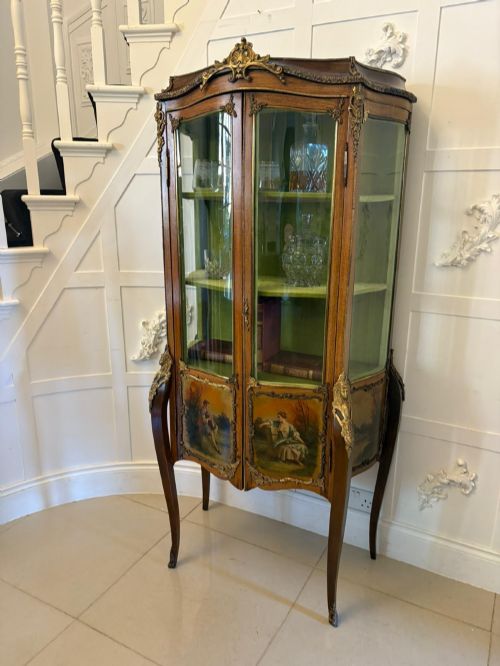
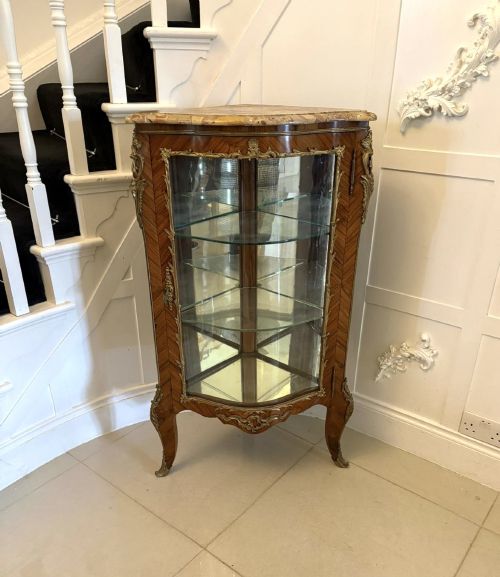
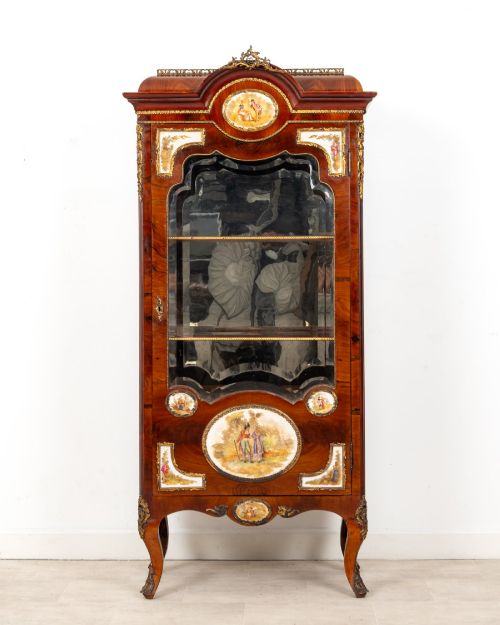
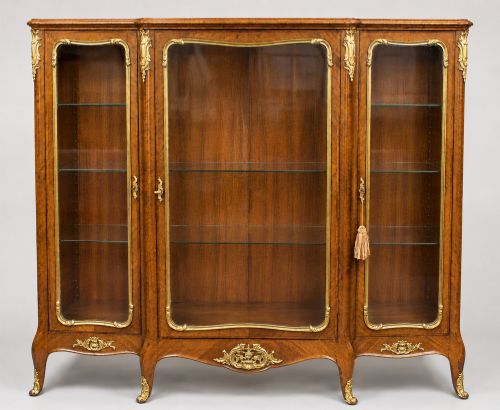
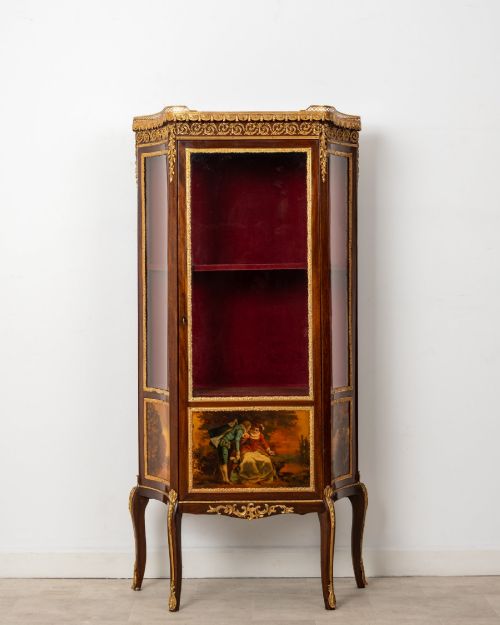
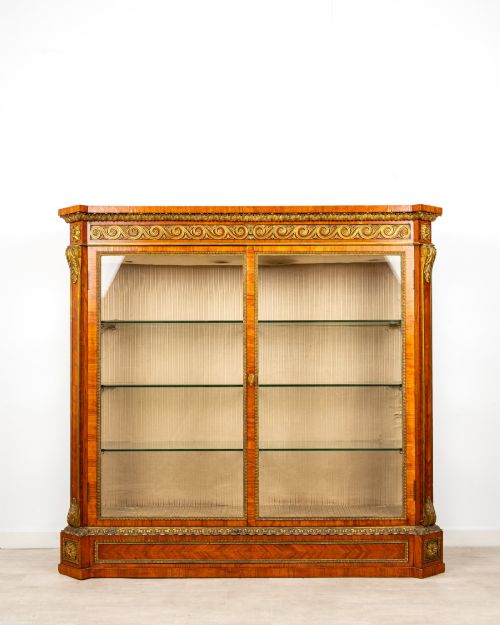
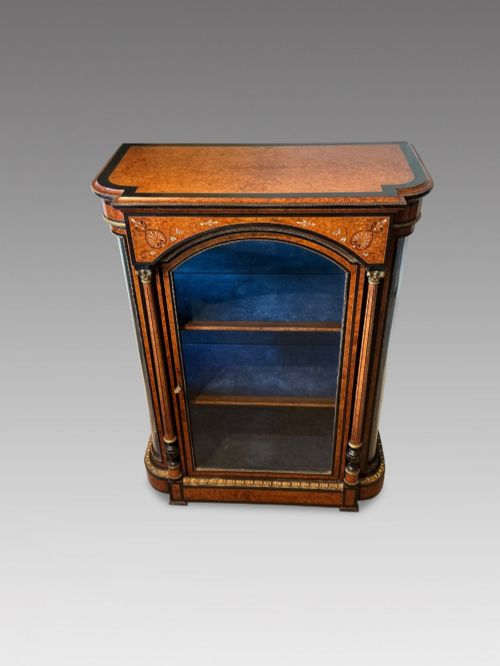
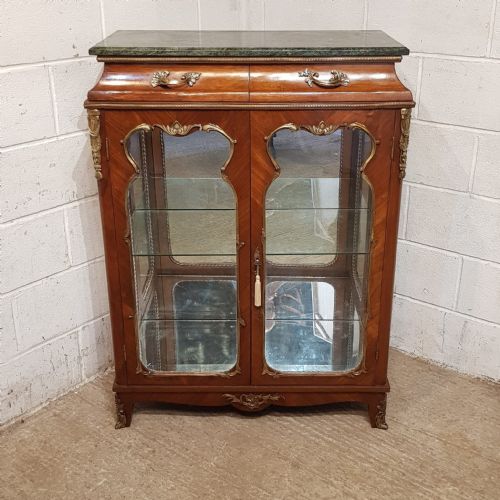
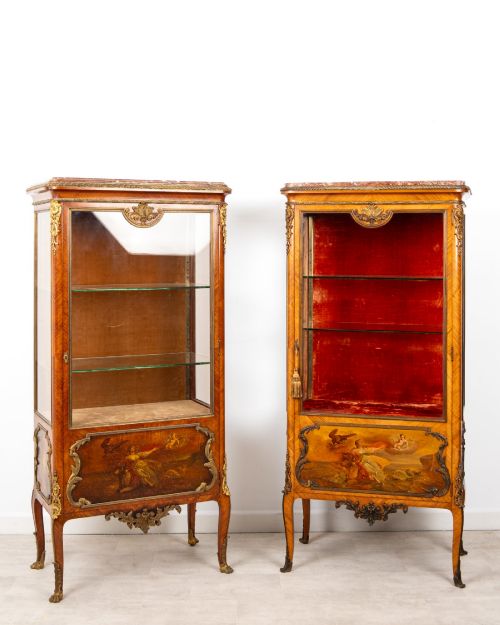
An ormolu glass vitrine is primarily a display cabinet built to exhibit delicate objects, ceramics, and curiosities behind glass panes. These pieces emerge predominantly in nineteenth-century French revival styles, alongside Victorian interpretations.
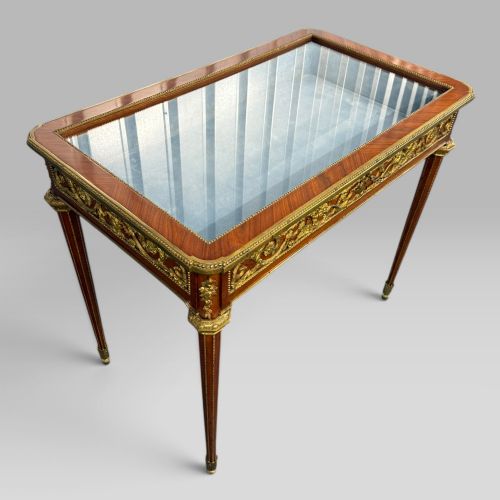
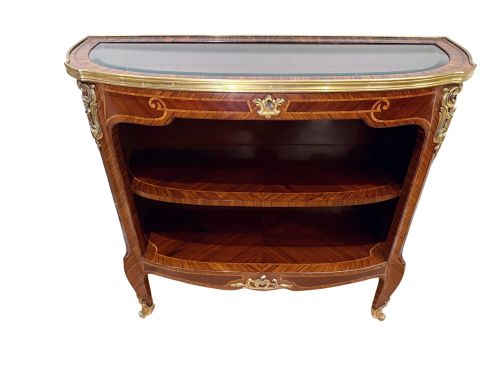
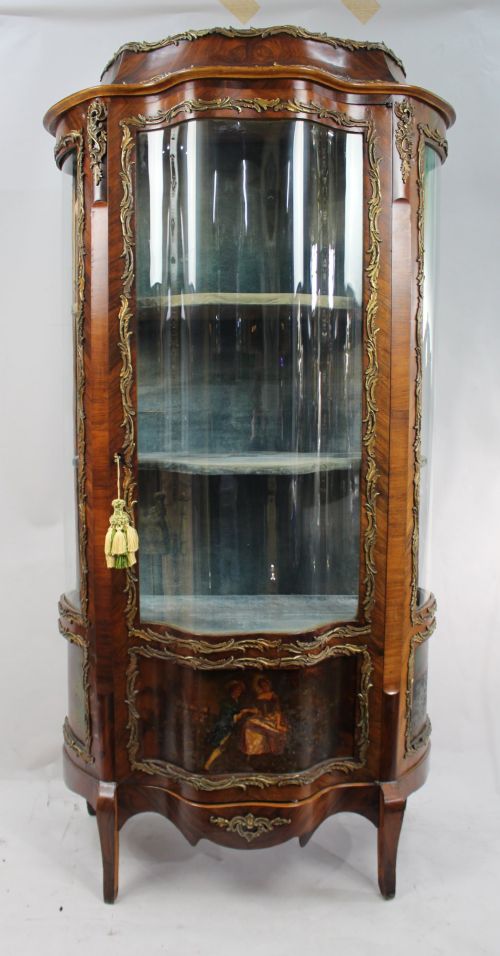
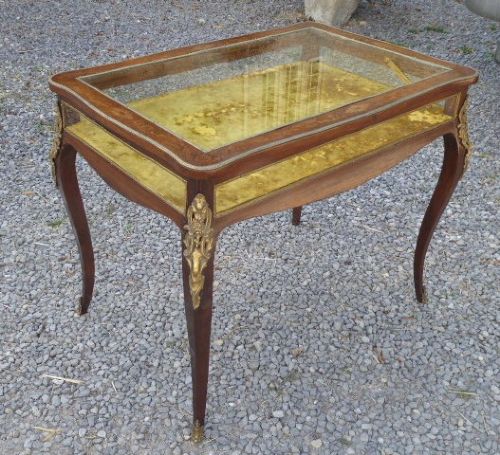
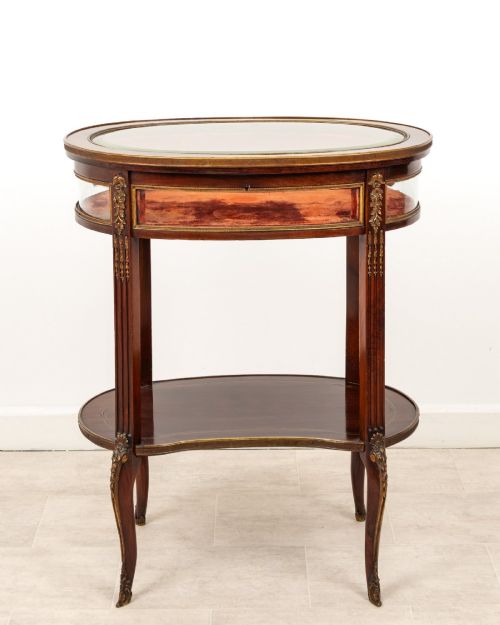
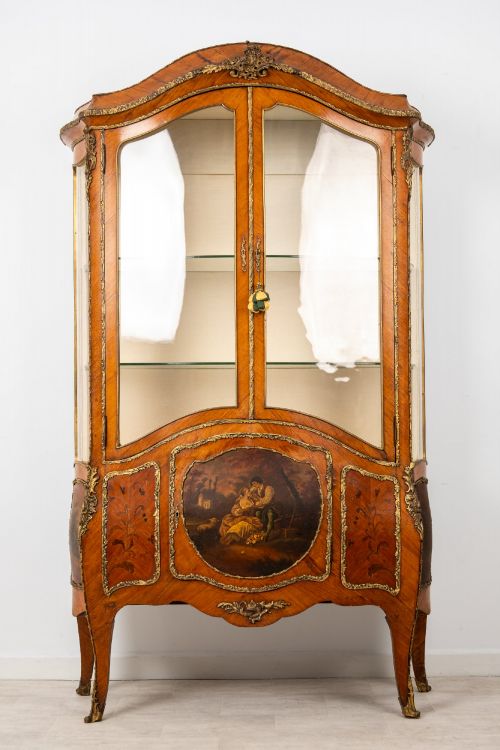
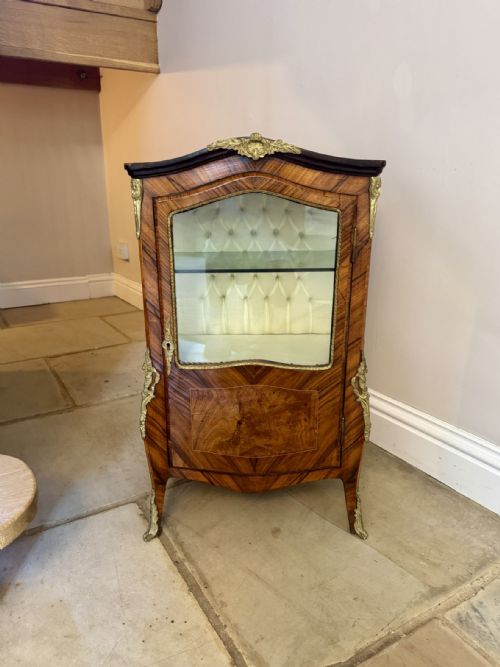
Buyers encounter freestanding display cabinets, corner cabinets, and bijouterie tables designed with glazed doors and sides. Many examples integrate marble tops or painted lower panels alongside their characteristic glass enclosures.
How they were made
Cabinetmakers utilised timber carcasses veneered in kingwood, mahogany, walnut, or amboyna, often incorporating marquetry and parquetry patterns. Ormolu, or gilt-bronze, mounts were cast and chased then fixed to corners, friezes, and feet.
Glass panels were shaped to fit curved doors or serpentine frames, while interiors frequently featured fabric or velvet linings. Painted panels in the Vernis Martin technique occasionally decorated the lower sections of these cabinets.
Many a Victorian collector discovered that velvet-lined shelves offered the ideal theatrical stage for miniature porcelain teapots.
What varies in quality
The standard of an ormolu glass vitrine depends heavily on the crispness and weight of the gilt-bronze mounts. Finer pieces display deeply chased ormolu details that fit the timber contours precisely rather than mass-produced generic metalwork.
Cabinet construction also dictates worth, seen in the selection of figured kingwood or mahogany veneers, the fluidity of serpentine shaping, and the integration of genuine marble tops or hand-painted Vernis Martin panels.
François Linke·H. J. Hatfield and Sons·Paul Sormani
The Ormolu Glass Vitrine Glossary
- Ormolu
- Gilt-bronze decorative mounts applied to furniture. This technique involves gilding a bronze base with gold amalgam.
- Vitrine
- A glass-fronted display cabinet used for showing porcelain, silver, and curiosities. The term derives from the French word for glass.
- Vernis Martin
- A simulated Japanese lacquer technique developed in France during the eighteenth century. It employs multiple layers of resin varnish, often featuring painted pastoral scenes.
- Bijouterie table
- A glass-topped display table designed for holding small personal ornaments and jewellery. These tables frequently stand on slender cabriole legs.
- Kingwood
- A dense, richly grained tropical timber utilised extensively for veneering fine French furniture. It displays dark violet and brown striping.
Ormolu Glass Vitrine: Frequently Asked Questions
What is an ormolu glass vitrine used for?
These cabinets were originally designed to protect and display precious porcelain, miniatures, and small decorative art objects. The glass panels allowed collectors to admire their acquisitions without exposing them to dust or handling.
Today, they serve the exact same purpose in domestic interiors. Owners use the glass shelving and internal velvet or fabric linings to highlight collections of glassware, ceramics, and family heirlooms.
How should I care for the ormolu mounts?
Ormolu mounts require gentle cleaning with a soft, dry cloth to remove dust. Avoid using abrasive metal cleaners or polishes, which can strip away the delicate gold gilt layer from the bronze underneath.
Take care when dusting near the timber veneer and glass panels to prevent accidental moisture damage. A soft brush can help clear dust from intricate chased recesses in the metalwork.
Where should I place a vitrine at home?
A vitrine requires a stable location away from direct sunlight to protect interior fabrics and any antique timber finishes from fading. Corner cabinets suit smaller rooms by utilising unused wall junctions effectively.
Freestanding cabinets and bijouterie tables perform best against solid walls where they receive adequate ambient light through their glass panes. Ensure the floor is level so the doors and glass panels hang correctly.