

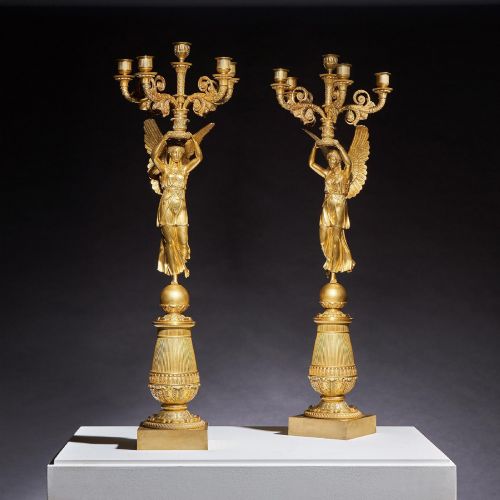
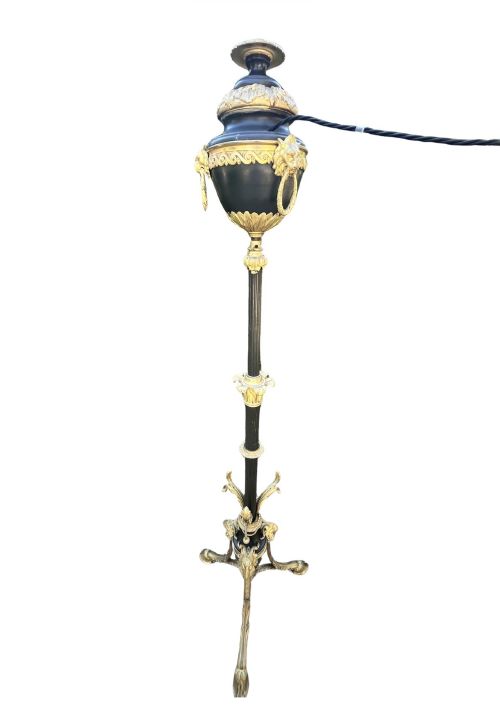
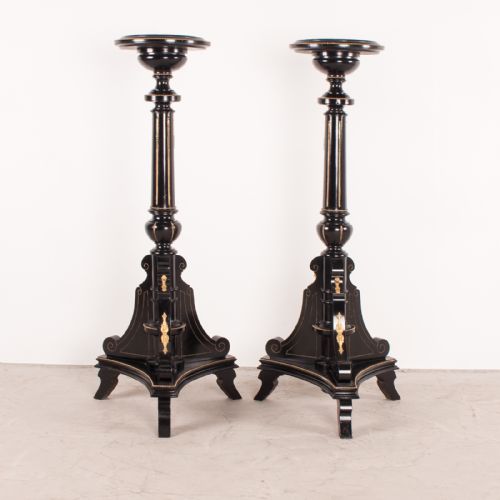
Ormolu Gilt Bronze Stand
When you search for an ormolu gilt bronze stand, you seek the heavy cast metalwork and mercury-gilded finishes that define nineteenth-century French and English decorative arts.
Ormolu Gilt Bronze Stand
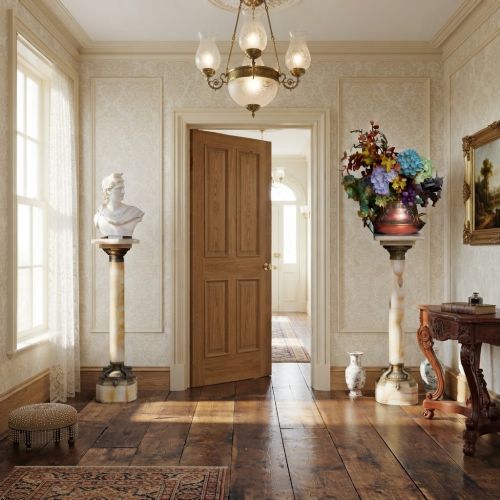
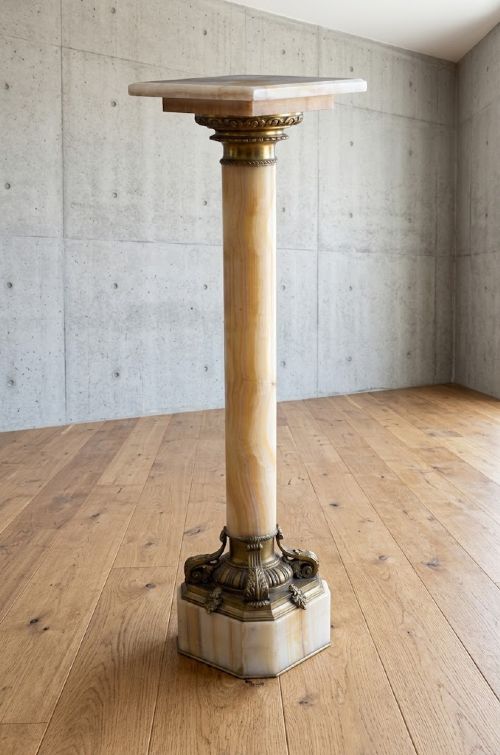
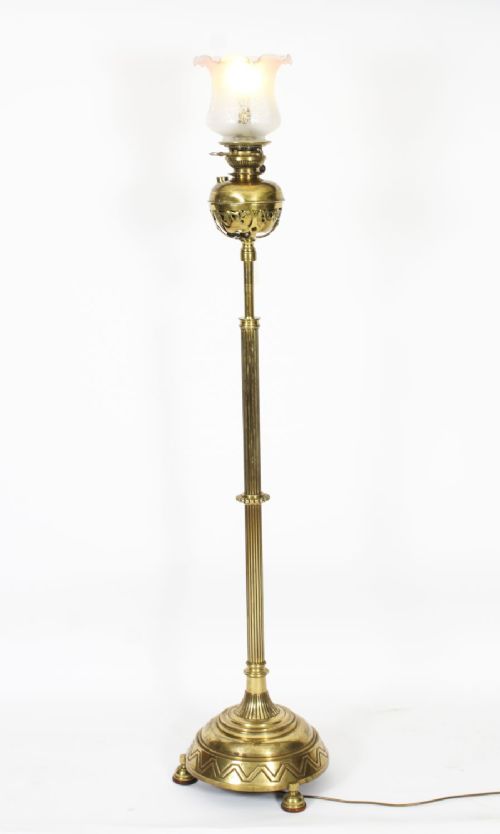
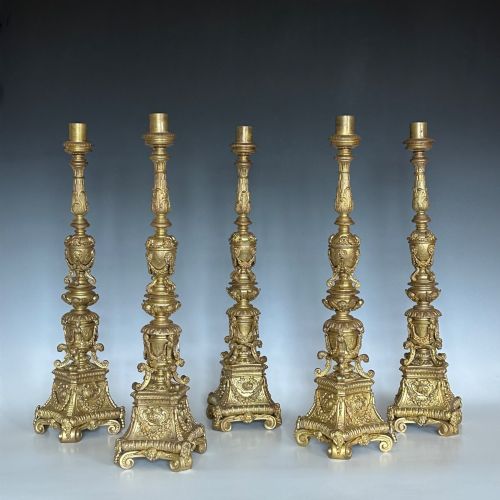
An ormolu gilt bronze stand encompasses a diverse group of objects designed to elevate or display other items, frequently appearing as pedestals, columns, and centrepiece bases. These pieces emerge predominantly from the nineteenth century, spanning Victorian, Regency, and various French periods including Empire, Napoleon III, and Second Empire.
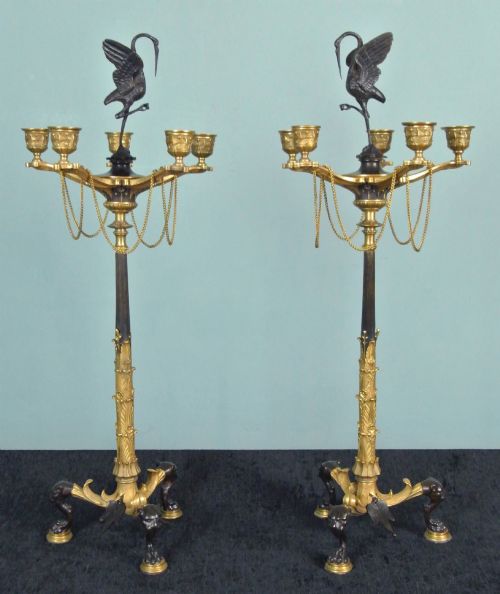
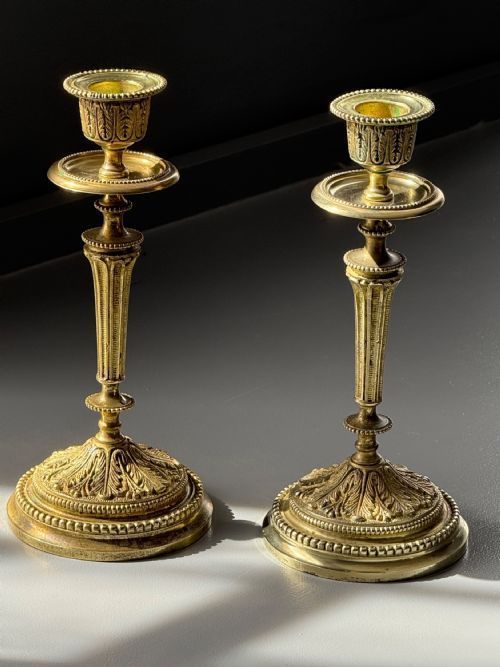
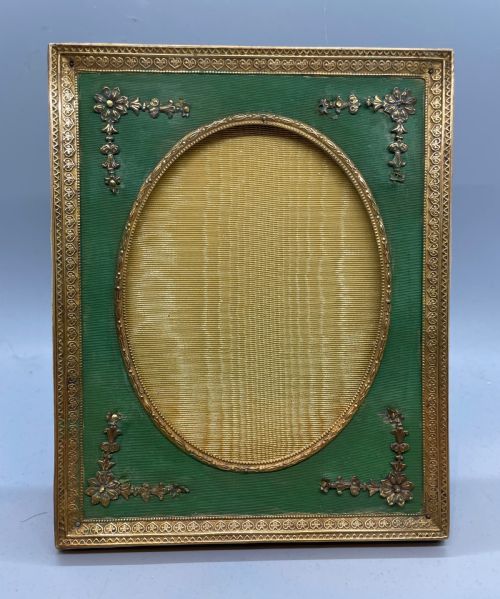
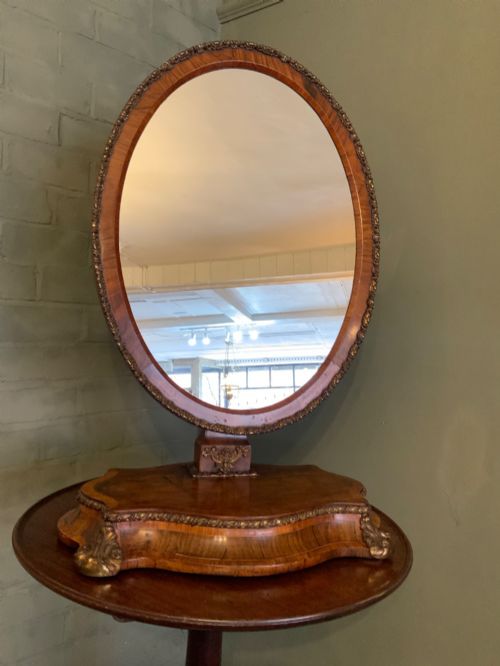
Beyond dedicated stands, the category includes functional desk accessories, jardiniere stands, and candelabra bases that incorporate gilt bronze mounts. Buyers commonly encounter these alongside related domestic furnishings featuring inlaid woods, marble, and patinated bronze.
The objects serve both architectural and decorative functions within domestic interiors, ranging from tall floor-standing display columns to small tabletop supports. Their forms reflect historical revival styles, notably Louis XVI, Rococo, and Régence aesthetics popular across European workshops.
How they were made
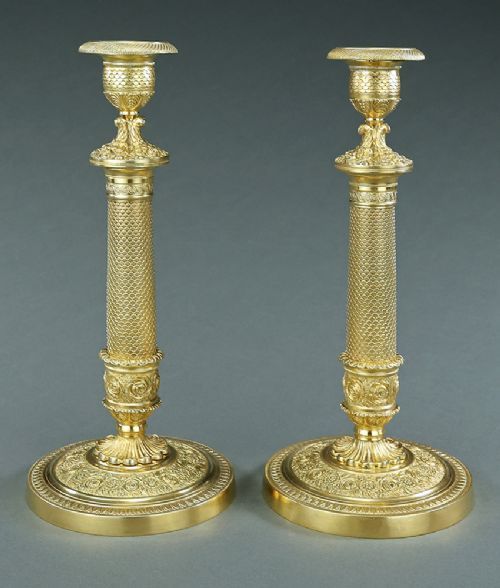
The primary construction relies on bronze and brass castings, shaped through intricate moulding and chased by hand to sharpen surface details. Artisans applied mercury gilding to impart the characteristic golden sheen known as ormolu, creating a durable and luminous metallic finish.
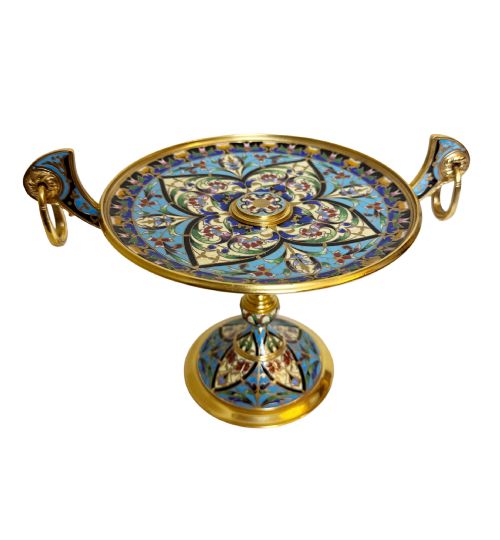
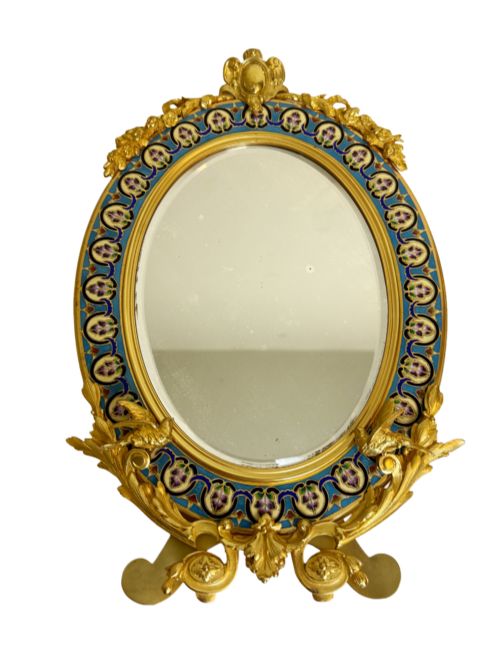
Many stands incorporate contrasting natural materials such as white and coloured marble, onyx, crystal, and exotic timbers like kingwood and walnut. Champleve enamel and patinated bronze often complement the gilt mounts, adding depth and varied texture to the finished object.
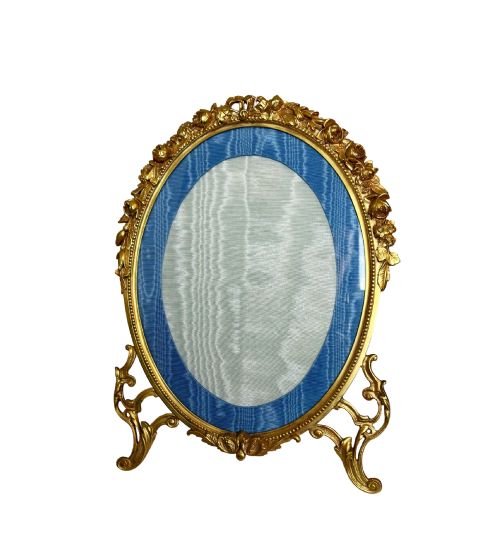
Listings feature 19th-century French Empire, Rococo Revival, and Victorian styles incorporating gilt bronze, marble, onyx, and champleve enamel.
What varies in quality
The depth and crispness of the hand-chasing on the bronze separate standard production from exceptional work, as finer pieces retain sharp architectural mouldings and deeply textured foliage. Superior casting shows no residual pitting or surface seams, maintaining smooth transitions across complex curves.
The integration of secondary materials dictates the overall calibre of the piece, particularly the selection of unblemished marble columns, uncracked onyx, and carefully fitted mounts. Signed or attributed pieces by notable founders demonstrate superior mastery of proportion and mercury application.
Barbedienne·Pierre Philippe Thomire·Rabiat
The Ormolu Gilt Bronze Stand Glossary
- Ormolu
- A gilded bronze finish created by applying an amalgam of gold and mercury to a bronze base and heating it. This technique produced a rich, enduring metallic lustre characteristic of luxury European decorative metalwork.
- Champleve
- An enamelling technique where troughs or cells are hollowed out of the metal surface and filled with vitreous enamel before firing. It frequently accents nineteenth-century gilt bronze frames, candlesticks, and desk pieces.
- Patinated bronze
- Bronze that has been chemically treated to alter its surface colour, ranging from deep brown to dark green. It provides a dark contrast against bright ormolu mounts.
- Jardiniere
- A decorative receptacle or stand designed to hold plants or flowers. These items often feature substantial ormolu mounts and porcelain plaques.
- Torchere
- A tall ornamental stand or floor lamp designed to hold a light source or display an object. They appear frequently in ebonised woods and heavy classical revival styles.
Ormolu Gilt Bronze Stand: Frequently Asked Questions
What is ormolu?
Ormolu refers to gilded bronze, specifically metalwork finished with a gold and mercury amalgam that gives it a bright, distinctively warm yellow tone. The technique requires considerable skill to achieve an even and lasting metallic coating.
In antique pieces, this finish resists tarnishing better than standard brass plating. It forms the decorative highlights on stands, candelabra bases, and furniture mounts.
How do I clean gilt bronze?
Cleaning requires only gentle dusting with a soft, dry cloth to prevent the accumulation of dirt in the recessed chased details. Water and chemical polishes should be avoided because they strip the original mercury gilding.
Preserving the aged surface texture maintains the historical integrity of the piece. Harsh abrasives will permanently damage the thin gold layer beneath.
Are these French or English?
The majority of these pieces originate from French workshops, particularly in Paris, following historical revival styles such as Empire and Rococo. English makers also produced similar gilt bronze mounts, often influenced by Regency design. Nomenclature in listings frequently distinguishes between French foundational periods and British Victorian equivalents. Examining the casting style and secondary woods helps identify the country of origin.
How do I date a stand?
Dating relies on stylistic clues, construction methods, and the combination of materials like onyx, champleve enamel, and specific timber veneers. Nineteenth-century pieces often reflect revivals of earlier Louis XIV, XV, or XVI aesthetics.
Maker signatures, registry marks, or attribution to known founders provide firmer chronological anchors. The weight and method of bronze casting also shift noticeably between the eighteenth and late nineteenth centuries.