
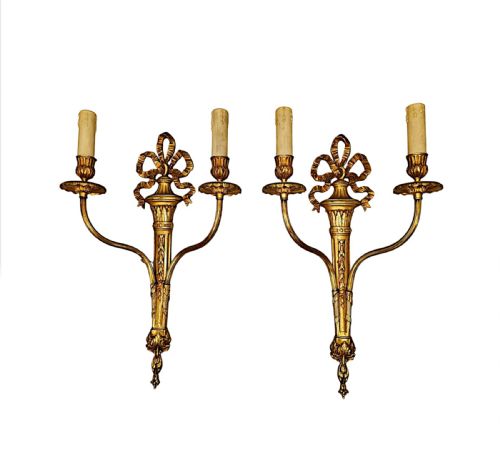
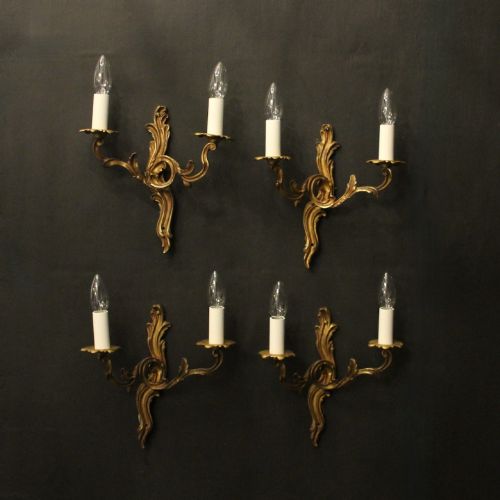
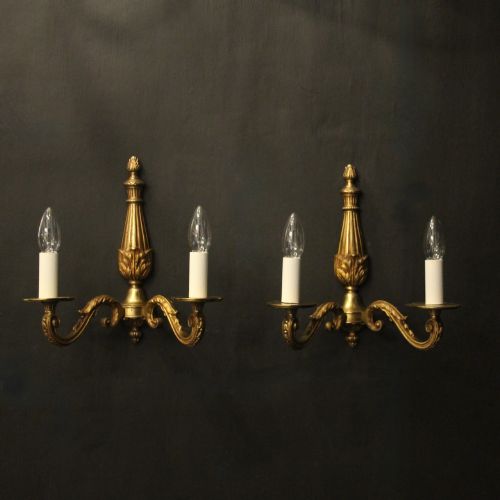
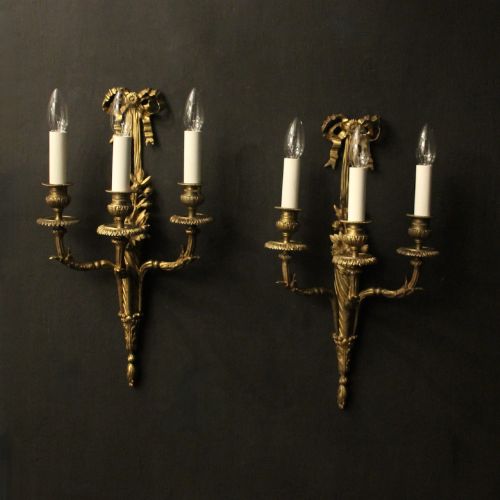
Ormolu Candle Sconces
Ormolu candle sconces bring sculptural warmth to walls, cast in gilt metal to catch the shifting light of evening.
Ormolu Candle Sconces
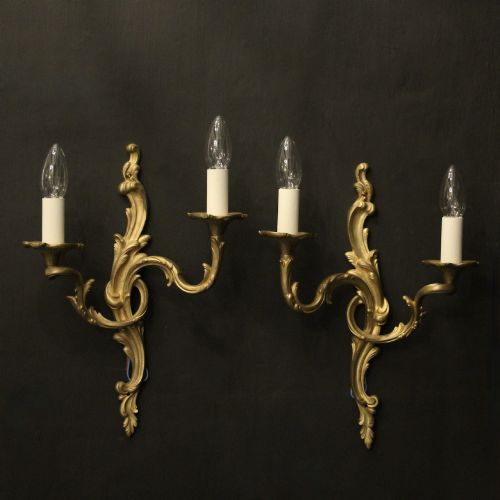
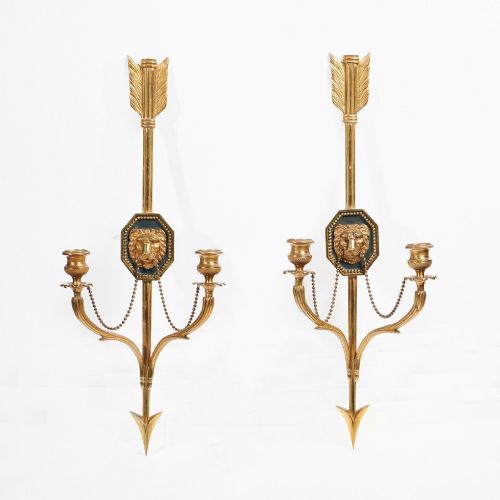
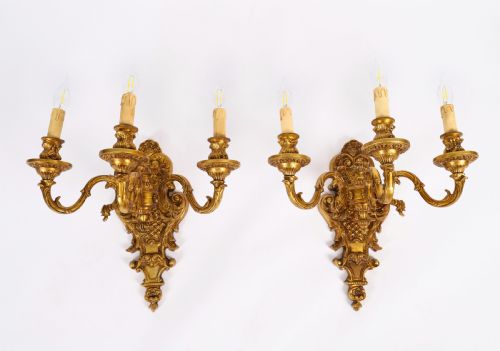
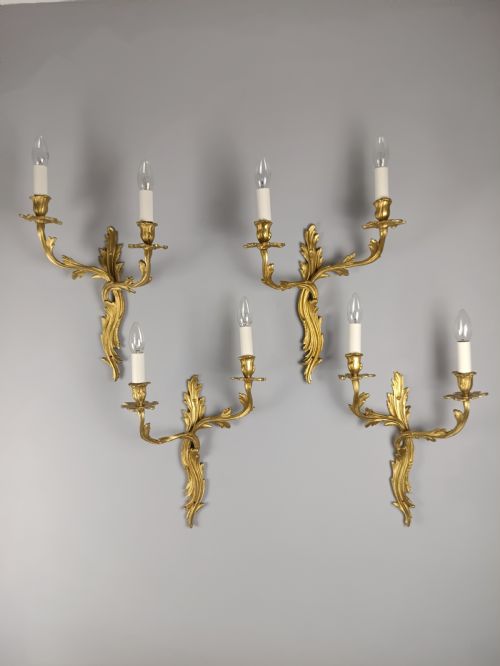
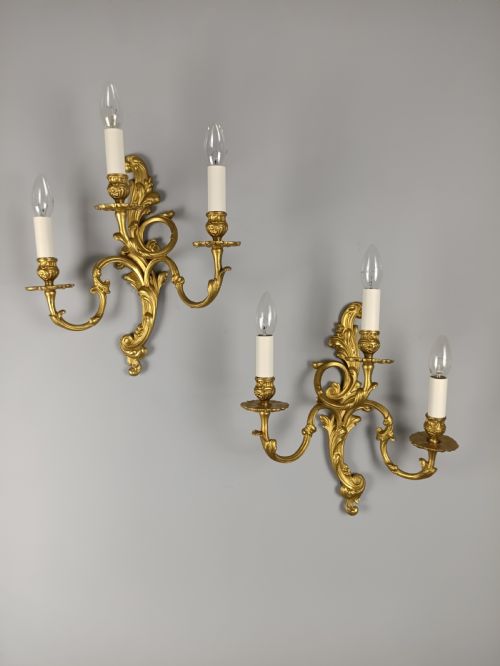
When you search for ormolu candle sconces, you encounter wall lights and appliques designed to hold candles and reflect illumination into a room. The items on this page are predominantly French pieces originating from the nineteenth and early twentieth centuries, spanning the years from eighteen-fifty to nineteen-thirty.
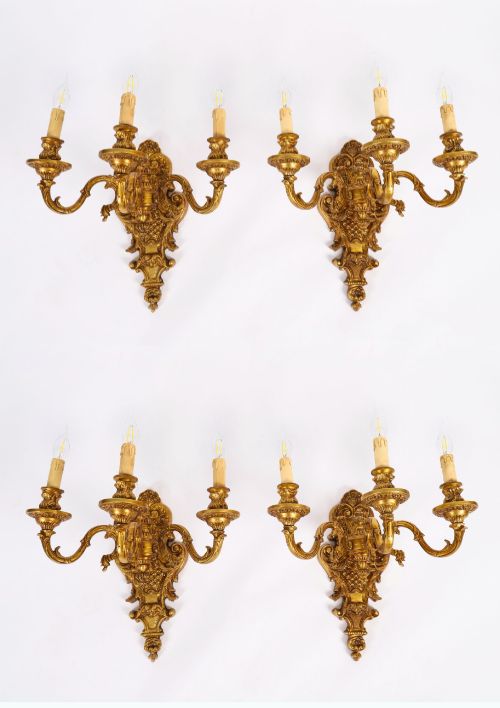
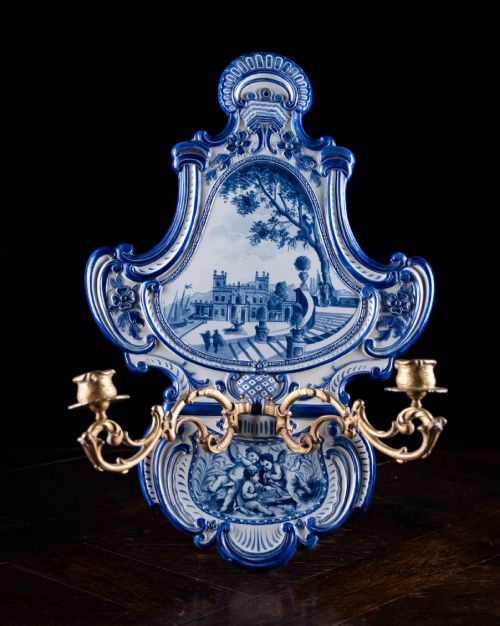
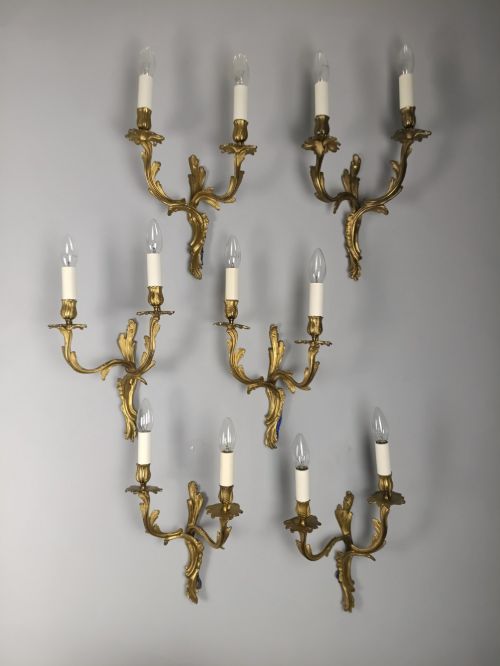
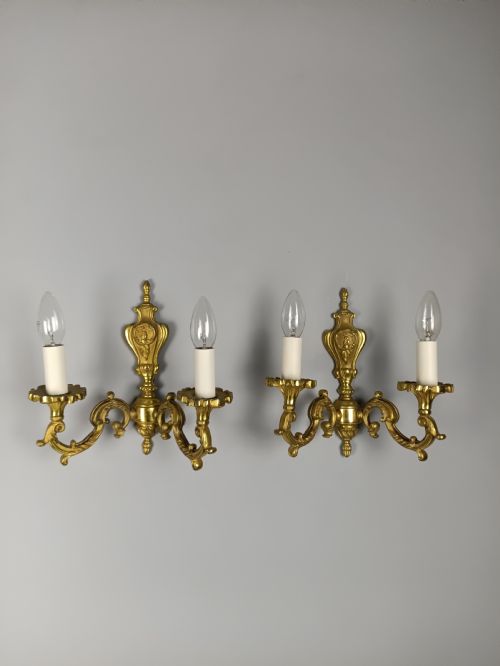
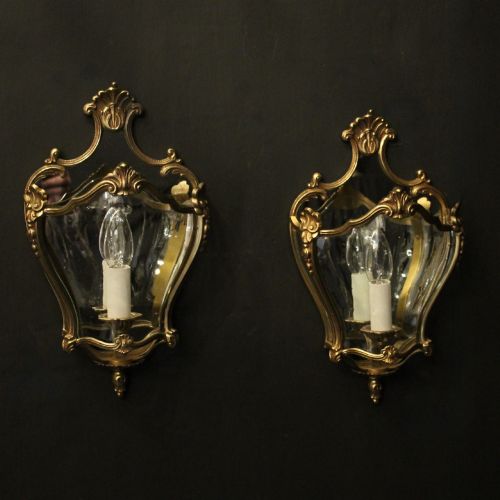
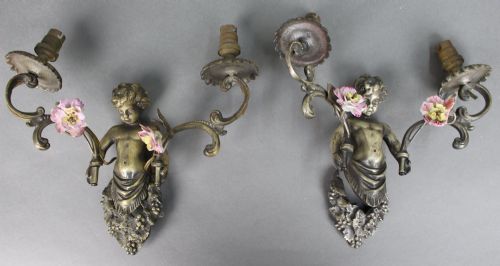
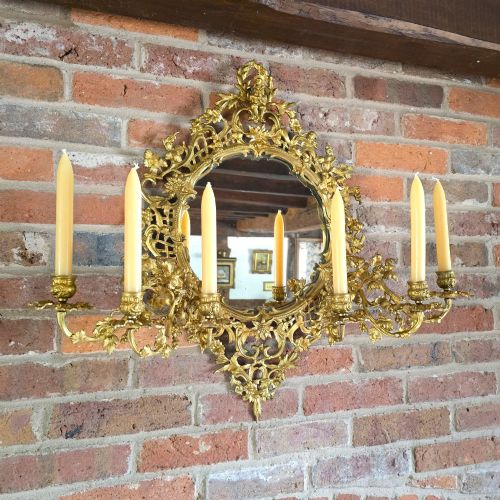
The forms vary from simple single-arm brackets to large sets of multiple branches, often styled in the French Rococo, Louis XVI, or Neoclassical manner. Many examples incorporate twin or triple arms, whilst others integrate mirrors, cherubs, or porcelain elements into the wall plate.
Originating largely from French workshops, these fixtures served both a decorative and a practical purpose in period interiors. You will find them grouped in pairs or larger sets, with brass and bronze forming the structural body behind the gilt surface.
How They Were Made
The foundation of these pieces relies on cast bronze or brass, shaped into detailed scrolls, figures, and armatures through metalworking techniques. Artisans then applied fire gilding or chemical finishing to create the distinct golden or patinated surface known as ormolu.
Secondary materials such as marble, onyx, and porcelain occasionally complement the metal frame, secured with pins or screws. Many surviving examples have been adapted for electricity while retaining their original cast metal bodies.
Ormolu Candle Sconces Retail Price Guide 2026
Typical asking prices for ormolu candle sconces among the pieces listed under this phrase on Sellingantiques today, from the lower quarter to the upper quarter. They describe what is for sale here now, not the wider market.
Several sconces peer out from the wall supported entirely by stone cherubs and ram heads.
What Varies in Quality
The crispness of the chasing and the depth of the casting separate simpler production from superior work. Finer examples display sharp relief in the acanthus leaves, cherubs, and masks, whereas lesser pieces show softer, shallower detailing from worn moulds.
The preservation of the original gilt surface dictates much of the character, with heavier applications retaining a richer lustre over the bronze substrate. The weight of the metal and the structural integrity of the backplates also indicate the standard of the original manufacture.
Villeroy and Boch
The Ormolu Candle Sconces Glossary
- Ormolu
- Gilded bronze, produced by applying a mercury and gold amalgam to a bronze base and heating it until the mercury vaporised. This historic technique creates a durable, warm golden finish.
- Applique
- A wall-mounted light fixture or sconce designed to project illumination forward into a space. The term is frequently used interchangeably with wall light in French pieces.
- Girandole
- An ornamental branched wall light, often incorporating a mirror on the backplate to multiply the flickering reflection of the candles. They provide a decorative focal point for a room.
- Chasing
- The hand-tooling of metal surfaces with punches and chisels after casting. This process sharpens details and adds texture to leaves, scrolls, and figures.
- Rococo
- A decorative style characterised by asymmetrical scrolls, shell motifs, and naturalistic curves. It appears frequently in nineteenth-century French lighting designs.
Ormolu Candle Sconces: Frequently Asked Questions
How do I date an ormolu sconce?
Dating relies on stylistic clues, casting quality, and assembly methods such as the type of screws or fixings used on the backplate. Nineteenth-century pieces often display heavier cast bronze and hand-chased details compared to later reproductions.
Changes in patination and the wear of the gilt surface over the bronze also provide indicators of age. Comparing the decorative motifs to known periods like Louis XVI or the Rococo revival helps narrow down the decade of manufacture.
Were these sconces originally wired for electricity?
These fixtures were designed exclusively to hold wax candles or oil before modern electrification. The arms and drip pans accommodated tallow or wax rather than electrical wiring.
Most surviving examples have been rewired at some point in their history to function safely as modern wall lights. Conversion work is usually integrated through the existing central channel without altering the external bronze structure.
How should I clean ormolu wall lights?
Cleaning requires only gentle dusting with a soft, dry brush to remove accumulated particles from the recessed chased details. Harsh metal polishes or abrasive cloths will strip the delicate surface layer of gilding.
Water and chemical solvents should be avoided to protect both the bronze substrate and any secondary materials like marble or porcelain. Professional conservation is recommended if the metal requires deeper intervention.
What is the difference between ormolu and gilded brass?
Ormolu specifically denotes fire-gilded bronze, where a mercury-gold amalgam was bonded to a bronze casting through heat. Gilded brass typically uses a thinner or different application method upon a softer yellow brass base.
Bronze provides a heavier, more rigid foundation that accepts fine chasing work much better than brass. Listings often group these materials together under general gilt descriptions, but weight and colour reveal the difference.