
Ormolu Bronze Table Lamp
An ormolu bronze table lamp brings the warmth of gilded metal and cast bronze into a room, combining practical lighting with decorative presence.
Ormolu Bronze Table Lamp
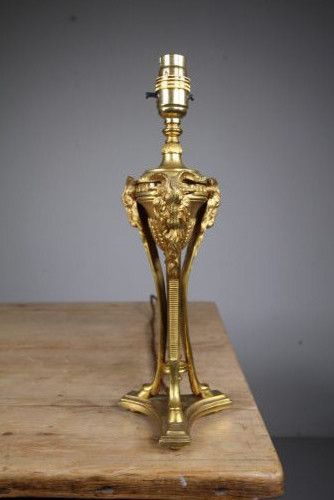
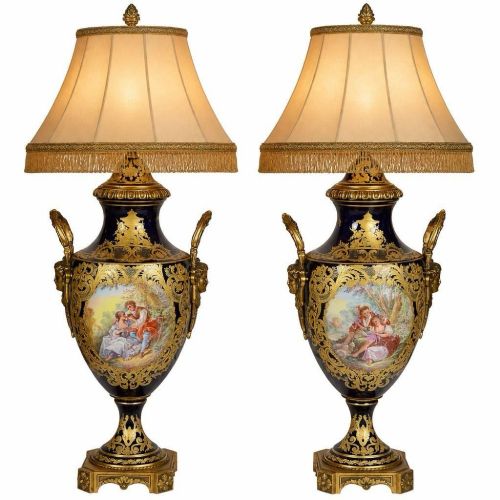
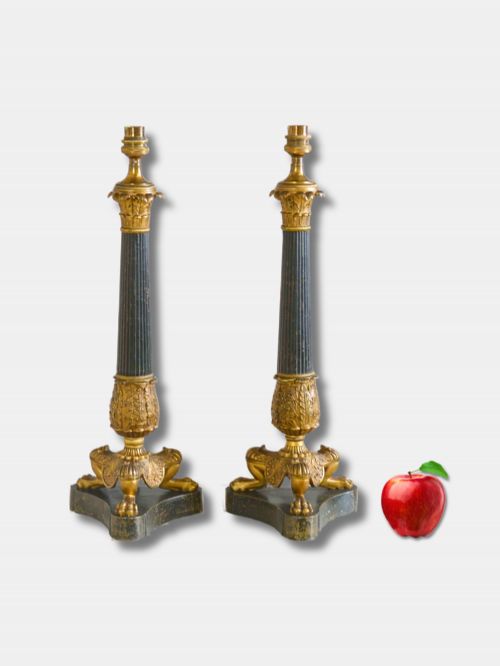
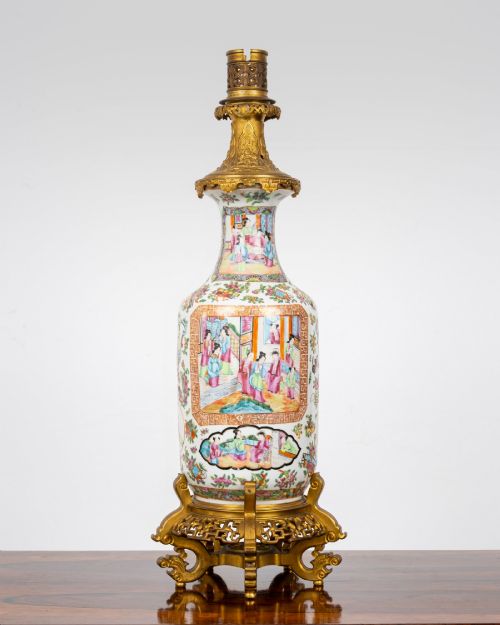
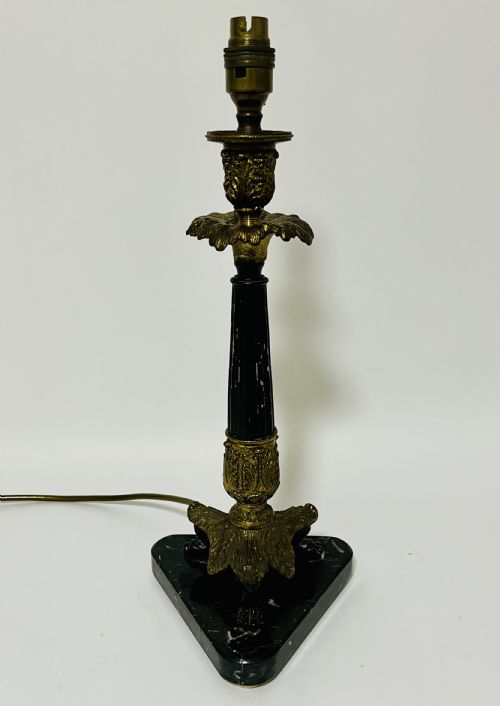
An ormolu bronze table lamp is a lighting fixture formed from cast bronze with a mercury or galvanic gilt finish, frequently paired with materials such as marble, porcelain, onyx, and crystal. When searching this phrase, a buyer encounters pieces originating predominantly from the nineteenth century, alongside turn-of-the-century examples and productions drawing on earlier French aesthetics.
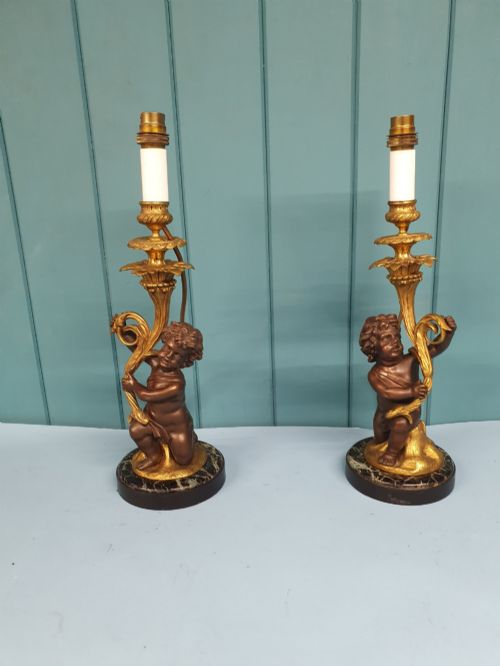
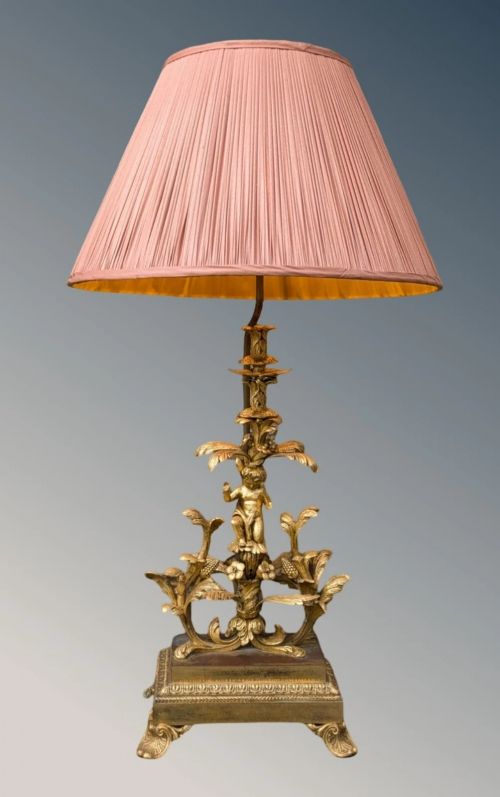
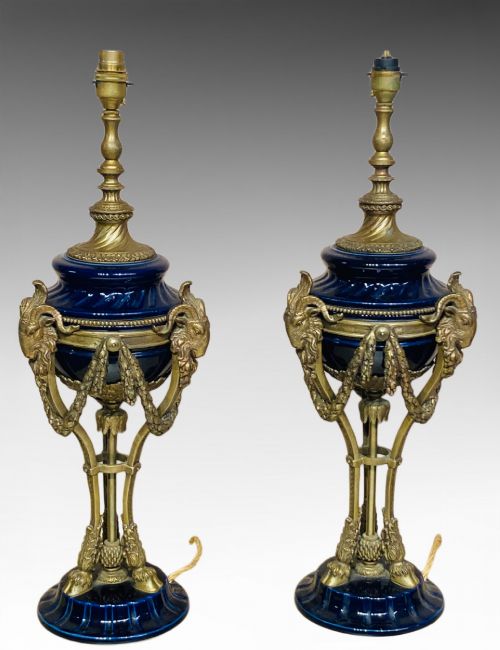
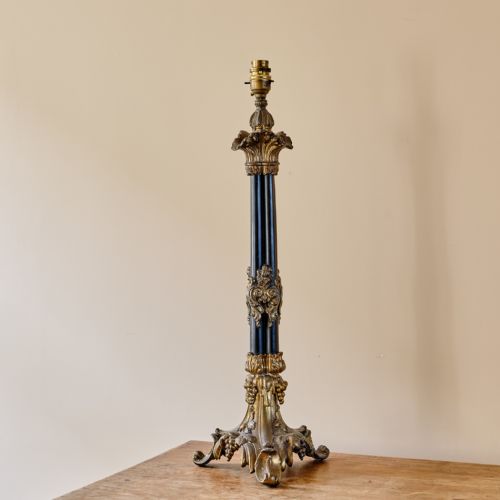
The surviving forms range from single column standards and figural cherub designs to adapted cassolettes and vases mounted with classical gilt bronze handles, rams' heads, or lion paw feet. French workshops dominate the selections, working primarily within Louis XV, Louis XVI, Empire, and Rococo revival idioms, though English Regency and William IV specimens also appear.
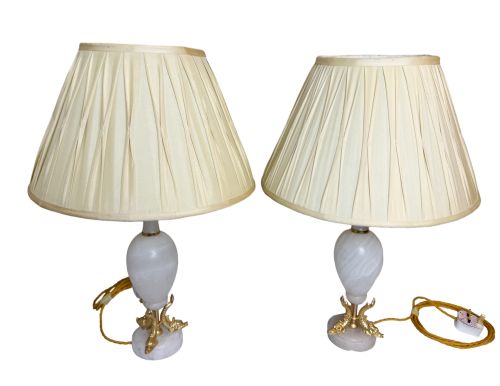
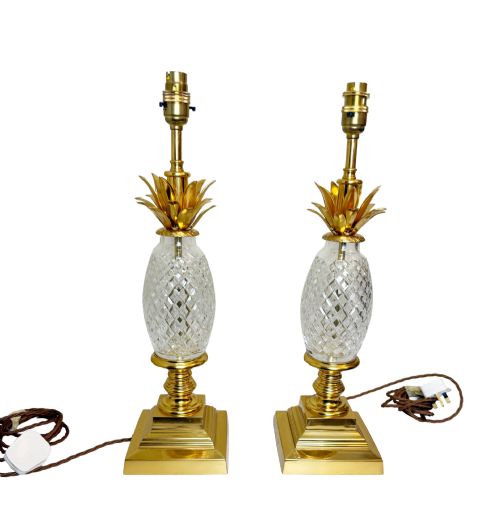
Most examples function as principal accent lighting for side tables, occasional tables, or desks, combining heavy cast metal bases with fabric shades. Pairs occur frequently alongside single lamp bodies, providing symmetrical options for mantelpieces or larger furniture groupings.
How they were made
The foundational structure relies on bronze or brass cast in multiple sections using traditional sand-casting or lost-wax methods, allowing for crisp botanical details, scrolling foliage, and sculptural figures. After casting, the components undergo meticulous hand-chasing to sharpen the surface relief before the application of the gold amalgamation or electroplated ormolu finish.
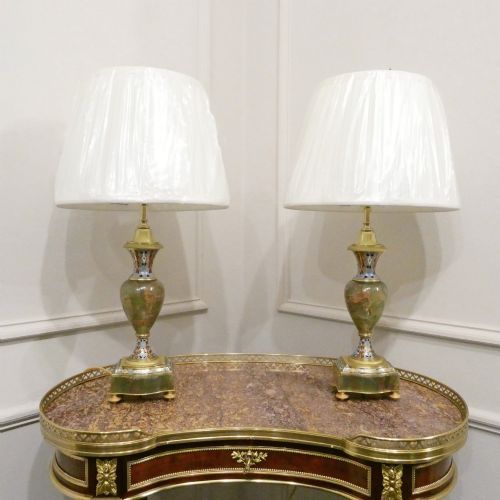
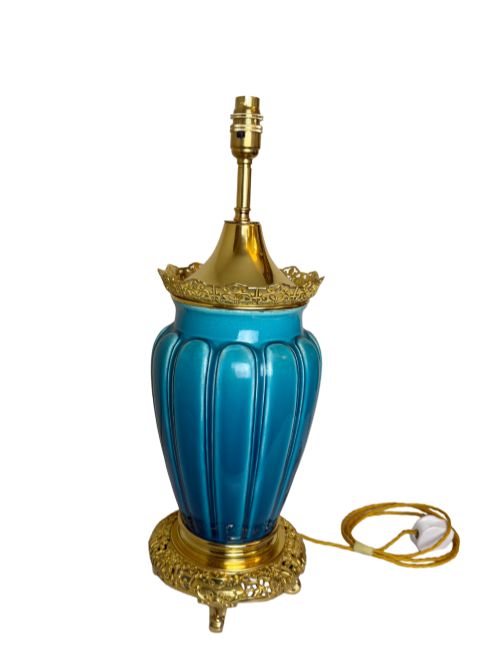
Many designs incorporate structural elements of white, rouge, or black marble, alongside turned onyx columns, porcelain bodies in blue glaze or Sevres style, and crystal reservoirs. These non-metallic components are secured via threaded central brass rods that hold the weighted base, decorative mounts, and electrical or original burner fittings together securely.
Several bronze cherubs hold aloft lighting standards, appearing entirely unbothered by their centuries-long duty as domestic illuminators.
What varies in quality
The distinction between standard and superior pieces rests largely in the crispness of the bronze chasing and the depth of the original gilding. Master metalworkers achieved varied textures across a single surface, contrasting burnished highlights with matte fire-gilt areas to create visual depth, whereas lesser examples present uniform, flat metallic finishes.
Heavier gauge bronze castings, substantial marble plinths, and robust mounting hardware separate distinguished atelier pieces from commercial production. The integration of mounts into the primary stone or ceramic body also indicates grade; high-grade items feature mounts custom-moulded to the exact contours of the vessel or column.
The Ormolu Bronze Table Lamp Glossary
- Ormolu
- Gilt bronze produced by applying a finely ground mercury and gold amalgam to a bronze object before heating to vaporise the mercury. This historic technique yields a rich, soft golden lustre that differs distinctly from modern electroplating.
- Chasing
- The hand-tooling of a metal surface with chisels and punches after casting to refine details, clean up seams, and add texture. Superior chasing distinguishes high-end French decorative metalwork from mass-produced castings.
- Cassolette
- A decorative vase or vessel, often featuring a reversible lid that transforms it from a container into a burner or candle holder. In lighting forms, these bodies are drilled and wired to serve as lamp bases while retaining their classical mounts.
- Champleve
- An enamelling technique where troughs or cells are hollowed out of a metal surface and filled with vitreous enamel powder before firing. Pieces featuring this technique often incorporate rich turquoise or multi-coloured decorative bands alongside gilt bronze trim.
- Empire
- A neoclassical design style spanning the late eighteenth and early nineteenth centuries, defined by military motifs, classical foliage, sphinxes, and heavy gilt bronze mounts. Pieces from this aesthetic draw directly upon ancient Roman and Greek archetypes.
Ormolu Bronze Table Lamp: Frequently Asked Questions
How do I date an ormolu lamp?
Dating relies upon stylistic markers, casting methods, and the integration of electrical components versus older fuel or gas fittings. Nineteenth-century examples often display hand-filed seams and heavy bronze gauge, whereas later twentieth-century reproductions utilise machine-tooled fittings and lighter metal alloys.
Examination of the mounting screws, threading, and wear patterns on the gilt surface further clarifies whether a piece belongs to the Regency, Victorian, or Edwardian eras.
Are these lamps wired for modern use?
Most antique lamps encountered on the market have been adapted for contemporary electrical standards, frequently featuring modern twisted silk flex and standard bulb holders. Buyers should inspect the internal wiring and consult a qualified electrician to ensure safety compliance with current domestic regulations.
Original weights and structural rods are typically retained during rewiring to maintain the stability of the heavy bronze and marble bases.
How should I clean ormolu bronze?
Maintenance requires gentle dusting with a soft, dry microfibre cloth to prevent the accumulation of grit within the chased recesses of the metal. Aggressive metal polishes, abrasive cloths, and chemical cleaners must be avoided entirely, as they strip away the delicate historic gold gilt layer.
Marble or porcelain sections associated with the metal mountings can be wiped gently with a barely damp cloth, ensuring moisture does not seep into older electrical components.
What styles are most common?
French Rococo Revival and Louis XVI neoclassical styles dominate the available inventory, characterised by asymmetrical acanthus scrolls or strict architectural symmetry respectively. Empire style examples also appear frequently, bringing bolder classical columns, paw feet, and martial motifs to the table.
Occasional English Regency and William IV pieces introduce alternative interpretations featuring faux lapis lazuli columns and heavier bronze castings.