

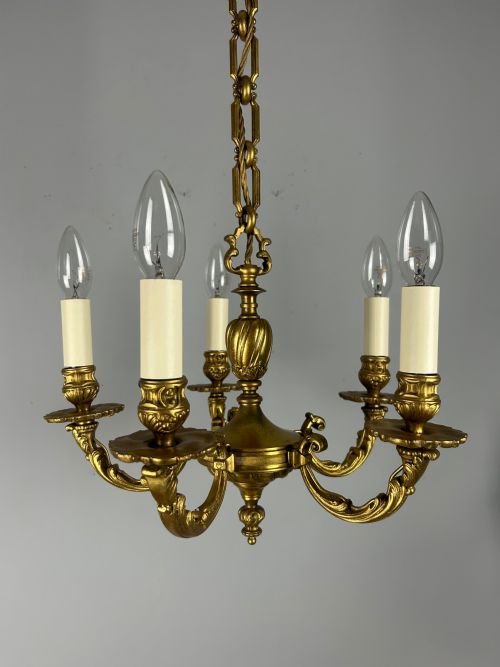
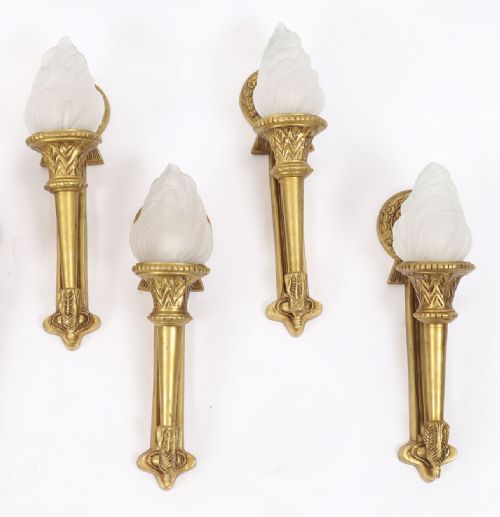

Ormolu Brass Light Fitting
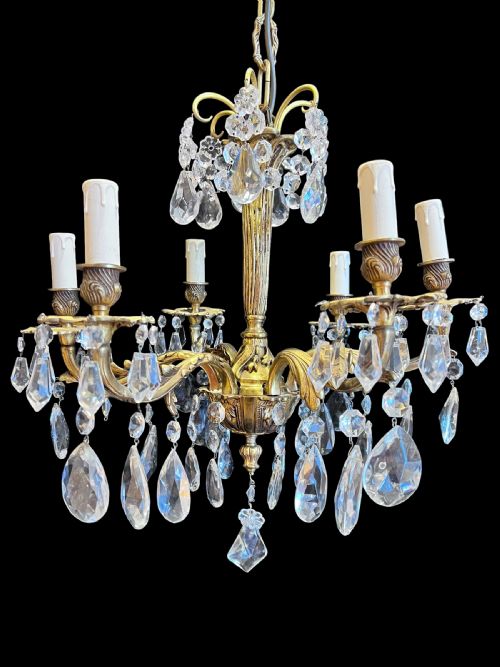
An ormolu brass light fitting brings warmth and historic gravity to a room through gilded metalwork and cut crystal.
Ormolu Brass Light Fitting
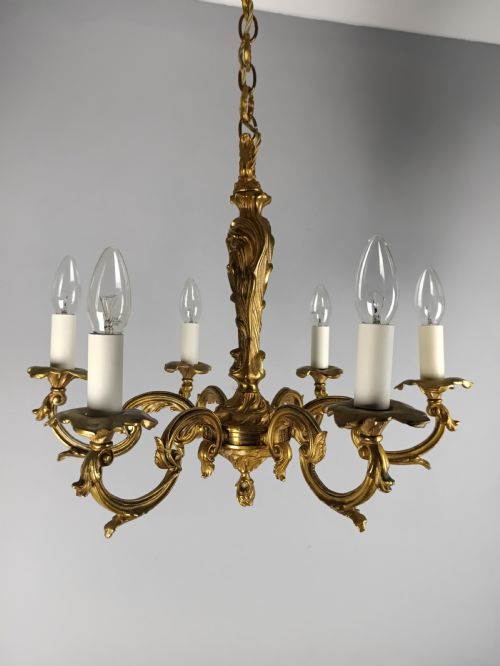
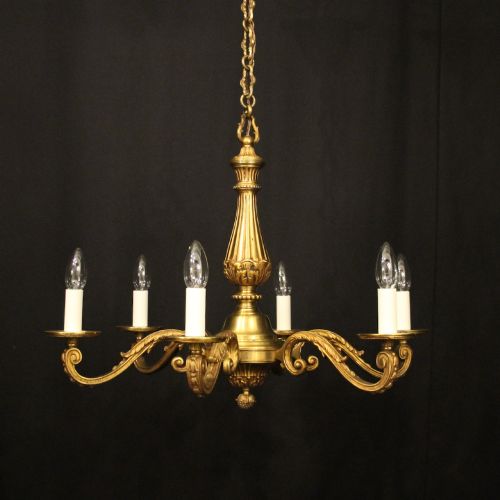
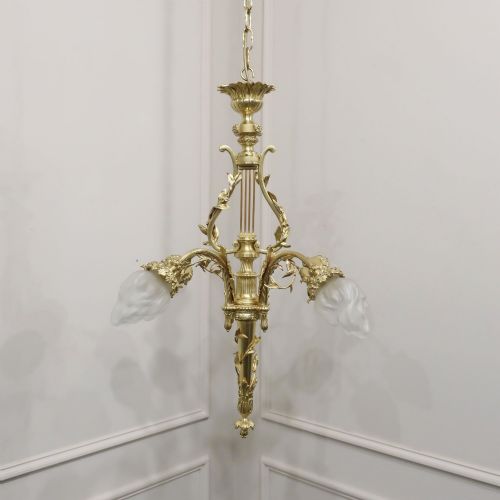
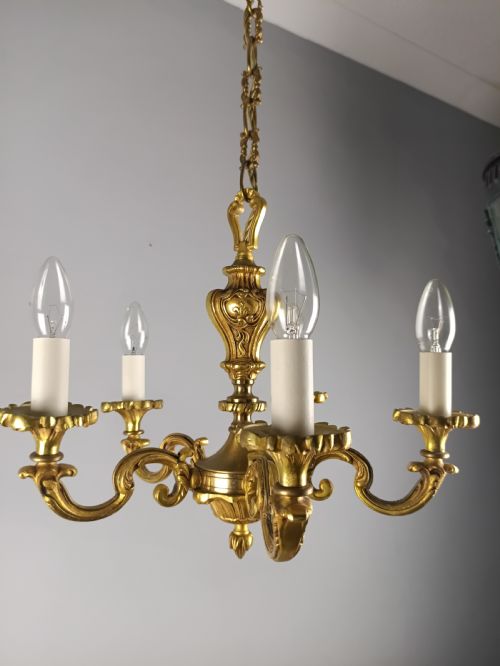
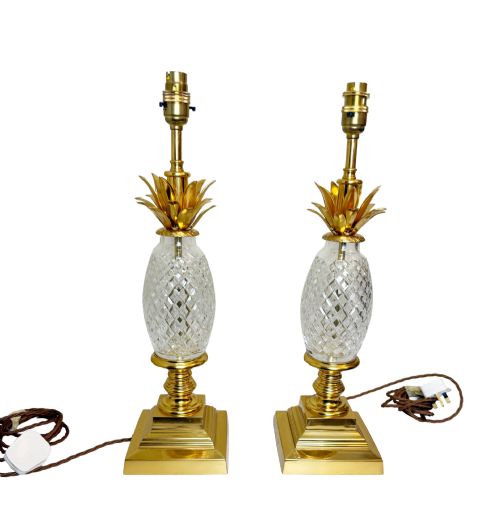
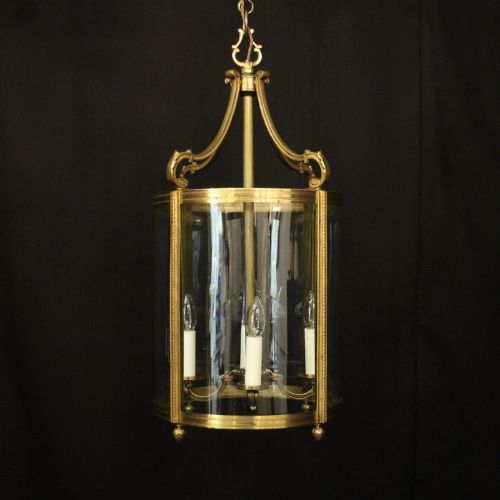
An ormolu brass light fitting is typically a French chandelier, wall light, table lamp, or hall lantern shaped by styles such as French Rococo, Empire, and Neo-Classical. These pieces originate predominantly from the nineteenth century, the Edwardian era, and the early decades of the twentieth century.
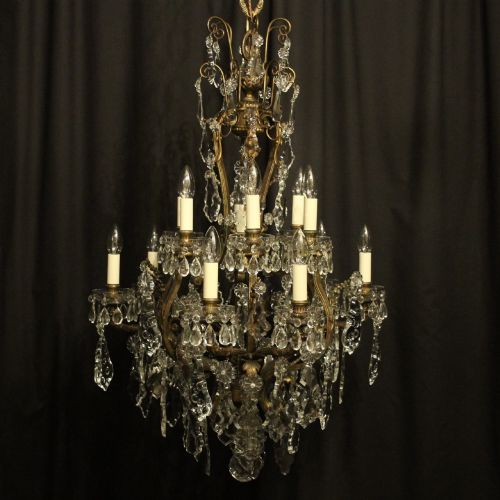
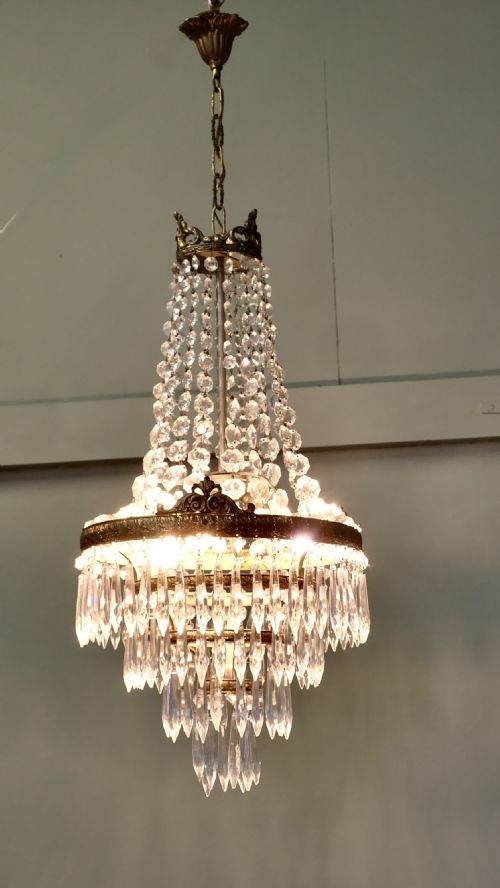
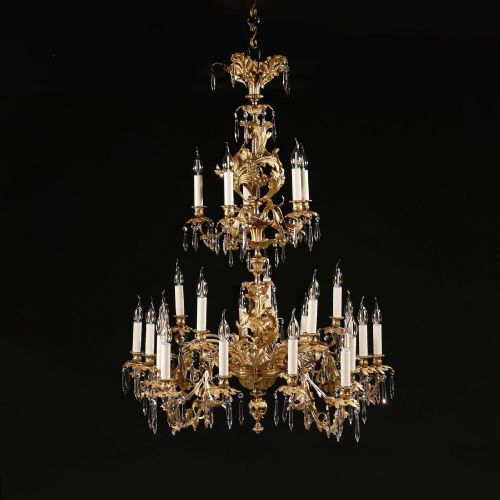
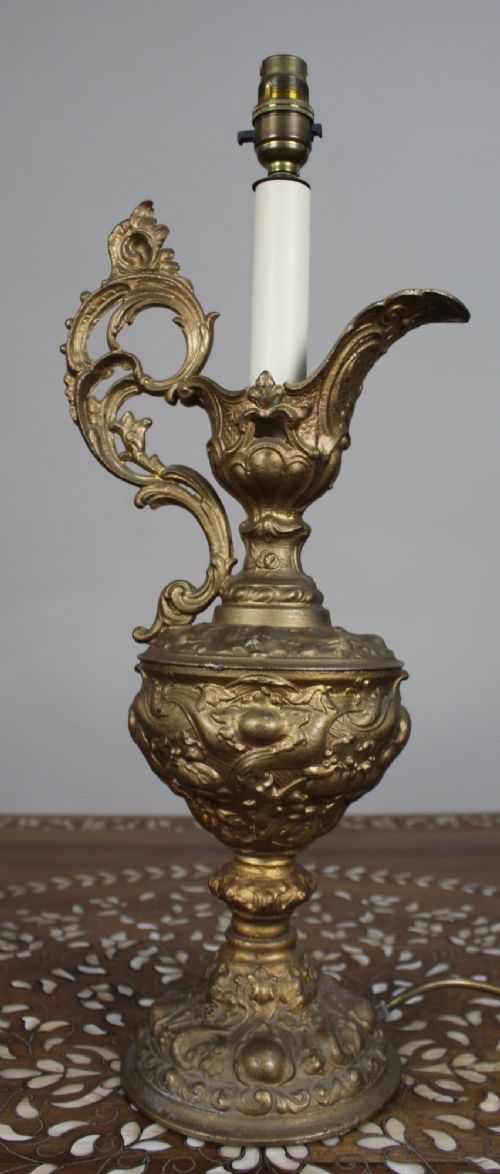
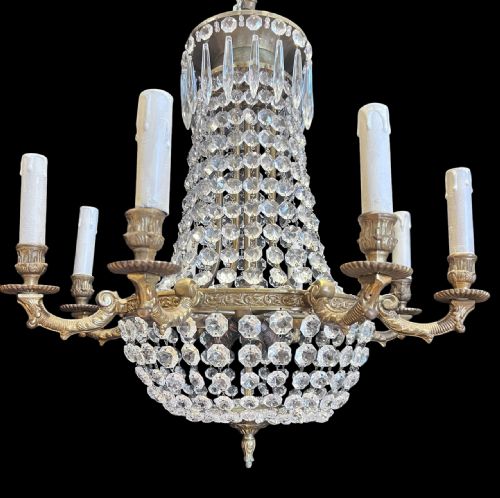
The most common form encountered on this page is the multi-light chandelier, often wired for multiple bulbs and embellished with crystal drops or waterfall arrangements. Wall lights, sconces, and table lamps in gilded metals also appear frequently across the listings.
How they were made
Makers cast bronze or brass components into detailed frames, applying mercury gilding or modern electroplating to create the characteristic ormolu surface finish. These metallic structures are assembled alongside hand-cut glass and crystal drops, beads, or pendeloques.
Lighting forms range from simple single-tier frames to elaborate double-tiered chandeliers, birdcage designs, and tent-and-waterfall configurations incorporating numerous candle arms.
Listings feature items spanning the nineteenth century through the 1930s, constructed primarily from brass, gilt bronze, and cut crystal.
What varies in quality
Quality rests in the crispness of the cast ornamentation and the depth of the gilding on the bronze or brass body. Finer examples display sharp chasing work on acanthus leaves, flaming torches, or figural mounts rather than soft, simplified casting.
The integration of the glass elements also distinguishes pieces; high-grade items utilise heavily cut crystal drops with sharp facets that refract light cleanly, paired with robust internal wiring channels and structurally sound armature frames.
The Ormolu Brass Light Fitting Glossary
- Ormolu
- A gold-coloured alloy of copper, zinc, and sometimes tin, applied to bronze or brass objects to give a rich, durable metallic sheen. This finish defines much of the decorative metalwork found on classical lighting.
- Chandelier
- A branched ornamental ceiling light designed to hold multiple lamps or candles. These fixtures range from intimate three-light assemblies to grand double-tiered installations.
- Pendeloque
- A hanging crystal drop, often pear-shaped or teardrop-cut, suspended from lighting frames to catch and scatter illumination. These glass elements are typical of waterfall and tent chandeliers.
- Empire
- A neoclassical design style spanning the late eighteenth and early nineteenth centuries, characterised by militaristic motifs, classical symmetry, and heavy gilt bronze mounts.
Ormolu Brass Light Fitting: Frequently Asked Questions
How do I clean crystal chandeliers?
Dust the metal frame and glass components gently with a soft brush or microfibre cloth to remove surface particles. For deeper cleaning, apply a specialist glass cleaner to a cloth and wipe individual drops rather than spraying the fixture directly.
Take care to avoid harsh chemical cleaners that might strip the ormolu surface finish from the surrounding brass or bronze armature. Ensuring the fitting is switched off or disconnected during maintenance prevents electrical hazards.
Are these lights wired for modern electricity?
Many antique light fittings have been adapted for contemporary electrical standards, though rewiring remains a prudent step for older installations. Consulting a qualified electrician ensures the internal cabling safely supports current household voltage.
Original brass and bronze frames can generally accommodate modern lamp holders with minor adjustments. It is advisable to inspect the internal wiring paths before hanging any heavy multi-arm fixture.
How do I date an ormolu light fitting?
Dating relies on stylistic clues, casting techniques, and the cut of any accompanying crystal drops. Nineteenth-century pieces often display heavier cast bronze bodies and hand-cut glass, while Edwardian and 1920s examples may incorporate lighter brass elements.
Comparing the decorative vocabulary, such as Rococo curves versus Neoclassical symmetry, helps place the fixture within a specific historical period. Construction methods like screw types and joint fittings provide further chronological indicators.