
Ormolu Bedside Lamp
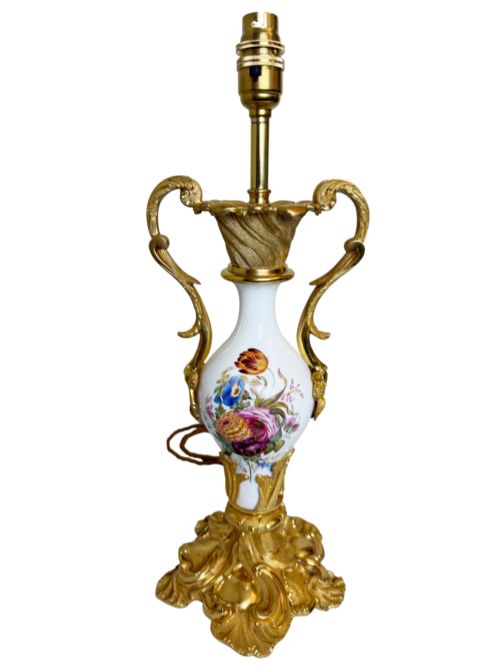
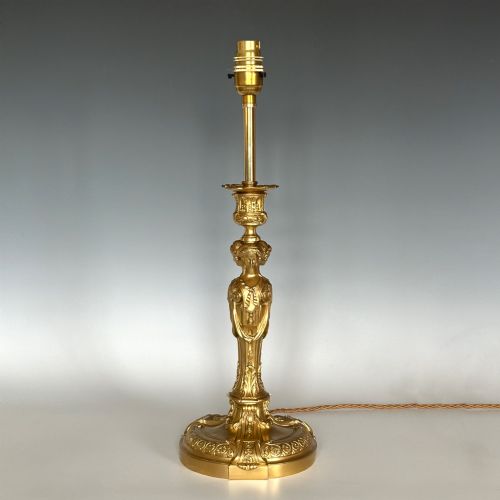
An ormolu bedside lamp brings the warm gleam of gilt bronze to a night table, combining French styling with functional lighting.
Ormolu Bedside Lamp
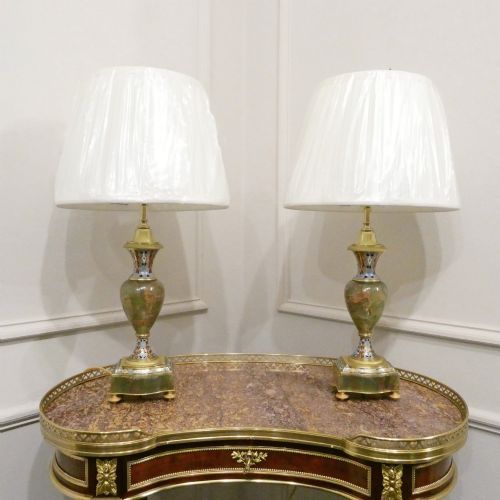
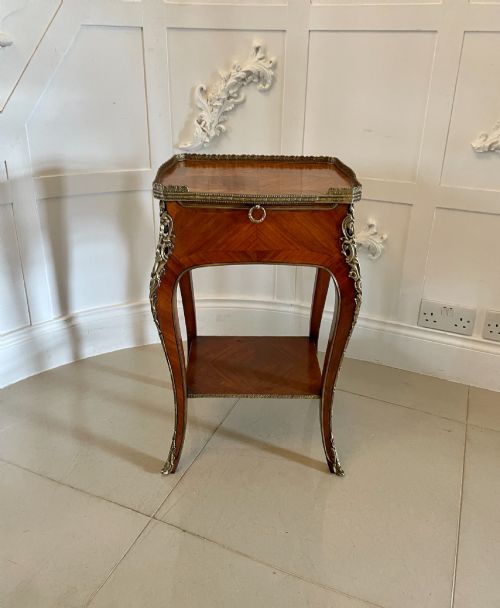
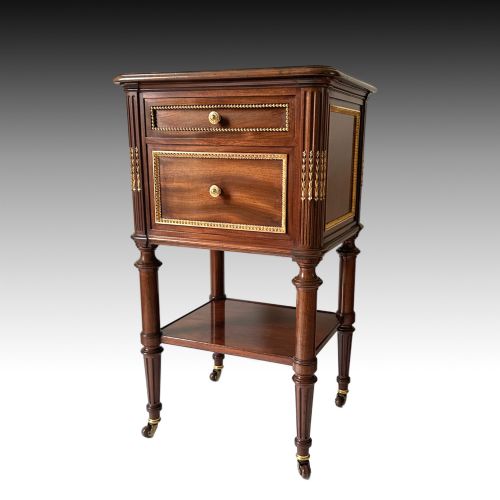
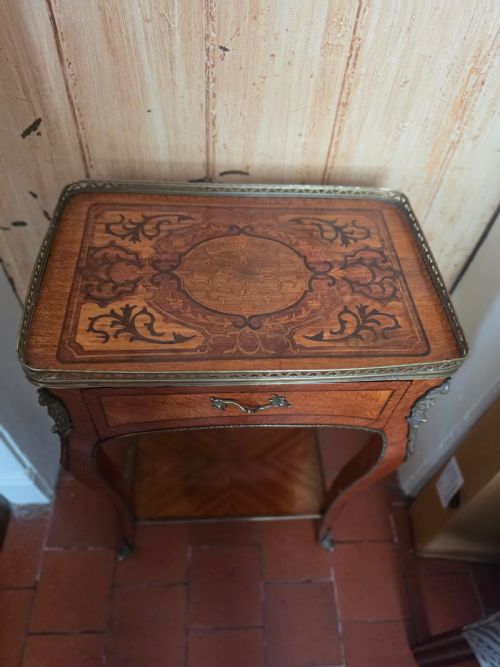
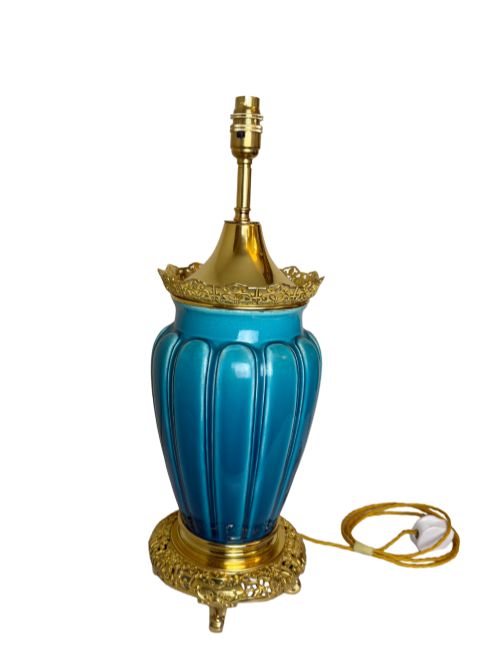
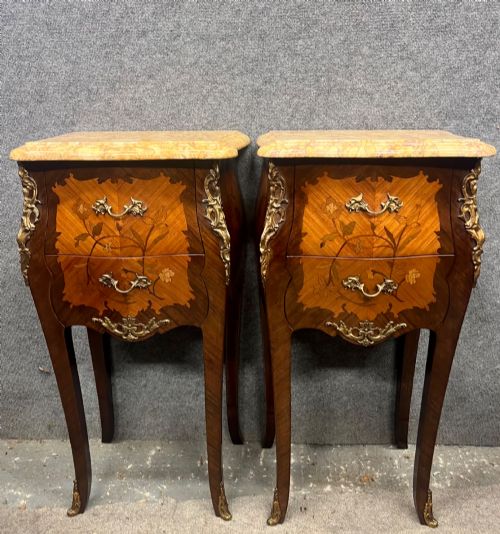
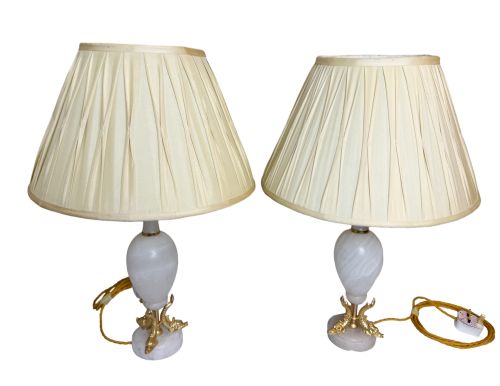
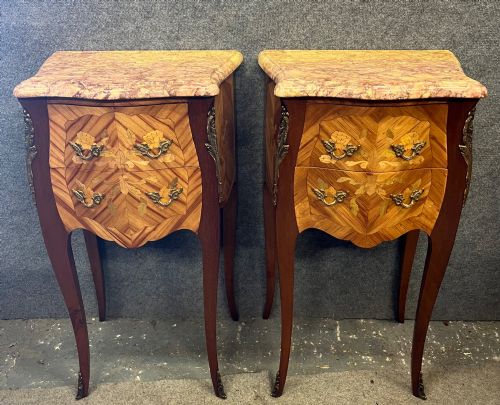
When you search for an ormolu bedside lamp, you encounter pieces that merge nineteenth-century French lighting fixtures with small bedside tables and cabinets. The selection spans table lamps paired with side furniture, reflecting the diverse ways makers integrated gilt mounts into bedroom and boudoir interiors.
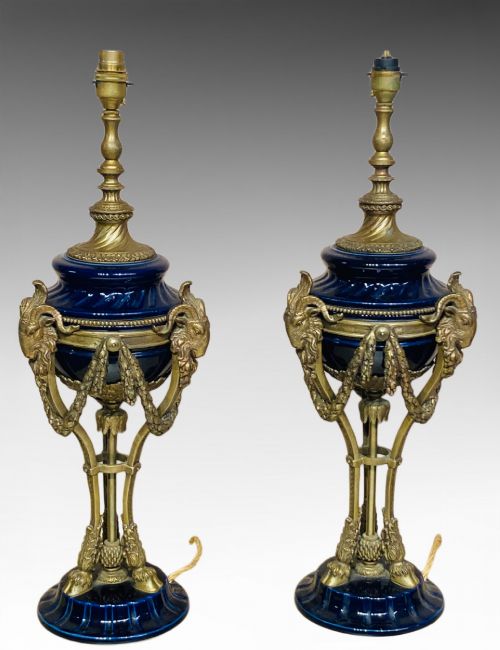
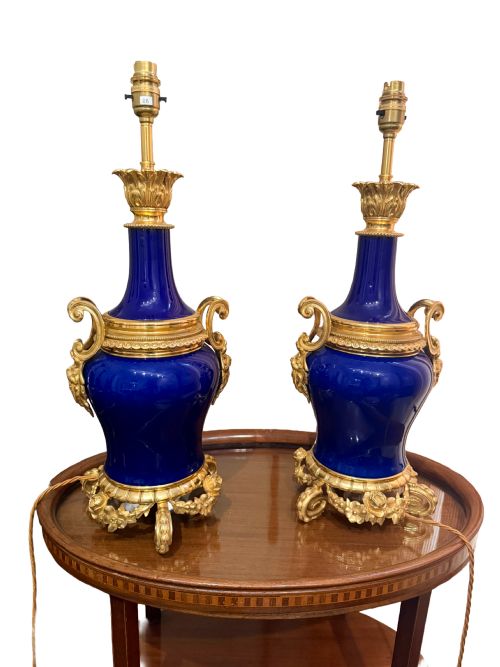
The objects frequently appear in pairs and single items, drawing on French Neoclassical, Louis XVI, and Rococo Revival styles. Materials range from solid mahogany and kingwood to polished marble, onyx, and porcelain.
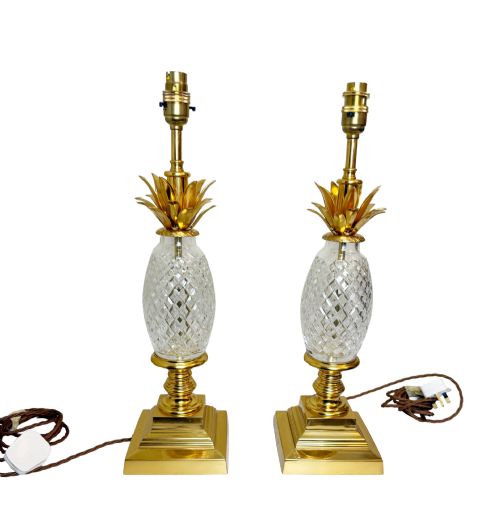
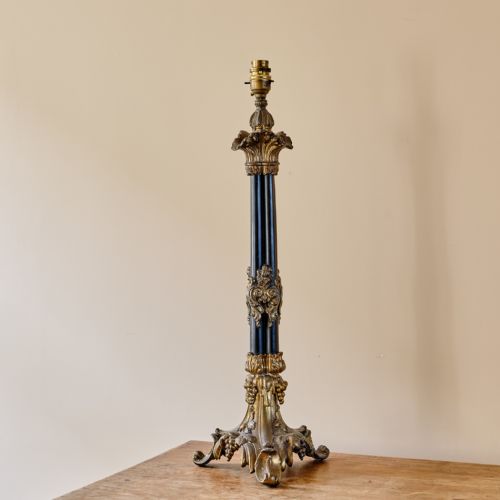
Origins trace primarily to French workshops and nineteenth-century production periods, extending into the early twentieth century. Buyers encounter everything from petite porcelain vessels with gilt bronze trim to substantial marble and crystal columns.
Distinctions in quality
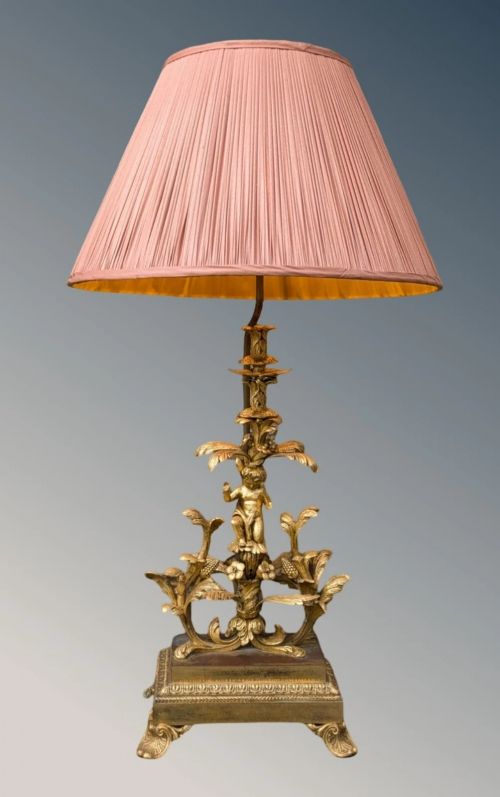
Quality depends heavily on the crispness of the bronze chasing and the depth of the gilding on the ormolu mounts. Finer examples display sharp, hand-finished detailing in the foliage and figures, whereas lesser pieces show softer, more uniform cast surfaces.
The choice of secondary materials marks another division, with solid hardwoods, thick marble slabs, and hand-painted porcelain indicating superior manufacture compared to simpler veneers or moulded substitutes.
Cohesion of design separates standard items from exceptional ones, particularly where the proportions of the bronze mounts complement the form of the marble, wood, or ceramic body.
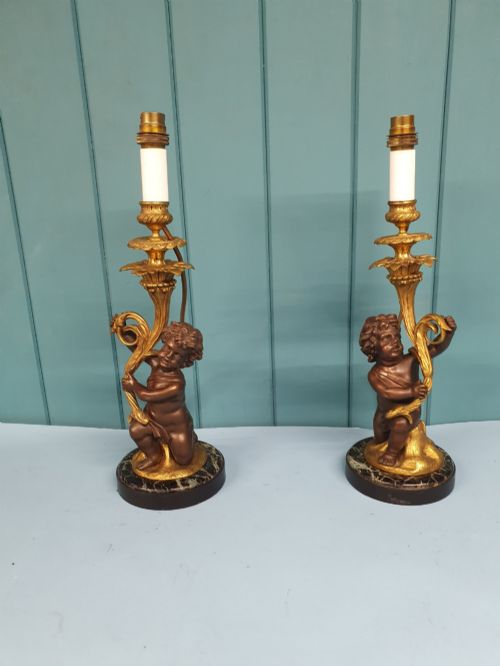
Bronze cherubs occasionally hold up the lighting elements, ensuring your bedside illumination comes courtesy of a small winged foundry worker.
Gien·Dugourc
The Ormolu Bedside Lamp Glossary
- Ormolu
- A technique of applying finely ground high-carat gold to a bronze object using a mercury amalgam, then firing it to leave a durable metallic coating. The term also describes the finished gilt bronze decorative mount itself.
- Louis XVI Style
- A neoclassical design movement characterised by straight lines, symmetry, and classical motifs such as urns, fluting, and acanthus leaves. It heavily influences nineteenth-century French furniture and lighting.
- Champlevé
- An enamelling technique where troughs or cells are sunk into the surface of a metal object and filled with vitreous enamel before firing. It frequently appears on nineteenth-century decorative brass and bronze pieces.
- Marquetry
- The art of applying small pieces of veneer to a structure to form decorative patterns or pictures. Makers utilised various exotic and native timbers to create geometric or floral motifs on table surfaces.
- Cassolette
- A decorative vase or vessel featuring a reversible lid that functions either as an incense burner or a solid urn. In antique lighting, these bodies were occasionally converted into table lamps.
Ormolu Bedside Lamp: Frequently Asked Questions
How do I date an ormolu bedside lamp?
Dating relies on examining the casting techniques of the bronze mounts, the wood species used in any attached furniture, and stylistic markers such as Louis XVI revival motifs. Nineteenth-century pieces often display hand-chased surface details that differ from later twentieth-century reproductions.
Changes in electrical wiring components and lamp fittings also offer clues, though many antique lamps have been re-wired for modern use during their history.
Were these originally made as bedside lamps?
Many items listed as bedside lamps began life as oil lamps, cassolettes, or decorative vases before undergoing later conversion to electricity. Others started as small side tables and lamp tables designed to hold traditional lighting.
Makers of the period focused on creating harmonious room schemes, matching the gilding of the lamp mounts to nearby furniture hardware.
How do I care for ormolu mounts?
Ormolu requires gentle cleaning with a soft, dry cloth to remove dust without harming the delicate gilt surface. Avoid harsh chemical polishes and abrasive cloths, which can wear away the thin layer of gold.
When positioning the lamp, keep it away from direct sunlight and excessive moisture to preserve both the metalwork and any surrounding wood or marble.
What is the difference between ormolu and gilt bronze?
Ormolu is historically synonymous with gilt bronze, specifically denoting the mercury gilding process popular in eighteenth and nineteenth-century France. The phrase describes the golden finish achieved on bronze or brass substrates.
In modern terminology, the two terms are frequently used interchangeably to describe golden metal mounts on furniture and lighting.