



Original Watercolour Miniature
An original watercolour miniature brings the intimate scale of portraiture into domestic spaces through delicate hand-painted works framed for display.
Original Watercolour Miniature
An original watercolour miniature captures likenesses of sitters on a small scale, spanning the eighteenth, nineteenth, and early twentieth centuries. These diminutive portraits emerge across Georgian, Regency, William IV, Victorian, and Edwardian periods.
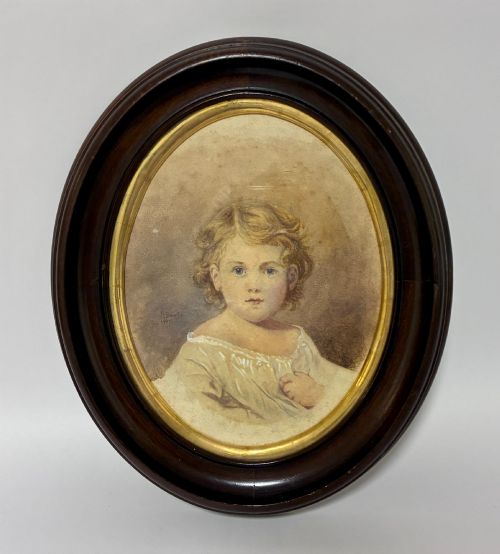
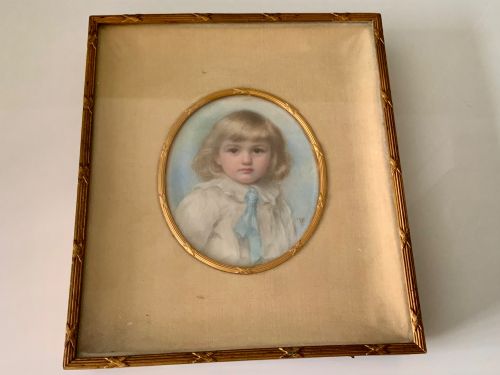
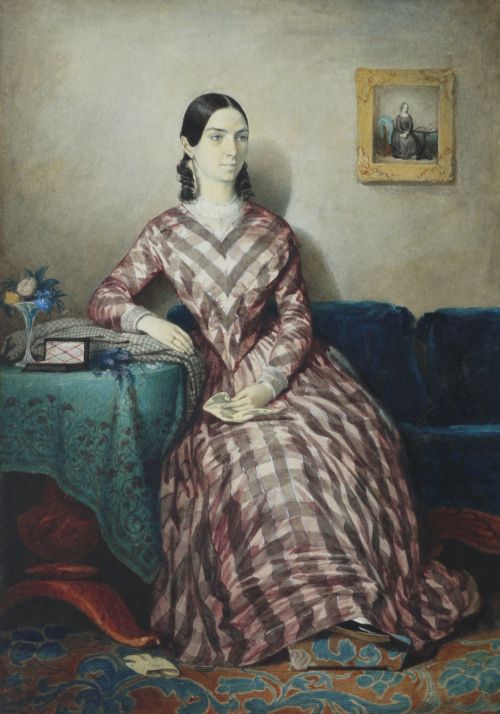
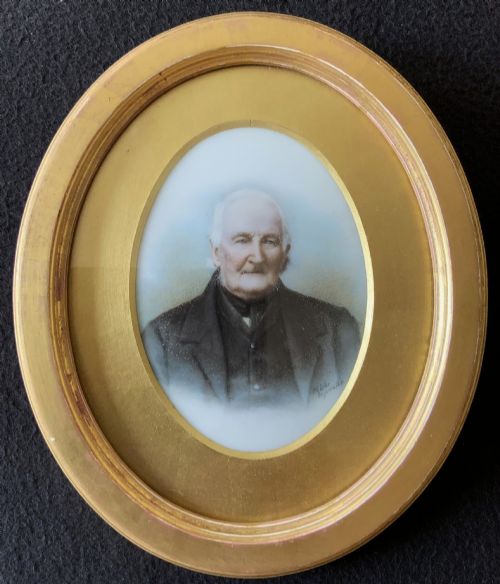
The subjects range from named sitters like Mervyn J Ingram and Miss Thornthwaite to children and young women, sometimes rendered after larger works such as portraits in the Louvre. Framed examples often retain period surrounds like ebonised wood, maple, or gilt frames.
Makers and artists working in this scale include named figures like Thomas Woolnoth, Alessandro Cittadini, Edward Smyth, Diana Hill, and Alexander Melville. Such pieces frequently utilise paper or ivory as a support for fine pigment work.
How they were made
Makers housed these small works in bespoke enclosures, including period ebonised wood frames, maple mouldings, gilt wood, and occasionally tooled leather carrying cases. Each element combined to preserve the fragile painted surface while presenting the portrait for tabletop or wall display.
Original Watercolour Miniature Retail Price Guide 2026
Typical asking prices for original watercolour miniature among the pieces listed under this phrase on Sellingantiques today, from the lower quarter to the upper quarter. They describe what is for sale here now, not the wider market.
One tiny portrait travels safely inside its original tooled leather carrying case, preserved just as its Georgian owner left it.
What varies in quality
The preservation of the original framing, whether ebonised wood or gilt, influences the integrity of the piece. Inclusion of signed inscriptions, attribution to known painters, or documented provenance adds historical context to the physical object.
Alessandro Cittadini·Thomas Woolnoth·Edward Smyth·Diana Hill·Alexander Melville·Elisabeth Vigee Le Brun
The Original Watercolour Miniature Glossary
- Watercolour
- A paint consisting of colour suspended in a water-soluble vehicle, used extensively on paper and ivory for miniature portraits. It allows for translucent washes and fine linear detail.
- Ivory
- A smooth organic material utilised as a painting support in historical miniatures to impart a luminous glow beneath translucent watercolour pigments. Its dense surface holds crisp brushwork.
- Ebonised wood
- Timber treated to resemble ebony, frequently chosen for nineteenth-century portrait frames to provide a dark, contrasting border around the pale miniature.
- Gilt wood
- Wood carved and coated with gold leaf or metallic gilt, used to create ornate reflective frames for displaying miniature paintings.
Original Watercolour Miniature: Frequently Asked Questions
What is an original watercolour miniature?
An original watercolour miniature is a small-scale portrait painted by hand on materials such as paper or ivory during periods spanning the eighteenth to early twentieth centuries.
These pieces capture individual likenesses with fine detail and are typically housed in period frames made of ebonised wood, maple, or gilt materials.
How were these miniatures displayed?
Miniatures were created to be displayed in domestic interiors, often hung on walls within tight groupings or placed on surfaces inside protective frames.
Some examples also survived inside specialised tooled leather carrying cases designed for travel or secure storage.
How do I identify the period?
Periods are identified by the sitter's costume, hairstyle, painting technique, and the style of the surrounding frame, which often aligns with Georgian, Victorian, or Edwardian aesthetics.
Signatures, inscriptions on the reverse, or attribution to documented artists like Thomas Woolnoth or Alessandro Cittadini also help date the work.
Are all miniatures painted on ivory?
Not all miniatures utilise ivory; artists frequently employed paper as a support for watercolour pigments depending on the period and the practitioner's preference.
Both paper and ivory supports appear across the nineteenth-century examples found in historical collections.