



Antique Child Watercolour
These antique child watercolour pieces capture youth through delicate pigment and paper, offering an intimate glimpse into past domestic life.
Antique Child Watercolour
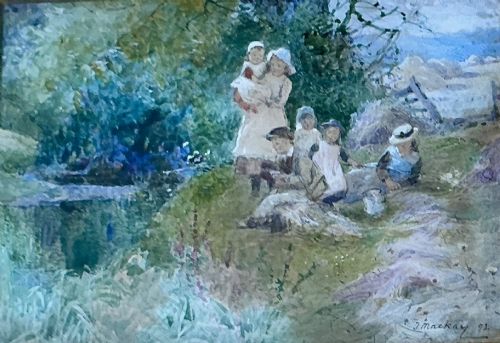
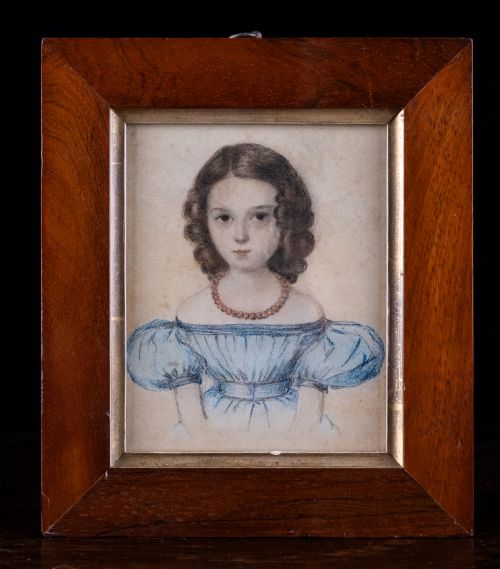
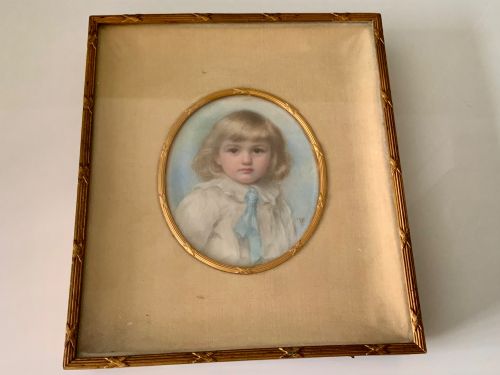
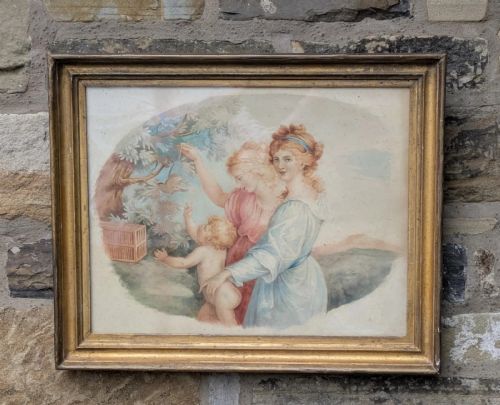
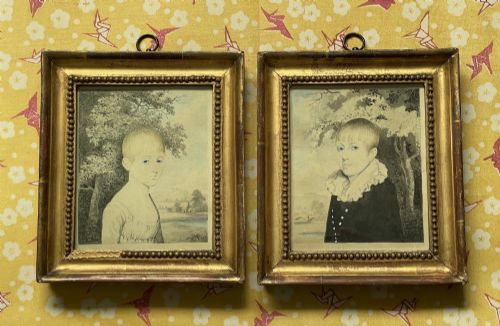
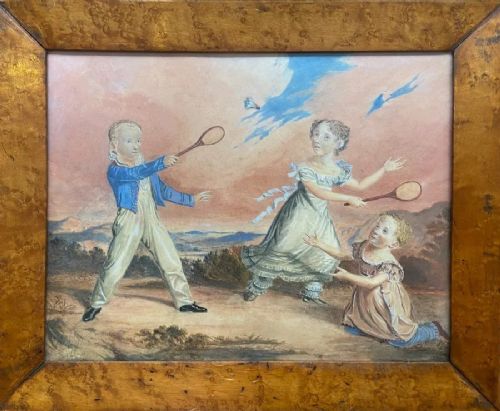
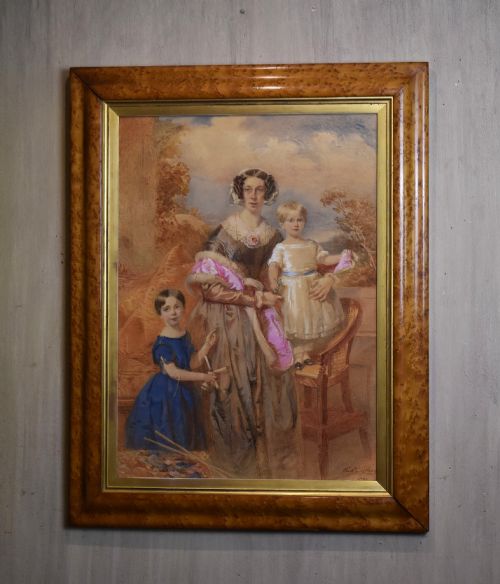
An antique child watercolour typically takes the form of a detailed portrait miniature, a framed family study or a narrative country scene featuring youngsters at play. Buyers searching this phrase most frequently encounter 19th-century and Victorian works depicting single subjects or sibling groups.
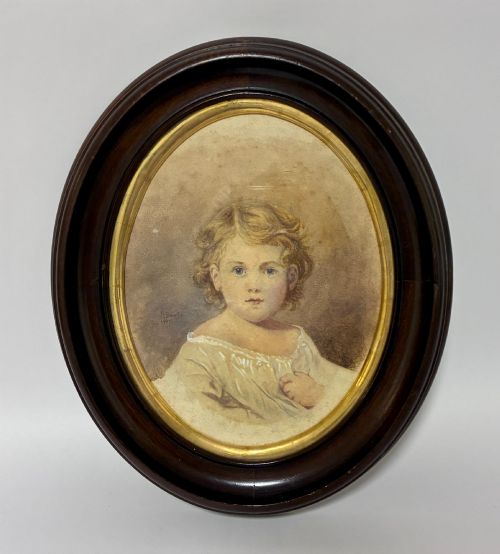
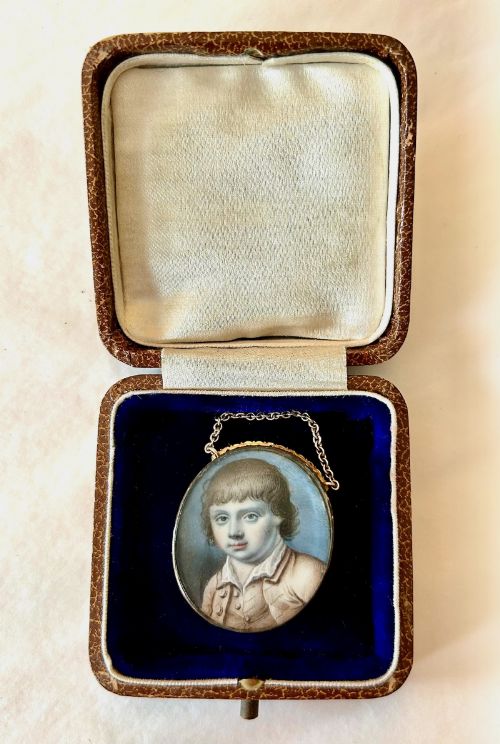
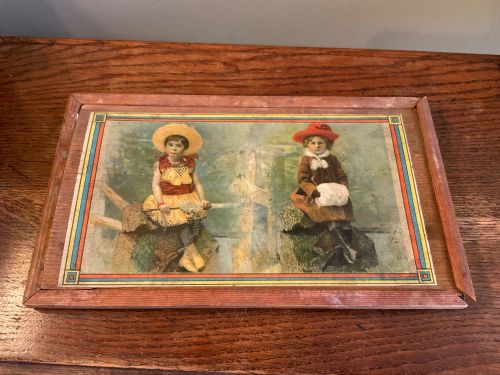
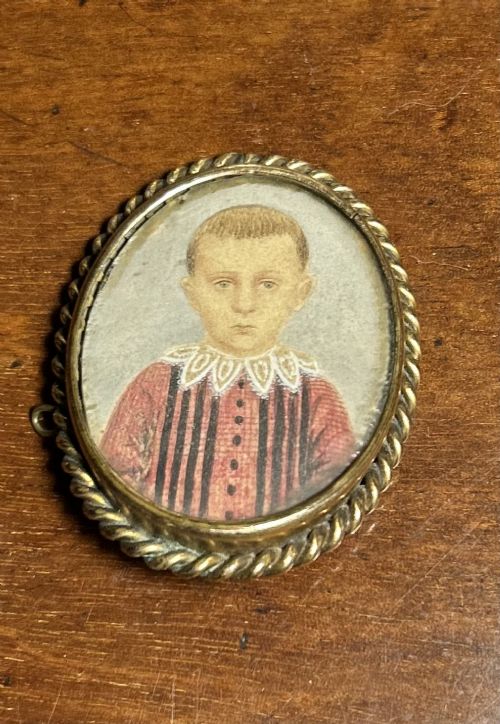
The selections span from late 18th-century likenesses housed in period ebonised or gilded circular frames to early 20th-century outdoor illustrations. Smaller pieces often appear as brooch-sized miniatures painted on paper and protected behind curved glass.
Domestic settings, garden pastimes and intimate family groupings dominate the surviving examples. These paintings range from naive depictions by lesser-known hands to signed works by established Victorian and Edwardian artists.
Pigment and Support
The foundation of these works relies on fine watercolour pigment applied directly to paper substrates. Artists of the 18th and 19th centuries built up these transparent washes gradually to capture the soft skin tones and textile details of their young subjects.
Framing materials play a crucial role in the survival of these watercolours, utilising wood, ebonised surrounds, giltwood and gold leaf accents. Many miniature formats incorporate protective glass covers to shield the fragile water-soluble pigments from atmospheric moisture.
Antique Child Watercolour Retail Price Guide 2026
Typical asking prices for child watercolour among the pieces listed under this phrase on Sellingantiques today, from the lower quarter to the upper quarter. They describe what is for sale here now, not the wider market.
One recorded infant subject is meticulously documented as being precisely three months and three years old simultaneously.
Draftsmanship and Preservation
The distinction between ordinary and superior pieces rests largely on the precision of the draftsmanship and the expressive rendering of the child's face. Master hands convey personality and depth with minimal brushstrokes, whereas lesser works remain stiff or formulaic.
Condition and originality dictate the standing of a piece within its period. Works retaining their original glass, gilt frames and stable paper pigmentation without heavy fading command greater regard among collectors.
William Wood·George Engleheart·Frederick Tatham·William Stephen Coleman·Robert Eadie
The Antique Child Watercolour Glossary
- Watercolour pigment
- Finely ground colour particles mixed with a water-soluble binder. This medium allows for luminous, translucent layers that define historical works on paper.
- Portrait miniature
- A small-scale painted likeness, often intimate in format. These works were frequently designed to be worn as jewellery or kept in protective cases.
- Giltwood
- Wood that has been treated with a thin layer of gold leaf or gilt finish. It is commonly found on 19th-century frames housing fine art paintings.
- Ebonised frame
- Timber stained or treated to imitate dark ebony wood. This finish provides a stark, contrasting border popular for framing Georgian and Victorian watercolours.
- Provenance
- The documented history and ownership lineage of an artwork. Clear attribution helps verify the maker and period of unsigned school pieces.
Antique Child Watercolour: Frequently Asked Questions
How should I display an antique watercolour?
Keep watercolours away from direct sunlight to prevent the pigments from fading over time. UV-filtering glass and stable indoor humidity help preserve the paper.
Position them on interior walls where environmental fluctuations remain minimal. Proper framing protects the fragile medium from dust and atmospheric moisture.
Are these paintings usually signed?
Many professional works bear signatures or initials, either on the front face or inscribed on the reverse of the paper. Attributions often rely on stylistic comparison when signatures are absent.
Examine the mounting carefully, as framing backs frequently conceal biographical notes or artist details left by previous owners.
What distinguishes a miniature from a standard painting?
Miniatures are executed on a significantly smaller scale, often requiring magnifying lenses for fine detail work during creation. They were typically commissioned as personal keepsakes.
Standard watercolours offer larger compositions depicting broader garden scenes or multi-figure family portraits suited for wall hanging.
How do I date a child watercolour?
Clothing styles, hairstyles and the surrounding frame construction provide the most reliable chronological markers. Regency children often wear high-waisted white dresses, while Victorian subjects feature distinct lace collars.
Paper watermarks and framing techniques, such as early ebonised or gilded wooden mouldings, further narrow down the decade of creation.