


Original Watercolor Picture
An original watercolor picture captures light and atmosphere on paper through translucent pigment, offering a direct encounter with the artist's hand.
Original Watercolor Picture
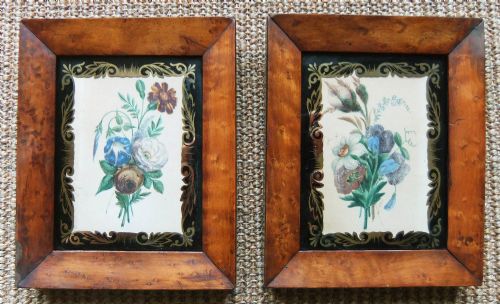
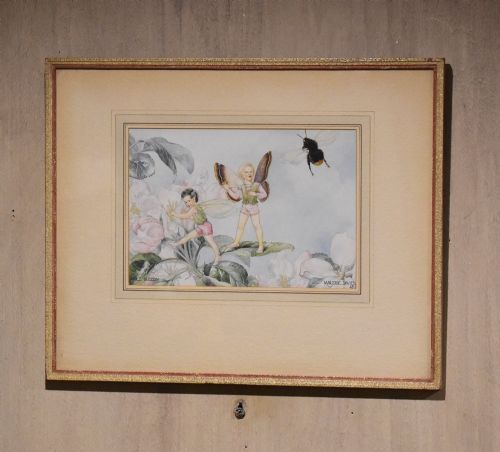
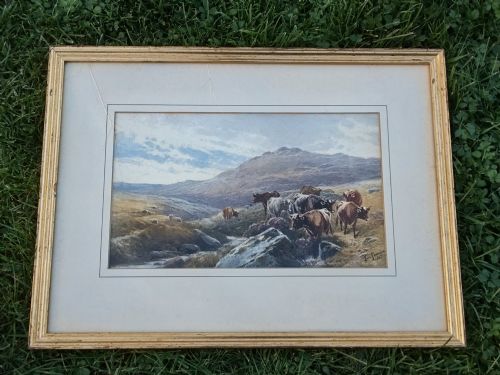
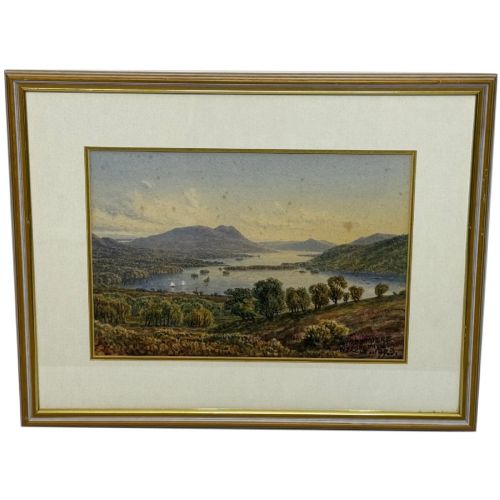
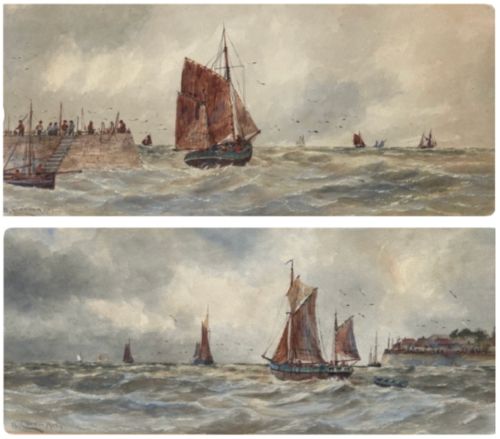
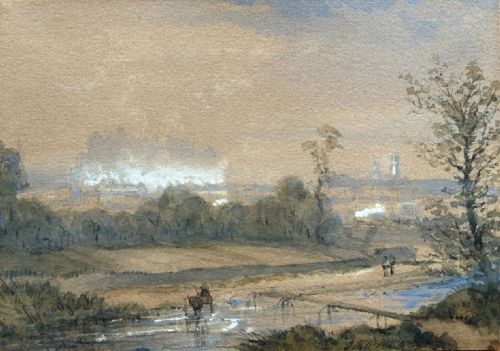
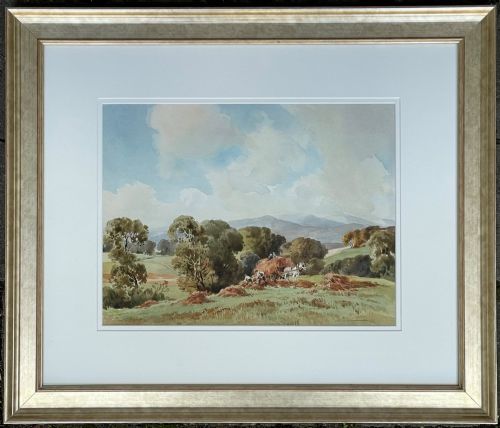
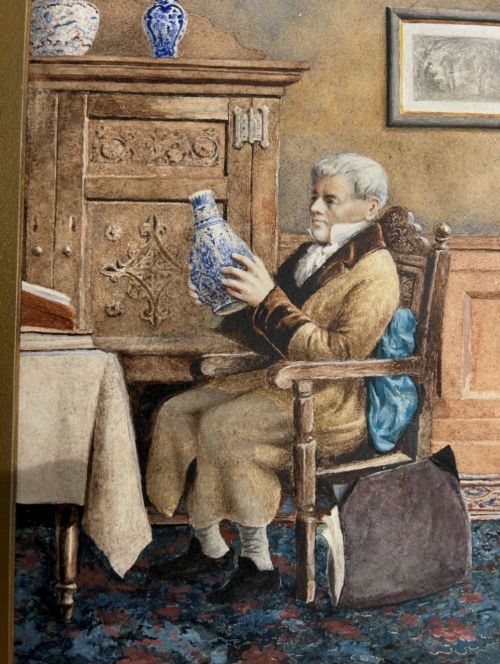
An original watercolor picture brings together hand-painted pigment and paper, spanning landscapes, portraits, and maritime scenes from the nineteenth and twentieth centuries. When searching for an original watercolor picture, collectors meet works ranging from Victorian topographical views to mid-century coastal scenes.
The selections on this page feature framed artwork and fine art paintings created across periods including the Edwardian era and the nineteenth century. These pieces record specific places, botanical studies, and genre scenes rendered directly by named artists and anonymous hands alike.
British landscapes, Scottish coastal views, and floral subjects form the core of the available types. Each original watercolor picture presents distinct paper textures and pigment concentrations inherent to its period of creation.
How they were made
Makers applied water-soluble pigments onto paper sheets, sometimes utilising bodycolour to add opacity and highlight details within the composition. Artists layered washes to build depth, allowing the white of the paper to shine through for luminous effects.
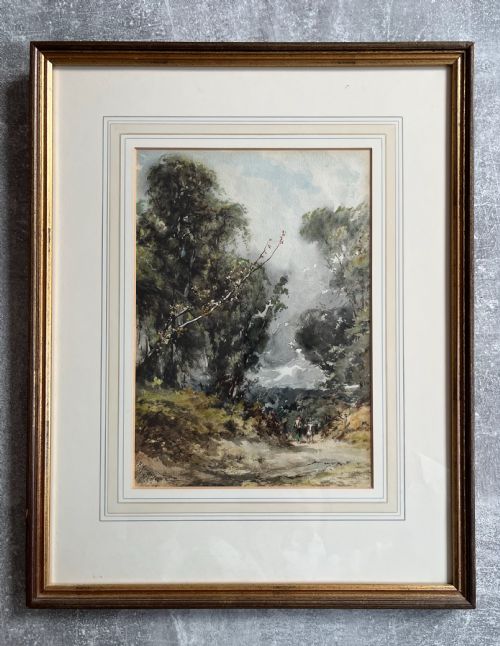
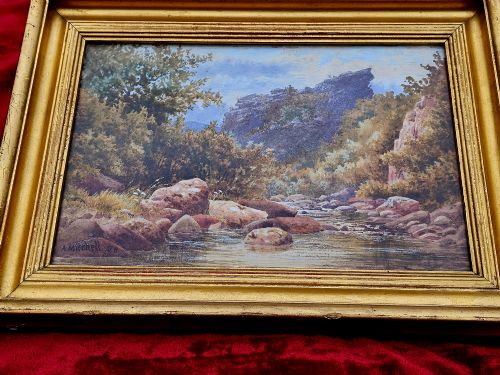
Finished works found protection beneath glass and within wood frames, frequently utilising gilt wood or rosewood moulding to complement the delicate nature of the medium. These framing choices preserved the pigments from atmospheric damage over the decades.
Listings span the nineteenth and twentieth centuries, incorporating Victorian, Edwardian, and mid-century modern styles.
What varies in quality
The strength of the composition and the fluidity of the brushwork distinguish finer examples from standard decorative pieces. Mastery over the water and pigment ratio allows skilled artists to capture atmospheric light with precision.
Condition and presentation also separate tiers of quality, where well-preserved paper without excessive fading retains the intended vibrancy of the watercolor pigment. Original frames suited to the period further elevate the integrity of the piece.
William Taylor Longmire·George Sydney Shepherd·George Lorain Stampa·George Fotherly Hargitt·William Henry Earp·William Cannon·John R Prentice·Alfred Young Nutt·Percy Lancaster·Henry Stacy Marks·John Hassall·A Mitchell·A Marie Parsons·Robert Leslie Howey·William Joseph Boyes·R Hurst·Robert Thorne Waite·Richard Henry Wright·Ernest Arthur Rowe·Thomas Maidment·Frederick James Kerr·Catherine Thomas·Henry Martin Pope·Albert Ludovici Jnr·George Stanfield Walters
The Original Watercolor Picture Glossary
- Watercolour pigment
- Finely ground colour particles mixed with a water-soluble binder, applied with brushes onto paper.
- Bodycolour
- Watercolour paint mixed with a white pigment to make it opaque, allowing for lighter highlights over darker washes.
- Wash
- A thin, fluid layer of diluted watercolour spread across the paper to create smooth background areas or skies.
- Gilt wood
- Timber frames coated with a thin layer of gold leaf or metallic paint, often seen on period artwork.
- Genre painting
- Artwork depicting scenes from everyday life, ordinary people, or domestic interiors rather than grand historical subjects.
Original Watercolor Picture: Frequently Asked Questions
How do I care for an antique watercolor picture?
Keep the artwork away from direct sunlight to prevent the pigments from fading over time. Maintain stable indoor humidity levels to protect both the historic paper and the wooden frame.
Ensure the piece remains sealed behind glass with proper spacing so the paper does not touch the glazing directly. Professional framing techniques safeguard the structural integrity of older works for future display.
Were these paintings always framed?
Most works received protective framing shortly after completion to shield the delicate paper surface from dust and moisture. Frames often reflect the aesthetic of the period in which the artist created the picture.
Some pieces retain their original Victorian or Edwardian mouldings, complete with gilt wood or rosewood finishes. Finding a picture in its period frame adds context to its history of ownership and display.
What subjects are most common?
Landscapes and coastal views dominate the selection, reflecting a strong British tradition of outdoor sketching and painting. Artists frequently recorded scenes from Wales, Scotland, and the English countryside.
Botanical studies, garden birds, and architectural views also appear regularly across the nineteenth and twentieth-century selections. Each subject category demonstrates how artists engaged with their natural and domestic surroundings.
How can I tell the date of a watercolor?
Signatures, dates inscribed by the artist, and framing materials often provide the most direct clues to a piece's age. Stylistic shifts between Victorian academic painting and later Edwardian impressionism also help narrow the period.
Examine the paper type and any visible watermark for manufacturing details common to specific decades. Comparing the subject matter to documented works by named artists further confirms the timeline of creation.