


Original Watercolor Art
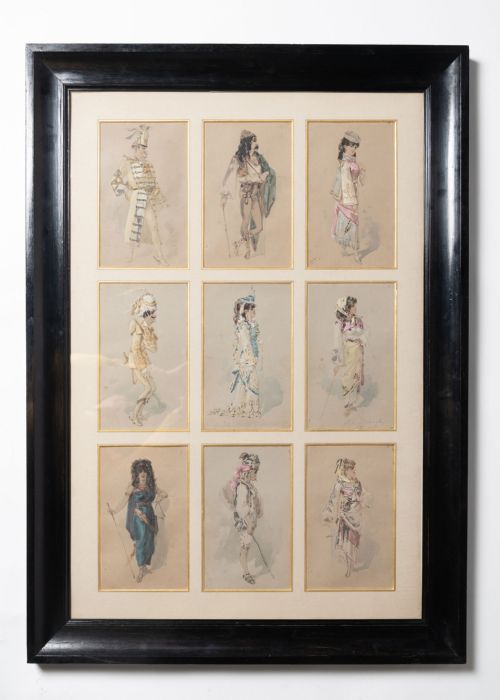
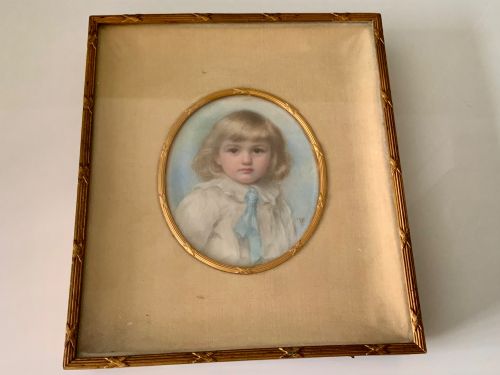
Original watercolor art brings hand-painted scenes and portraits directly to your wall, capturing light and landscape with unique immediacy.
Original Watercolor Art
Original watercolor art spans delicate floral studies, sweeping coastal views and atmospheric townscapes created by artists working on paper. When searching for original watercolor art, you encounter everything from Victorian fine art to modern British illustrations.
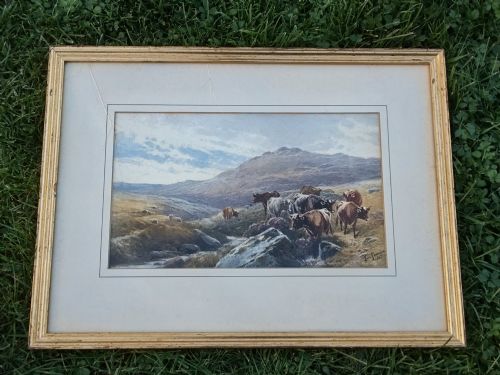
The selections here range from nineteenth-century landscapes by Scottish and English painters to Edwardian depictions of London and Venice. These works appear as individual paintings, framed artworks and intimate works on paper.
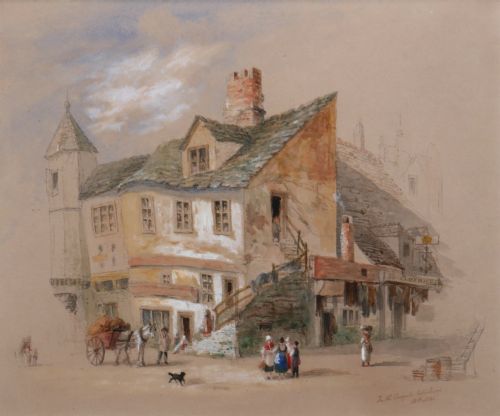
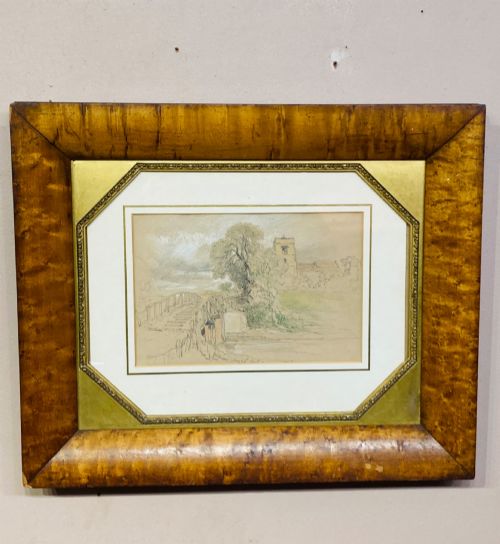
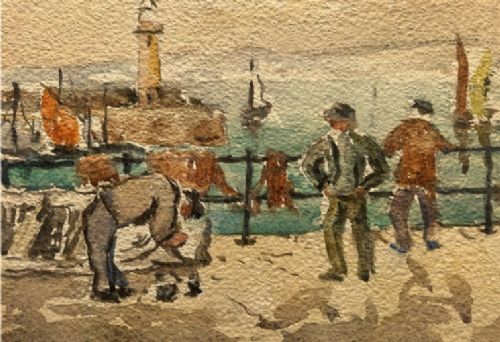
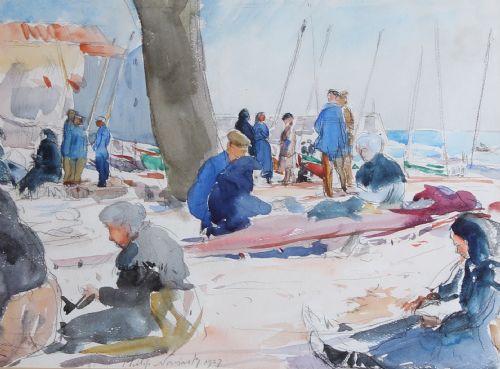
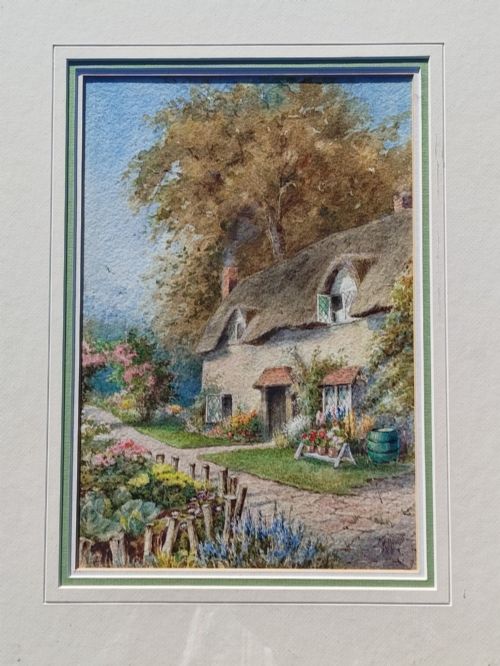
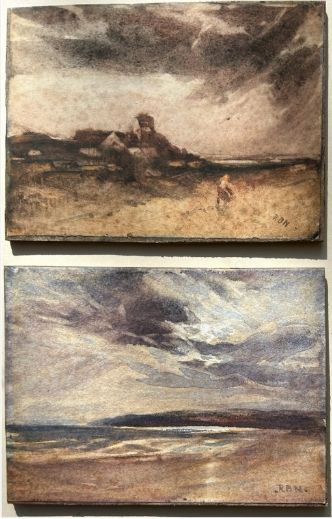
Many pieces capture specific historical moments, recording rural cottage scenes, fishing boats and architectural landmarks with fluid pigment. The works frequently retain their original framing materials, including gilt wood and glass.
Materials and technique
Artists apply water-soluble watercolour pigment directly onto prepared paper, often combining ink line work or bodycolour to build depth and contrast. The transparent nature of the medium allows light to reflect from the white paper beneath through the washes of colour.
Framing typically involves wood mouldings and protective glass to shield the paper from environmental moisture and handling damage.
Original Watercolor Art Retail Price Guide 2026
Typical asking prices for original watercolor art among the pieces listed under this phrase on Sellingantiques today, from the lower quarter to the upper quarter. They describe what is for sale here now, not the wider market.
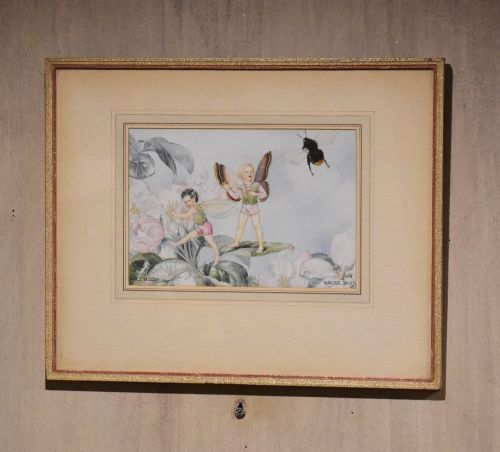
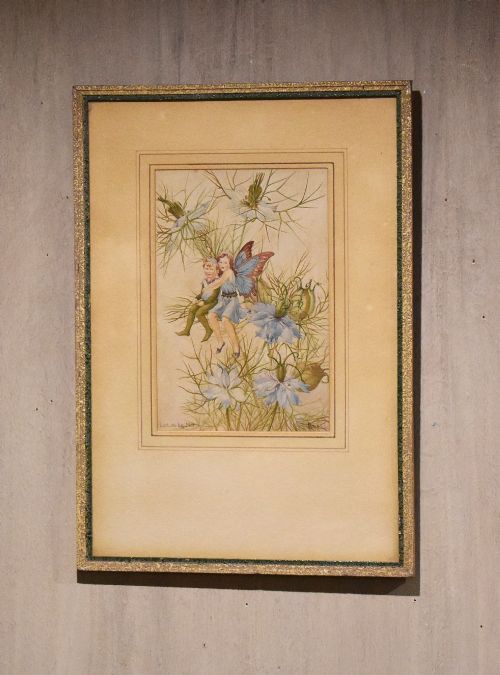
Subject matter ranges from Scottish landscapes and Venetian markets to flower fairies and royal racing pigeons.
Judging quality in watercolor paintings
Quality rests upon the artist's handling of pigment and control over the fluid medium, where confident brushwork creates luminosity and atmosphere. Works by recognised practitioners demonstrate superior compositional balance and tonal subtlety compared to amateur efforts.
The preservation of the paper and the vibrancy of the original watercolour pigment also determine value, as fading alters the intended visual impact.
Philip Naviasky·Robert Buchan Nisbet·Marjorie L Davies·Thomas Rowden·Jacob Kramer·Stuart Lloyd·Alessandro Cittadini·Herbert Menzies Marshall·Robert George Talbot Kelly·William Taylor Longmire·David Law·George Sydney Shepherd·Fred Lawson·H Medlycott·Bruce Bairnsfather·George Lorain Stampa·George Fotherly Hargitt·Thomas Miles Richardson Jnr·James Orrock·William Henry Earp·William Cannon·Sir James Dromgole Linton·John R Prentice·Thomas Ellison·Alfred Young Nutt
The Original Watercolor Art Glossary
- Watercolour pigment
- Finely ground colour particles mixed with a water-soluble binder, applied in translucent washes onto paper.
- Bodycolour
- An opaque watercolour paint mixed with white pigment to create solid areas of light and highlight details.
- Works on paper
- A collective term for drawings, watercolours and prints executed on a paper support.
- Gilt wood
- Timber frames finished with a thin layer of gold leaf or metallic gilt, common in period framing.
- Provenance
- The documented history of ownership that traces a work of art from its creation to the present day.
Original Watercolor Art: Frequently Asked Questions
How do I care for original watercolors?
Keep watercolours away from direct sunlight to prevent the pigments from fading over time. Ensure they hang in rooms with stable humidity levels to protect the delicate paper.
Use professional framing with acid-free mounts and conservation glass to safeguard the artwork against environmental degradation.
Are these paintings signed by the artist?
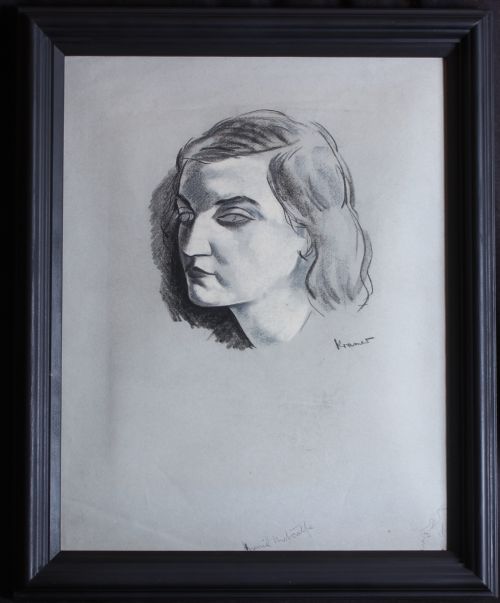
Many of the watercolours feature signatures, monograms or artist inscriptions either on the front image or recorded on the reverse. Signed pieces offer clearer attribution to specific painters of the nineteenth and twentieth centuries.
Unsigned works are often attributed to specific periods or schools based on stylistic evidence and framing.
What is the difference between watercolor and bodycolour?
Traditional watercolour uses transparent washes where the white of the paper shines through to create luminosity and light. Painters use bodycolour by adding white pigment to make the paint opaque.
Artists frequently combined both techniques in a single composition to achieve rich textures and bright highlights.
How do I identify a Victorian watercolor?
Victorian watercolours often depict detailed landscapes, maritime scenes or narrative subjects executed with meticulous brushwork. They frequently feature nineteenth-century framing, such as ornate gilt wood surrounds.
Artists from this era typically signed their work in ink or pencil directly onto the lower margin of the paper.