



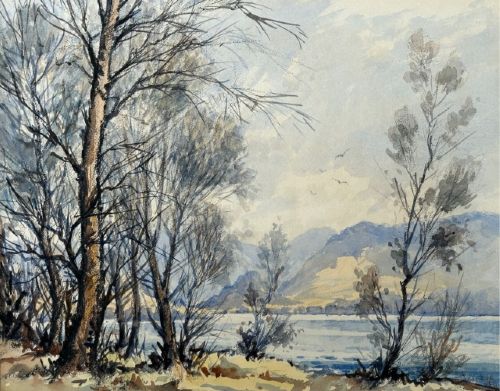
Original Signed Watercolour
An original signed watercolour brings hand-painted colour and direct artistic touch to a room, offering authentic historical scenes executed on paper by named hands.
The Nature of the Works
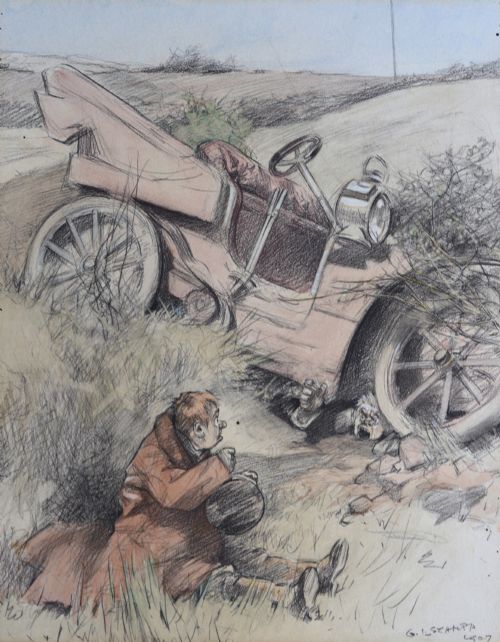
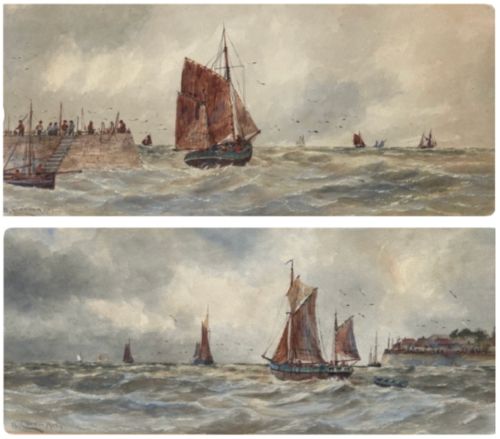
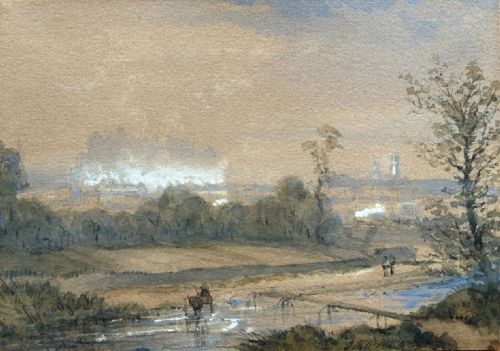
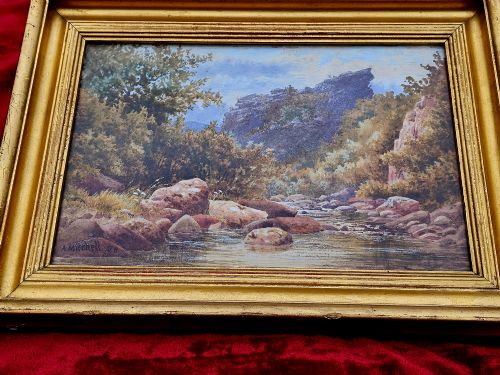
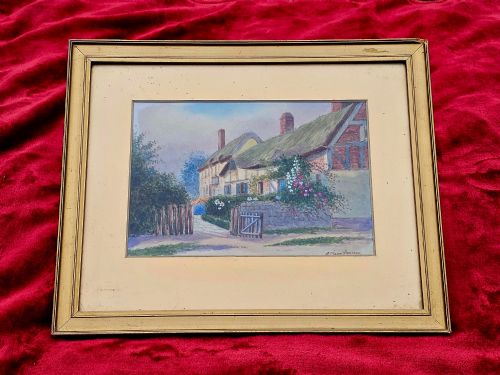
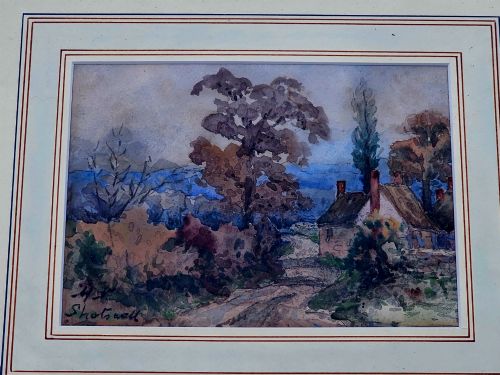
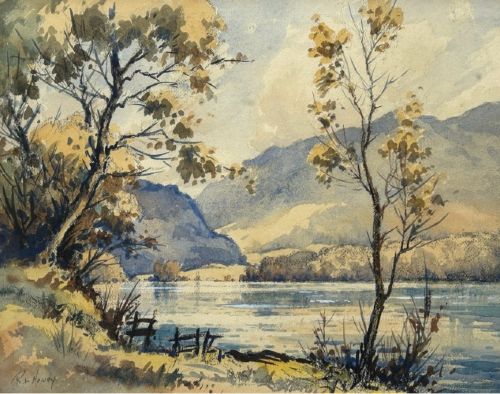
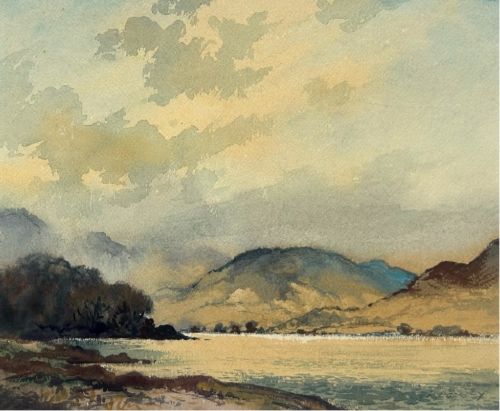
When you search for an original signed watercolour, you encounter unique pictorial works on paper executed by artists across the nineteenth and twentieth centuries. These paintings capture landscapes, seascapes, architectural studies, and figurative interior scenes directly from the creator's hand.
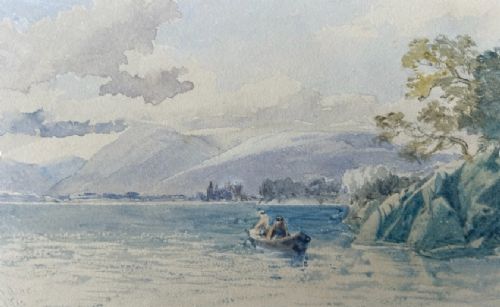
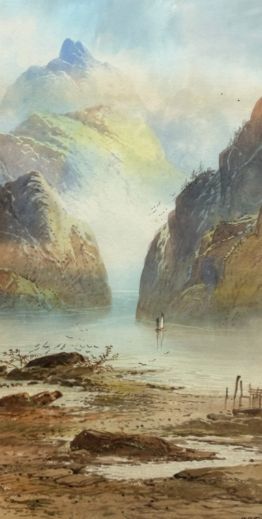
The pieces available span Victorian British scenes, Edwardian countryside views, and mid-century European compositions. You find traditional Scottish highlands, Welsh rivers, Yorkshire villages, and French landscapes represented through direct application of pigment.
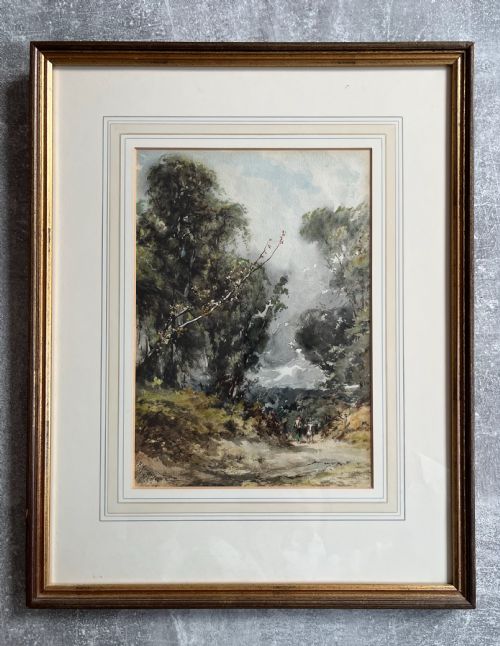
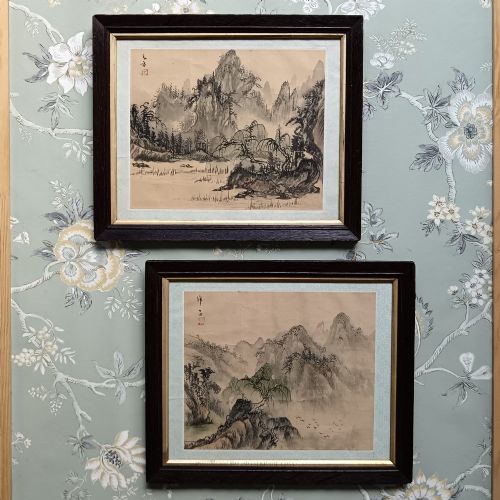
Most examples appear within protective frames utilising glass and wood, frequently accompanied by gilt framing elements that complement the period of the painting. Each artwork carries an authentic signature or attribution connecting the image to a specific practitioner of the medium.
Materials and Technique
Makers apply watercolour pigment and occasionally gouache or ink onto prepared sheets of paper using fine brushes. The translucent nature of the pigment allows light to reflect from the white paper beneath, creating luminous washes and distinct tonal depth.
Finished works receive protective housing behind glass within wooden frames, sometimes accented with gilt mouldings to preserve the fragile paper surface from atmospheric moisture and physical damage.
Recorded styles span Victorian British school pieces, Edwardian landscapes, and mid-century French views.
Assessing Artistic Merit
The success of a piece rests upon the surety of the brushwork and the artist's command of light, atmosphere, and composition. Superior examples display confident, spontaneous handling of pigment that captures the transient mood of a landscape or architectural study.
The legibility and significance of the signature, alongside documentation of the specific locale or subject, elevate the standing of the work. Furthermore, the harmony between the painting and its period frame contributes to the overall integrity of the piece.
Ralph Morley·John Cuthbert Salmon·Leonardo Morello·George Graham·George F Pennington·Sir Joshua Reynolds·Alfred George Morgan·James Robertson Miller·Alexander Jamieson·Walter Emsley·Florence F Wilmot·Karl S Wood·Walter Henry Sweet·Phil Smith·Tom Anderton·Stephen Enoch Hogley·Allan Freer·Frederick James Aldridge·James Orrock·C Lawrence·H Stuart·John Sowden·Thomas Herbert Victor·Thomas Henry Hunn·Laurence George Bomford
The Original Signed Watercolour Glossary
- Watercolour
- A painting method where natural pigments suspended in a water-soluble vehicle are applied to paper. This medium relies on the reflective quality of the paper surface to illuminate translucent layers of colour.
- Gouache
- An opaque water-based paint variant incorporating white pigment to create solid, flat colour areas. Artists utilise this material to add highlights and dense opaque details to watercolour compositions.
- Gilt Wood
- Timber framing finished with a thin layer of gold leaf or metallic gilding. Such frames provide period-appropriate ornamentation and protection for works on paper.
- Wash
- A thin, fluid layer of diluted watercolour pigment spread evenly across paper to create skies, water, or background atmospheric tones. Controlled washes demand considerable skill to avoid uneven pooling.
Frequently Asked Questions
What subjects do these watercolours show?
The works primarily depict British and European landscapes, coastal seascapes, architectural views, and occasional floral still life studies. Scenes range from Scottish highlands and Welsh rivers to Yorkshire villages and French countryside.
Artists recorded specific locations with descriptive titles, allowing viewers to identify exact rivers, bridges, buildings, and coastal harbours from the nineteenth and twentieth centuries.
How should I display a watercolour?
Works on paper require protection from direct sunlight to prevent the watercolour pigments from fading over time. Maintaining stable indoor humidity levels also preserves the paper support and prevents mould or foxing.
Display the paintings behind glass within their frames, ensuring the paper does not touch the glass directly so air can circulate gently around the artwork.
How do I identify the date of a piece?
Dates often appear written directly on the front of the painting alongside the artist's signature, or receive recording in the accompanying title documentation. Stylistic clues, clothing styles in figurative works, and framing materials also offer chronological indicators.
Comparing an unsigned or ambiguous piece to dated works by the same school helps narrow the period of creation to a specific decade.
What is the difference between watercolour and gouache?
Watercolour employs transparent pigments that allow light to pass through to the white paper beneath, creating luminous and delicate colour washes. This technique suits atmospheric skies and subtle landscape effects.
Gouache incorporates opaque white pigments to create solid, flat areas of colour with a matte finish. Artists often combine both mediums within a single painting to achieve contrast and highlights.