





Original Seascape Oil Artwork
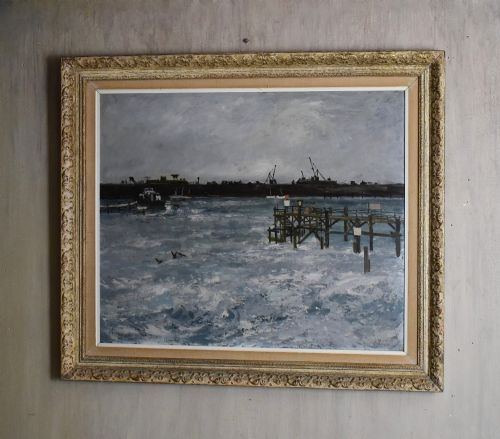
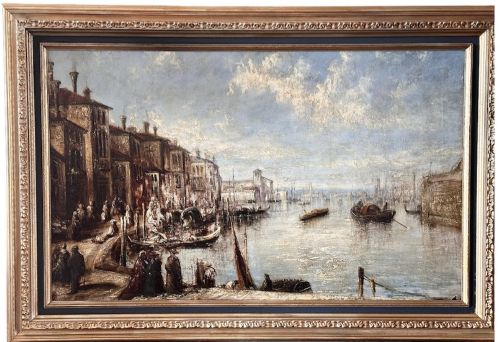
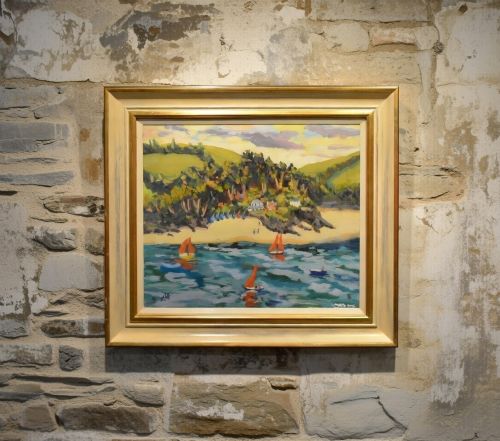
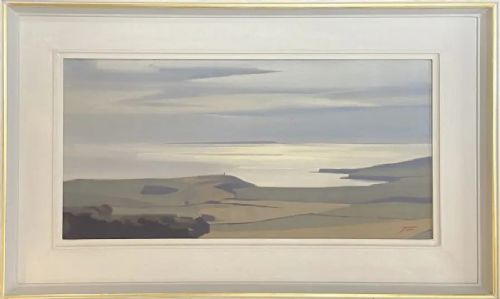
These original seascape oil artwork selections capture the restless movement of water, light, and coastlines through centuries of painterly observation.
Original Seascape Oil Artwork
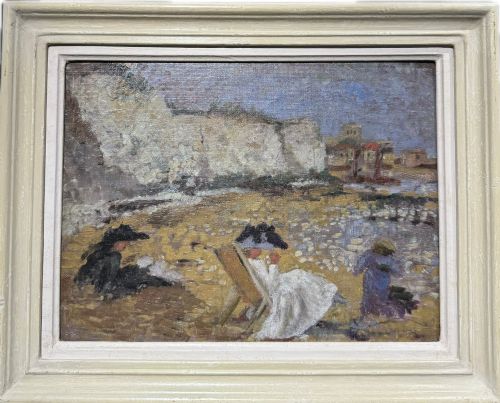
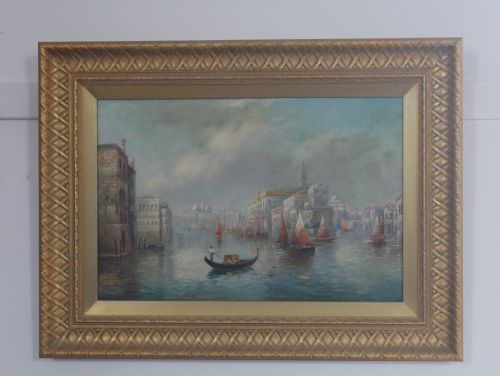
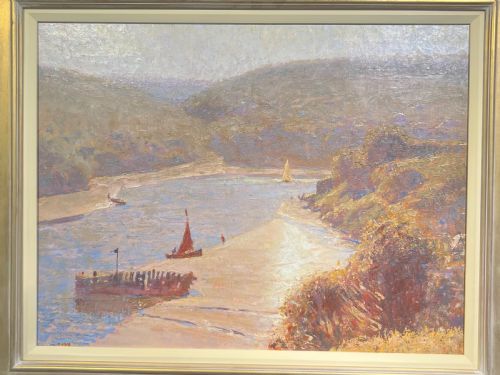
An original seascape oil artwork brings the atmosphere of the coast directly into a room, recording harbours, breaking waves, and sailing vessels from shore or deck. These pieces range from expansive nineteenth-century maritime canvases to smaller mid-century boards painted en plein air.
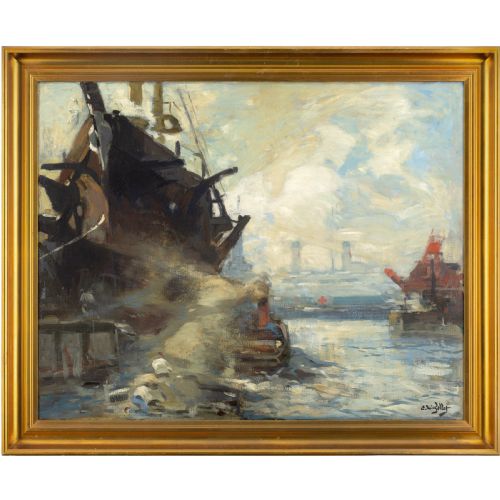
The selections available here span from the Victorian era into the mid-twentieth century, capturing shifting British and European shorelines. Buyers will encounter both grand harbour scenes in original gilt frames and intimate coastal studies created on board or canvas.
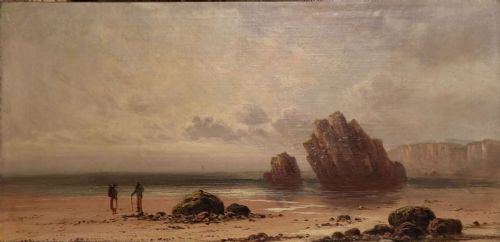
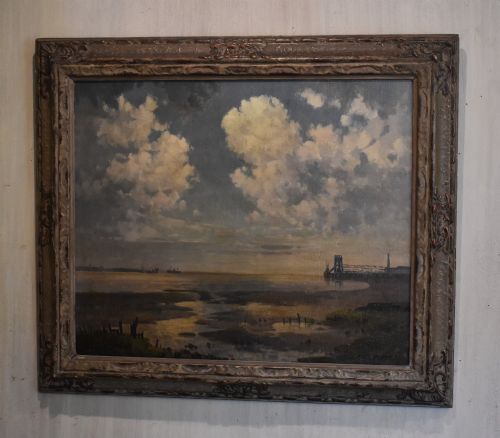
Common subjects include working fishing boats, dramatic sea stacks, quiet estuaries, and sunlit Mediterranean ports. Each painting reflects the specific light and weather observed by the artist during its creation.
Materials and Technique
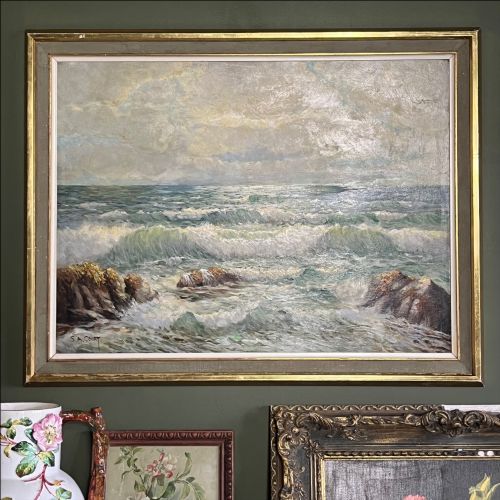
Artists relied primarily on oil paint applied to prepared canvas, wood panel, board, or card, often working outdoors directly in front of the subject. Oil paint allowed for rich impasto textures that mimic the heavy build-up of sea spray and coastal atmosphere.
Support materials varied according to period and scale, with sturdy wood panels and boards frequently utilised for smaller portable sketches. Canvases offered greater surface area for expansive maritime compositions and were often housed in decorative gilt wood frames.
The selection includes British, French, and Italian coastal views spanning the nineteenth and twentieth centuries.
Evaluating Quality and Execution
Quality in a marine painting rests upon the artist's ability to render the weight and motion of water through confident brushwork and tonal harmony. Superior pieces demonstrate a sophisticated understanding of natural light reflected off the sea and wet sand.
The vitality of the handling distinguishes exceptional works from routine topographical records, particularly in the rendering of skies and turbulent surface currents. Original framing and clear provenance further elevate the standing of a piece within the broader history of marine painting.
Kenneth Cozens·Clifford Hanney·Eugène-Louis Gillot·Sidney A. Court·Clive Browne·Peter Brannan·Francis Moltino·Lucy Pratt·James Fry·Ethel Sands·Cecil Allan Mould·Thomas Hodgson Liddell·Bernard Benedict Hemy·Walter Goodin·Abraham Hulk I·Edward Matthew Elliott·Charles Napier Hemy·Louis Suire·Helen Layfield Bradley·Gustave Vidal·Gyrth Russell·Jean-Baptiste Olive·George Turland Goosey·Norman Lloyd·Gustave De Bréanski
The Original Seascape Oil Artwork Glossary
- Impasto
- Paint applied thickly to a canvas or board, standing out in relief from the surface so that the marks of the brush or palette knife remain visible. This technique is frequently used to render churning waves and textured coastal rocks.
- En plein air
- The act of painting outdoors to capture the direct, transient effects of natural light and weather upon a landscape. Practitioners of this method often completed their seascapes directly on the shore.
- Gilt wood
- Wood that has been coated with a thin layer of gold leaf or metallic gilt gesso, commonly utilised for traditional picture frames. Elaborate gilt frames enhance the visual depth of darker maritime oil paintings.
Original Seascape Oil Artwork: Frequently Asked Questions
What periods do these seascapes cover?
The works span from the nineteenth century through the Edwardian period and into the mid-twentieth century. This timeline captures significant shifts in maritime painting from traditional academic marine scenes to looser modernist interpretations.
Buyers will find Victorian coastal compositions alongside modernist depictions from the 1950s and 1960s. Each era brings distinct approaches to colour, frame design, and application of paint.
How should I display an oil painting?
Oil paintings on canvas or board benefit from placement away from direct, harsh sunlight and excessive temperature fluctuations. Proper wall placement protects the paint surface and the structural integrity of the wooden support.
Many of these works retain their period gilt frames, which complement the tonal range of the marine subject matter. Ensure the hanging hardware is securely fixed to support the combined weight of the artwork and its frame.
What is an oil painting on board?
An oil painting on board uses a rigid wooden panel or manufactured board as the primary support rather than stretched woven fabric. This medium was often favoured for smaller, spontaneous outdoor studies.
Boards provided artists with a stable, portable surface that resisted the punctures and tears common to traditional canvas. Many portable plein air works from the twentieth century utilised this durable format.
How do I identify a maritime scene?
Maritime and coastal scenes typically feature open water, harbours, estuaries, or rocky shorelines populated by working vessels, sailing ships, or figures on the beach. The primary focus rests upon the interaction between land, sea, and atmospheric weather conditions.
Artists emphasised the changing moods of the ocean, ranging from calm glassy harbours to turbulent stormy seas. These distinct subjects separate pure marine works from standard inland landscapes.