



Original Sailing Boat Painting
An original sailing boat painting brings the movement of coastal waters and maritime history directly into a room through historic brushwork.
Original Sailing Boat Painting
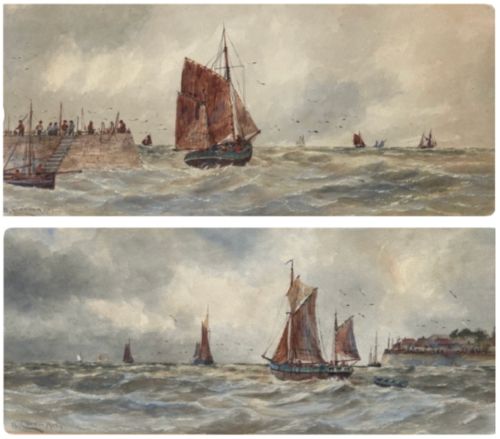
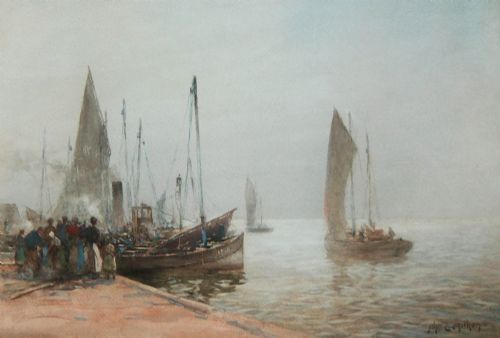
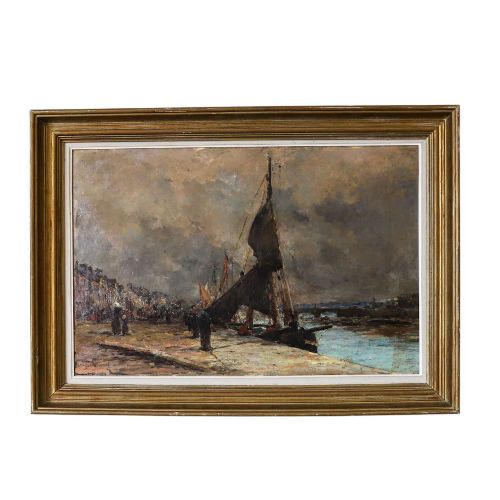
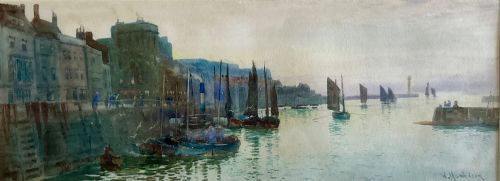
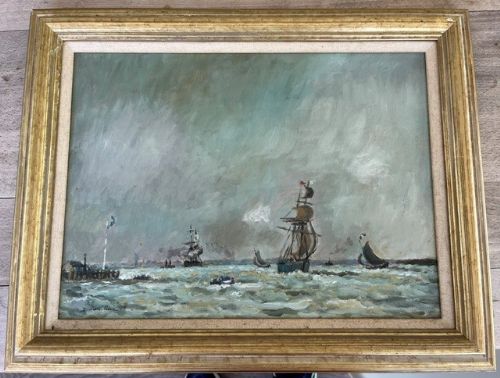
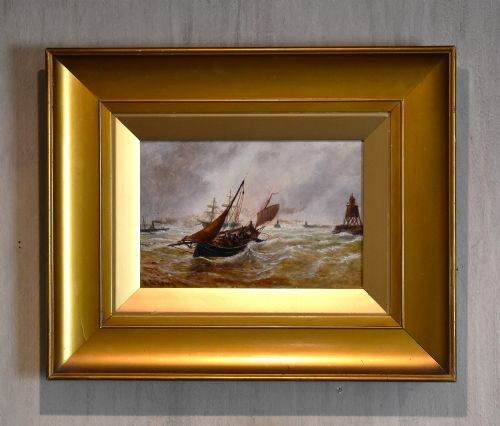
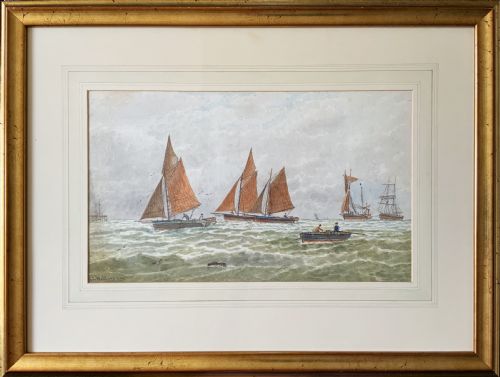
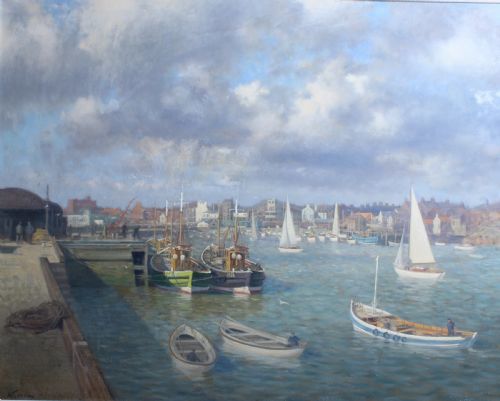
An original sailing boat painting captures maritime scenes, coastal harbours, and open waters through hand-painted artistry rather than modern reproduction. These works span from the Victorian period through the mid-twentieth century, recording working vessels, fishing boats, and leisure yachts in oil or watercolour.
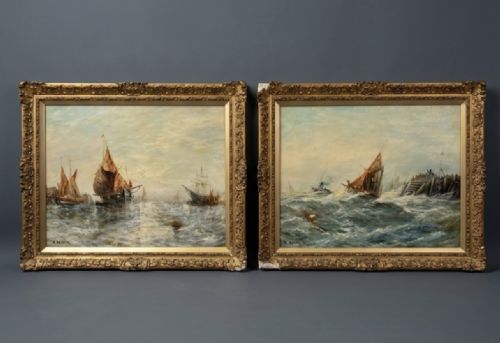
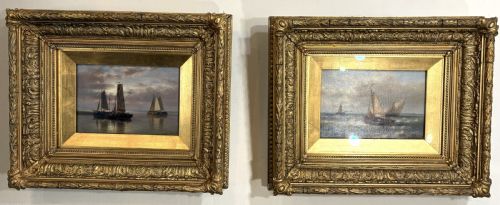
The most common examples on this page date from the nineteenth and early twentieth centuries, reflecting a strong British and European tradition of marine art. Buyers encounter both small-scale watercolour sketches on paper and larger oil paintings on canvas or board, often housed in period gilt frames.
Materials and techniques
Artists relied primarily on oil paint or watercolour pigment applied to canvas, wood panels, paper, or card. Oil paintings on canvas and board allowed for rich layering and textured depictions of stormy seas, whereas watercolour pigment on paper suited luminous harbour scenes and atmospheric coastal light.
Many works incorporate traditional framing, utilising gilt wood frames that complement the maritime subject matter. Supporting structures range from heavy wooden stretcher frames for canvases to card and paper mounts for delicate watercolours.
Support materials span canvas, wood board, card, and paper housed in gilt wood frames.
Distinctions in execution
Quality rests in the artist's handling of light, water movement, and atmospheric perspective within the composition. Stronger works demonstrate confident brushwork that conveys the weight of vessels and the motion of choppy or calm seas.
The depth of colour and stability of the underlying medium also separate standard decorative pieces from accomplished fine art examples. Preserved condition of both the paint surface and any original gilt wood framing contributes to the standing of an individual work.
William Cannon·James E. Aitken·Bernard Benedict Hemy·George Stanfield Walters·Abraham Hulk I·Charles Napier Hemy·Thomas Bush Hardy·Edward Seago·Frank H. Mason·Clara Montalba·Frank Myers Boggs
The Original Sailing Boat Painting Glossary
- Seascape
- A work of art depicting the sea, coastal views, or marine vessels in motion. These subjects formed a central focus for nineteenth-century maritime artists.
- Gilt wood
- Wood coated with a thin layer of gold leaf or gold-coloured paint. This finish frequently surrounds historic oil paintings to enhance their visual presence.
- Board
- A rigid flat surface used as a support for painting, commonly seen in nineteenth and twentieth-century oil works. It offers a firm alternative to stretched canvas.
- Impressionism
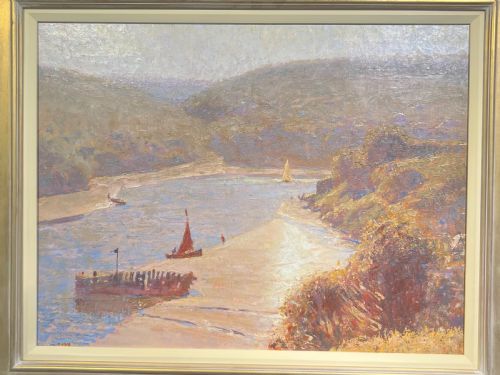
- An art style characterised by relatively small, thin yet visible brush strokes and an emphasis on accurate depiction of light. British and European painters applied this approach to coastal riverscapes and harbours.
Original Sailing Boat Painting: Frequently Asked Questions
What subjects appear in these paintings?
The artworks depict various maritime scenes, including fishing boats, working barges, warships, and leisure sailing vessels. Coastal harbours, river estuaries, and open sea views frequently form the background.
Artists recorded specific locations across Britain and Europe, ranging from Yorkshire fishing ports to Venetian canals and French coastal towns.
How do oil and watercolour works differ?
Oil paintings utilise heavy pigments on canvas or board, offering thick textures and deep colour layering suitable for dramatic seascapes. Watercolours use pigment on paper, providing a lighter, more transparent finish.
Watercolours generally require protective glass framing, whereas oil paintings on canvas remain open to the air within their wooden surrounds.
How should these paintings be displayed?
These works suit traditional or contemporary interiors when hung away from direct sunlight and damp conditions. Proper wall placement protects the paper supports of watercolours and the canvas tension of oil paintings.
Pairing the artwork with its existing gilt frame maintains the historical context of the piece.
How can I identify the period of a painting?
Dating relies on stylistic clues, artist signatures, and the physical materials used in the support and framing. Victorian and early twentieth-century works often feature specific handling of maritime rigging and coastal costume.
Exhibition labels or handwritten inscriptions on the reverse of the canvas or board frequently provide further historical context.