


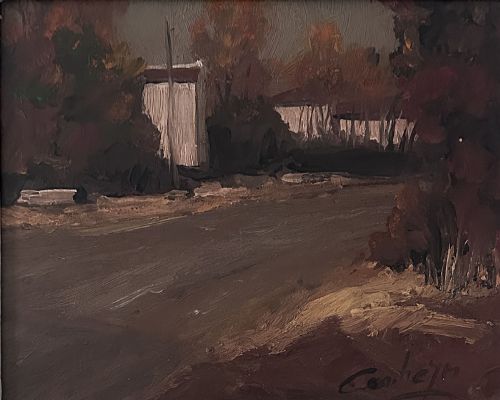
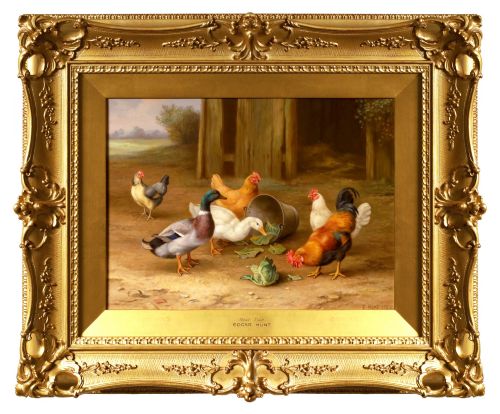
Original Rural Oil Painting
An original rural oil painting captures the quiet light of fields, farmyards and riverbanks from past centuries.
Original Rural Oil Painting
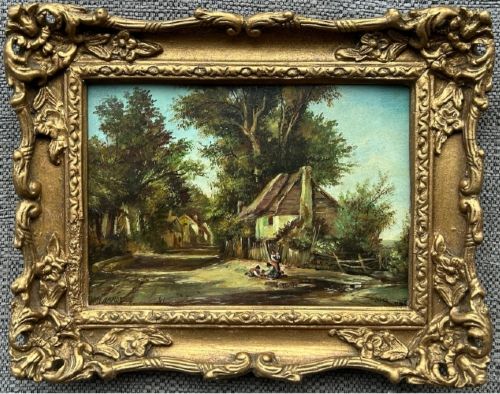
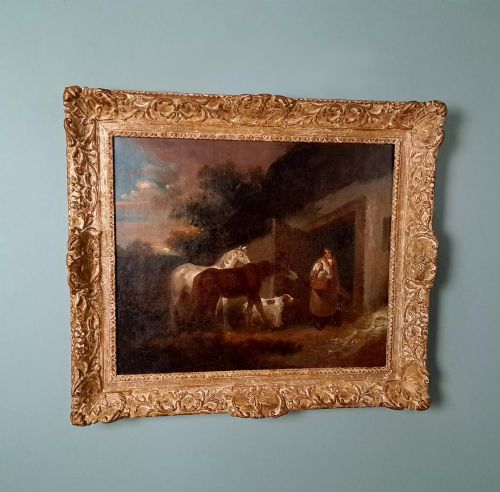
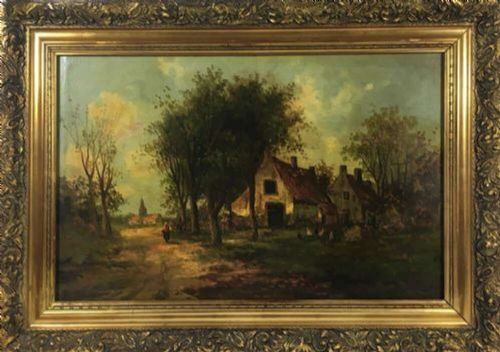
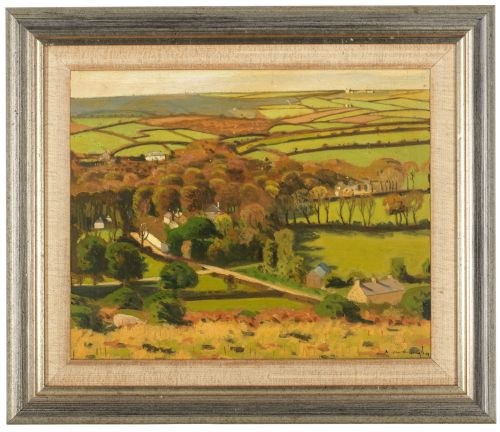
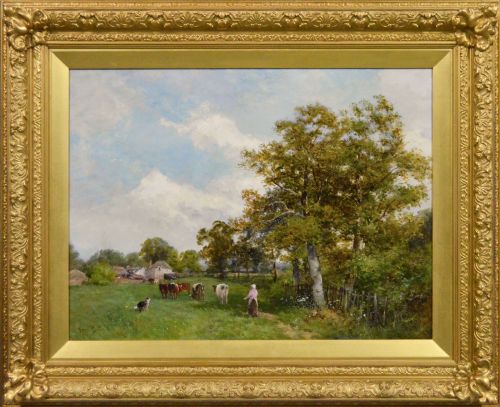
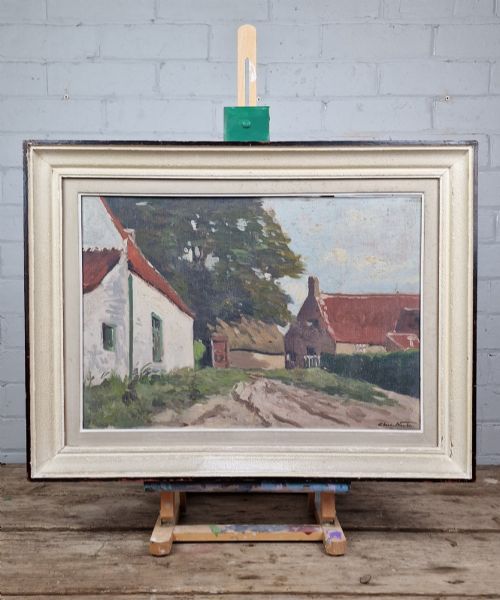
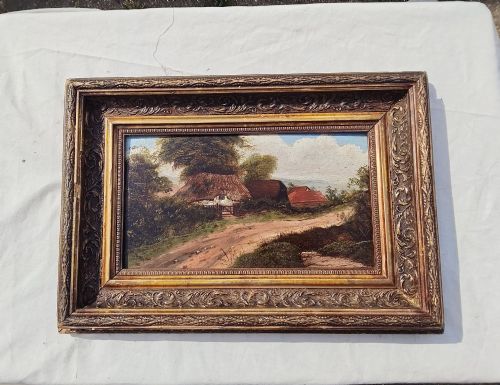
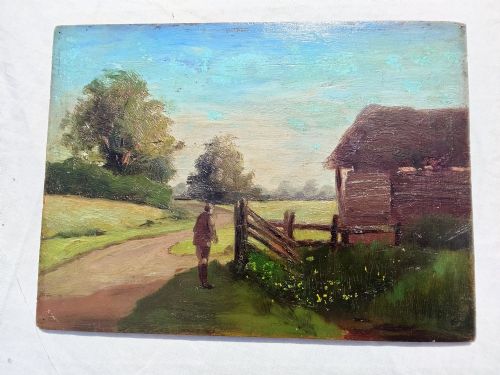
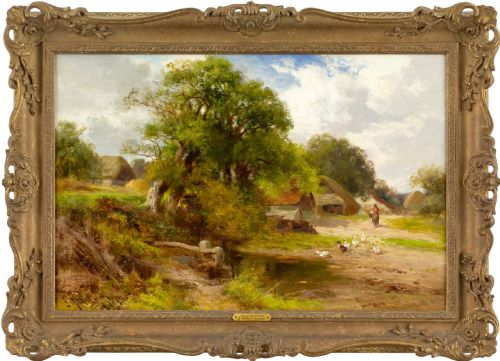
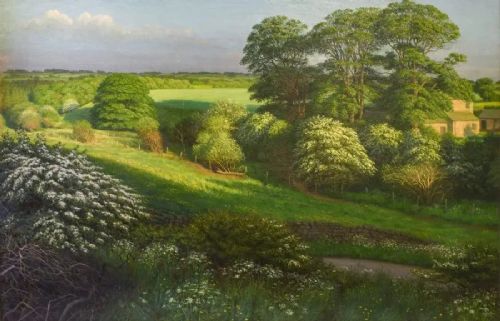
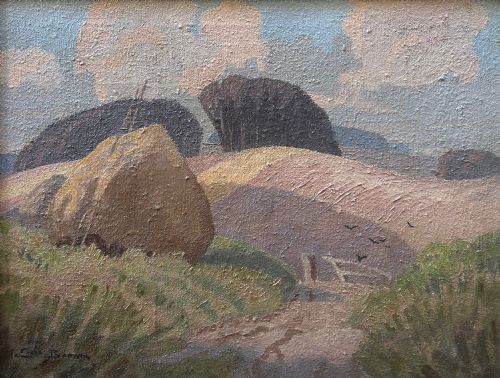
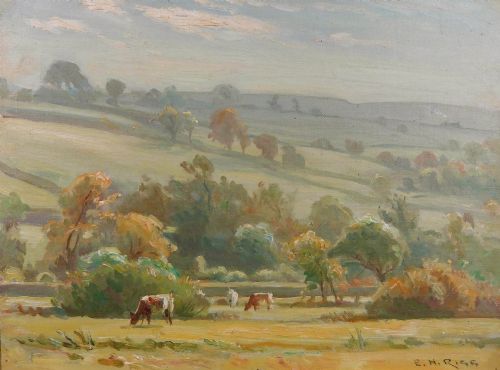
When you examine an original rural oil painting on this page, you encounter canvas, wood panel, board and card surfaces depicting agricultural scenes, country cottages, river landscapes and farm animals. The selection spans the nineteenth century, the Victorian era and the early decades of the twentieth century, with British, French, Belgian and Italian schools represented.
The most common subjects involve rustic life, harvest scenes, haystacks, woodland streams and village dwellings under various seasonal lights. These works record pastoral vistas through the eyes of regional artists working in impressionist, post-impressionist and traditional styles.
Judging Quality and Execution
Quality rests upon the artist's handling of light, depth and naturalism within the landscape composition. Stronger examples demonstrate confident brushwork, a coherent palette and a convincing sense of atmosphere, whereas weaker works rely on rigid repetition and flat colour application.
The condition of the pigment layer and the integrity of the original support influence desirability. Works retaining their initial wooden panels or stretchers, paired with period gilt frames, hold greater appeal for collectors of historical fine art.
Listings feature canvases, wooden boards and cards painted in oils, spanning the nineteenth and twentieth centuries.
GEORGE GRAHAM·William Howard Hardy·William Joseph Shayer Senior·Robert Morson Hughes·David Bates·Charles Houben·John Horace Hooper·Raymond Booth·Eric Brown·Ernest Higgins Rigg·Edgar Hunt·Umberto Volpato·William Greaves·Owen Bowen·Charles Clair·Harry Freckleton·Herbert Royle·William JB Jenkins·Reginald Grange Brundrit·Henry John Boddington·Edwin Cole·Harry Foster Newey·Dean Wolstenholme·George Vincent·Maude Goodman
The Original Rural Oil Painting Glossary
- Oil Paint
- A slow-drying paint made by mixing pigments with oils, such as linseed oil. This medium allows artists to blend tones smoothly or build thick textured surfaces.
- Canvas
- A heavy woven fabric stretched across a wooden frame to serve as a painting support. It provides flexibility and a uniform texture for oil application.
- Wood Panel
- A rigid wooden board utilised as a primary support for paintings before canvas became dominant. Panels offer a stable surface that prevents the cracking associated with stretched fabric.
- British Impressionism
- An artistic movement reflecting the influence of French plein-air painting adapted by British artists. It emphasises loose brushwork and the play of natural light.
- Barbizon School
- A French art movement focused on landscape painting from nature. Painters associated with this group prioritized direct observation of rural scenery and atmospheric effects.
Original Rural Oil Painting: Frequently Asked Questions
What periods do these paintings date from?
The works span from the nineteenth century through the Victorian period into the nineteen-fifties. Most examples originate between eighteen-thirty and nineteen-thirty.
Dates are determined through stylistic analysis, artist signatures, framing and materials such as canvas or wooden panels.
How should I display an oil painting?
Keep paintings away from direct sunlight and fluctuating humidity to protect the oil paint and wooden supports. Many pieces retain their period gilt frames which complement the artwork.
Ensure wall fixings match the weight of the frame and canvas before hanging.
What subjects appear in these rural scenes?
Common subjects include farmyards, thatched cottages, livestock, river landscapes and agricultural workers during harvest. Artists recorded daily country life across Britain and continental Europe.
Settings range from Yorkshire and Cornwall to French and Belgian rural districts.
How do I identify the artist?
Signatures, monograms or inscriptions on the front or reverse of the canvas, board or frame often name the creator. Some listings also include studio sale provenance or exhibition labels.
Researching regional school styles helps attribute unsigned works to specific periods.