


Original River Landscape Artwork
Original river landscape artwork captures flowing water and open banks across centuries of oil, watercolour and canvas.
Original River Landscape Artwork
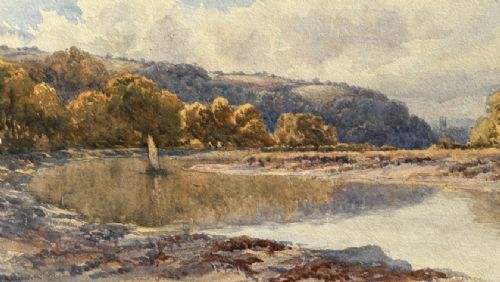
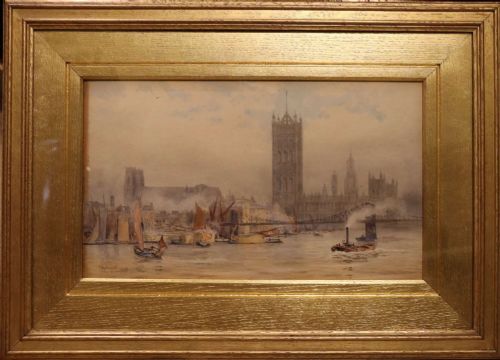
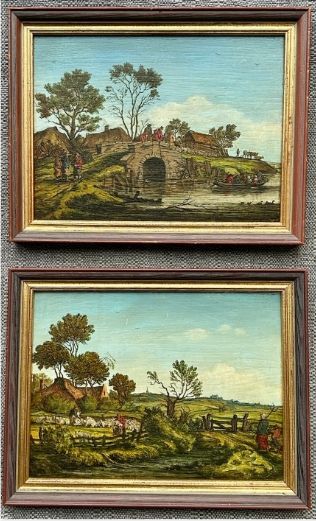
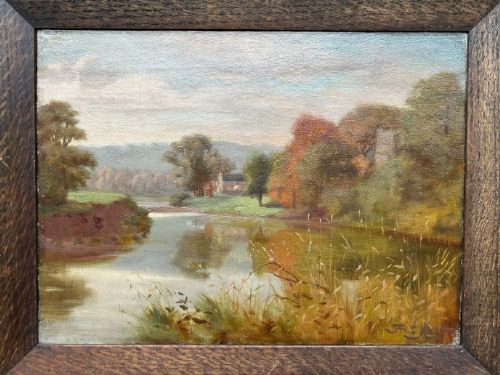
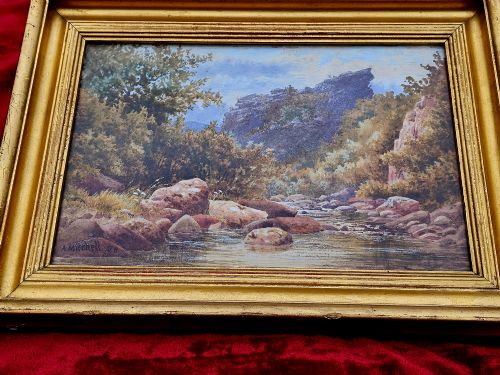
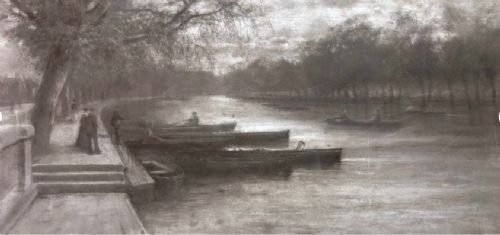
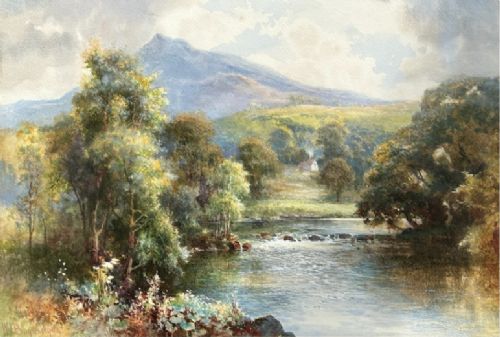
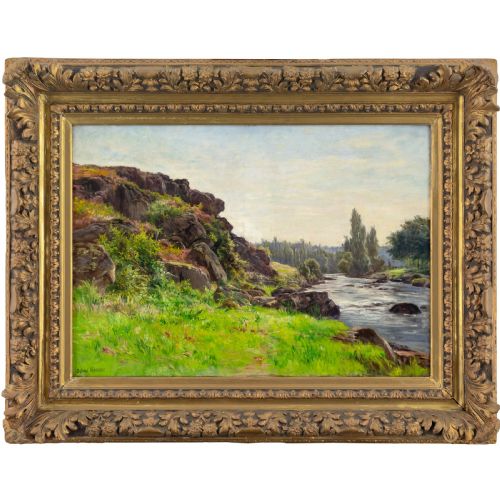
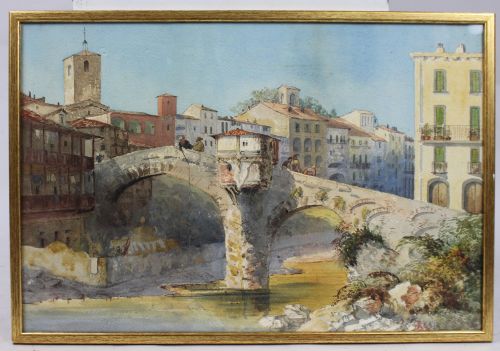
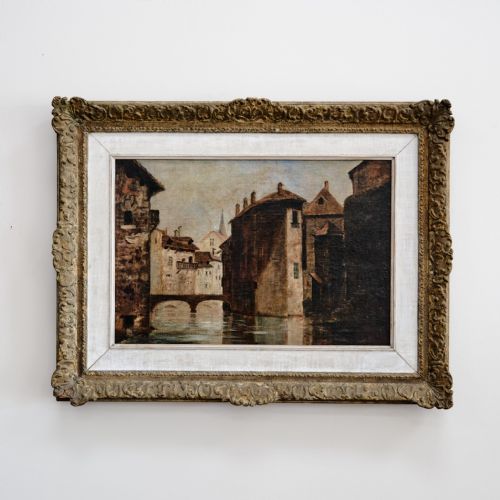
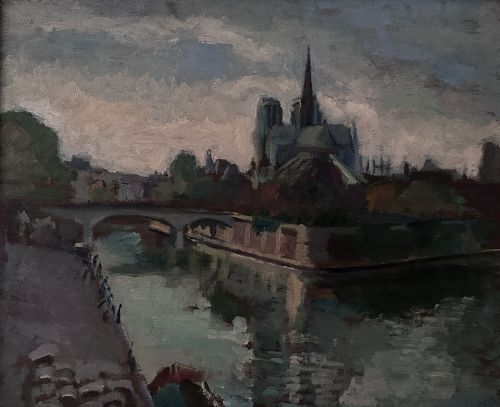
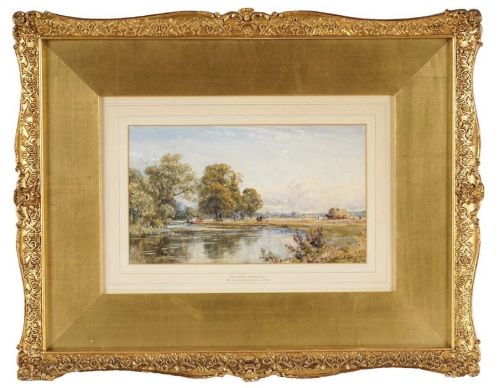
Original river landscape artwork brings together watercolours, oil paintings and charcoal drawings focused on river banks, bridges and rural waterways. These pieces capture topography from Welsh valleys and London bridges to French rivers and Italianate scenes.
The selection on this page relies heavily on nineteenth-century works alongside pieces from nineteen-hundred, nineteen-twenty and the mid-twentieth century. Canvas and wood panels sit alongside paper supports, reflecting varied historic studio practices.
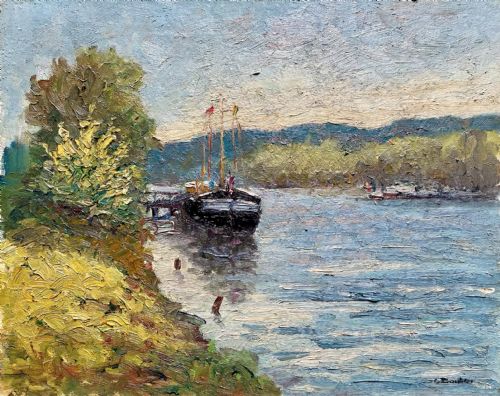
Victorian, Edwardian, and Post-Impressionist movements shape the visual language found across these framed and unframed compositions. Buyers encounter both signed works by known nineteenth and twentieth-century painters and creations by the broader British and European schools.
How they were made
Artists painted primarily in oil and watercolour, applying pigment to stretched canvas, wooden panels, or heavy paper sheets. Oil paint allowed rich texture and depth, particularly on wood panels and canvas supports.
Watercolour works on paper relied on transparent washes and fine brushwork to capture shifting light over water and sky. Charcoal drawings utilised dark, gestural marks to establish tone and atmosphere on paper.
Gilt frames frequently complement the canvases and panels, while many watercolours remain mounted behind glass to protect the paper substrate.
Listings feature works from the nineteenth century up through the nineteen-sixties, utilising canvas, wood panels, and paper.
What varies in quality
The strength of composition and brushwork distinguishes exceptional paintings from standard topographical records. Mastery of light on water and atmospheric perspective elevates a landscape beyond mere documentation.
Material preservation plays a part, as stable canvas tension and intact pigment layers retain the artist's original touch. Original period framing also contributes to the integrity of the piece.
Kenneth Cozens·Alfred Young Nutt·Frederick Marriott·Robert W. Macbeth·Robert Thorne Waite·George Oyston·Sir Alfred East·Albert Rieger·Herbert Royle·Henry H Parker·John Ferneley Senior·Archibald Kay
The Original River Landscape Artwork Glossary
- Oil painting
- A work created using pigments bound in a drying oil medium, typically applied to canvas or wood panel. This technique allows for rich colour blending and textured brushwork.
- Watercolour
- A painting method where fine pigment is suspended in a water-soluble binder on paper. It produces luminous, transparent washes of colour.
- Canvas
- A heavy woven fabric stretched across a wooden frame to serve as a sturdy support for oil paint. It remains a standard substrate for historic paintings.
- Post-Impressionism
- An art movement extending beyond Impressionist concerns towards symbolic content and expressive use of form and colour. Works from this style often feature bold brushwork.
- Etching
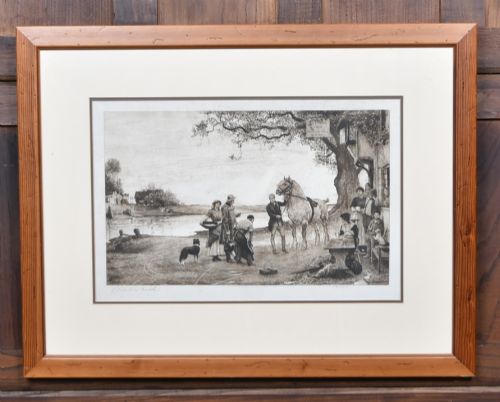
- A printmaking process where acid cuts into unprotected areas of a metal plate to hold ink. It produces fine, detailed lines on paper.
Original River Landscape Artwork: Frequently Asked Questions
What is original river landscape artwork?
Original river landscape artwork consists of unique historic paintings and drawings depicting rivers, streams, and bridges. These pieces are created by hand using oil, watercolour, or charcoal on canvas, wood, or paper.
Created across the nineteenth and twentieth centuries, these works document natural and urban waterways through various artistic movements including Victorian realism and French Post-Impressionism.
How should I hang a canvas painting?
Canvas paintings require secure wall fixings suited to their weight and the specific wall construction. Hang them away from direct sunlight and steady heat sources to protect the canvas and oil pigments.
Using a sturdy picture wire attached to strong D-rings on the wooden stretcher frame ensures the artwork hangs flat and stable.
How do I care for antique watercolours?
Antique watercolours on paper need protection from direct sunlight and high humidity to prevent fading and paper degradation. Framing behind conservation glass helps shield the delicate pigments from ultraviolet light.
Keeping these works in rooms with stable temperature and humidity levels preserves the paper and mounting materials over time.
How can I tell the period of a painting?
Dating a painting involves examining the framing methods, stretcher bars, canvas type, and paper characteristics alongside any signatures or dates. Stylistic cues such as Victorian brushwork or mid-century modern composition also offer clues.
Exhibiting labels, stamps on the reverse of the canvas, and dealer notes often provide additional provenance to help narrow down the creation date.