
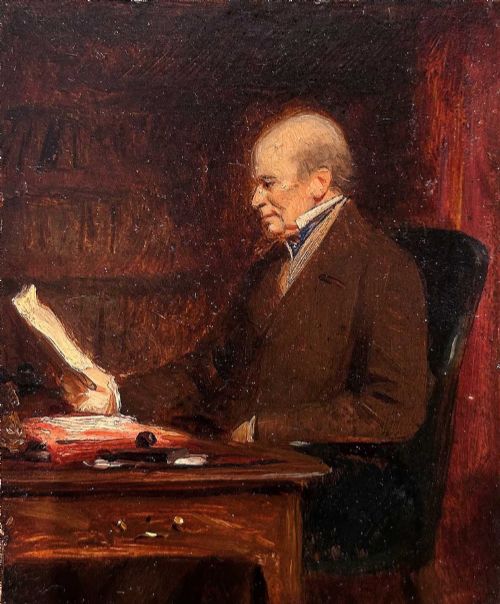
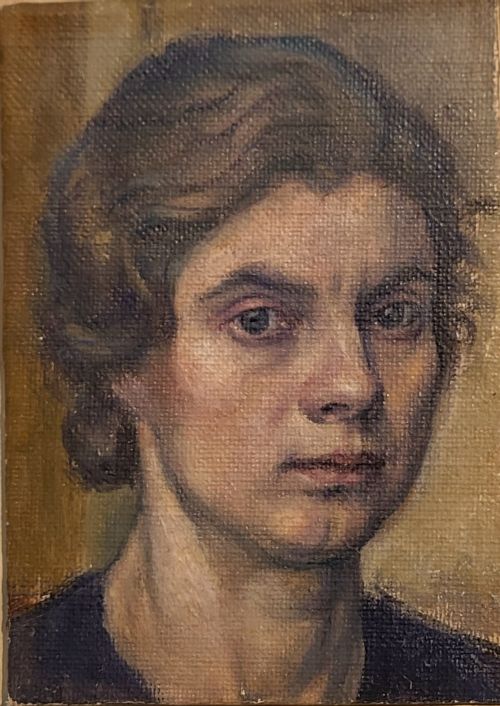
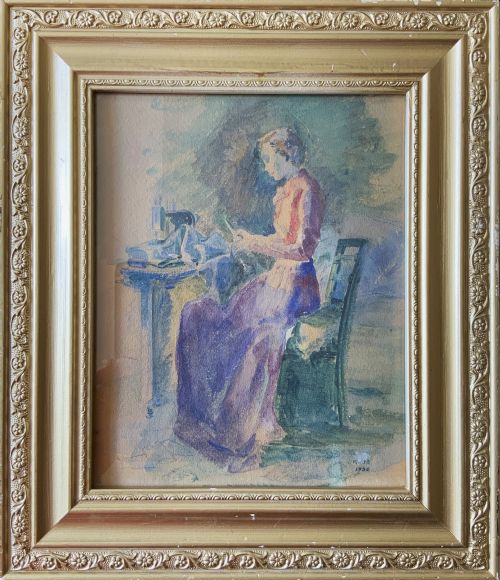
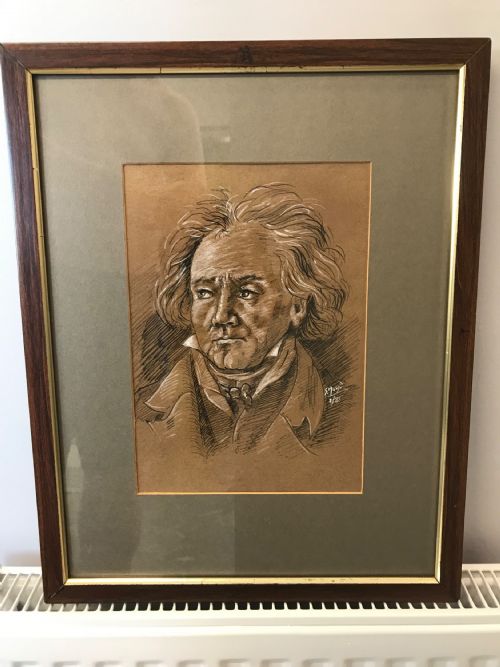
Original Portrait Study
An original portrait study offers a direct, unpolished glimpse into the artist's working method and the subject's living presence.
Original Portrait Study
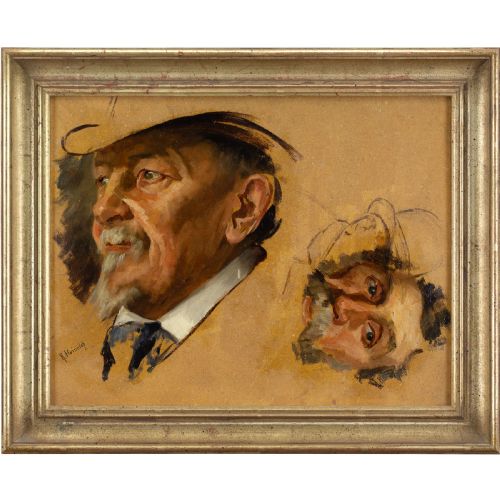
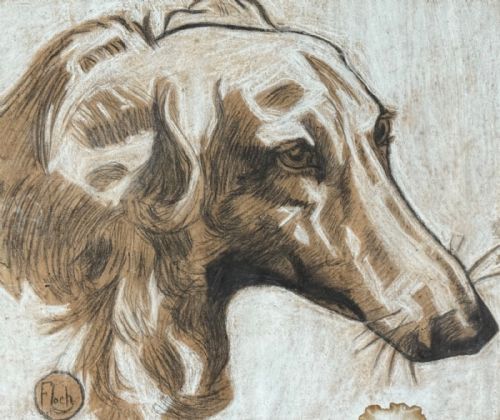
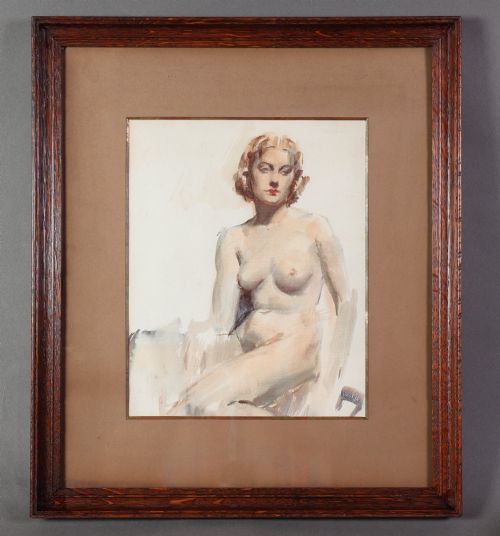
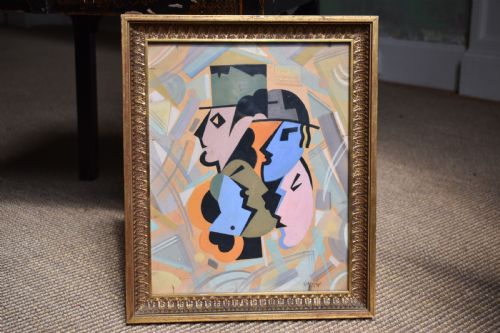
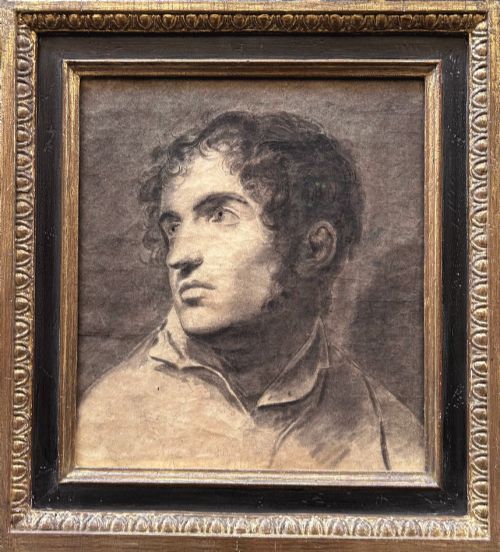
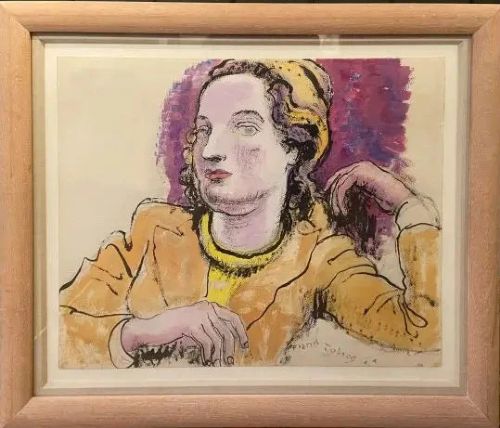
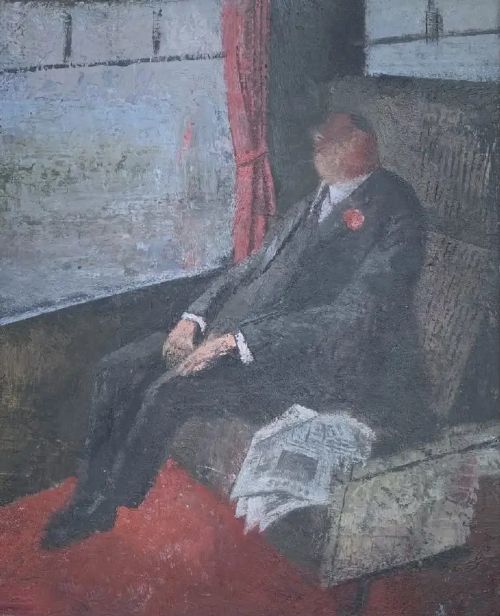
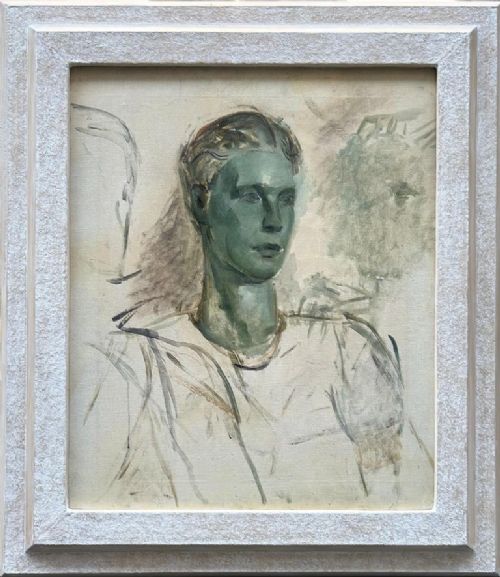
An original portrait study captures the preparatory stages, life sessions, and intimate explorations of human and animal forms that artists create before finished exhibition pieces. Buyers seeking this category encounter diverse expressions ranging from nineteenth-century academic life drawings to mid-century modernist sketches.
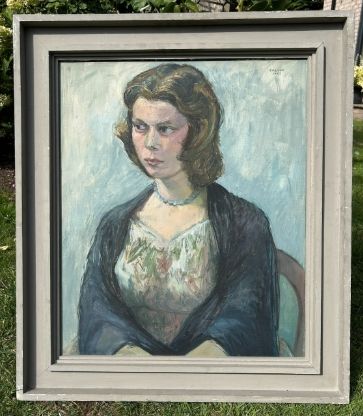
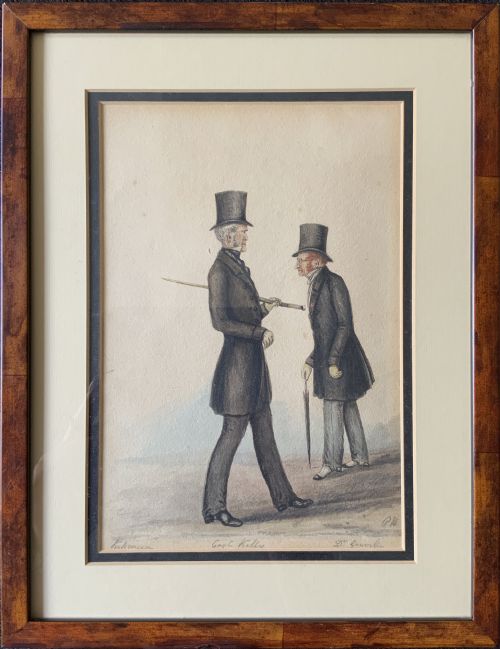
The selections span centuries, featuring nineteenth-century watercolours, early twentieth-century charcoal drawings, and mid-century oil paintings on canvas or board. Works often depict sitters from British, French, and Italian schools, encompassing human figures, nudes, and domestic animals.
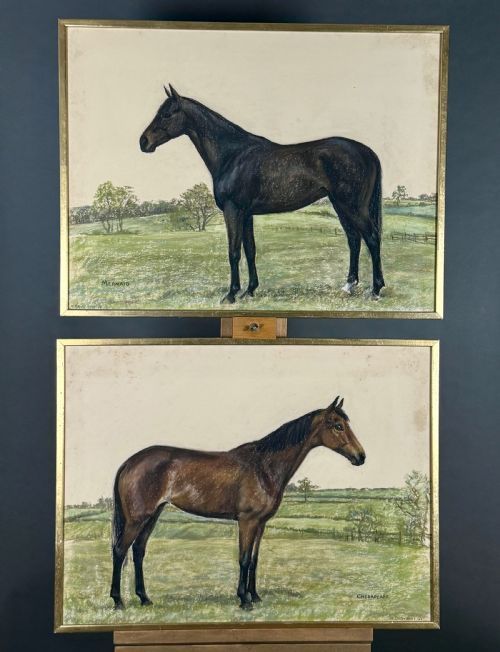
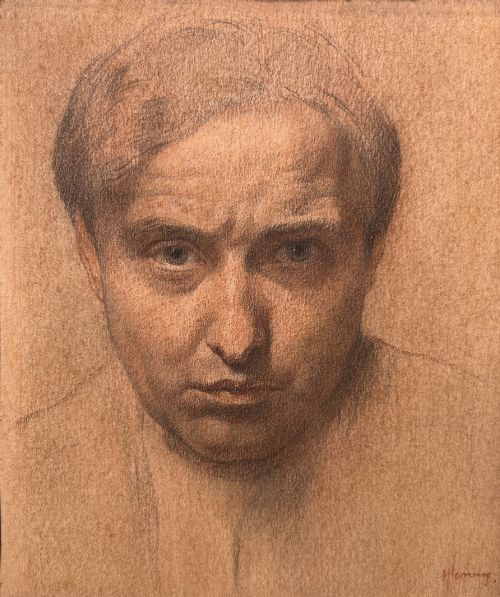
Subjects vary widely from formal commissions and self-portraits to anonymous studio models, dancers, and equestrian studies. These pieces provide collectors with tangible evidence of an artist's hand recording gesture and expression without commercial constraint.
How They Were Made
Artists executed these works on varied supports including paper, buff paper, canvas, card, wood, and artist palettes. The primary mediums recorded across the inventory consist of oil paint, watercolour, gouache, pastel, chalk, pencil, ink, and charcoal.
Draftsmanship forms the foundation of these studies, utilising graphite, pen, wash, and charcoal lines to establish proportion and tone before applying colour. Painters built up oil and watercolour pigments directly on the support, capturing immediate observation rather than blending details into a high finish.
Listings feature works spanning from the eighteenth century through the 1960s, executed in oil, watercolour, pastel, and charcoal.
What Varies In Quality
Quality rests upon the confidence of the line and the decisiveness with which the artist captures anatomy, character, and movement. Superior examples demonstrate economy of mark-making where every stroke contributes directly to the vitality of the subject.
The relationship between the artist and the subject influences the depth of the study, distinguishing hurried academic exercises from engaged psychological observations. The condition of the paper or canvas and the preservation of fugitive pigments like pastels also define the standing of individual pieces.
Frank Dobson·Augustus John·Lucien Freud·Harry Epworth Allen·Dame Ethel Walker
The Original Portrait Study Glossary
- Life study
- A drawing or painting executed directly from a live model, often focusing on the nude or specific anatomical gestures. These exercises formed the backbone of academic training.
- Gouache
- An opaque water-based paint that dries to a matte finish, frequently combined with watercolour, pencil, or ink on paper. It allows artists to apply bright highlights over darker washes.
- Academic realism
- A style of painting and drawing produced under the influence of European academies of art, emphasising precise anatomy, classical composition, and detailed rendering. Works in this mode reflect rigorous technical instruction.
- Mixed media
- An artwork utilising two or more distinct artistic materials or mediums on a single support, such as ink, wash, and gouache combined. This approach allows creators to blend linear precision with tonal depth.
Original Portrait Study: Frequently Asked Questions
What is an original portrait study?
An original portrait study is a preparatory or exploratory artwork created to capture the likeness, character, or anatomy of a subject. Unlike formal commissioned portraits, these pieces often reveal the spontaneous hand of the artist at work.
They serve as direct records of observation, utilising media such as pencil, charcoal, watercolour, or oil paint on paper, canvas, or board.
How were these studies used?
Artists created these studies to practice drawing from life, to record expressions or poses quickly, or to plan larger, more finished paintings. They functioned as private working documents kept in studio archives rather than finished pieces intended for public exhibition.
Many bear the marks of daily studio practice, including grid lines, artist notes, or double-sided compositions.
How should I frame and display works on paper?
Works on paper, such as charcoal drawings, watercolours, and pastels, require conservation-grade framing to protect them from environmental damage. Acid-free mounts prevent the paper from discolouring, and spacing ensures the delicate medium does not touch the glass.
Display these pieces away from direct sunlight to prevent the fading of fugitive pigments like watercolours and coloured chalks.
How can I tell different periods apart?
Distinguishing periods relies on observing the paper stocks, framing materials, and stylistic shifts inherent to each era. Nineteenth-century pieces frequently display academic restraint and traditional sepia or tonal palettes, while twentieth-century works embrace bolder modernist mark-making and experimental media.
Signatures, inscriptions, and artist stamps often provide definitive clues to the date of creation.