
Original Paint Furniture
Original paint furniture carries the authentic surface left by past centuries, bringing tactile depth and historic character directly into a room.
Original Paint Furniture
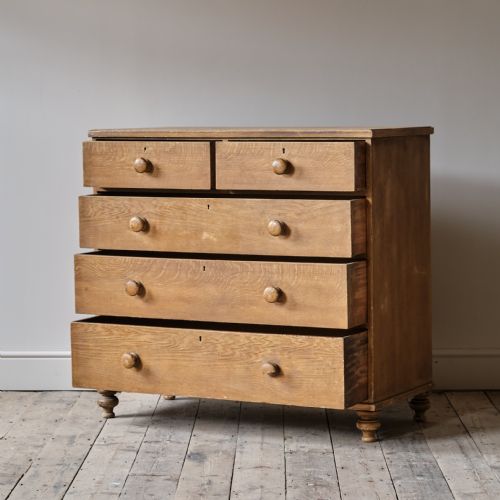
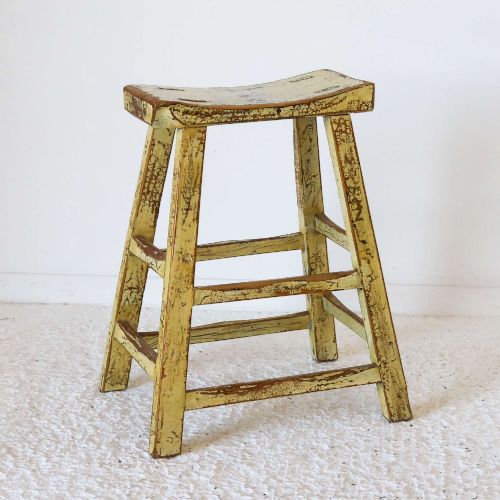
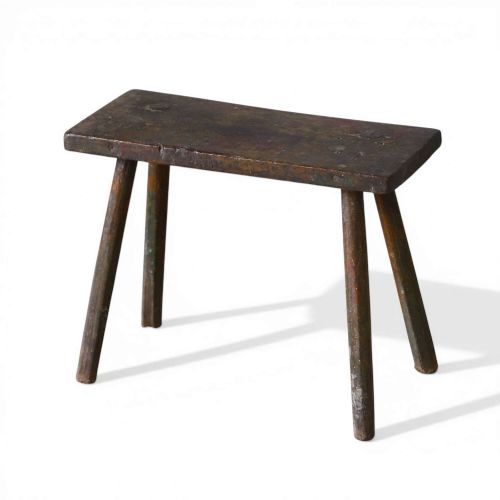
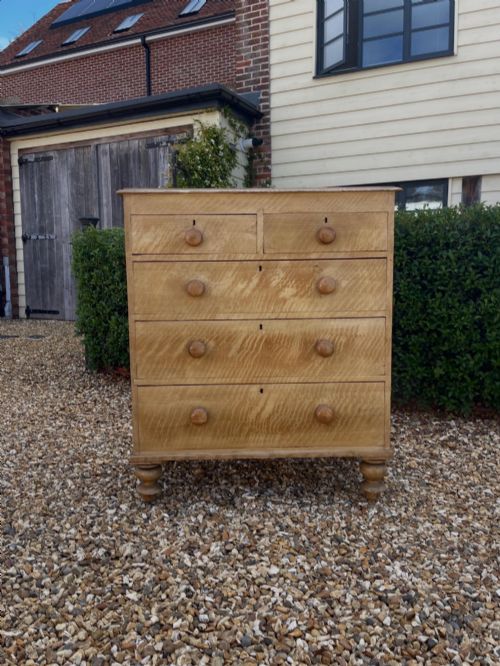
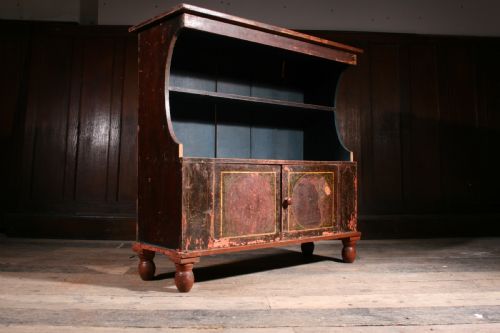
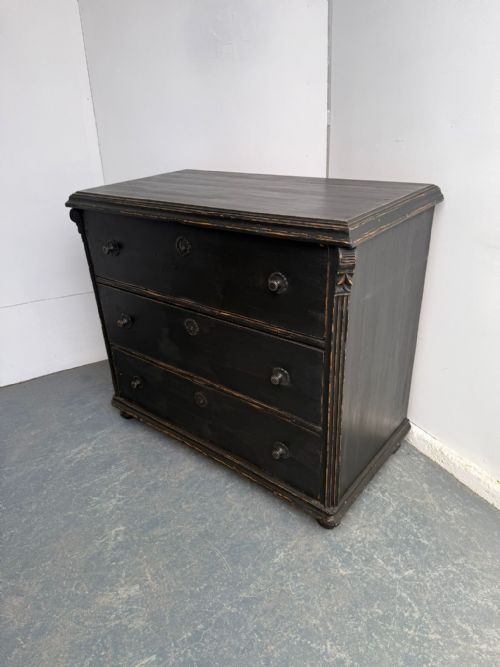
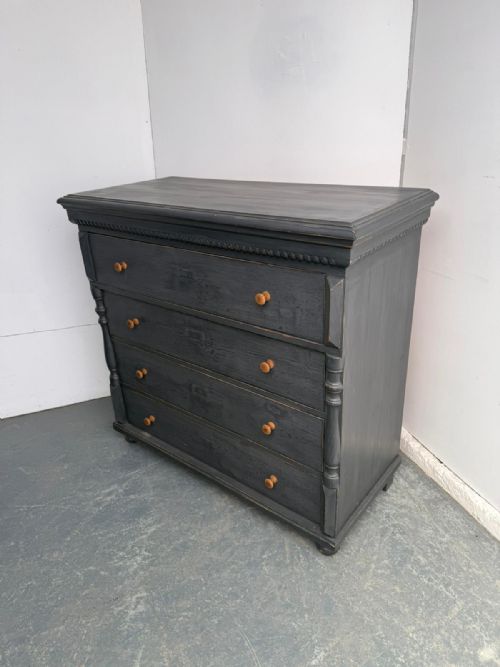
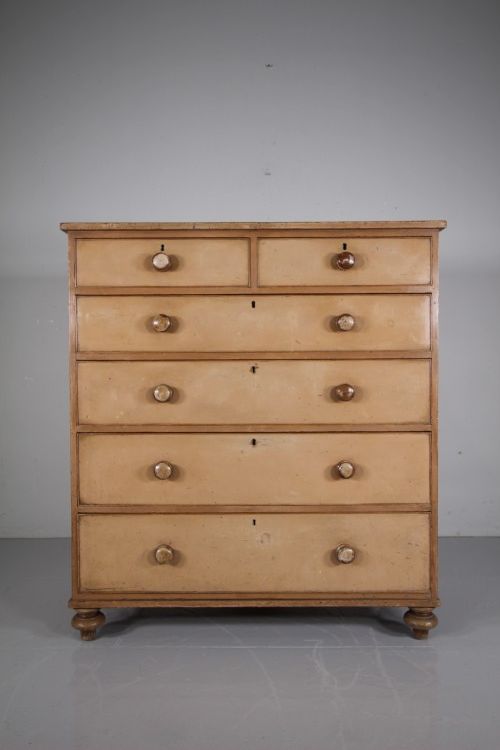
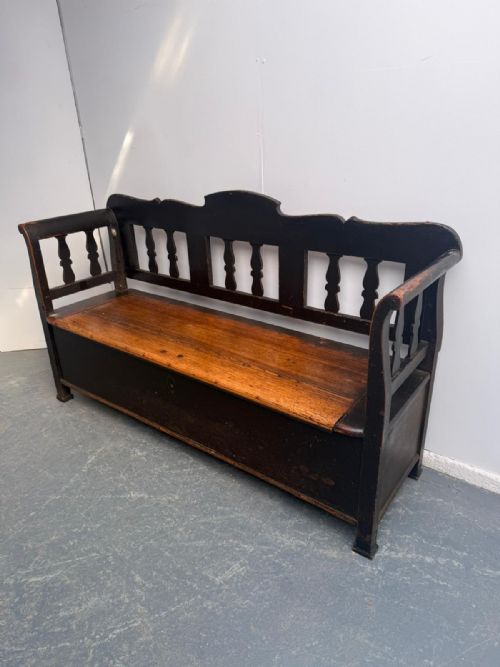
Original paint furniture encompasses items that retain their earliest or historic surface layers rather than being stripped or later refinished. When searching for original paint furniture, buyers encounter utilitarian forms like pine chests of drawers, settles, benches, cupboards, and washstands originating from Georgian, Victorian, and nineteenth-century periods.
How they were made
Makers constructed these pieces primarily from domestic and regional timbers such as pine, satinwood, oak, mahogany, and elm, utilising iron or brass hardware for hinges and pulls. Surfaces were then treated with liquid paint, scumble glazes, or lacquered finishes to protect the wood and impart colour.
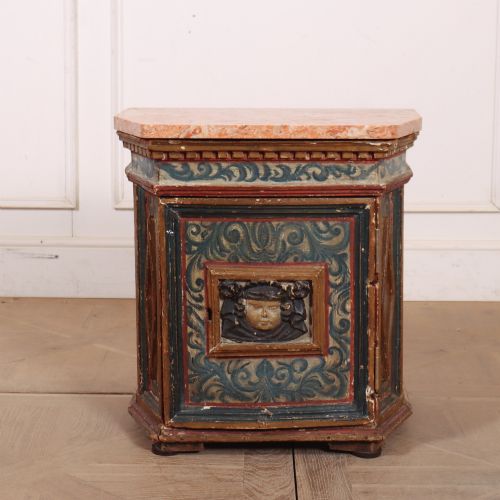
Techniques varied from simple flat pigment applications to decorative graining, scumbling, and painted faux finishes like faux marble. These coatings bonded directly with the underlying timber over generations, creating stable surfaces that record the tools and methods of past workshops.
Listings feature items built from pine, satinwood, mahogany, elm, and oak, incorporating iron, brass, and glass elements across Georgian, Victorian, and twentieth-century periods.
What varies in quality
Quality rests in the integrity of the surface and the harmony between the piece and its coating. An undisturbed layer that retains its rich tonal depth and honest wear elevates a domestic cupboard or chest far above surfaces compromised by heavy intervention.
Construction standards also set pieces apart, distinguishing robust joinery in regional pine or hardwood carcases from simpler utility builds. The sophistication of the decorative application, whether a humble scumble finish or detailed painted ornamentation, dictates the tier of the object.
The Original Paint Furniture Glossary
- Original paint
- A surface coating applied when the piece was made or during its early historic use, surviving without modern overpainting. This uncompromised layer provides historians and collectors with evidence of period taste and manufacturing methods.
- Scumble
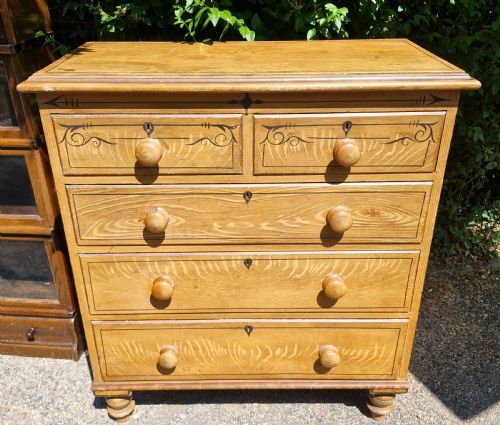
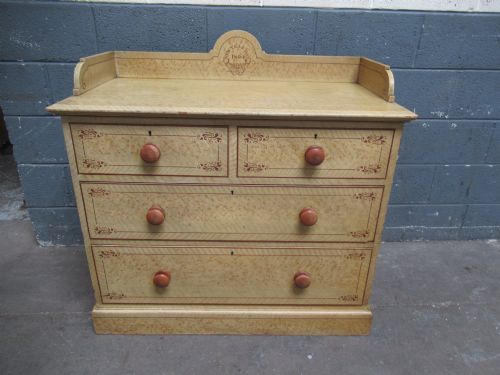
- A translucent or semi-opaque glaze applied over a lighter base colour and manipulated with combs, rags, or brushes to imitate finer wood grains. It was widely utilised on nineteenth-century pine furniture to simulate expensive timbers.
- Settle
- A wooden bench with high backboards, solid armrests, and frequently a box compartment beneath the seat for storage. These pieces anchored domestic halls and kitchens across English and Hungarian rural interiors.
- Washstand
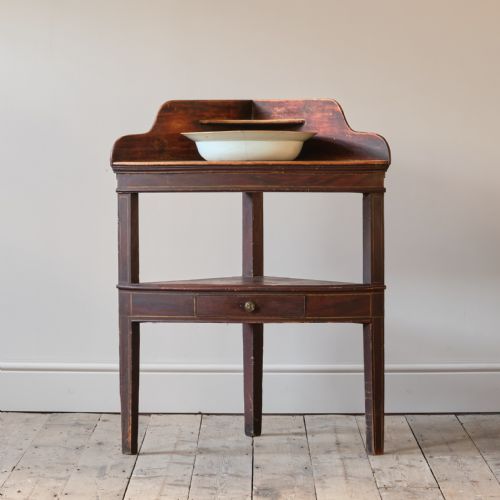
- A dedicated bedside or dressing item designed to hold basins, ewers, and toiletries, often featuring splashbacks or stone and painted faux marble tops. They reflect the domestic hygiene habits of the Georgian and Victorian eras.
- Breakfront
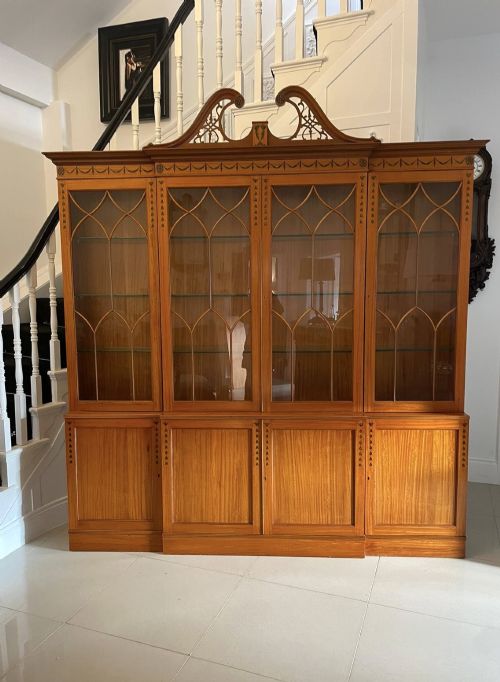
- A large cabinet or bookcase design where the central section projects forward from the flanking wings. This architectural form appears on grander display pieces from the early twentieth century and earlier.
Original Paint Furniture: Frequently Asked Questions
How do I identify original paint?
Authentic historic surfaces exhibit natural craquelure, integrated wear around handles and edges, and uniform ageing consistent with the timber beneath. Examination under magnification often reveals microscopic layers of dirt and wax locked into the pigment.
Later overpaints tend to sit flatly over modern primers or conceal genuine wear patterns. Genuine surfaces show subtle tonal variations where light and handling have interacted with the medium over centuries.
Where were these pieces used?
Original paint items predominantly served functional roles in rural homes, farmhouses, country houses, and provincial shops. Pieces like dressers, linen cupboards, and benches outfitted domestic kitchens and hallways.
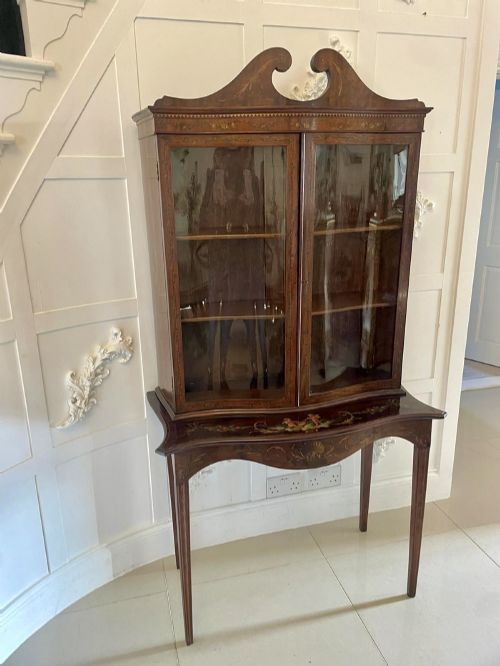
More decorative items such as display cabinets, commodes, and tripod tables occupied formal parlours or bedrooms. Their surviving finishes reflect the interior decoration choices of Georgian, Victorian, and continental European households.
How do I care for original paint?
Maintenance requires stable indoor humidity and protection from direct sunlight, which can fade historic pigments and dry out underlying woods. Light dusting with a soft, dry cloth is sufficient for routine cleaning.
Avoid modern chemical solvents, abrasive cleaners, or household polishes that can dissolve fragile binders in historic paint layers. Professional conservation advice should be sought before applying any protective waxes or oils.
What is scumble paint?
Scumble paint is a decorative glaze technique used to create textured patterns or simulate the appearance of expensive exotic woods on plain timbers like pine. Craftsmen dragged or wiped the wet glaze across a pale base coat to achieve mottled or grained effects.
This method was popular on Victorian and nineteenth-century chests of drawers and Wellington chests. It offered an affordable way to achieve a stylish finish in modest homes.