



Antique Two Over Four
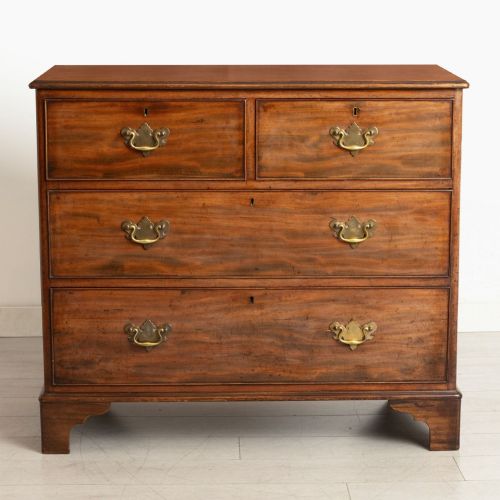
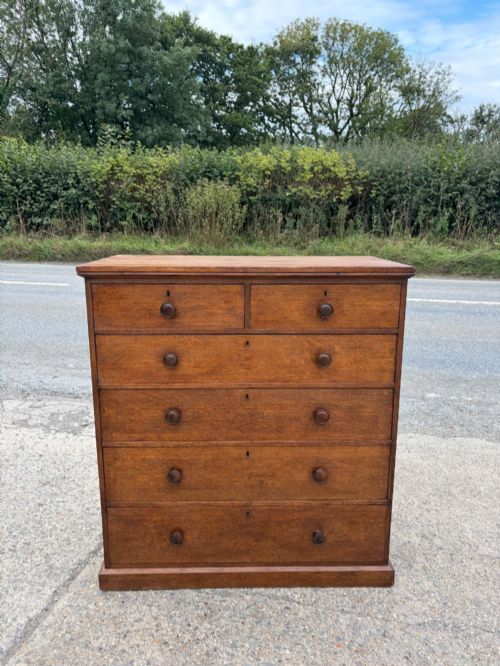
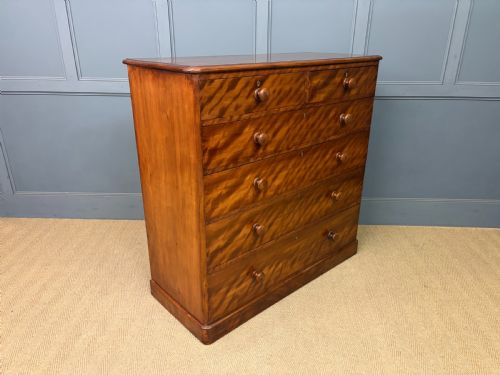
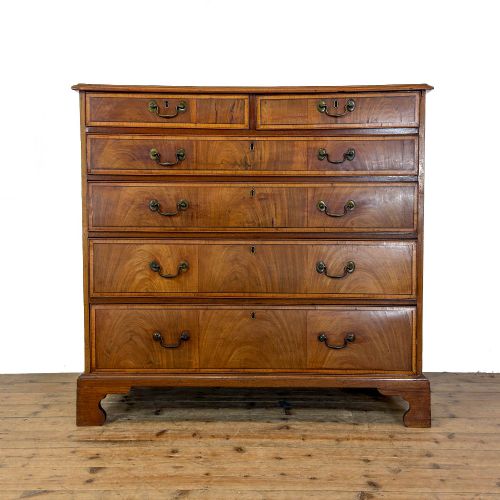
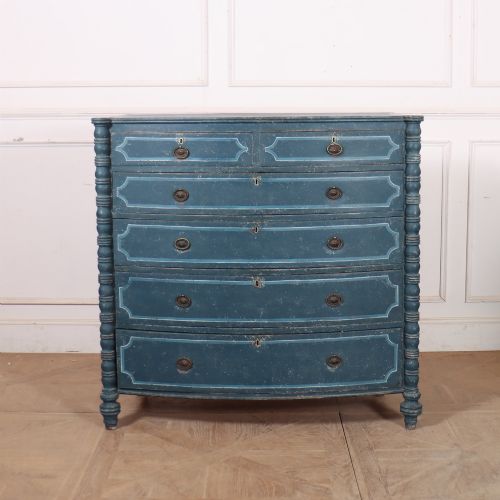
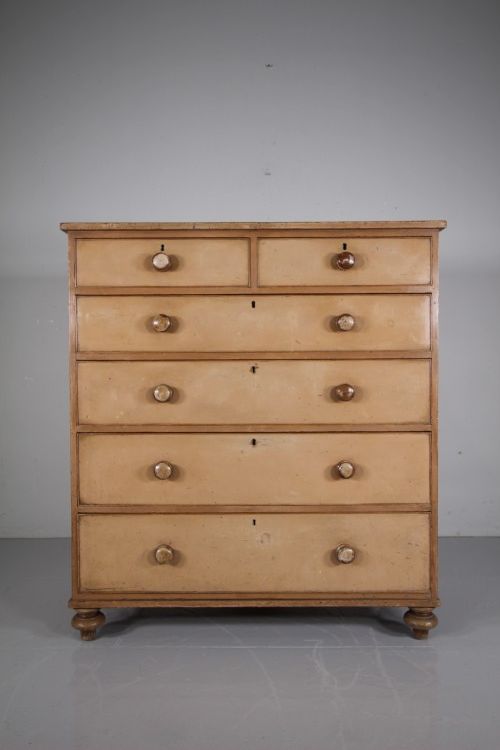
An antique two over four brings substantial proportion to a room, offering two smaller top drawers above four wider ones in classic timber construction.
Antique Two Over Four
When you search for an antique two over four, you are looking at tall chests of drawers arranged with a distinctive upper tier of two smaller drawers over four longer ones beneath. The form appears across the nineteenth century, spanning Georgian, Regency, Victorian, and Edwardian periods.
The versions you meet on this page include mahogany, oak, pine, and painted wood, alongside specific regional forms such as bowfront and 'D' front chests. English country pieces sit alongside more formal urban examples from makers like Heal and Son.
These proportions deliver generous storage while maintaining a balanced vertical facade that anchors a bedroom or hallway. Each period brings subtle shifts in timber selection and moulding profile to the same architectural layout.
How they were made
Surface treatment ranges from polished timber highlighting natural grain to original paint finishes preserved on country pieces. Structural joinery relies on traditional techniques suited to heavy daily use.
Antique Two Over Four Retail Price Guide 2026
Typical asking prices for two over four among the pieces listed under this phrase on Sellingantiques today, from the lower quarter to the upper quarter. They describe what is for sale here now, not the wider market.
Some country makers thoughtfully placed the deepest knots where nobody would ever polish them.
What varies in quality
Quality in these chests rests upon the choice of timber figure, the crispness of the drawer linings, and the integrity of the original carcase construction. Finer examples display carefully matched veneers, such as pollard oak, and well-proportioned mouldings that respect the architectural rules of their period.
The presence of original painted surfaces or authenticated maker details elevates a piece beyond standard utilitarian workshop production. Conversely, later alterations to feet, handles, or surfaces diminish the integrity of the original design.
Heal and Son
The Antique Two Over Four Glossary
- Bowfront
- A curved convex front to a chest of drawers that swells outward towards the centre. This style became popular during the Georgian and Regency periods.
- D Front
- A cabinet front shaped in the semi-circular profile of the capital letter D. It provides a distinct architectural outline.
- Veneer
- A thin layer of finely figured timber applied to a secondary wood base. This technique allowed makers to display decorative grain patterns economically.
- Pollard Oak
- Oak timber taken from trees that have been pollarded, producing tightly clustered knot patterns. It is prized for its decorative dappled appearance.
- Escutcheon
- A protective plate surrounding a keyhole. It is typically cast in brass on better pieces.
Antique Two Over Four: Frequently Asked Questions
What is a two over four chest?
A two over four chest is a tall storage furniture piece featuring a horizontal row of two smaller drawers positioned above four wider, full-width drawers.
This specific configuration provides versatile organisation, keeping smaller items in the upper tier while bulky garments fit into the deeper lower drawers.
How do I date an antique chest?
Dating relies on examining the secondary timbers, construction methods, handle styles, and overall proportions of the piece.
Changes in stylistic vocabulary from Georgian proportions to Victorian mass or Edwardian restraint help narrow down the decade of manufacture.
Are these chests suitable for daily bedroom use?
These pieces were built for heavy domestic service and remain entirely practical for modern bedroom storage.
Their deep drawers accommodate contemporary clothing while adding period character to a domestic interior.
What woods were used in these chests?
Cabinet makers utilised dense hardwoods such as mahogany and oak for formal commissions, alongside pine and deal for regional country furniture.
Decorative surfaces often featured timber veneers and pollard oak to enhance the visual appeal of the facade.