

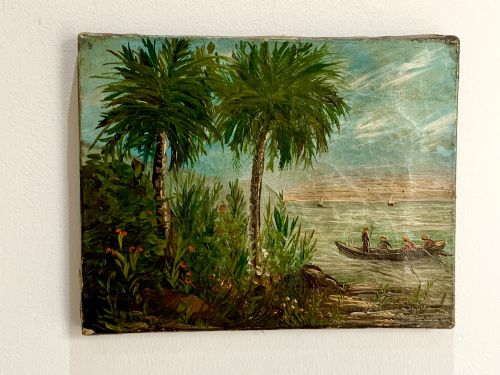
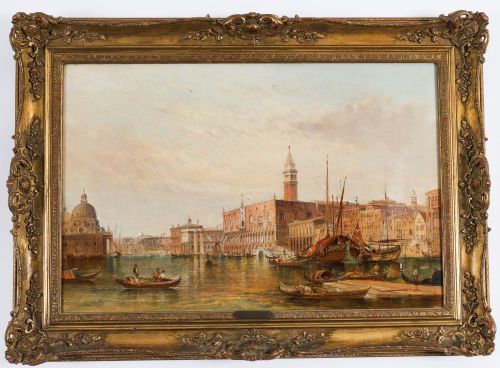
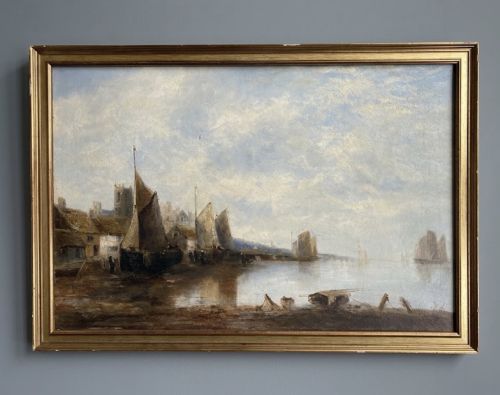

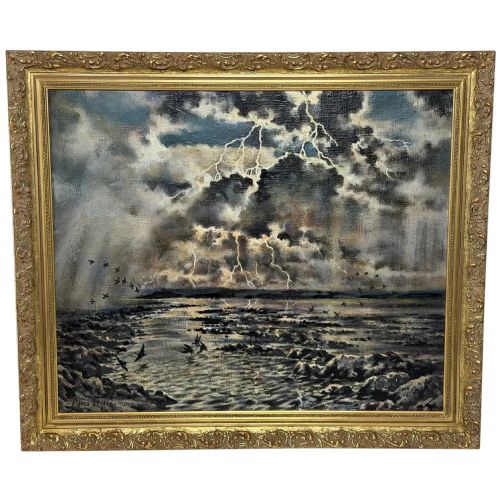


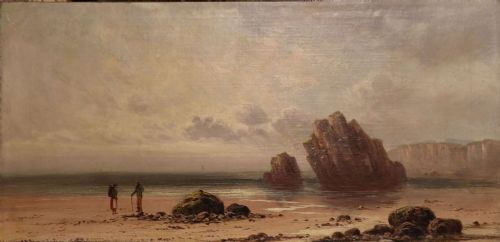
Original Oil Seascape Artwork
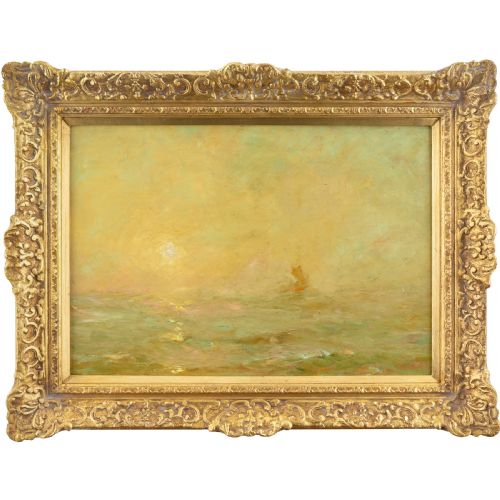
Original oil seascape artwork brings the movement, light, and salt air of the coast directly onto a room's walls through layered brushwork and pigment.
Original Oil Seascape Artwork
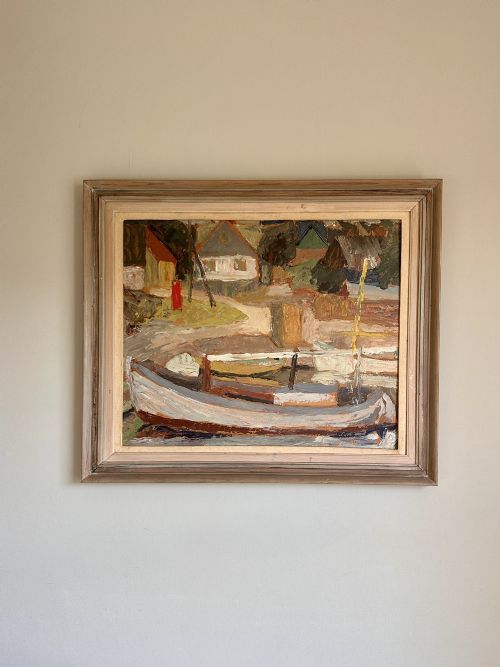
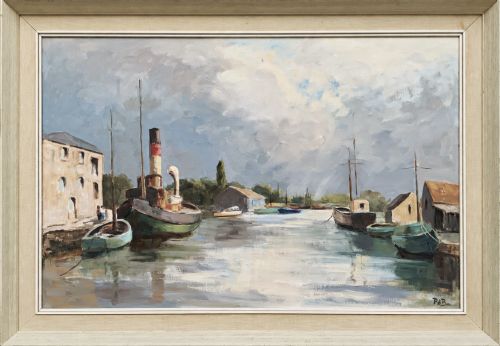
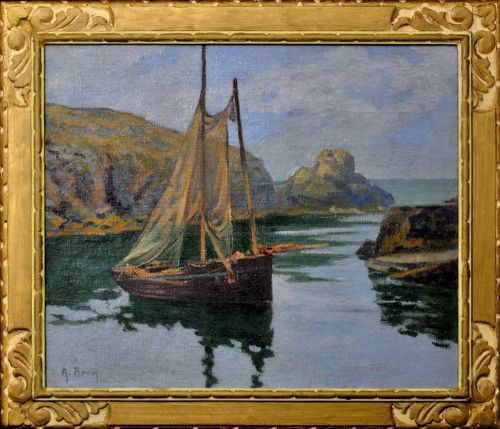
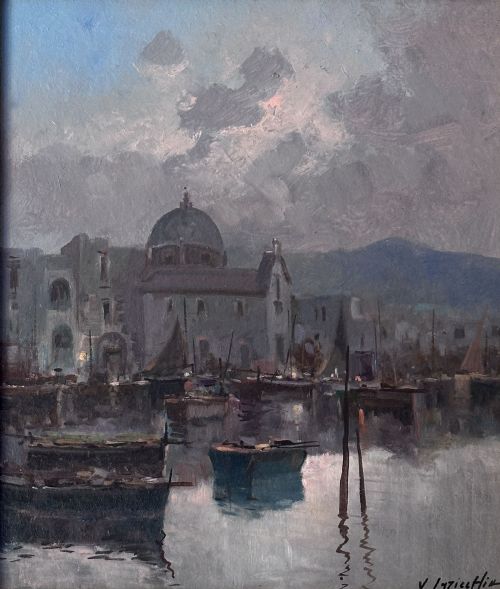
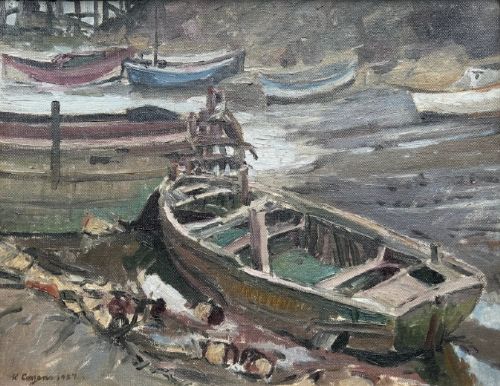
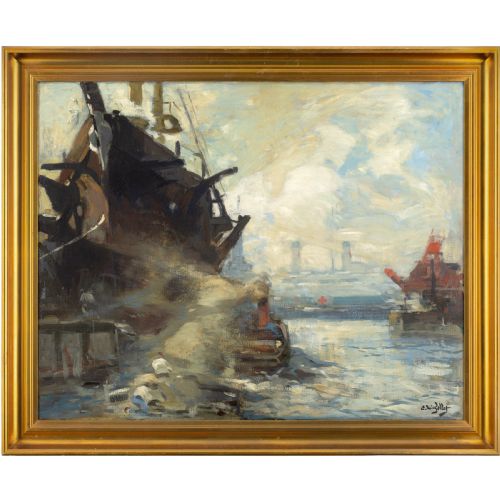
Original oil seascape artwork spans maritime scenes, coastal harbours, and open water views produced from the nineteenth century through to the mid-twentieth century. The selection ranges from nineteenth-century Victorian marine paintings in original gilt frames to mid-century impressionist coastal views on canvas or board.
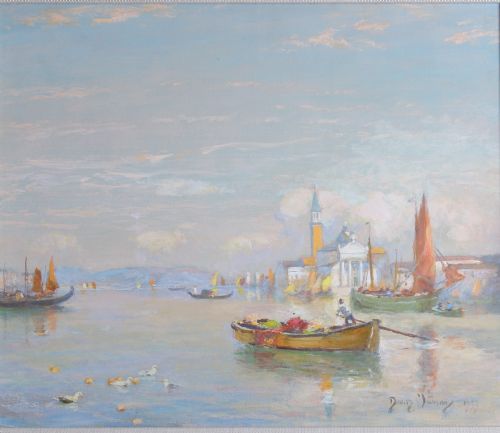
Buyers encounter subjects varying from dramatic nineteenth-century coastal storms and rocky shores to tranquil twentieth-century harbour scenes and Venetian canals. Works appear from British, French, and Canadian artists working in styles that shift from traditional marine art to post-impressionism and mid-century modernism.
Most pieces on this page utilise traditional oil paint applied to canvas, wood panels, or board, often retained in period gilt gesso frames. These paintings capture specific locations such as Cornish fishing ports, French coastal inlets, and Italian harbours through direct observation or studio composition.
Materials and construction methods
Artists built these works using oil paint applied to woven canvas stretched over wooden frames or laid directly onto wood boards. The medium allowed painters to build rich textures, from thin glazes on calm water to heavy impasto on churning waves.
Many canvases and panels sit within original gilt wood or gesso frames that reflect the aesthetic tastes of their respective periods. En plein air techniques brought painters directly to coastal locations like Cornwall or the French coast to capture changing light and weather on the spot.
Original Oil Seascape Artwork Retail Price Guide 2026
Typical asking prices for original oil seascape artwork among the pieces listed under this phrase on Sellingantiques today, from the lower quarter to the upper quarter. They describe what is for sale here now, not the wider market.
Several artists braved rugged coastal winds to paint stormy seas directly on location, returning with canvas surfaces peppered with actual sea salt.
Factors determining quality
Quality rests on the artist's ability to render water, light, and atmosphere convincingly through brushwork and colour harmony. Superior examples demonstrate a confident handling of pigment that captures the weight of the sea and the specific quality of coastal illumination.
The integrity of the original support, the condition of the oil paint layer, and the presence of a period-appropriate gilt frame contribute significantly to a piece's standing. Works by documented painters with established exhibition histories display stronger compositional command than anonymous studio pieces.
CR Taylor·Moss Williams·Achille Bron·William Calcott Knell·Peggy de Brett·William Ayerst Ingram·Sir David Murray RA·Donald McIntyre·Kenneth Cozens·Eugène-Louis Gillot·Sidney A Court·Clive Browne·Peter Brannan·Francis Moltino·Lucy Pratt·James Fry·Ethel Sands·Cecil Allan Mould·Thomas Hodgson Liddell·Abraham Hulk I·Edward Matthew Elliott·Charles Napier Hemy·Louis Suire·Helen Layfield Bradley·Gustave Vidal
The Original Oil Seascape Artwork Glossary
- Impasto
- Paint applied thickly to a canvas or board, standing out in relief from the surface. This technique creates physical texture that catches the light to suggest breaking waves or rough water.
- En plein air
- The practice of painting outdoors directly from the subject. Artists working this way aimed to capture transient effects of light and weather along the coast.
- Gesso
- A plaster-like binder mixture applied to wood frames or panels to prepare a smooth surface for gilding or painting. Period frames often feature moulded gesso details.
- Marine art
- Artistic representation of the sea, ships, and coastal views. This genre encompasses historical naval battles, working fishing boats, and quiet shorelines.
- Canvas
- Heavy woven fabric stretched across a wooden stretcher frame to serve as a painting surface. It remains the most common support for oil paintings across the nineteenth and twentieth centuries.
Original Oil Seascape Artwork: Frequently Asked Questions
How do I care for an oil seascape?
Keep the painting away from direct sunlight and steady temperature fluctuations to protect both the canvas and the oil paint.
Dust the surface gently with a soft, dry brush and avoid using water or chemical cleaners on the paint layer or frame.
What periods do these paintings cover?
The available works range from nineteenth-century Victorian maritime pieces to mid-century modern interpretations.
Earlier nineteenth-century works often feature detailed sailing vessels and dramatic coasts, while twentieth-century examples embrace impressionist and post-impressionist brushwork.
Are original frames included?
Many listings include original gilt wood or gesso frames that match the period of the artwork.
These frames provide context for the piece, though condition varies according to age and previous handling.
Where were these coastal scenes painted?
Artists painted locations across Britain, France, and Italy, capturing specific sites such as Cornish harbours, Welsh bays, and Venetian canals.
Many works record specific working ports, fishing boats, and coastal landmarks from life.