






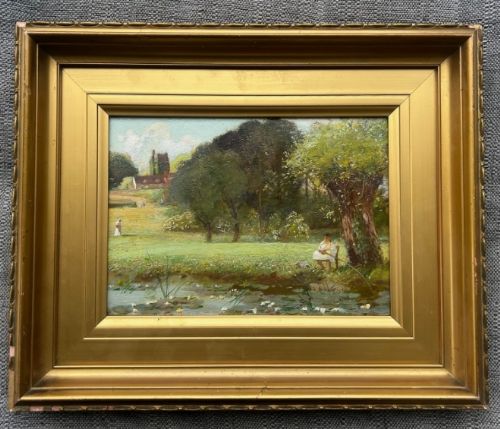

Original Oil on Panel
When you handle original oil on panel, you hold compact centuries of pigment laid directly onto sturdy wood, metal or board.
Original Oil on Panel
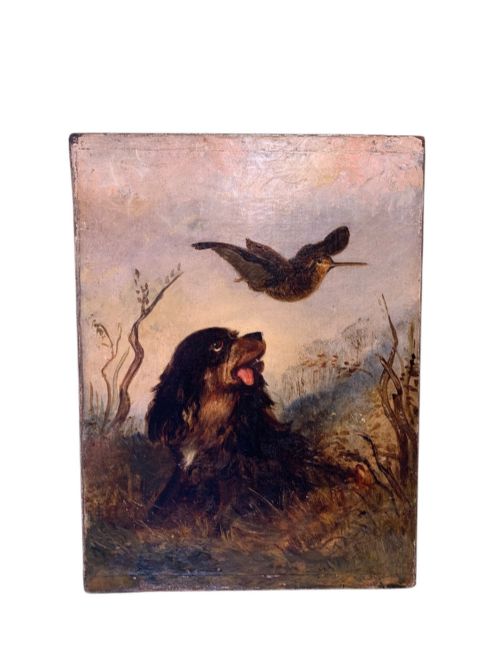
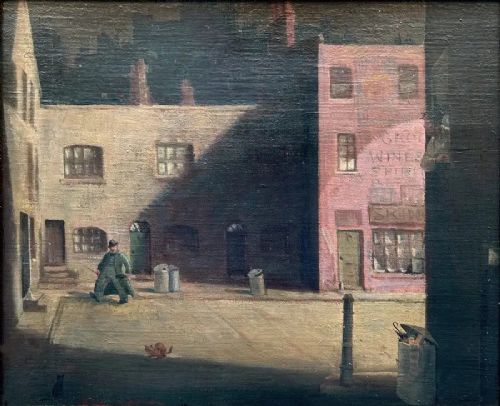
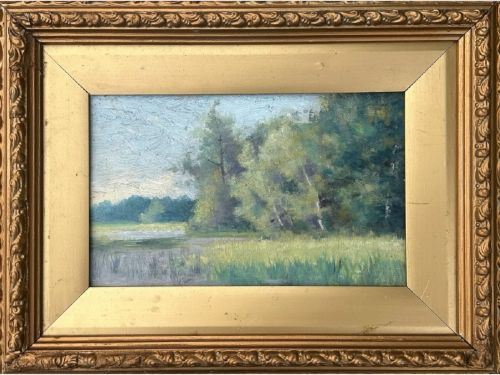
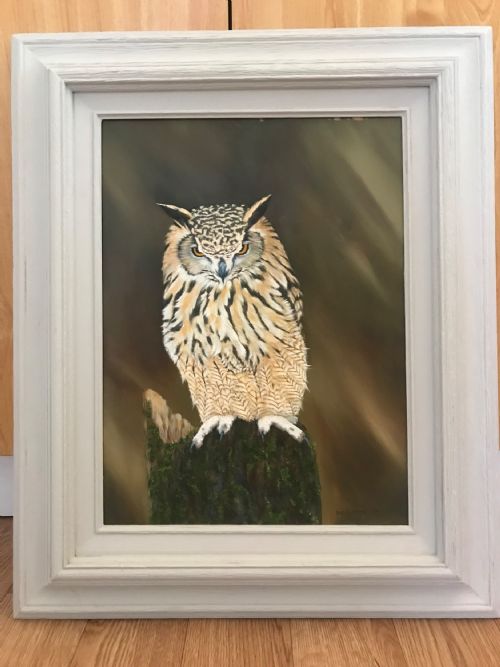
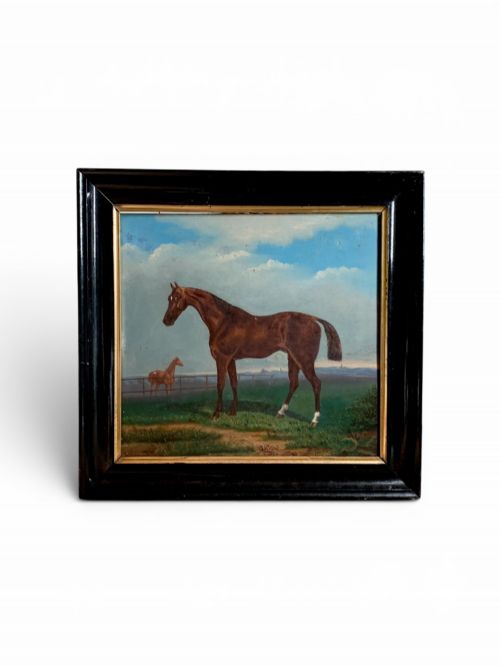
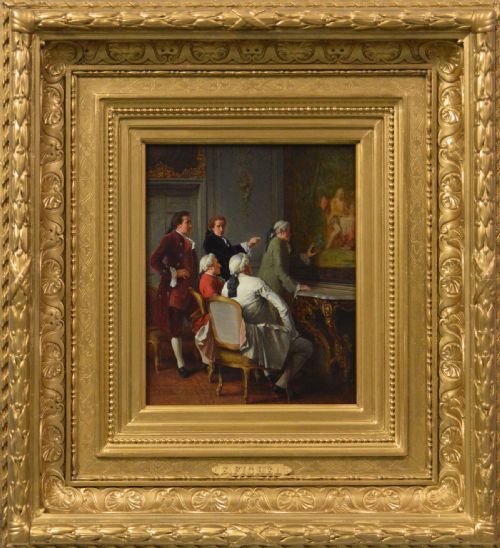
Original oil on panel works comprise portable paintings executed directly on rigid supports rather than stretched fabric. These pieces span centuries of artistic practice, from seventeenth-century Dutch golden age creations to mid-twentieth-century modernist compositions.
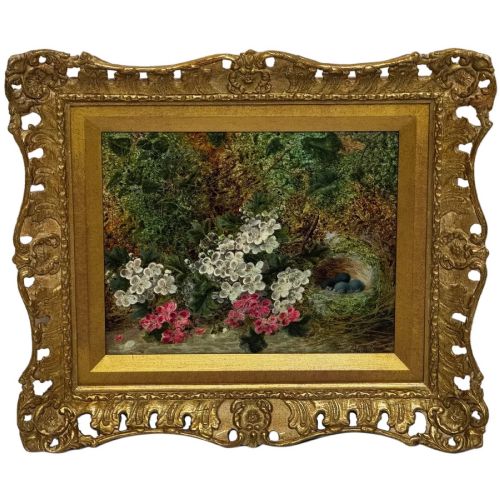
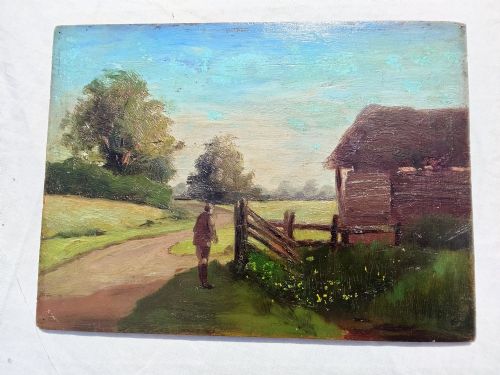
The buyer encounters varied subjects across this selection, including pastoral English landscapes, Scottish highland scenes, floral still lifes, and intimate portraits. Many examples originate from British, French, and Italian schools, reflecting regional painting traditions.
Wooden boards and panels provide the primary foundation for these works, though metal and copper supports also appear frequently. Miniature formats and standard cabinet sizes dominate the physical forms available.
How they were made
Artists built these paintings using oil-based pigments applied to prepared rigid supports such as wood panels, mahogany boards, copper sheets, or metal plates. Wood grain and panel preparation influenced how the paint layer settled and dried over time.
Makers sealed the rigid grounds with priming layers before applying successive brushstrokes of oil paint, allowing for fine detail and smooth blending. Metal panels required specialised priming to ensure the oil paint adhered securely to the non-porous surface.
Original Oil on Panel Retail Price Guide 2026
Typical asking prices for original oil on panel among the pieces listed under this phrase on Sellingantiques today, from the lower quarter to the upper quarter. They describe what is for sale here now, not the wider market.
British and European landscapes dominate the selection alongside floral still lifes and maritime scenes.
What varies in quality
The skill of the brushwork and the precision of compositional layout distinguish master paintings from casual studio productions. Strong tonal control and confident handling of light elevate certain landscapes and still lifes above standard decorative works.
The stability and preparation of the original panel influence longevity, while period frames often add contextual value. Signed works by recognised regional painters carry greater documentary weight than unsigned school pieces.
Tom Campbell·W Klombeck·William Howard Hardy·Oliver Clare·Francisco Sancha·Maud Raphael Jones·Florence Adelina Hess·Hubert Wellington·Benjamin Eugene Fichel·Sir David Murray·Cornelis Van Poelenburgh·James Kyd·Fernando Del Basso·Manet·Hans Temple·John Gilbey Bowles·Jeffrey Pratt·Sam Bough·Kershaw Schofield
The Original Oil on Panel Glossary
- Wood Panel
- A flat piece of timber used as a rigid painting support instead of canvas. Artists selected hardwoods and softwoods depending on regional availability and tradition.
- Oil Paint
- A slow-drying paint made by mixing pigments with drying oils such as linseed. This medium allows painters to blend colours smoothly and build rich surface textures.
- Board
- A compressed wood product or thick card utilised as an inexpensive alternative to solid timber panels. Many nineteenth and twentieth-century painters adopted boards for outdoor sketching.
- Still Life
- An artwork depicting inanimate subject matter, typically commonplace objects, flowers, or fruit. Traditional examples emphasise precise arrangement and varied textures.
- School
- A group of artists associated with a particular region, period, or shared stylistic approach. Attributions to a specific school indicate stylistic kinship rather than direct master instruction.
Original Oil on Panel: Frequently Asked Questions
How do I clean an oil on panel painting?
Rigid panel paintings require careful handling to avoid disturbing the aged oil surface or the underlying wood. Dust accumulation should be gently removed with a very soft, dry brush without applying moisture.
Professional conservators should handle any deeper cleaning or varnish removal. Household cleaning agents or water will damage the delicate paint layers.
Why did artists paint on wood instead of canvas?
Wood panels provided a completely rigid foundation that did not flex or sag like woven fabric. This stability allowed painters to achieve extreme precision and fine detail, particularly during the golden age.
Panels also offered immediate durability without the need for complex canvas stretching. Many nineteenth-century painters continued using small wood panels for portability during outdoor sketching trips.
How can I tell the age of a wood panel?
The preparation methods, tool marks on the reverse, and type of wood offer clues regarding the period of creation. Older panels often display hand-planed surfaces or distinct framing grooves unique to historical carpentry.
Subsequent framing styles and handwritten labels on the back also help establish a chronological window. Wood movement and natural ageing patterns provide further physical evidence of antiquity.
Where should I hang my panel painting?
Oil on panel works prefer stable indoor environments away from direct sunlight and heat sources. Fluctuations in temperature and humidity cause wood panels to expand and contract, risking paint flaking.
Interior walls with moderate, consistent climate control protect both the wooden support and the delicate pigment layer. Secure hanging hardware suited to the weight of the solid panel is essential for safe display.