


Original Military Watercolour
These original military watercolour pieces capture uniforms, campaigns and camp life on paper through the direct touch of the brush.
Original Military Watercolour
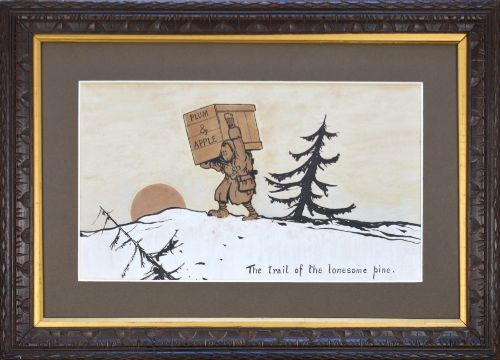
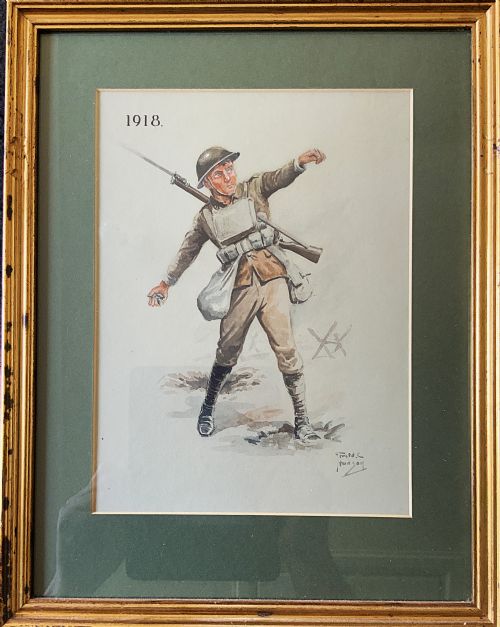
An original military watercolour brings historic campaigns, portraits and regimental scenes straight to the paper from the hand of the artist. When searching for an original military watercolour, buyers encounter works spanning from the nineteenth century into the twentieth century, including Victorian and Edwardian portrayals. These paintings range from detailed military portraits and caricature to sweeping camp scenes and battlefield records.
The selections available include single framed paintings, drawings and sets of sketches that document soldiers, officers and naval figures. Pieces often capture specific conflicts such as the Napoleonic Wars, the First World War and various colonial engagements. Buyers frequently meet works signed by notable illustrators and portraitists alongside anonymous records of regimental life.
Materials and technique
Framing typically involves wood and glass to protect the fragile paper surface from atmospheric moisture and handling. Gilt wood frames appear on select nineteenth-century portraits, adding traditional weight to the presentation.
Listings feature works executed on paper using watercolour pigment, ink and wash, preserved within wood and glass frames.
Assessing quality and execution
The distinction between standard records and exceptional works rests upon the precision of the draughtsmanship and the clarity of the pigment. Master illustrators and portraitists captured the intricate details of regimental uniforms, horse anatomy and human expression with confidence and economy.
Preservation of the paper support and the vibrancy of the watercolour pigment heavily influence the standing of a piece. Works that retain their original colour without excessive fading or foxing demonstrate superior longevity and care.
Bruce Bairnsfather·J. Hardy·Snaffles·Frank Dadd·Frederick Tayler·Sir William Charles Ross·John Leech·Christiaan Andriessen·Orlando Norie
The Original Military Watercolour Glossary
- Watercolour pigment
- Finely ground colour particles mixed with a water-soluble binder, applied in washes to paper to create transparent or opaque effects. This medium allows for rapid sketching on campaign as well as highly finished studio portraits.
- Wash
- A thin, fluid layer of diluted watercolour or ink spread evenly across paper to create backgrounds, skies or uniform shadows. It forms the atmospheric foundation for many nineteenth-century military sketches.
- Puggaree
- A thin scarf or band wound around a helmet or hat, commonly worn in tropical climates to protect against the sun. The term frequently appears in titles describing colonial military uniforms.
- Caricature
- An artwork exaggerating particular physical traits or humorous aspects of military life for satirical effect. These pieces offer an alternative view to formal regimental portraits.
Original Military Watercolour: Frequently Asked Questions
What periods do these watercolours cover?
The works span from the early nineteenth century through the Victorian and Edwardian eras up to the First World War. This timeline encompasses Napoleonic subjects, colonial campaigns and early twentieth-century regimental studies.
Dates on the pieces reflect the active period of the artist or the specific year of the depicted scene, offering a direct link to military history.
How should I frame and hang them?
Paper and watercolour pigment require protection from direct sunlight to prevent fading and degradation over time. Glazing with glass and utilising acid-free mounts keeps the delicate surface safe from environmental damage.
Position the paintings in rooms with stable humidity and away from direct heat sources to preserve the paper and wooden frames.
Are these works signed by artists?
Many pieces feature artist signatures, initials or contemporary inscriptions identifying the subject, date or regiment. Signed works by established military illustrators provide clear attribution for collectors.
Unsigned examples remain common, often created by regimental officers or travelling artists recording their immediate surroundings without formal signatures.
What subjects appear most frequently?
Portraits of individual soldiers, officers and naval midshipmen form a significant portion of the available subjects. Battle scenes, cavalry charges and garrison life also appear across the sketches and finished paintings.
Illustrations from the First World War capture the daily realities of soldiers in the field alongside satirical views of camp life.