




Original Landscape Studies
Original landscape studies bring together observational works on paper and panel capturing specific terrain across multiple periods.
Original Landscape Studies
Original landscape studies encompass works created directly from observation, recording specific terrain, waterways, and atmospheric conditions. Buyers seeking these pieces encounter works spanning from the early nineteenth century through the mid-twentieth century.
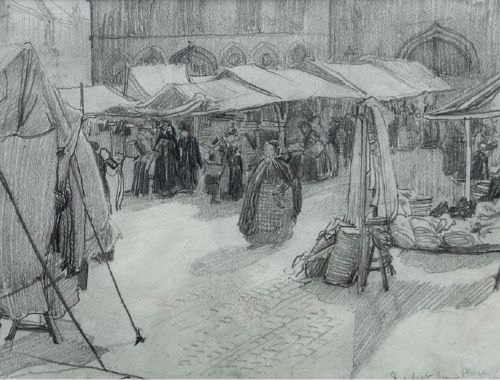
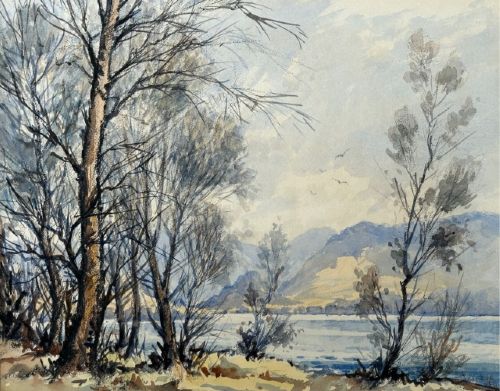
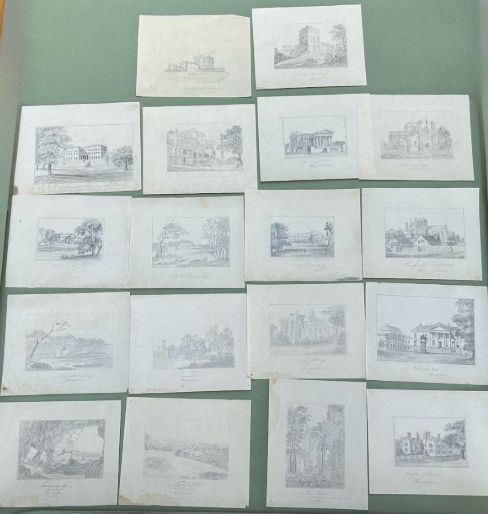
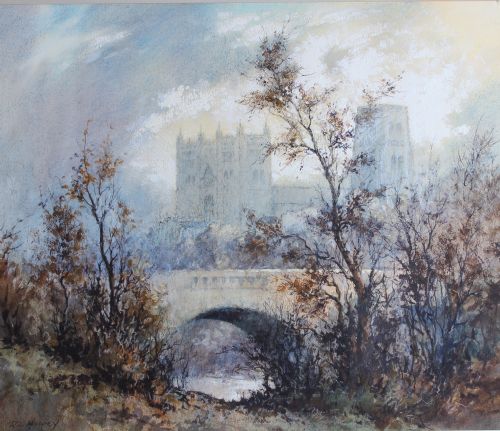
The selection on this page relies heavily on watercolours and oil paintings, alongside pencil drawings, pastels, and charcoal sketches. These compositions range from intimate rural watercolours to larger oil paintings on canvas and wood panel.
Artists capture subjects as diverse as Cumbrian lakes, Italian townscapes, and Yorkshire meadows. Such pieces offer a direct connection to the working methods of artists recording the natural and built environment.
Materials and Working Methods
Watercolour pigment applied to paper remains a dominant medium across the nineteenth and early twentieth centuries, allowing artists to capture rapid shifts in light and weather. Painters utilised watercolour paint alongside pencil and ink for initial outlining and tonal structure.
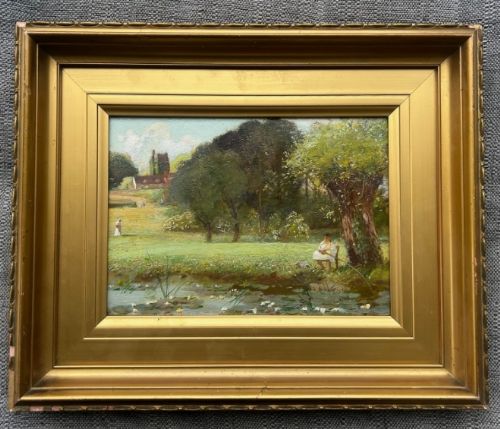
Oil paint laid upon canvas or wood panel offers another primary vehicle for these studies, providing a rich surface for building texture and depth. Wood panels offer a firm, rigid support frequently utilised for plein air painting excursions.
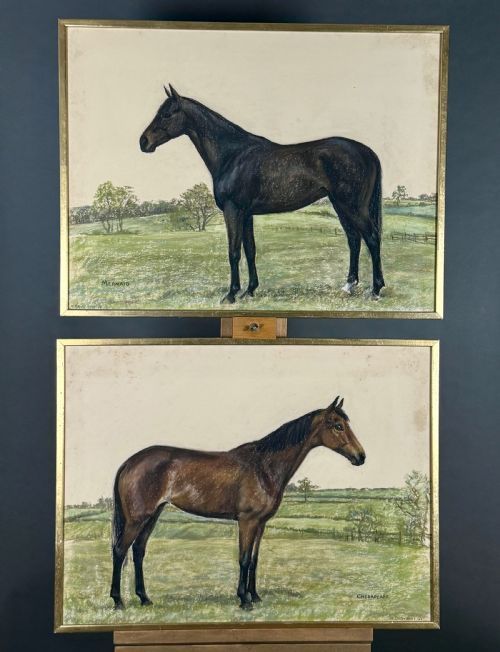
Pastels and charcoal on paper provide immediate, tactile mediums for capturing fleeting effects of light, particularly in architectural and coastal studies. Framing materials such as burr wood complement the works through period craftsmanship.
Several studies preserve the accidental thumbprints of artists who worked too quickly to wait for their oil paint to dry.
Distinctions in Quality
Quality rests primarily upon the sureness of the hand and the economy of mark-making within the study. A successful work communicates atmosphere and spatial depth through deliberate placement of tone and colour rather than excessive detail.
The relationship between the support and the medium dictates the longevity and visual impact of the piece. High-grade paper maintains pigment integrity without acidification, while stable wood panels or properly stretched canvases prevent surface cracking.
Henry Percy Huggill·Thomas Ellison·Robert Leslie Howey·Honore Cavaroc·Sir David Murray·Anne Dorrien Smith·Adrian Van Porten·Ernest Higgins Rigg·Rowland Henry Hill·Kershaw Schofield·Sir Francis Leggatt Chantrey·Peter Jackson·Charles James Adams·Francis William Topham·W.E. Barrington-Browne·John J. Hamer·Tom Dudley·Frank Moss Bennett
The Original Landscape Studies Glossary
- Plein air
- Painting executed outdoors in the open air to capture direct observation of natural light and atmosphere. This method defined much of nineteenth and twentieth-century landscape practice.
- Wood panel
- A rigid wooden support used by painters as an alternative to canvas. Panels provide a smooth, stable surface often favored for smaller oil sketches.
- Pastel
- A dry drawing medium composed of powdered pigment and a binder, shaped into sticks. It permits rapid application of vibrant colour and soft tonal gradations.
- Wash
- A thin, translucent layer of diluted watercolour pigment spread across paper. Artists use washes to establish background skies, water, and broad atmospheric effects.
- Provenance
- The documented history of ownership surrounding a work of art. A clear provenance helps establish authenticity and historical context.
Original Landscape Studies: Frequently Asked Questions
What defines an original landscape study?
An original landscape study is a direct observational work created by an artist to record terrain, weather, or architecture.
These pieces differ from finished gallery paintings through their spontaneous execution and immediate engagement with the subject.
How do I care for works on paper?
Works on paper require protection from direct sunlight to prevent fading of watercolour pigments and discoloration of the paper sheet.
Framing behind conservation-grade glass with appropriate mounting ensures the paper remains away from humidity and direct contact.
Are oil paintings on panel heavier?
Oil paintings on wood panels possess significant physical weight compared to works on stretched canvas.
Collectors should ensure wall fixings are adequate to support the combined weight of the panel, stretcher frame, and period framing.
How can I date a landscape study?
Dating relies upon stylistic markers, artist signatures, framing methods, and the type of paper or support utilised.
Examine inscriptions on the reverse of the work or stretcher bars for contemporary annotations left by the artist.