


Monochrome Pencil Artwork
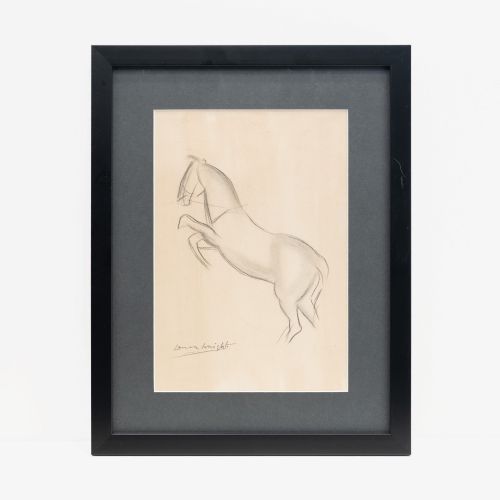
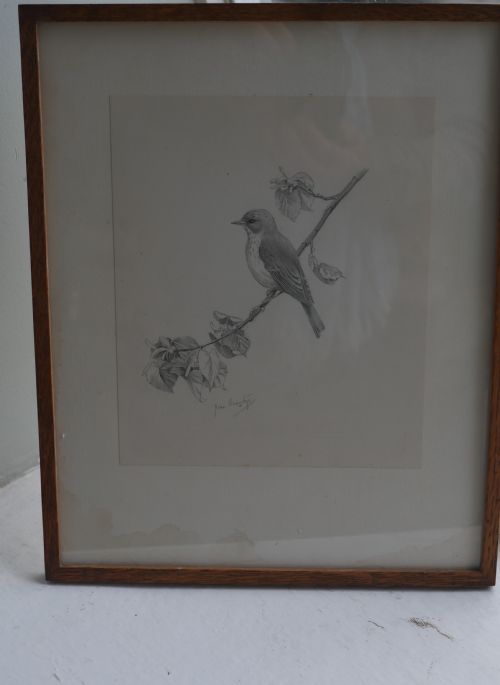
Monochrome pencil artwork brings together graphite sketches and charcoal drawings spanning from the eighteenth century to the mid twentieth century.
Monochrome Pencil Artwork
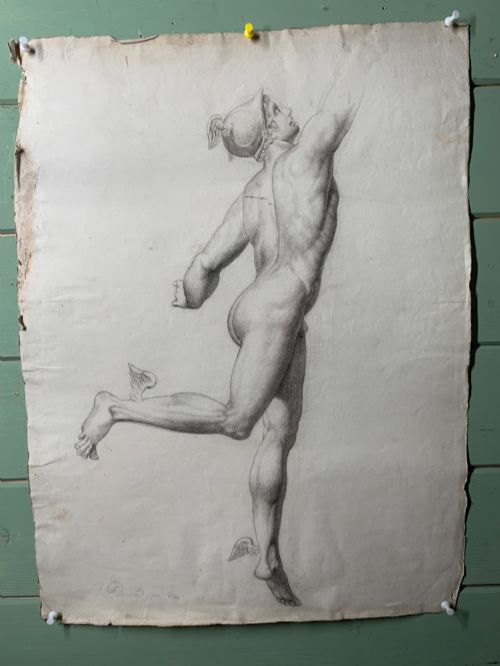
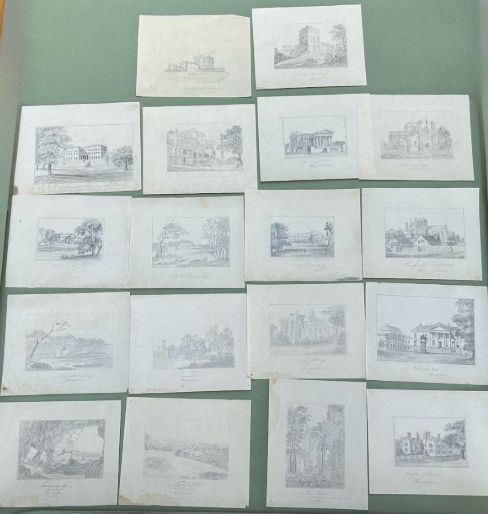
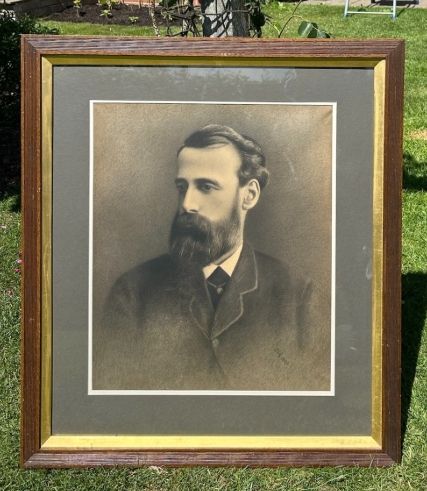
A buyer examining monochrome pencil artwork encounters original drawings and studies executed on paper surfaces. The selection ranges from Georgian architectural sketches and Victorian portraits to mid century modernist and surrealist works.
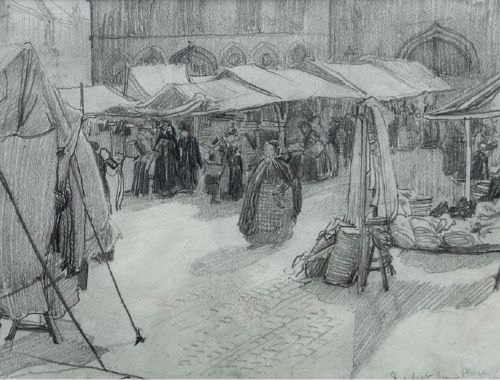
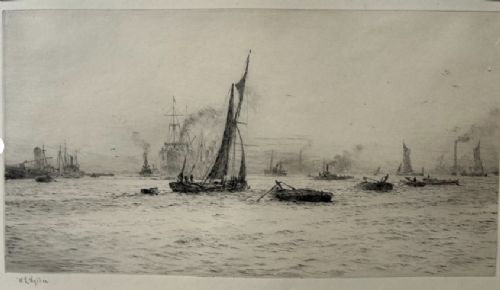
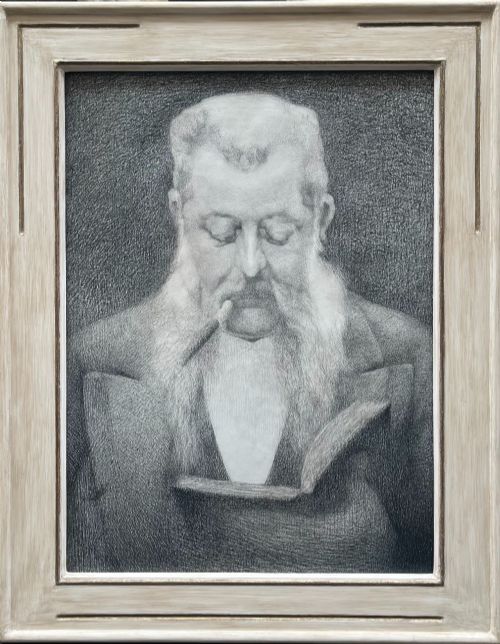
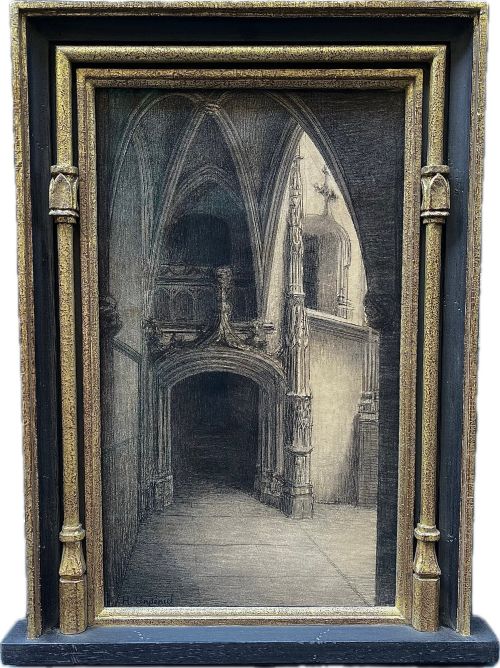
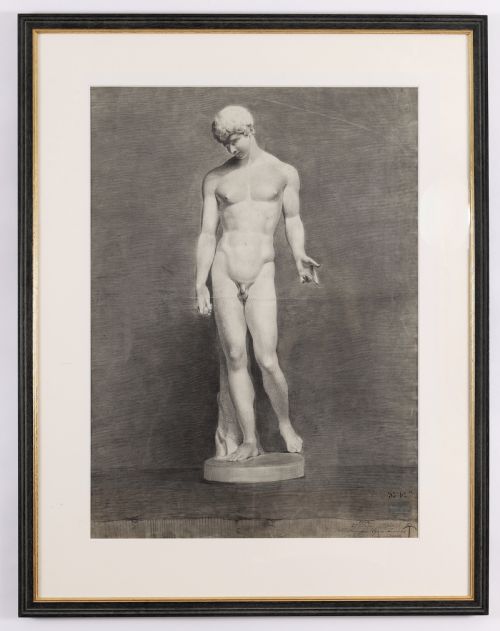
Most pieces on this page take the form of framed wall art and detailed studies created by artists across Britain and continental Europe. These works capture subjects as varied as maritime scenes, townscapes, botanical studies, and allegorical figures.
How these pieces were made
Makers utilised traditional drawing materials such as graphite, charcoal, and ink on paper, occasionally incorporating wash or gold leaf. Works are frequently housed behind glass within wooden frames, some retaining original gilding.
Techniques range from academic realism and detailed hatch work to looser preliminary sketches and atmospheric charcoal studies.
Listings span periods from the eighteenth century through the 1960s, featuring paper, graphite, charcoal, ink, and gold leaf.
What varies in quality
Quality rests upon the sureness of the hand and the precision of line work, distinguishing hasty preparatory scraps from finished exhibition pieces. Stronger examples display a confident command of tone and shadow that defines form without reliance on colour.
The sophistication of the composition and the preservation of the paper surface further set apart the finer works in this range.
William Lionel Wyllie·Herbert Dicksee·Augustus Edwin John·Henry Edridge·Faeq Hassan
The Monochrome Pencil Artwork Glossary
- Graphite
- A form of carbon used to create precise grey or silver marks on paper. It replaced lead in pencils and allows for a wide tonal range.
- Charcoal
- A dry drawing medium made from burnt organic material, producing deep blacks and soft, smudgeable lines. It is frequently employed for bold studies and expressive portraits.
- Grisaille
- A painting or drawing executed entirely in shades of grey or neutral monochrome. This technique often mimics the appearance of relief sculpture.
- Wash
- A thin, translucent layer of diluted ink or watercolour applied to paper. It adds depth and shadow behind or over pencil lines.
- Academic Realism
- A style of painting and drawing produced under the influence of European academies of art. It emphasises precise anatomical accuracy, traditional techniques, and classical subjects.
Monochrome Pencil Artwork: Frequently Asked Questions
How do I care for antique paper drawings?
Keep works out of direct sunlight to prevent fading and yellowing of the paper. Display them away from damp environments to protect against mould and foxing.
Ensure framing uses acid free mounts and conservation grade materials. Professional framing preserves the physical integrity of fragile nineteenth century sheets.
What is the difference between a sketch and a study?
A sketch is typically a quick, spontaneous recording of a scene or idea meant to capture immediate movement or composition. Sketches serve as preliminary thoughts for larger, more developed projects.
An academic study focuses heavily on anatomical accuracy or technical precision. These works often explore light, shadow, and form as a rigorous exercise.
How are periods identified in monochrome works?
Dating relies on signatures, inscriptions, artist lifespans, and stylistic markers tied to specific centuries. Subject matter, such as distinct historical dress or architecture, also provides chronological context.
Paper types and framing styles offer additional clues. Watermarks and ink analysis sometimes help narrow down the decade of creation.
Where were these drawings displayed originally?
Many works originated in artists' sketchbooks, meant for private portfolios rather than public display. Others were exhibited in formal galleries or submitted to academies.
Finished portraits and townscapes were framed to hang in domestic interiors and institutional libraries. Smaller architectural drawings often served practical purposes for builders or travellers.