
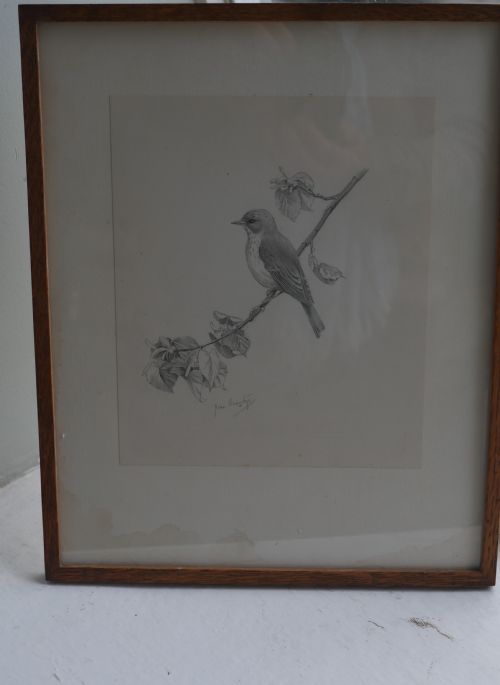


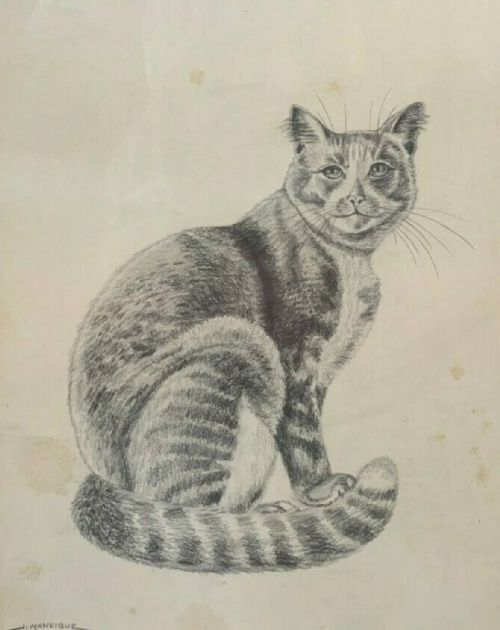


Original Graphite Art
Original graphite art captures direct hand-drawn moments on paper, offering collectors intimate monochrome works spanning centuries of draughtsmanship.
Original Graphite Art
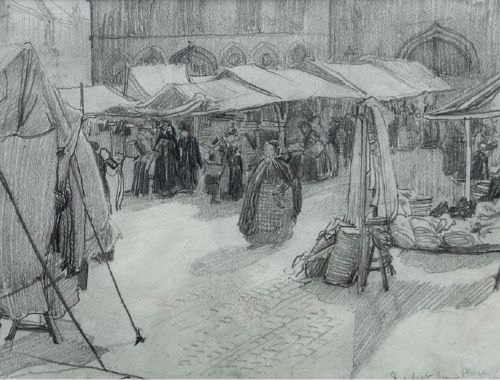
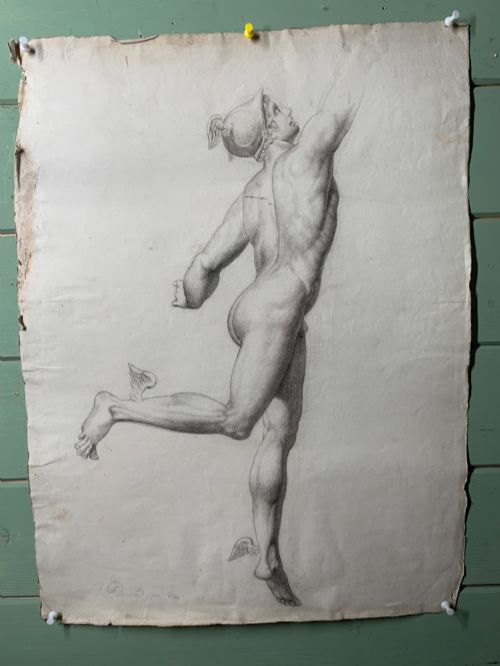
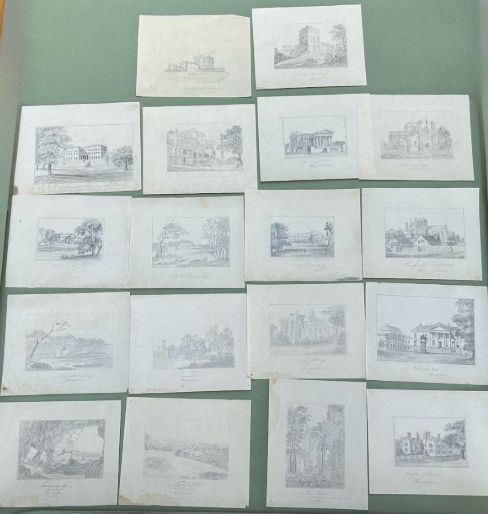
Original graphite art encompasses hand-drawn pencil sketches, detailed studies, and finished works created on paper from the eighteenth century through to the mid twentieth century. Buyers seeking original graphite art encounter a diverse array of subjects, ranging from early nineteenth-century architectural studies and landscape sketches to academic nudes and intimate Victorian portraits.
The pieces appearing on this page stretch across Georgian, Victorian, and mid-century periods, capturing everything from quiet domestic scenes to historic figures and French academic compositions. Works often arrive framed under glass, preserving delicate paper surfaces and sensitive pencil lines against the elements.
How they were made
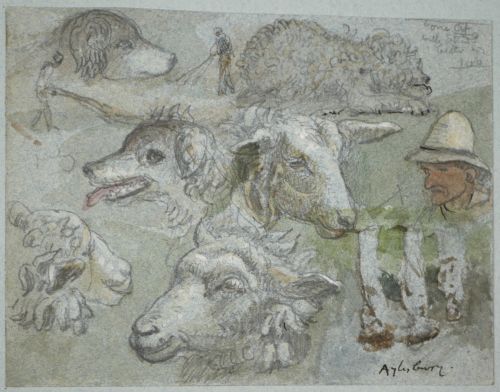
These works rely fundamentally on paper supports paired with graphite, pencil, chalk, or charcoal to build form through line and tone. Artists frequently combined graphite with touches of watercolour, ink, or wash to add depth and subtle colour variation to the monochrome composition.
Draughtsmen utilised varied pressure and shading techniques directly upon the sheet, sometimes recording preparatory studies for larger paintings or completed portraits intended to stand alone. The physical handling of the pencil leaves a direct trace of the artist's hand, preserved beneath glass within period frames.
Listings feature paper supports combined with graphite, charcoal, and chalk across nineteenth-century and twentieth-century periods.
What varies in quality
Quality in these drawings rests upon the surety of the line, the sensitivity of tonal graduation, and the strength of the composition rather than the mere age of the paper. A confident academic study or a sharply observed portrait demonstrates a draughtsman's precise control over the medium, separating casual sketches from accomplished works of art.
The preservation of the paper surface and the clarity of the graphite markings further define the tier of a piece, alongside the documented provenance linking a drawing to a known hand or established school.
Henry Percy Huggill·James Smetham·Augustus John·Hans Holbein·Sir Francis Leggatt Chantrey·Fred Lawson·LS Lowry·Ted Halliday·Mariette Lydis·Faeq Hassan·Dame Laura Knight·Henri Josephe Hesse·Alexandre Decamps·Sir Nathaniel Dance-Holland·Henry Edridge·Juliet Pannett
The Original Graphite Art Glossary
- Graphite
- A crystalline form of carbon used in pencils, allowing artists to create varied tonal ranges from pale silver lines to deep charcoal-like shadows. It became a primary medium for detailed studies and finished drawings.
- Grisaille
- A painting or drawing executed entirely in shades of grey or neutral monochrome to emulate sculpture or create a distinct tonal effect. This technique highlights form and light without the distraction of colour.
- Academic Realism
- A style resulting from rigorous training in European art academies, prioritising accurate anatomy, careful observation, and traditional drawing techniques. These studies often focus on the human figure or classical subjects.
- Wash
- A thin, transparent layer of diluted ink or watercolour applied to paper to provide background tone or shadow beneath or over graphite lines. It adds depth and atmosphere to monochrome sketches.
Original Graphite Art: Frequently Asked Questions
How should I frame and display graphite drawings?
Graphite works on paper require conservation-grade framing behind glass to protect the delicate medium from dust, moisture, and physical contact. Keeping pieces away from direct sunlight prevents the paper support from yellowing and the graphite lines from fading over time.
Selecting acid-free mounts ensures the paper does not degrade at the edges. Proper framing maintains the structural integrity of antique drawings while allowing safe enjoyment in domestic interiors.
How do I identify the period of a drawing?
Dating graphite art relies on examining the paper watermark, the style of the script in any inscriptions, and the clothing or hairstyles depicted in portraits. Georgian and Victorian works often feature characteristic laid paper and formal compositional structures.
Later pieces from the twentieth century frequently adopt looser modernist or academic approaches reflecting the artistic movements of their time. Comparing the stylistic conventions to known periods helps narrow down the date of creation.
What is the difference between a sketch and a study?
A sketch is typically a quick, spontaneous recording of a scene or idea, capturing immediate visual information with loose pencil or graphite lines. It serves as a rapid note-taking method for an artist.
A study is a more deliberate, detailed examination of a specific element, such as a hand, a draped fabric, or a complete figure, often intended to prepare for a larger canvas. Both formats offer direct insight into the artist's working process.
Are these drawings unique or prints?
Every piece catalogued here is a one-off original hand-drawn artwork created directly on paper using graphite, pencil, chalk, or charcoal. Unlike mass-produced prints, each line bears the unique pressure and movement of the artist's hand.
Examining the surface under magnification reveals the physical indentations of the pencil lead in the paper fibres. This direct creation process ensures no two drawings are identical.