


Original Gouache Art
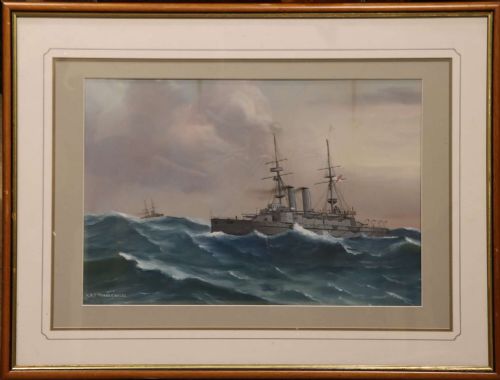
Original gouache art brings together opaque water-based pigment and paper to create works ranging from Victorian coastal scenes to Mid-Century Modern abstractions.
Original Gouache Art
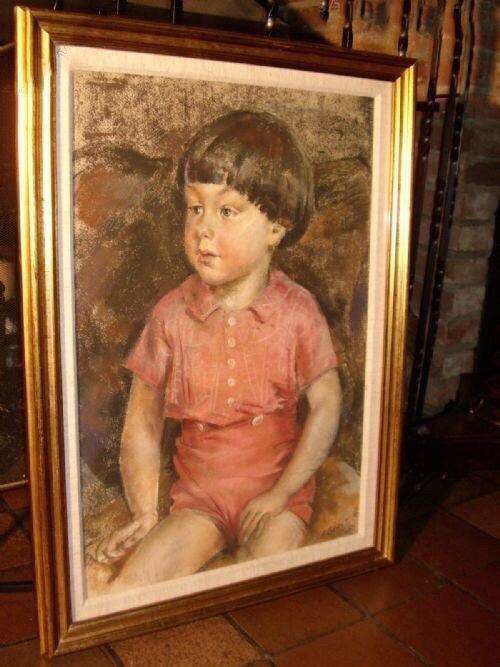
Original gouache art encompasses works on paper, board and card where water-soluble pigment is bound with glue and mixed with white to achieve opacity. These paintings capture subjects as varied as botanical studies, maritime views, portraits and surrealist compositions.
The selections span from the nineteenth century into the later decades of the twentieth century, taking in Victorian, Edwardian, Art Deco and Mid-Century Modern movements. Buyers frequently encounter mixed-medium pieces that combine gouache with watercolour, pencil, ink, pastel or collage.
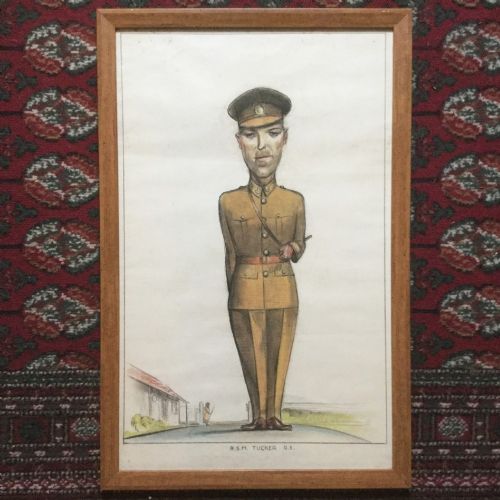
Works originate from British, French and Mughal traditions, covering landscape, seascape, theatrical figure drawing and poster design. The category unites intimate sketches and large framed gallery paintings.
How They Were Made
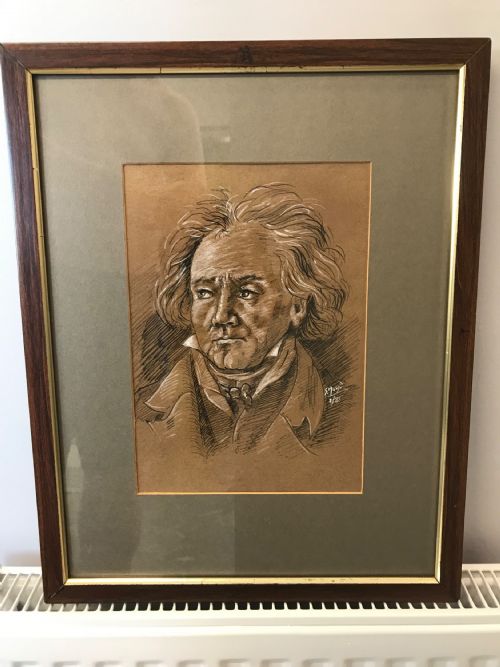
Artists painted primarily on paper, buff paper or board using gouache, which differs from standard watercolour through its chalky density and ability to lay light paint over dark. This is often reinforced with pen and ink lines, pencil underdrawing or pastel shading.
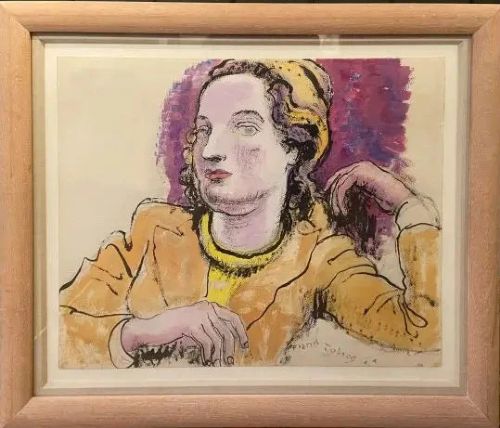
Many pieces incorporate mixed media, combining watercolour washes for background skies with heavier gouache highlights for subjects such as horses, figures or flowers. Collage elements and glass framing preserve these delicate paper surfaces from moisture and handling.
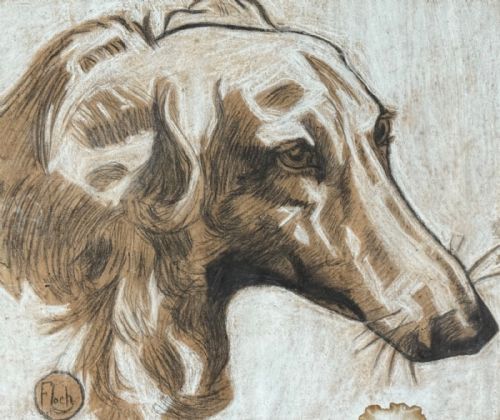
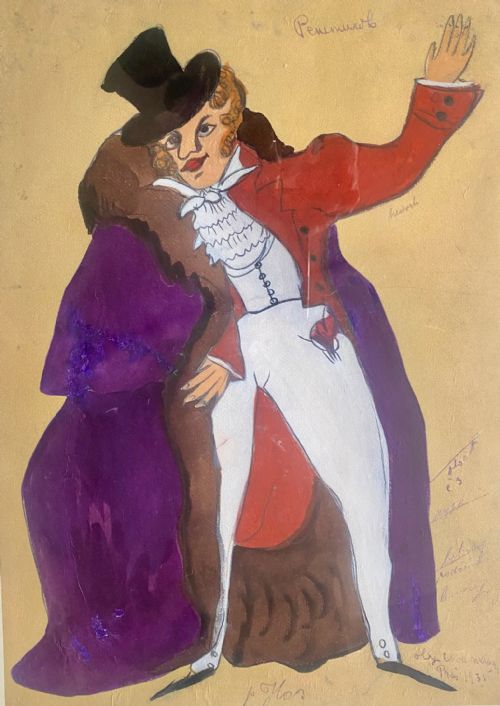
A swift-footed Borzoi dog poses quietly in Art Deco profile while a theatre figure from Moliere gazes on.
What Varies in Quality
Quality rests on the sureness of the draftsmanship and the handling of pigment density, where confident brushwork separates accomplished compositions from stiff exercises. The integration of supporting media, such as precise ink work beneath the paint, dictates the structural clarity of the piece.
Preservation of the paper support and the vibrancy of the pigments separate superior examples from faded or acid-burned items. Works retaining their original context, framing or clear signatures by documented artists command closer attention from collectors.
Frank Dobson·Ludwig van Beethoven·Joseph Knight·Gaston Cornil·John Rattenbury Skeaping·Montagu Barstow·Dame Laura Knight·Jean Cuny·Reginald Mills
The Original Gouache Art Glossary
- Gouache
- An opaque water-based paint made from ground pigments bound in water-soluble gum, mixed with white chalk to give body.
- Works on Paper
- A collective term for drawings, paintings, prints and illustrations executed upon a paper support.
- Buff Paper
- A pale yellowish-brown paper stock frequently used by artists in the nineteenth and twentieth centuries for tonal contrast.
- Mughal School
- A style of miniature painting originating in the Indian subcontinent, characterised by fine detail and narrative scenes.
- Mid-Century Modern
- A stylistic movement spanning the middle decades of the twentieth century, noted for abstracted forms and vibrant palettes.
Original Gouache Art: Frequently Asked Questions
How should I frame original gouache art?
Gouache works on paper require conservation mounting with acid-free board to keep the surface from touching the glazing. UV-filtering glass protects the organic pigments from fading under direct light.
Keep these paintings away from humid environments such as kitchens and bathrooms to prevent mould growth and paper cockling. Professional framing preserves both the sheet and any exposed pencil or ink underdrawings.
How do I tell gouache from watercolour?
Watercolour relies on translucent washes that allow the white of the paper to shine through the pigment. Gouache contains added chalk, producing an opaque, matte finish that lets artists lay light colours directly over darker tones.
Examining the surface under magnification reveals the chalky, flat body of gouache compared to the pooling stains of watercolour. Many historical pieces combine both mediums on the same sheet.
Are these pieces one-of-a-kind?
Every piece catalogued here is a unique hand-painted work rather than a mass-produced print or reproduction. Artists applied pigment directly to paper, card or board during the creation process.
Signatures, artist annotations and brushstroke variations confirm the individual nature of each painting. Even within series or poster designs, each surviving sheet remains a singular creation.
How do I care for antique works on paper?
Paper supports demand stable indoor environments with minimal temperature fluctuations to prevent warping or embrittlement. Displaying works out of direct sunlight prevents the fugitive gouache and watercolour pigments from bleaching.
Period frames should be inspected periodically to ensure backing boards and seals remain secure against dust and insects. Gentle dusting of the exterior frame glass is all that is required for routine maintenance.