





Middle Eastern Wall Art
Middle Eastern wall art encompasses paintings, watercolours, textiles and architectural dioramas that capture landscapes, figures and tribal traditions.
Middle Eastern Wall Art
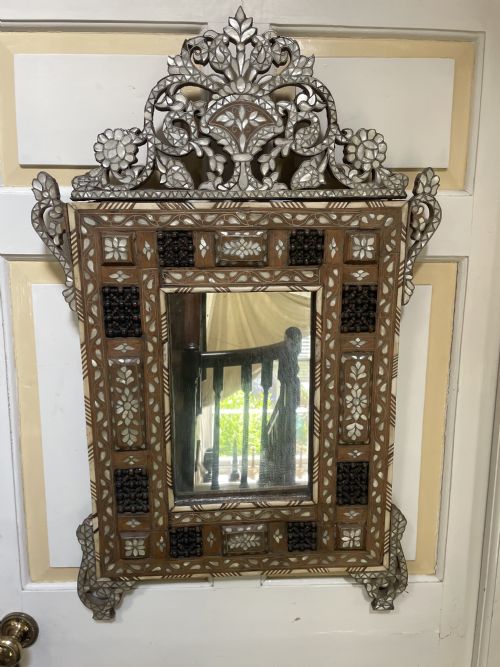
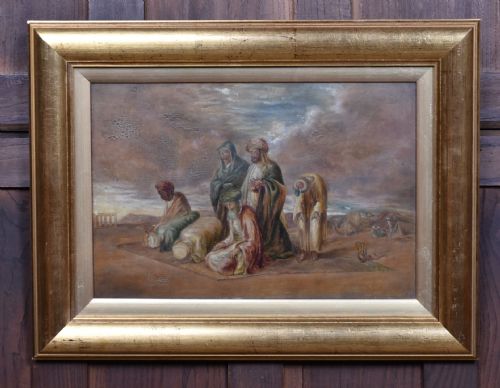
Middle Eastern wall art comprises paintings, watercolours, prints, textiles and architectural dioramas originating from various periods including the eighteenth, nineteenth and twentieth centuries. These works frequently depict desert landscapes, Bedouin scenes, village views and architectural studies through styles such as Orientalism, Moorish Revival and tribal traditions.
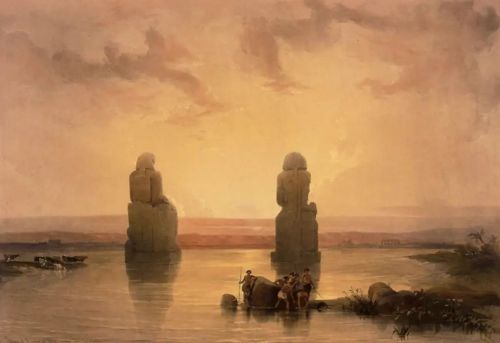
Buyers are most likely to encounter nineteenth-century oil paintings, early twentieth-century watercolours, framed prints and framed tribal artefacts like silver repousse daggers or saddle-bags. Pieces range from European interpretations of the region by artists like David Roberts and Otto Pilny to works by regional painters such as Abdul Kadir Al Rassam and V. Zirakian.
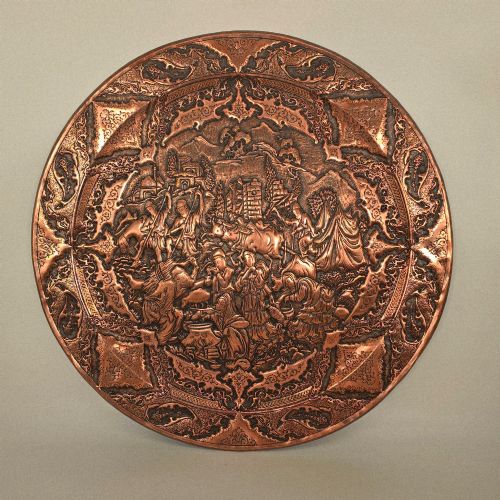
The category spans diverse cultural expressions, including Persian tribal weavings from the Kerman Province, Syrian enamelled copper panels and Iranian Qajar paintings depicting sages and pupils. Such variety ensures that buyers find both European Orientalist visions and authentic regional artistry represented across the selection.
How They Were Made
Artisans and painters utilised traditional media including oil paint, watercolour, gouache and ink on supports such as canvas, paper, wood, glass and copper panels. Canvas and paper serve as the primary grounds for paintings and prints, while copper provides a rigid base for enamelled panels.
Framing and mounting techniques vary according to the period and medium, utilising ebonised wood frames, architectural relief structures and textile backings. Tribal artefacts incorporate metalworking methods like silver repousse alongside woven wool and leather construction for saddle-bags and daggers.
The inventory includes items spanning the eighteenth, nineteenth and twentieth centuries, featuring Orientalist, Moorish Revival and tribal styles.
What Varies in Quality
Quality rests upon the execution of the painting or craftsmanship of the object, distinguishing skilled brushwork and precise metal or textile manipulation from simpler production. Works by recognised painters or detailed architectural dioramas demonstrate greater artistic control and depth.
Condition and originality dictate the standing of a piece within its type, particularly regarding the preservation of pigments on paper, canvas or copper, and the integrity of original frames and mountings.
David Roberts·Otto Pilny·Hugo Vogel·Abdul Kadir Al Rassam·Richard Wilson
The Middle Eastern Wall Art Glossary
- Orientalism
- Artistic style involving Western depictions of Middle Eastern and North African subjects. This approach dominated much nineteenth-century European painting.
- Gouache
- Opaque watercolour medium utilised by artists for heightened colour saturation and flat areas of tone. It appears frequently in early twentieth-century landscapes.
- Repousse
- Metalworking technique where a design is hammered into relief from the reverse side. This method adorns silver tribal artefacts and daggers.
- Qajar Painting
- Iranian artistic tradition dating from the Qajar dynasty, characterised by narrative scenes, portraits and courtly subjects. Examples depict sages and pupils in traditional attire.
- Diorama
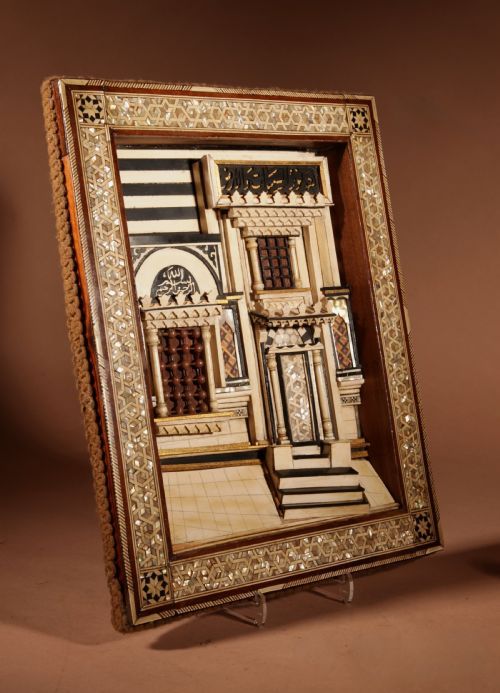
- Three-dimensional architectural model or scene mounted for display on a wall. These pieces utilise relief elements to recreate building facades.
Middle Eastern Wall Art: Frequently Asked Questions
What periods do these pieces span?
The selections span from the eighteenth century through the nineteenth and twentieth centuries. Works from the Victorian era sit alongside mid-century examples.
Earlier items include eighteenth-century paintings, while later pieces extend into the mid-twentieth century, capturing changing artistic approaches.
How do I hang heavy wall art?
Heavy oil paintings on canvas and architectural dioramas require secure wall fixings suited to their weight and frame construction. Using appropriate picture hooks anchored into wall studs ensures stability.
Lighter watercolours and prints on paper require standard picture wire and wall brackets, keeping them away from direct sunlight to protect pigments.
What is an architectural diorama?
An architectural diorama is a three-dimensional relief piece depicting building elements, such as the front of a Moorish structure. These items use physical depth to create realistic building facades.
They function as wall art by mounting flat against a wall while projecting forward to display intricate structural details and materials.
How do I distinguish regional art from European Orientalism?
Regional art originates from artists working within the Middle East, such as Iraqi or Iranian painters depicting local scenes and traditions. These works reflect an insider perspective on landscapes and figures.
European Orientalism consists of works by Western travellers and artists interpreting the region through their own cultural lens, often focusing on picturesque or romanticised views.
What are tribal textiles and artefacts?
Tribal textiles include items like Afshar nomad saddle-bags woven in the Kerman Province of Southern Persia. These woven pieces utilise traditional regional patterns and materials.
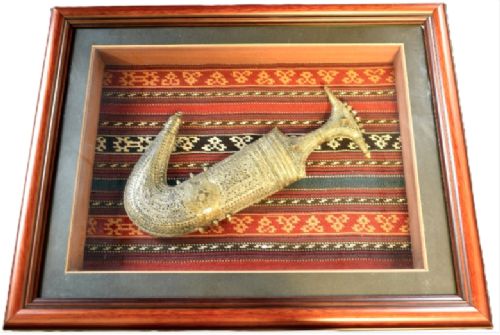
Artefacts also encompass framed Bedouin items such as silver repousse daggers, combining functional tribal objects with decorative wall display mounts.