




Original Framed Wall Art
Original framed wall art brings historical depth to a room through genuine period paintings, drawings and engravings housed in traditional surrounds.
Original Framed Wall Art
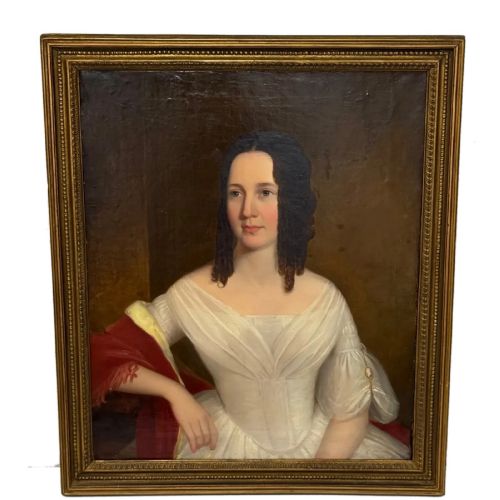
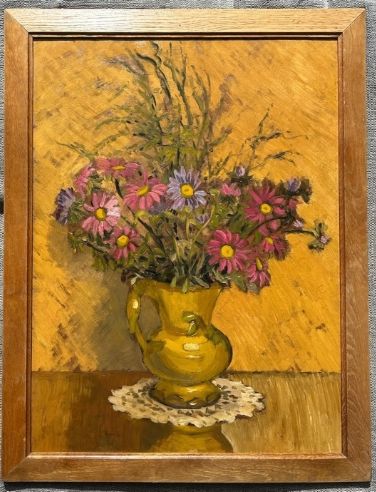
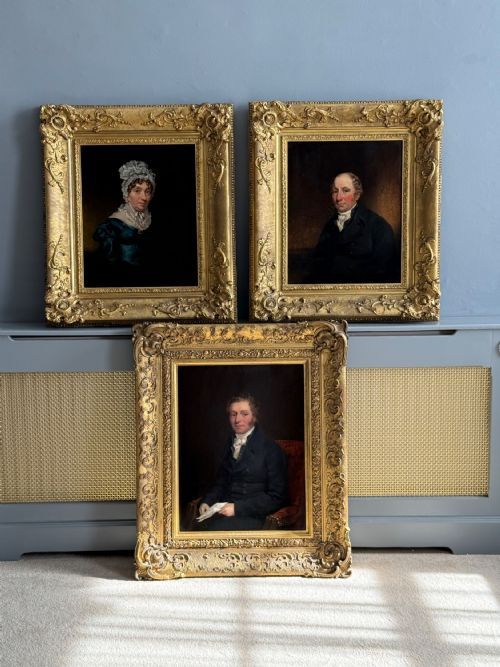
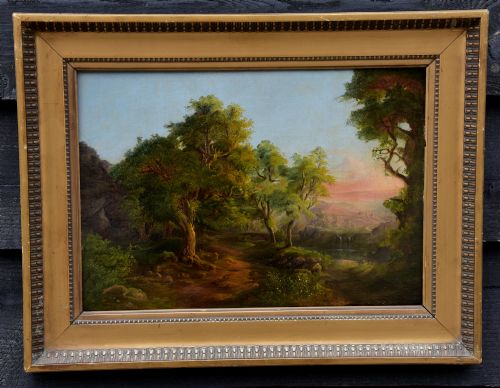
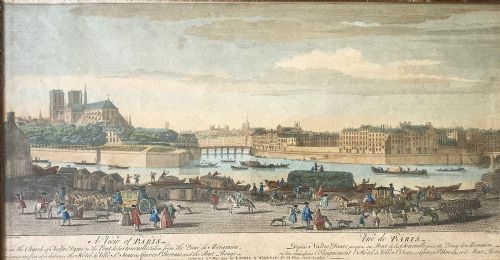
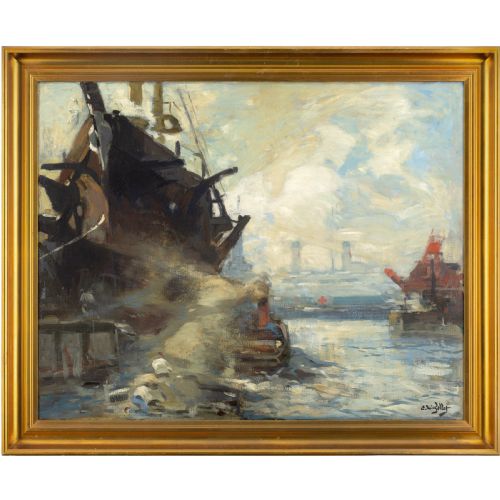
Original framed wall art encompasses hand-painted works, drawings and prints created across multiple centuries and secured in period surrounds. Buyers browsing this selection encounter portraits, landscapes and still life compositions executed by named artists and anonymous hands alike.
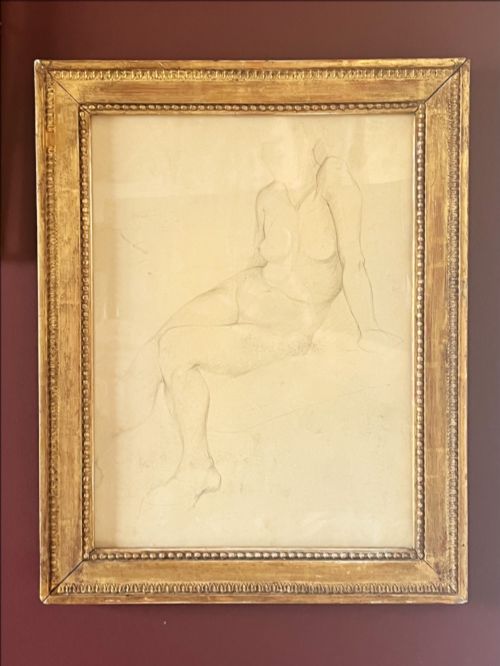
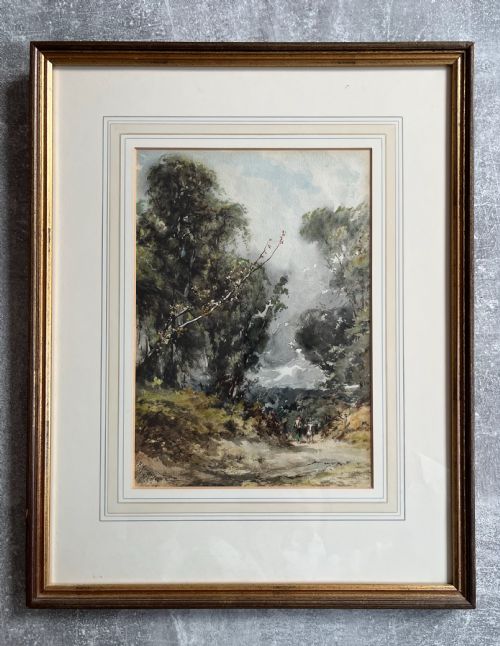
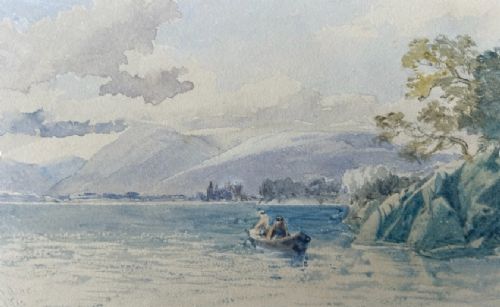
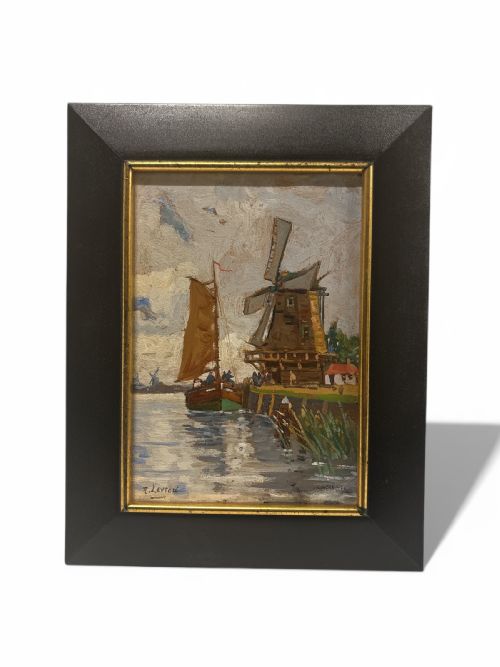
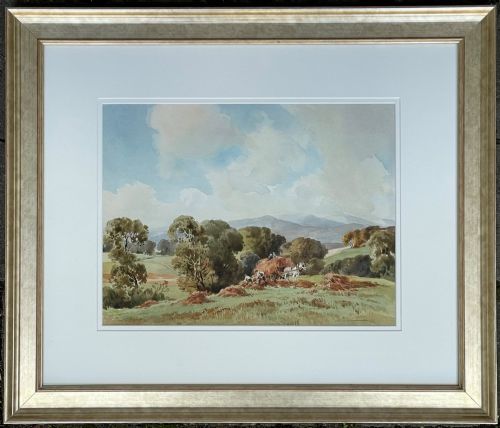
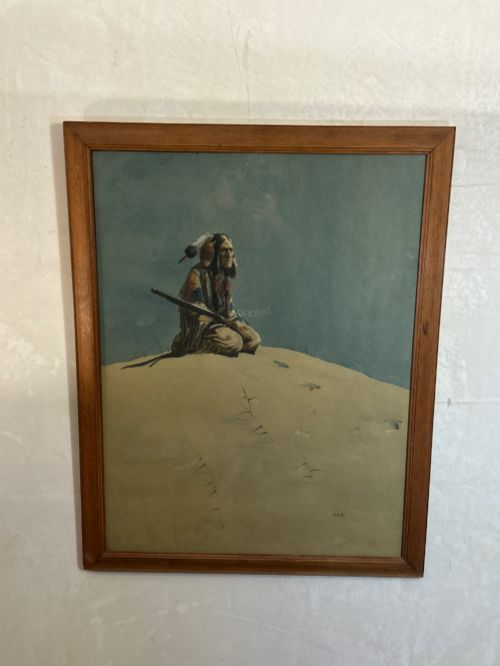
The pieces span from seventeenth-century oils on canvas to mid-twentieth-century watercolours and pastels. Oil paintings on board and canvas, delicate watercolours on paper, and wood panel works dominate the visual selection available here.
Materials and technique
Makers applied oil paint and watercolour pigments to supports including canvas, stretched paper, wood panels and board. Many works retain their original gilt wood, gesso or moulded frames which complement the period of the artwork.
Techniques range from academic realism and impressionist brushwork to detailed pencil drawing and hand-coloured engraving. Pigments are applied with varying density, showing distinct brushstrokes, washes and stippling depending on the chosen medium.
Several portraits quietly record the steady gaze of past captains, architects, and nobles who little suspected their likenesses would one day cross digital screens.
Quality distinctions
Quality rests upon the confidence of the draughtsmanship, the handling of light and pigment, and the harmony between the art and its frame. Superior works demonstrate assured proportions and expressive brushwork that capture movement or atmosphere effectively.
The survival of the piece in its original frame without alteration elevates the historical integrity of the work. Early framing materials showing genuine period wear complement a well-preserved surface better than mismatched modern replacements.
Joseph Clover RA·George Fotherly Hargitt·Thomas Miles Richardson Jnr·James Orrock·John Hayls·Percy Lancaster·John Hassall·Eugène-Louis Gillot·John Horace Hooper·Robert Heinrich·Lemuel Francis Abbott·Sidney A. Court·Robert Leslie Howey·Kershaw Schofield·George Houston·John E. Aitken·Eric Tufnell·William Banks Fortescue·Stephen Samuel Lewin·Robert Morson Hughes
The Original Framed Wall Art Glossary
- Oil paint
- A slow-drying medium made by mixing pigments with oils such as linseed. This medium allows artists to blend colours smoothly and build rich textures upon canvas or board.
- Watercolour
- A paint consisting of water-soluble pigments used to create translucent washes on paper. Artists utilise this technique for rapid sketches and detailed landscape views alike.
- Gilt wood
- Timber carved and coated with a thin layer of gold leaf or metallic powder. This material frequently frames nineteenth-century paintings to provide a reflective border.
- Gesso
- A plaster-like mixture applied to wood or canvas as a base for paint or gilding. It provides a smooth surface that can be moulded into decorative relief patterns on frames.
- En plein air
- A French expression describing the practice of painting outdoors. This method captures natural light and transient weather conditions directly onto the canvas.
Original Framed Wall Art: Frequently Asked Questions
How do I date an old painting?
Dating relies upon stylistic clues, artist signatures, framing methods and the physical support material. Canvas types, panel preparation and stretcher construction shift across centuries and offer clear chronological markers.
Written inscriptions, labels or gallery stamps on the reverse often provide additional confirmation. Comparing the brushwork against known dated works by the same hand narrows the timeline further.
Are watercolours fragile?
Watercolours on paper are sensitive to prolonged exposure to direct sunlight, which can fade pigments over time. Glazing with protective glass helps shield the delicate paper surface from atmospheric moisture and dust.
Displaying these pieces away from direct daylight preserves the original colour tones. Archival backing materials also prevent acid migration from old mounts into the paper.
Should I keep the original frame?
Retaining the original frame preserves the historical context and aesthetic balance intended by the maker. Period frames often display patination and minor wear that complement the age of the artwork.
Replacing a period frame with a modern alternative can diminish the visual integrity of the piece. Conservation of existing framing is generally preferred over total replacement.