
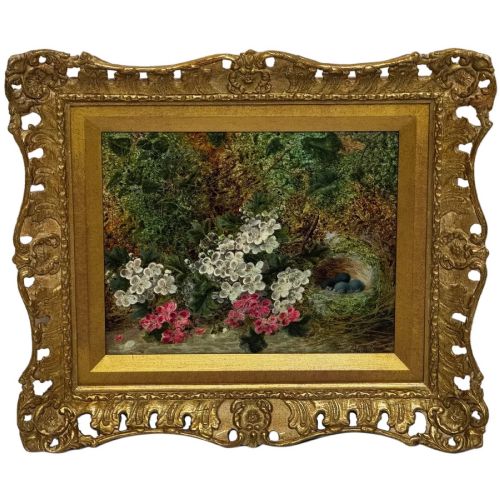
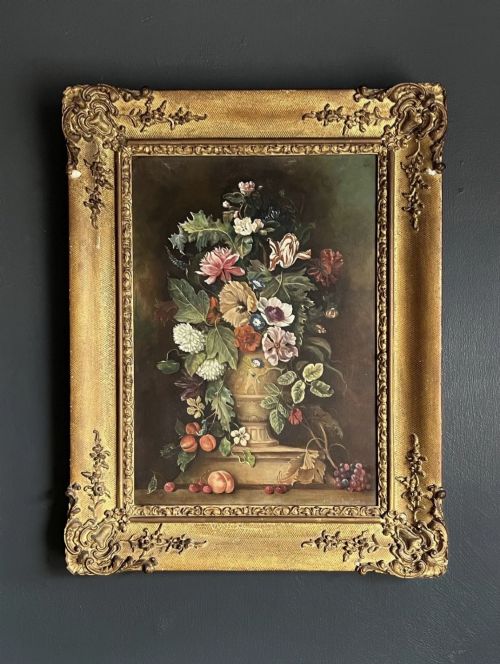
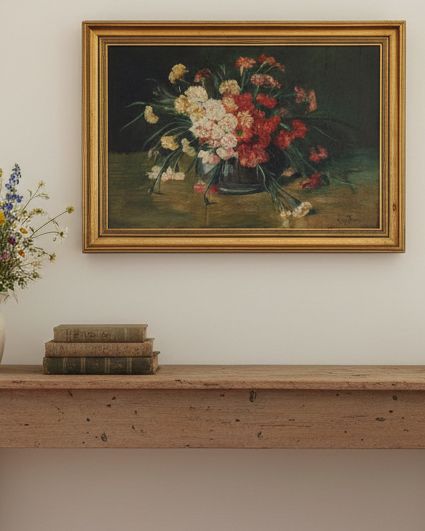
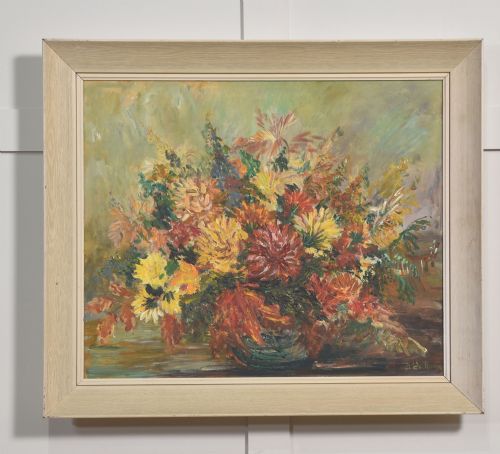
Original Floral Painting
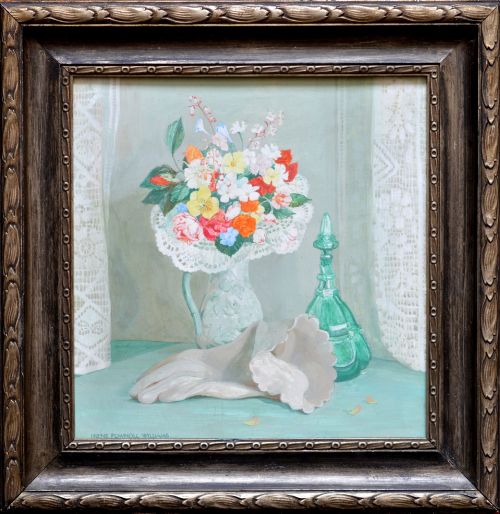
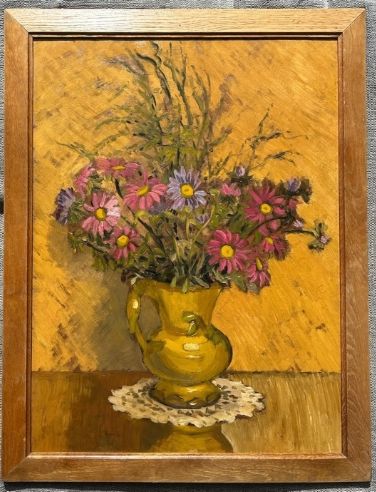
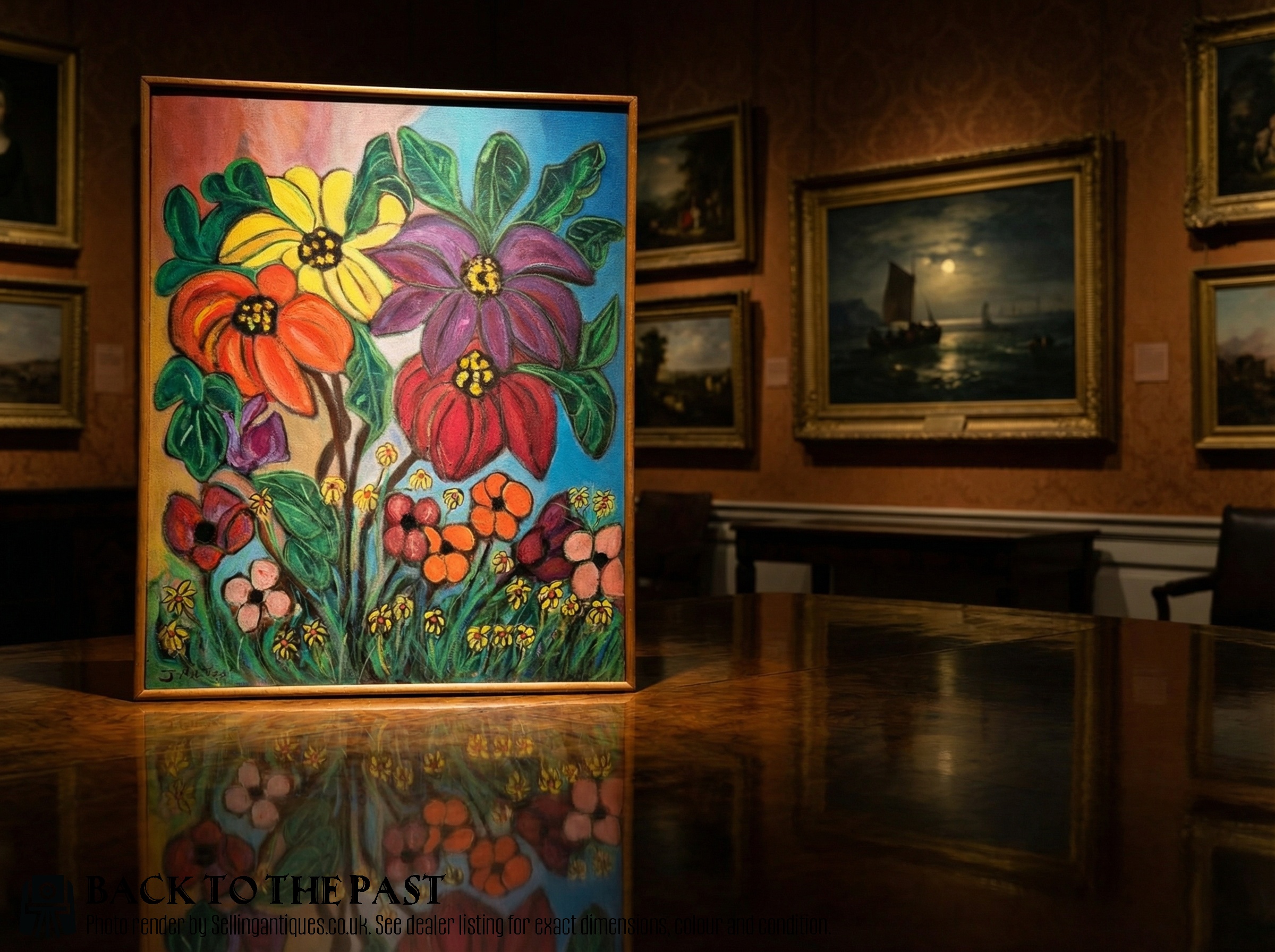
An original floral painting captures botanical subjects directly from life, offering enduring colour and steady decorative presence on a wall.
Original Floral Painting
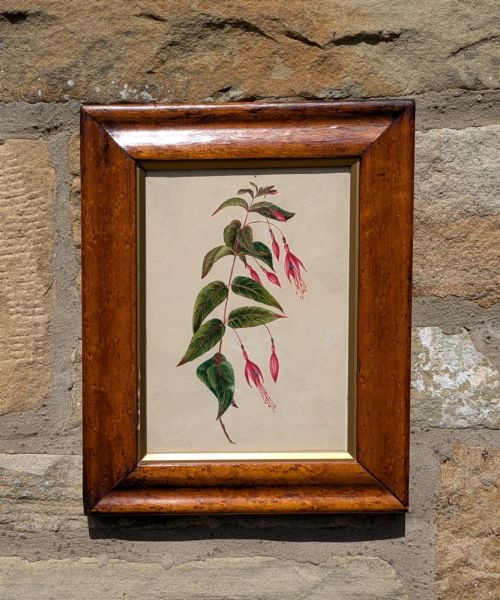
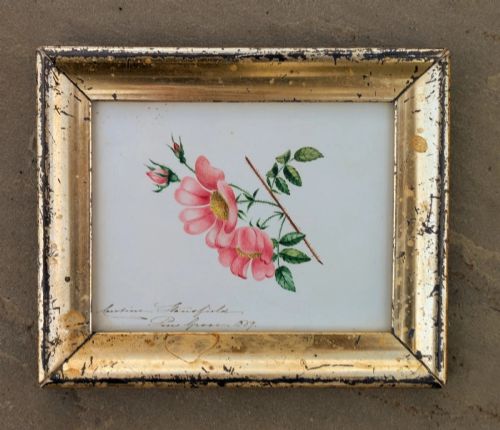
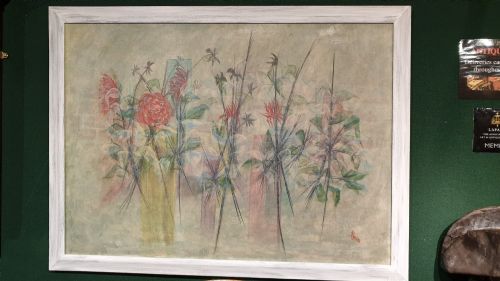
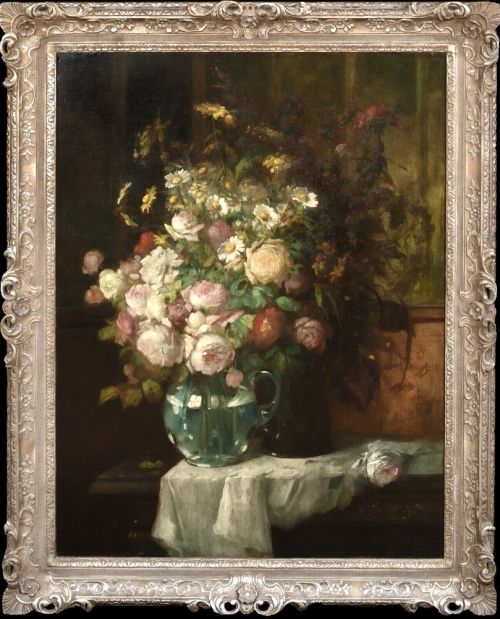
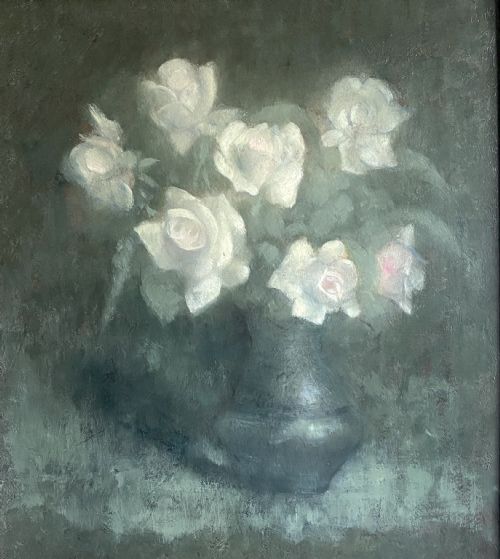
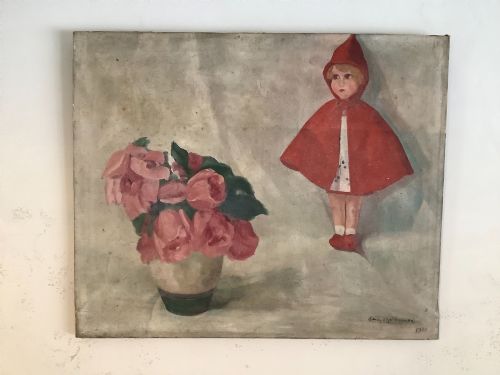
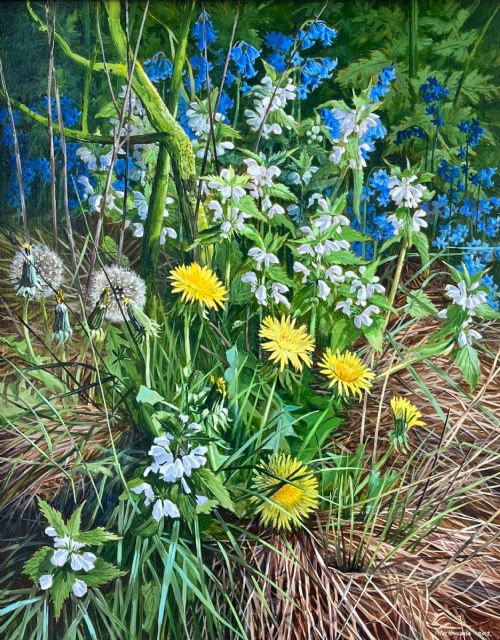
An original floral painting encompasses framed studies of flowers, botanicals, and still life arrangements rendered by hand rather than reproduced mechanically. These works span multiple centuries, capturing individual blooms, gathered posies, and garden displays across diverse aesthetic movements.
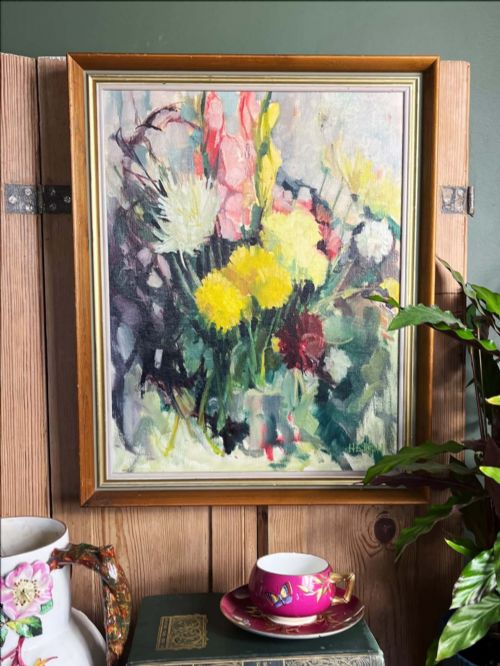
Buyers encountering this selection most frequently meet mid-century and twentieth-century oil paintings on board or canvas alongside nineteenth-century watercolours. Works range from intimate cabinet pieces depicting single stems to larger canvases showcasing elaborate vases of summer flowers.
The assortment includes examples associated with British and continental European schools, reflecting regional shifts in palette and brushwork. Painters approach the subject through varying lenses, moving from Victorian naturalism towards impressionist and modern interpretations.
How they were made
Artists utilise traditional supports including stretched canvas, prepared wood panels, heavy paper, and occasionally metal panels or silk. Each ground receives a specific preparation to accept the medium, whether that involves gesso priming for oils or absorbent sizing for water-based pigments.
The application of oil paint allows for layered impasto, blended tones, and rich surface texture, particularly evident in depictions of petals and foliage. Watercolour techniques rely on transparent washes and preserved paper whites to create luminosity and delicate botanical detail.
Mediums represented across the inventory include oil paint, watercolour, and ink on silk.
What varies in quality
Quality rests upon the sureness of the brushwork and the artist's ability to render light, shadow, and structural form within organic subjects. Stronger works display confident composition and tonal balance, where background elements support the central floral arrangement without distraction.
The preservation of the original surface and pigment integrity distinguishes superior examples from heavily restored or compromised pieces. Framing also contributes significantly, with period gilt gesso or matched surrounds enhancing the visual impact of the artwork.
Oliver Clare·Konstantin Stoitzner·Owen Bowen·James Tower·Victor Simonin
The Original Floral Painting Glossary
- Impasto
- Paint applied thickly to a canvas or panel, standing visibly above the surface and retaining the marks of the brush or palette knife. This technique introduces literal depth and texture to floral petals.
- Still life
- An artwork depicting inanimate subject matter, typically commonplace objects or natural items such as cut flowers, fruit, and vessels. Such compositions allow artists to focus entirely on colour, light, and arrangement.
- Gesso
- A traditional paint mixture consisting of a binder mixed with chalk, gypsum, or pigment, used to prepare wood or canvas surfaces. It provides a smooth, stable ground for oil painting.
- Provenance
- The chronological documentation of the ownership history of a work of art, establishing its authenticity and origin. Studio sales and gallery labels often contribute to this record.
- Post-impressionism
- An art movement developing roughly between the late nineteenth century and the early twentieth century, extending impressionist limits while rejecting its limitations. Artists prioritised expressive forms and symbolic use of colour.
Original Floral Painting: Frequently Asked Questions
How should I hang a floral painting?
Position the artwork at eye level on a wall receiving indirect natural light to protect pigments from fading over time. Selecting a wall space away from direct heat sources helps preserve canvas tension and frame stability.
Pairing the piece with neutral wall colours allows the natural pigments within the floral subject to stand out. Secure the frame using appropriate fixings matched to the weight of the canvas and its surround.
What periods do these paintings cover?
The selection spans from the nineteenth century through the mid-twentieth century, capturing distinct shifts in artistic style and technique. Victorian and Edwardian pieces often emphasise botanical accuracy and detailed realism.
Later twentieth-century works lean towards impressionist brushwork and expressive interpretations of colour. These varying eras reflect changing domestic tastes in interior decoration and botanical illustration.
How do I care for an oil painting?
Dust the surface and frame gently using a soft, dry brush without applying pressure to the painted canvas. Avoid using liquid cleaners or chemical sprays directly on the paint or gilt surfaces.
Maintain stable room humidity and temperature to prevent the wooden panels or stretcher frames from warping. Professional conservators should handle any structural repairs or cleaning of aged varnish layers.
What is the difference between oil and watercolour?
Oil paint employs slow-drying vegetable oils as a binder, permitting rich layering, blending, and textured brushwork on canvas or board. Watercolour uses water-soluble binders on paper, resulting in luminous, transparent washes.
Watercolour paintings require protective glass framing to prevent moisture damage and surface abrasion. Oil paintings typically remain unglazed, allowing the textured paint surface to be viewed directly.