
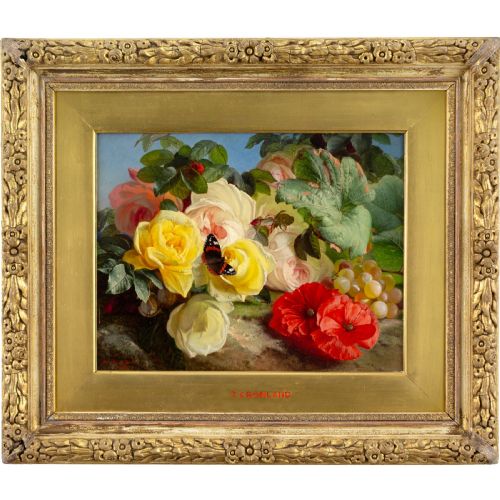
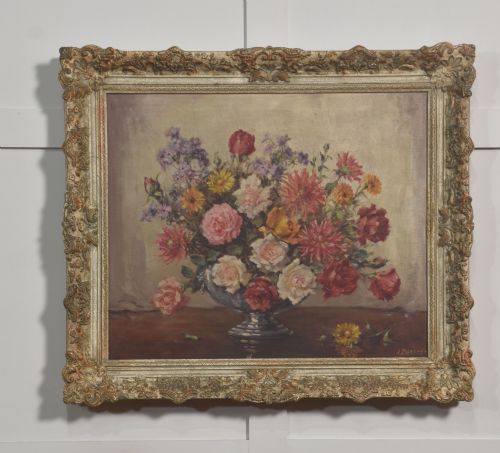
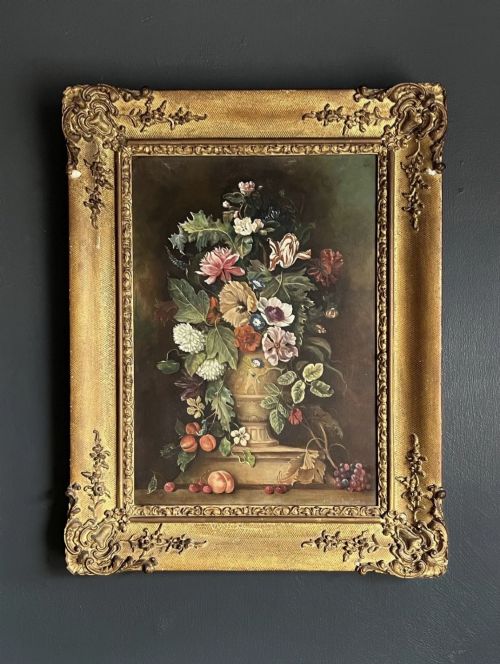
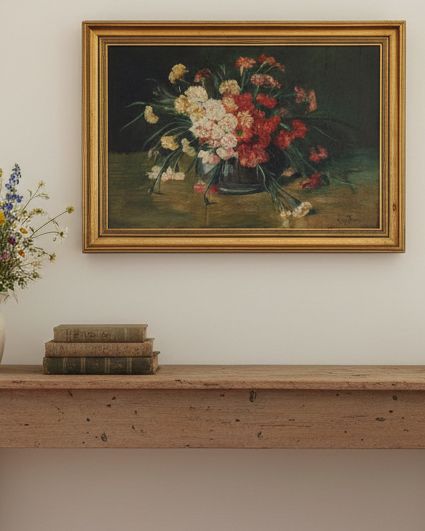
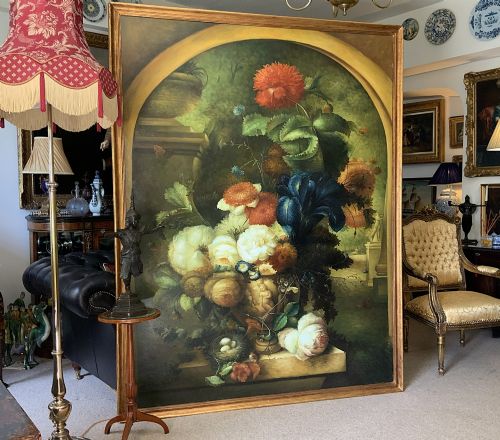
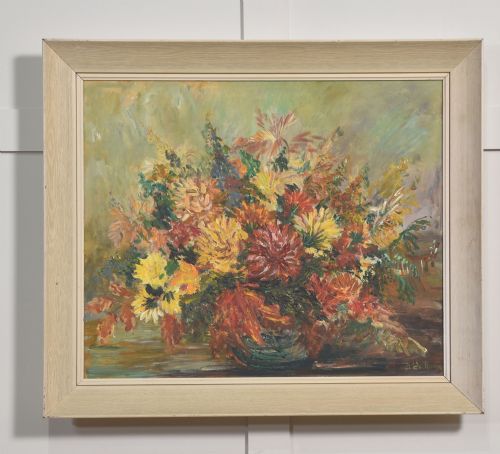
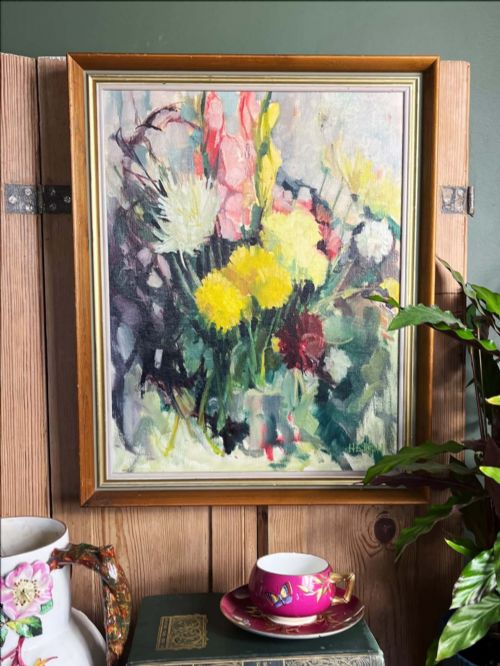
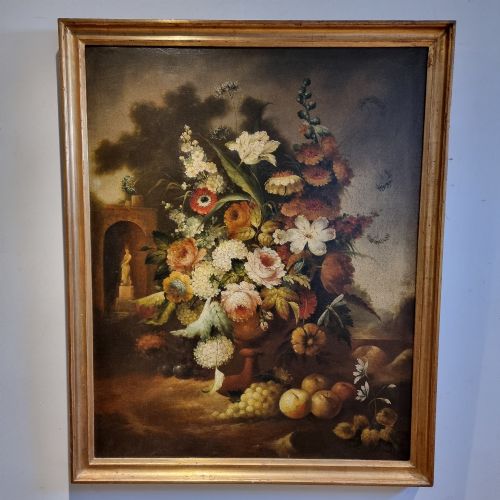
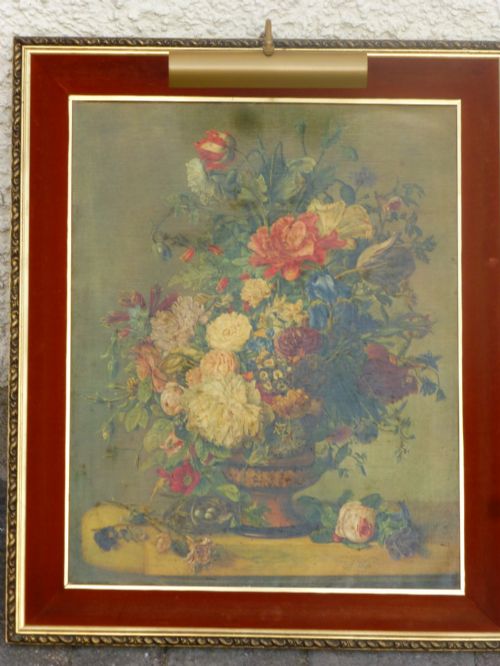
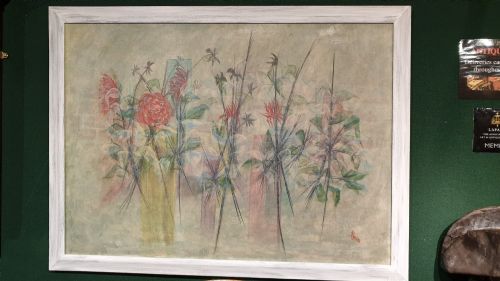
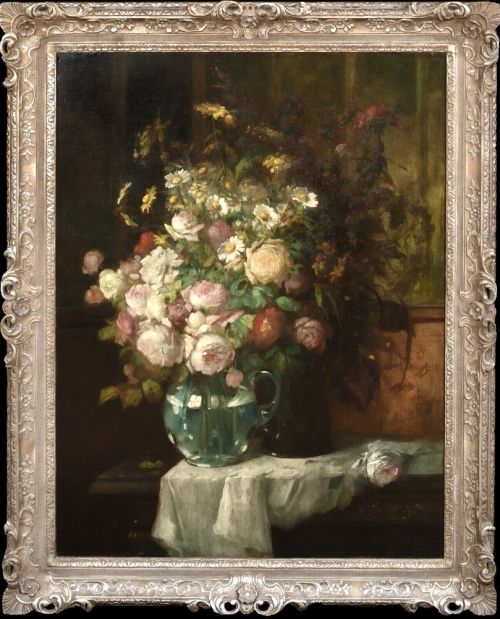
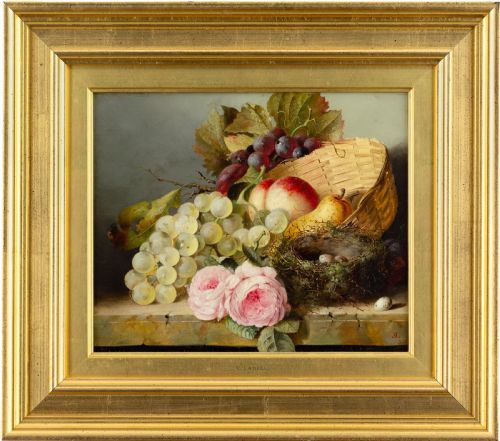
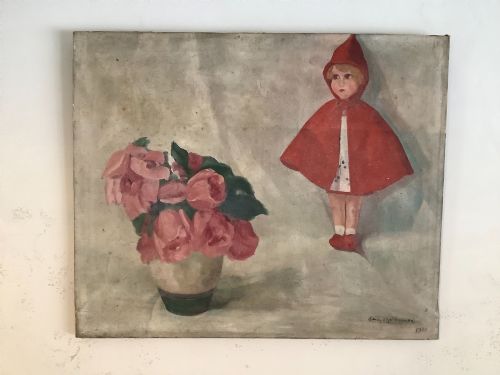
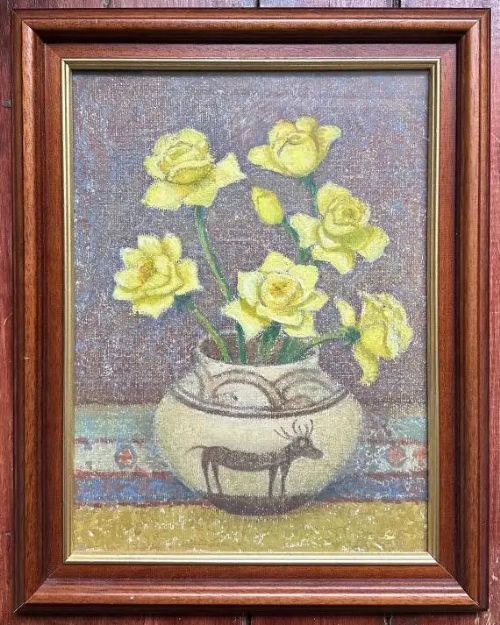
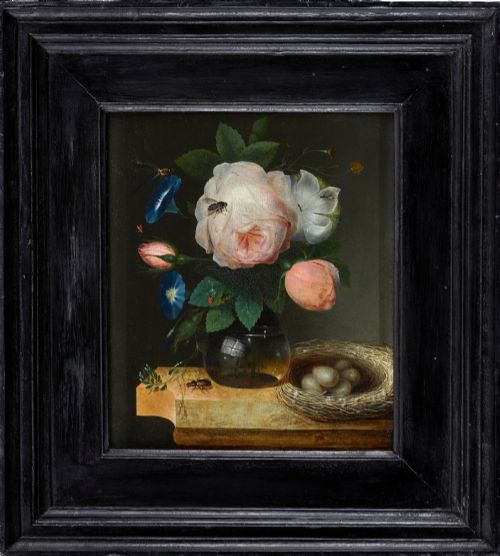
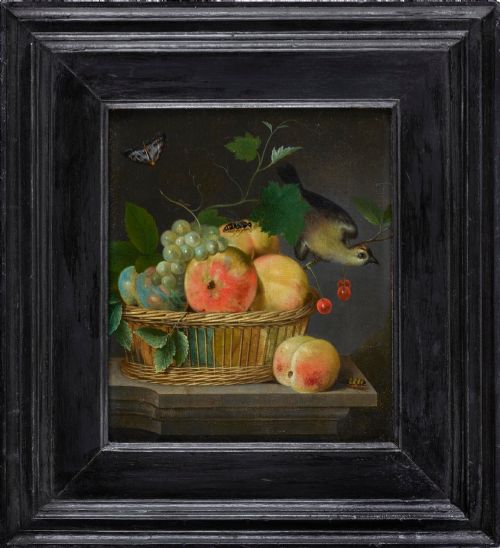
Oil on Canvas Floral
Oil on canvas floral artworks capture natural beauty through brushwork and pigment, ranging from seventeenth-century Dutch compositions to mid-century modernist interpretations.
Oil on Canvas Floral
Buyers exploring oil on canvas floral pieces encounter a diverse selection of still life paintings, botanical studies and framed wall art.
The inventory spans multiple centuries, incorporating seventeenth-century masterpieces, nineteenth-century academic works and twentieth-century impressionist expressions.
Common subjects include roses, carnations, anemones and mixed bouquets arranged in vases, baskets or bowls.
How They Were Made
Artists painted primarily with oil paint upon stretched canvas, occasionally utilising wood panels or board as a base.
Frames often incorporate wood, gesso and gold leaf or gilt finishes to complement the painted imagery.
Listings feature canvases spanning the seventeenth century to the mid-twentieth century, employing oil paint, gilt, gesso and wood.
What Varies in Quality
Distinctions in quality arise from the precision of brushwork, the depth of composition and the handling of light and shadow.
The integrity of the canvas support, the preservation of the original pigment and the quality of the accompanying gesso frame influence the overall standing of each piece.
Theude Grönland·I. Berezny·D. L. Williams·Konstantin Stoitzner·Edward Ladell·Emma Fordyce MacRae·Gaspar Peeter Verbruggen·Peter Newcombe·Edwin Steele·Manuela Bonati·William Thomas Wood·Victor Simonin·Owen Bowen·Gertrude Hayes·Simon Pietersz Verelst·Thomas Bromley Blacklock·Amile Coppieters·Louise Perman·Jean Hippolyte Marchand·Marion Broom·James Noble·Nessi Valtat·Gaudet·Latouche·Emile Compard
The Oil on Canvas Floral Glossary
- Still life
- A painting depicting inanimate subject matter, typically commonplace objects such as flowers, fruit and glassware. This genre allows artists to focus on arrangement, colour harmony and texture.
- Impressionism
- A nineteenth-century art movement characterised by relatively small, thin yet visible brush strokes and an emphasis on accurate depiction of light. Artists working in this style capture transient moments in nature.
- Gesso
- A plaster mix used as a base coat for painting or for moulding decorative details on frames. It provides a smooth surface for gilding and ornamentation.
- Baroque
- An extravagant artistic style originating in the seventeenth century, known for dramatic use of shadow, intense lighting and elaborate detail. Works from this era often display deep contrast and rich textures.
Oil on Canvas Floral: Frequently Asked Questions
What periods do these floral oil paintings cover?
The works span from the seventeenth century through the Victorian era and into the mid-twentieth century. This timeline includes seventeenth-century Dutch masters, nineteenth-century academic painters and twentieth-century modernists.
Each era brings distinct approaches to colour, lighting and composition, reflecting the shifting aesthetic priorities of the artists who painted them.
How were these paintings traditionally displayed?
Historic floral paintings were primarily hung in domestic interiors, drawing rooms and formal dining spaces to bring elements of nature indoors. They were typically housed within ornate wood and gesso frames designed to complement the richness of the oil paint.
Collectors today continue to display them as focal points in living areas, pairing antique frames with traditional or contemporary interiors.
How can I tell different artistic styles apart?
Styles are distinguished by brushwork, palette and compositional arrangement. Seventeenth-century works often feature dark, dramatic backgrounds with meticulous botanical detail, while impressionist and modernist pieces employ looser brush strokes and vibrant, expressive colour.
Examining the treatment of light and the texture of the paint helps identify whether a piece aligns with academic realism, impressionism or post-impressionism.
What materials are used in these artworks?
The primary materials are oil paint applied to stretched canvas, though some examples utilise wood panels or board. Supporting frames frequently consist of carved wood finished with gesso and gold leaf or gilt.
These durable materials have allowed centuries of paintings to survive in varying states of preservation.