
Botanical Canvas Painting
Botanical canvas painting brings floral and plant studies into interiors through oil paint on woven supports spanning several centuries.
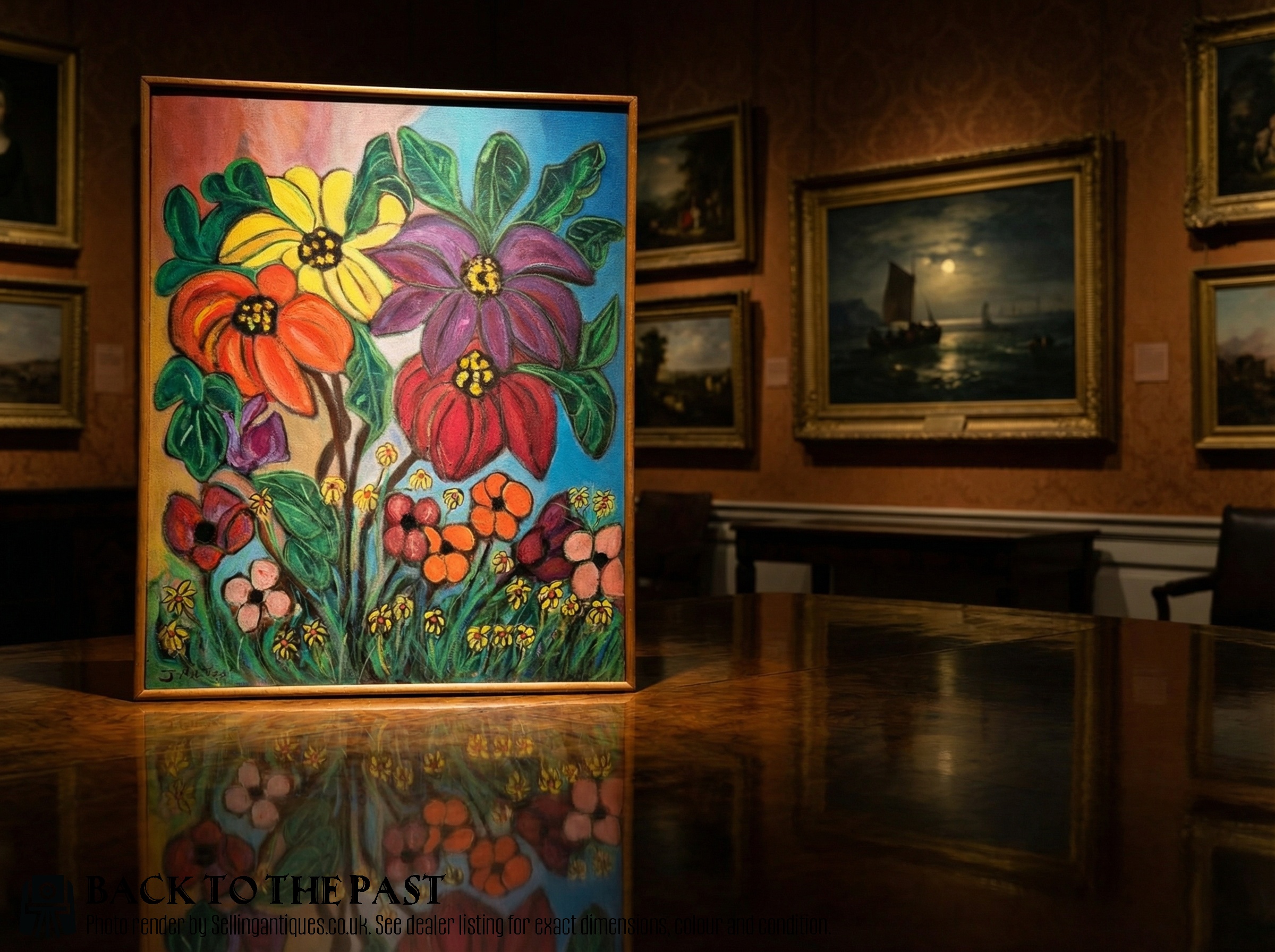
Botanical Canvas Painting
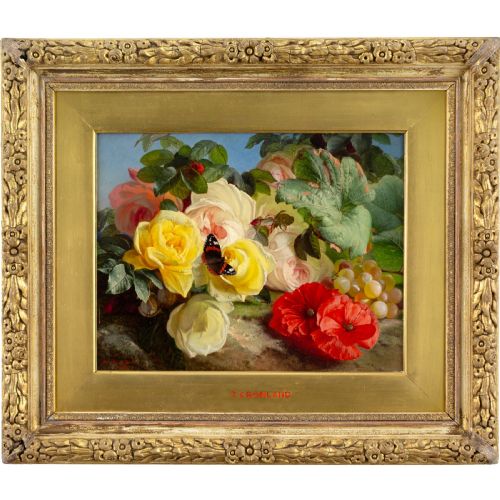
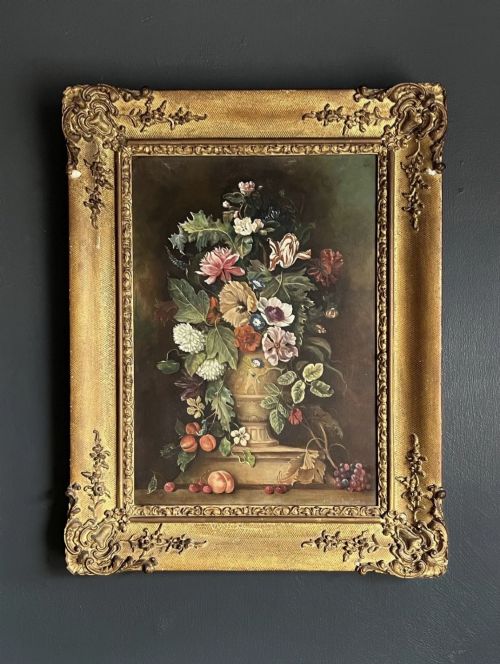
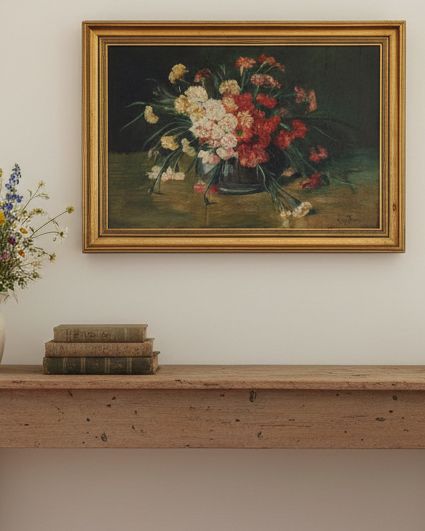
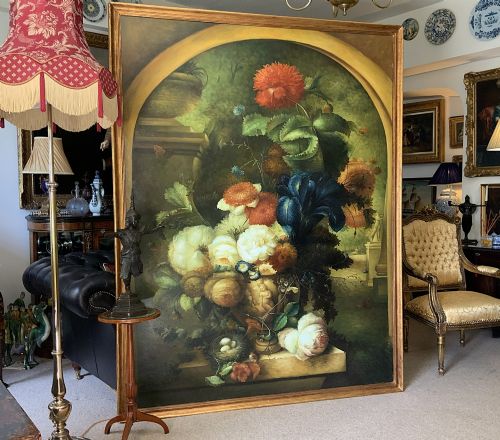
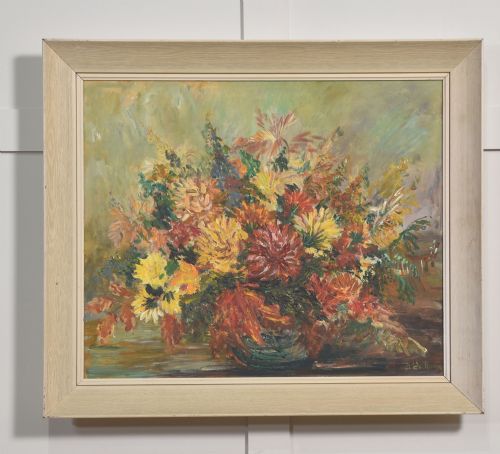
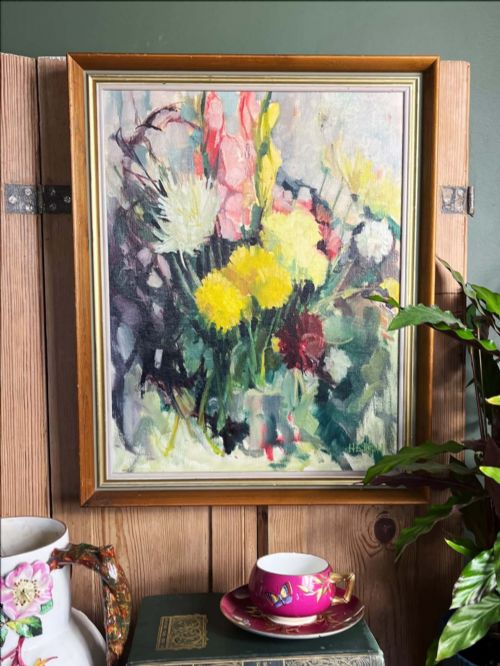
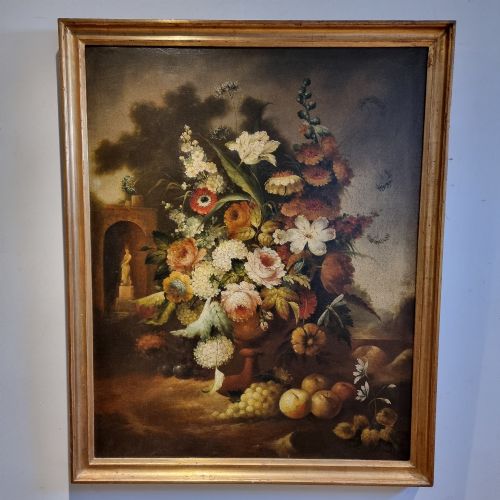
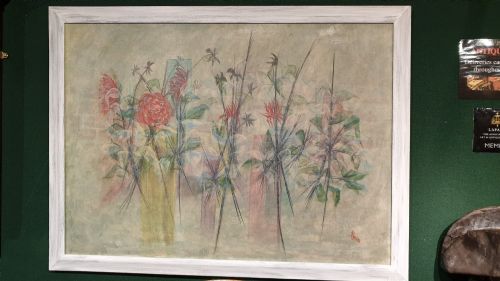
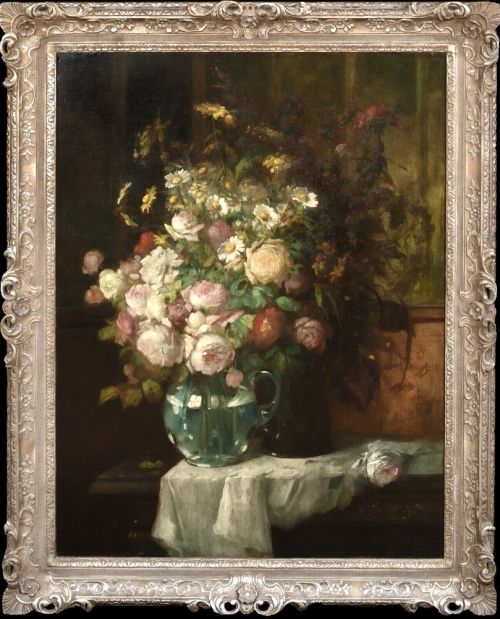
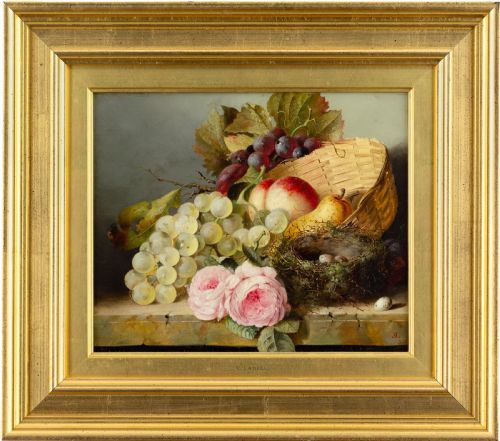
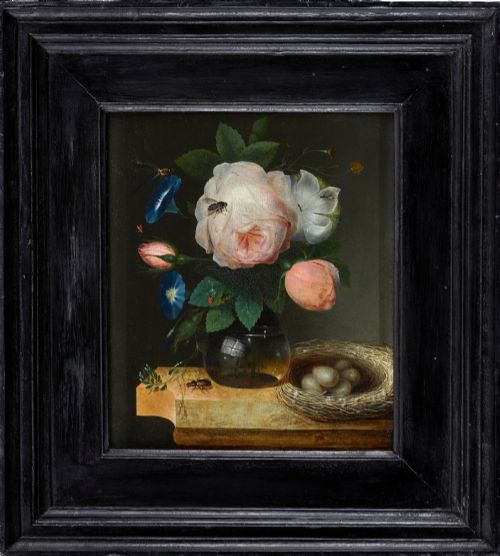
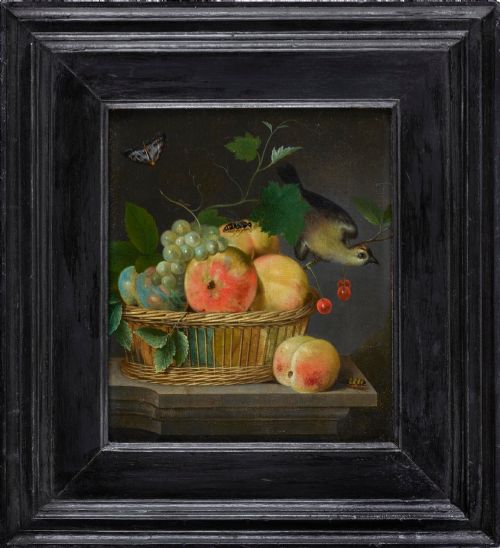
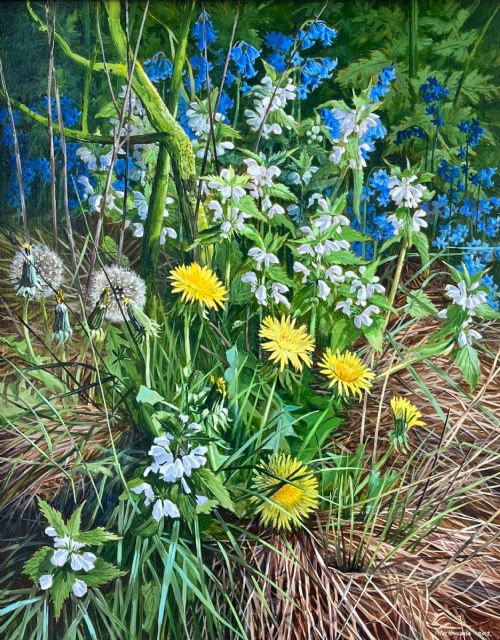
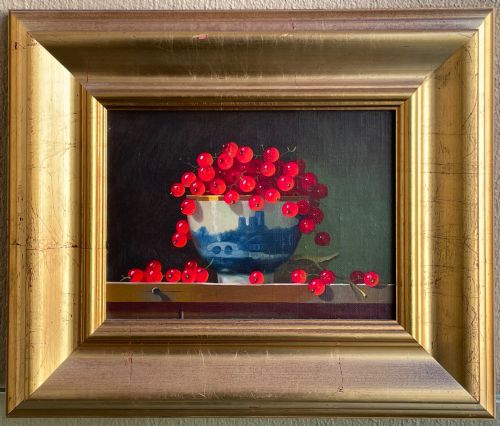
A botanical canvas painting represents floral and plant subjects rendered in oil paint upon woven canvas supports, capturing blooms from single stems to monumental arrangements. Buyers searching this phrase encounter works ranging from seventeenth-century Flemish compositions to mid-century impressionist interpretations.
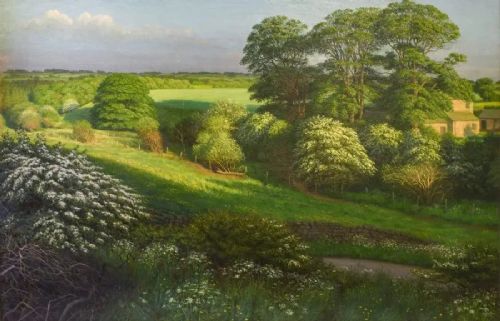
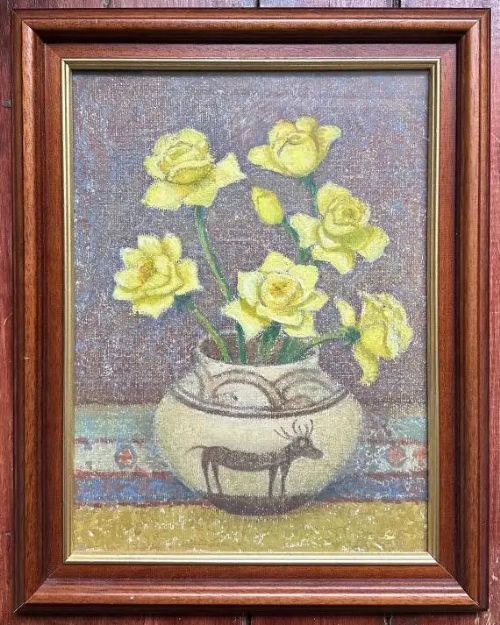
The selections span distinct periods including nineteenth-century realist depictions and twentieth-century modernist floral studies. These pieces function as wall art and fine art paintings within domestic spaces.
Origin points vary across British, Dutch, Austrian, and French schools, offering diverse stylistic interpretations of botanical subjects. Canvas remains the primary vehicle for these sustained explorations of natural forms.
How They Were Made
Artists built these works using oil paint applied to stretched canvas supports, sometimes incorporating gesso grounds to prepare the woven surface. Pigments were layered to achieve depth in petals, leaves, and background shadows.
Many examples retain their period frames constructed from wood, frequently finished with gold leaf or gilt ornamentation. The combination of oil on canvas and wooden framing defines the physical structure of these surviving works.
The inventory records diverse stylistic movements from Dutch Golden Age traditions to mid-century impressionism.
What Varies in Quality
Quality rests in the handling of light across botanical forms and the structural integrity of the canvas and paint layers. Masterful brushwork defines petal textures and botanical accuracy differently than formulaic studio production.
The integration of the painting with its period frame, whether gilt gesso or simple wood moulding, contributes to the overall coherence of the piece.
Theude Grönland·Edward Ladell·Gaspar Peeter Verbruggen·Simon Pietersz Verelst·Konstantin Stoitzner·Owen Bowen·Edwin Steele
The Botanical Canvas Painting Glossary
- Canvas
- A heavy woven fabric used as a surface for oil painting. It provides the tensile strength required for large-scale floral compositions.
- Gesso
- A plaster-like mixture applied to canvas or wood to create a smooth, absorbent surface for painting. This preparation seals the fabric before pigment is applied.
- Gilt
- Covered with a thin layer of gold leaf or gold paint. This finish enhances the decorative framing of many period works.
- Still Life
- A painting featuring inanimate subject matter, typically everyday objects or botanical specimens. Floral arrangements form a central subset of this genre.
Botanical Canvas Painting: Frequently Asked Questions
How do I hang a large canvas painting?
Heavy works require secure fixings into structural wall studs rather than plaster alone. Professional mirror plates distribute the weight evenly across the frame.
Position paintings away from direct sunlight and excessive heat sources to protect the oil pigments and canvas.
What periods do these paintings cover?
The selection encompasses seventeenth-century Dutch works through to mid-twentieth-century impressionist pieces. Nineteenth-century Victorian and Edwardian examples appear frequently.
Each era brings distinct approaches to floral arrangement and colour application.
Are these paintings supplied with frames?
Many listings include period frames such as gilt gesso or wooden mouldings that complement the artwork. These frames form part of the historical context of the piece.
Details regarding framing are specified in individual listings.
How should I clean an oil painting?
Dust surfaces gently with a soft, dry brush without applying moisture or cleaning agents. Professional conservators handle deep cleaning and varnish removal.
Avoid touching the painted canvas directly to prevent transferring natural oils from hands.