

Original Floral Canvas Art
Original floral canvas art brings botanical subjects to interiors through oil paint applied directly to woven fabric support structures.
Original Floral Canvas Art
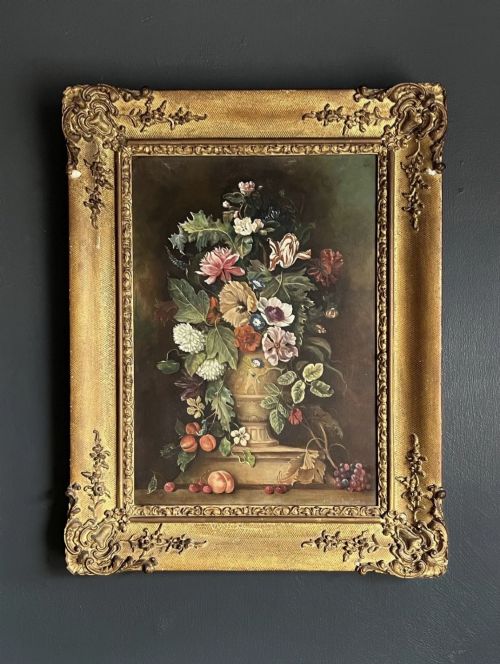
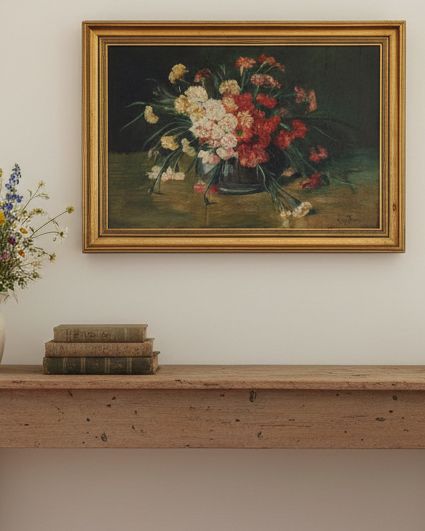
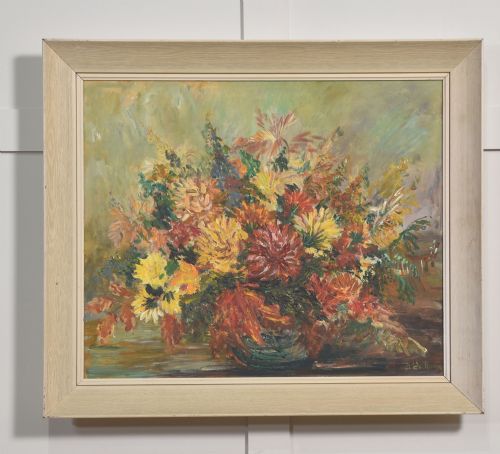
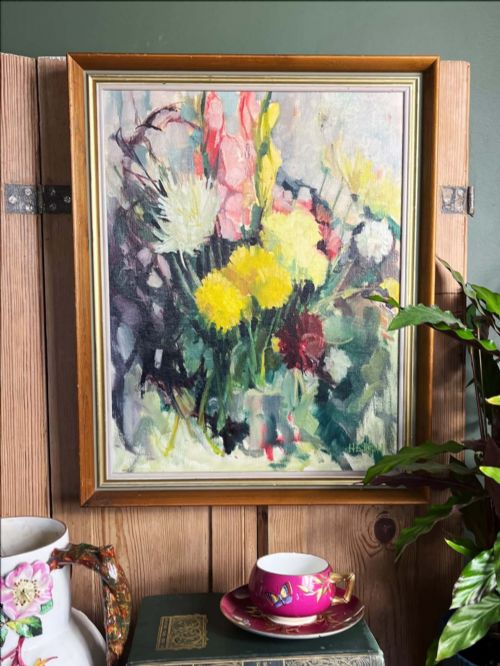
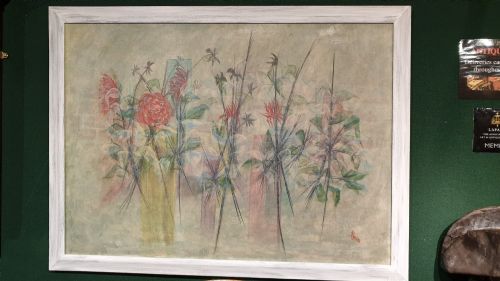
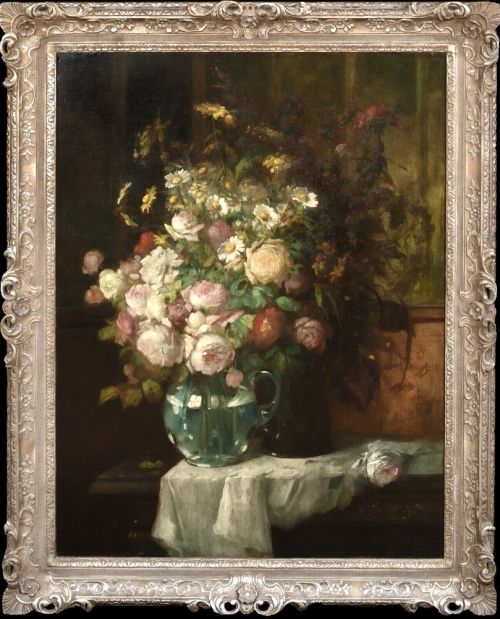
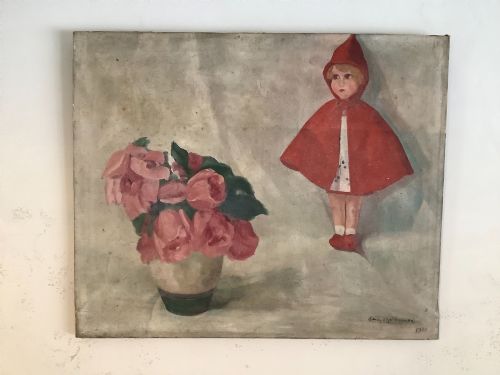
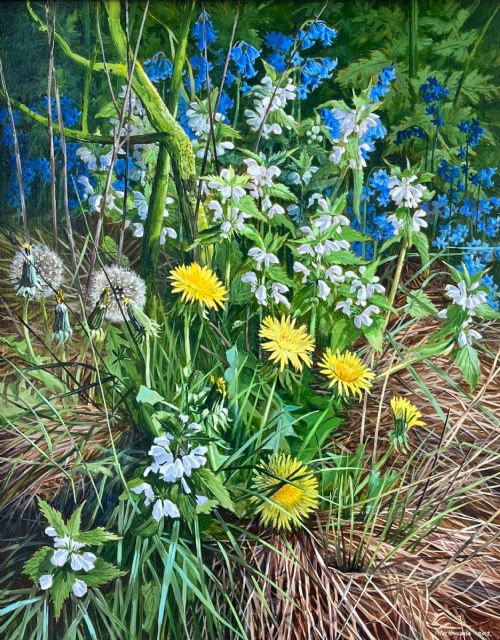
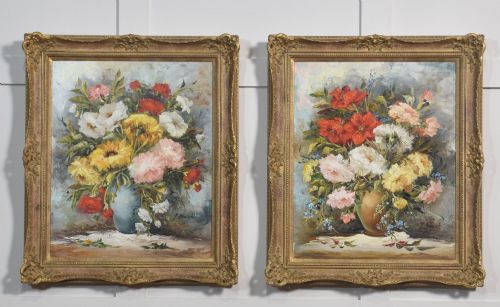
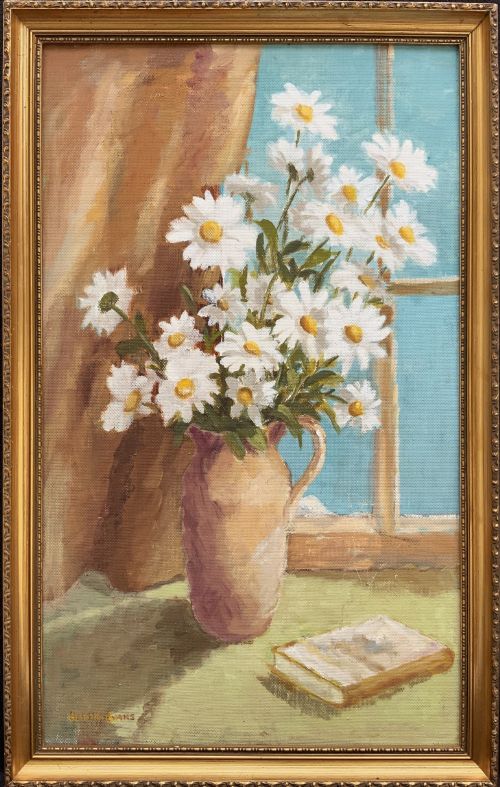
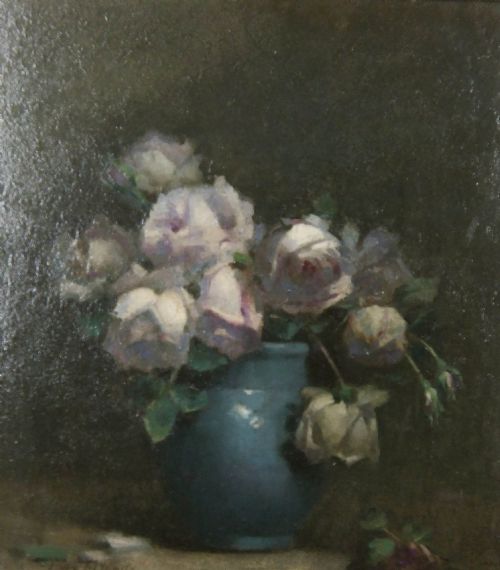
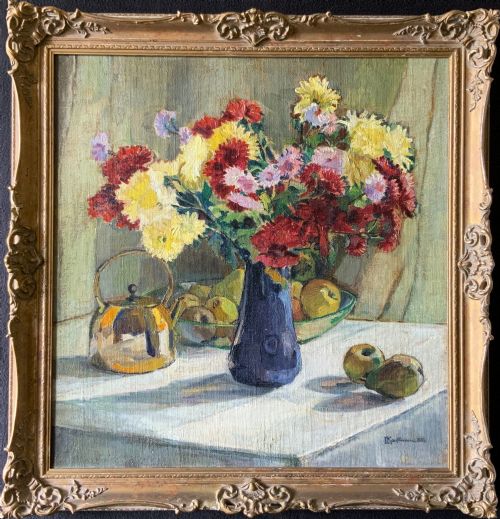
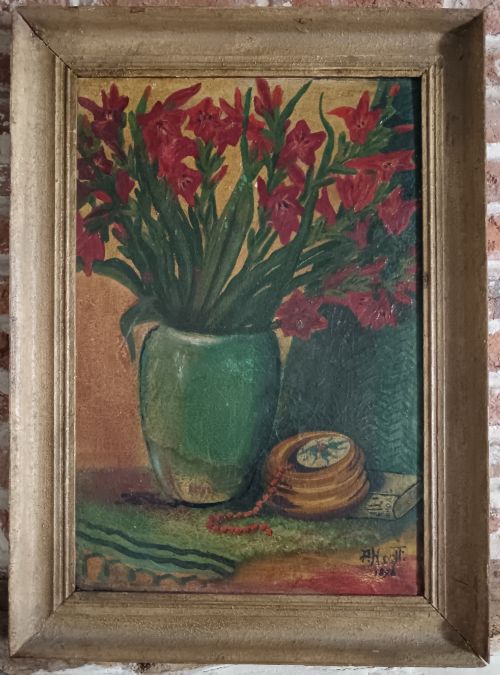
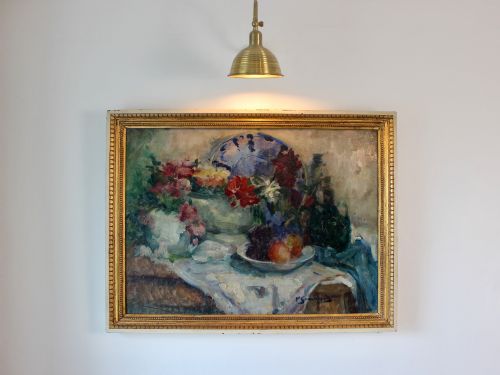
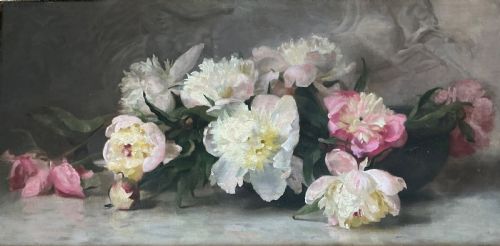
Original floral canvas art consists of painted depictions of flowers and botanical subjects executed on canvas supports. These works span from the late nineteenth century through the mid-twentieth century, capturing blossoms in various interior and garden settings.
Buyers browsing this selection encounter pieces defined by periods such as the Edwardian era, Art Deco movement, and Mid-Century Modern designs. The subjects range from realistic depictions to impressionistic and post-impressionistic interpretations of natural flora.
The most common formats on this page include framed oil paintings on canvas depicting still life arrangements or garden views. These artworks reflect the stylistic shifts of British Impressionism, Modern British art, and European Impressionism.
Materials and Construction Techniques
Artists painted these works using oil paint applied to stretched canvas supports, occasionally utilising wood panels or board. The physical structure typically relies on timber stretcher frames that hold the woven textile taut.
Many of these paintings reside within their original surrounds, which commonly feature carved wood and gesso finished in gilt layers. The combination of oil pigments, canvas, and decorated wooden frames defines the physical composition of these works.
Even canvas flowers need water, according to the artists who stubbornly painted them indoors through every British winter.
Assessing Artistic Merit and Condition
Quality in these botanical works rests upon the confidence of brushwork, compositional balance, and the handling of light and colour. Superior examples display a distinct mastery over paint application, capturing texture and depth within the floral arrangements.
The preservation of the painted surface and the integrity of the canvas support influence the overall standard of a piece. Original frames matching the period of the artwork contribute to the completeness and historical context of the object.
D. L. Williams·Konstantin Stoitzner·Peter Newcombe·Manuela Bonati·William Thomas Wood·Victor Simonin·Owen Bowen·Gertrude Hayes·Amile Coppieters·Florence Hess·A. Nikolokov·Ernest Higgins Rigg·Sir Matthew Smith·Robin MacKertich·Freda Marston·Stuart Armfield
The Original Floral Canvas Art Glossary
- Canvas
- A heavy woven fabric typically made from linen or cotton that serves as a flexible support for oil paint. Painters stretch this material over a wooden frame before applying their pigments.
- Gesso
- A traditional paint mixture consisting of a binder mixed with chalk, gypsum, or pigment used to prepare wood or canvas surfaces. It also forms the raised decorative mouldings found on ornate antique frames.
- Impressionism
- A nineteenth-century art movement characterised by relatively small, thin yet visible brush strokes and an emphasis on accurate depiction of light. This style often portrays natural subjects outdoors or in domestic interiors.
- Still Life
- A work of art depicting mostly inanimate subject matter, typically commonplace objects or natural items such as flowers and fruit. Floral still life paintings focus specifically on arranged botanical specimens.
- Post-Impressionism
- A predominantly French art movement that developed from Impressionism, extending its limitations while retaining its use of vivid colours and thick paint. Artists working in this manner often explored more symbolic content and geometric forms.
Original Floral Canvas Art: Frequently Asked Questions
What periods do these floral paintings come from?
The available artworks originate from various decades spanning the late nineteenth century through the mid-twentieth century. Key periods represented include the Edwardian era, Art Deco years, and the mid-century modern movement.
Buyers will find pieces dated across the 1890s, early 1900s, and subsequent decades up to the 1960s. Each era brings distinct stylistic approaches to botanical painting.
How should I hang an oil painting on canvas?
Canvas paintings require secure wall fixings suited to the combined weight of the artwork and its wooden frame. Position the piece away from direct sunlight and fluctuating heat sources to protect the oil pigments and canvas.
Ensure the hanging wire or brackets on the back of the frame are structurally sound before mounting. Professional picture hooks matched to your wall type provide the best support.
What is the difference between oil on canvas and oil on board?
Oil on canvas involves applying paint to a woven textile stretched over a wooden frame, offering slight flexibility and texture. Oil on board uses a rigid wooden or composite flat surface as the support for the pigments.
Both techniques utilise oil-based paints, but the underlying support alters the physical character of the painting. Canvas works often display the distinctive weave of the fabric beneath the brushstrokes.
Are these floral paintings signed by the artists?
Many of the listed works feature visible signatures or inscriptions left by the original painters. These signatures often appear in the corners of the canvas or are recorded on the reverse of the work.
Some pieces are documented through artist studio sales or historical provenance records. Unsigned works are attributed based on stylistic comparisons and period characteristics.